Pratapaditya’s Tale: History, Literature, and the Legend of Lost Gold
Some names do not sink quietly into the silt of the past. Pratapaditya’s is one of them. More than four centuries after his defeat, his memory still moves through Bengal’s imagination like a tide, suspended between history and legend, literature and folklore, the archive and the screen.
Watching Saptadingar Guptodhon on Hoichoi stirred a sense of nostalgia. In the film, the beloved trio Sonada, Abir, and Jhinuk enter the mangrove wilderness of the Sundarbans in pursuit of rumors about Raja Pratapaditya’s lost riches. Around them gathers every pleasure of Bengali adventure: cryptic clues, treacherous tides, ruthless rivals, and an ancient past that seems unwilling to remain buried. Yet beneath the film’s glittering chase lies a deeper story; older, darker, and far more politically complex.
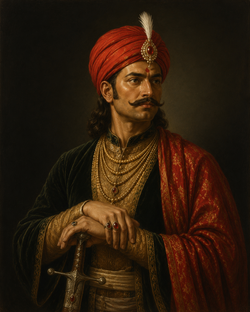
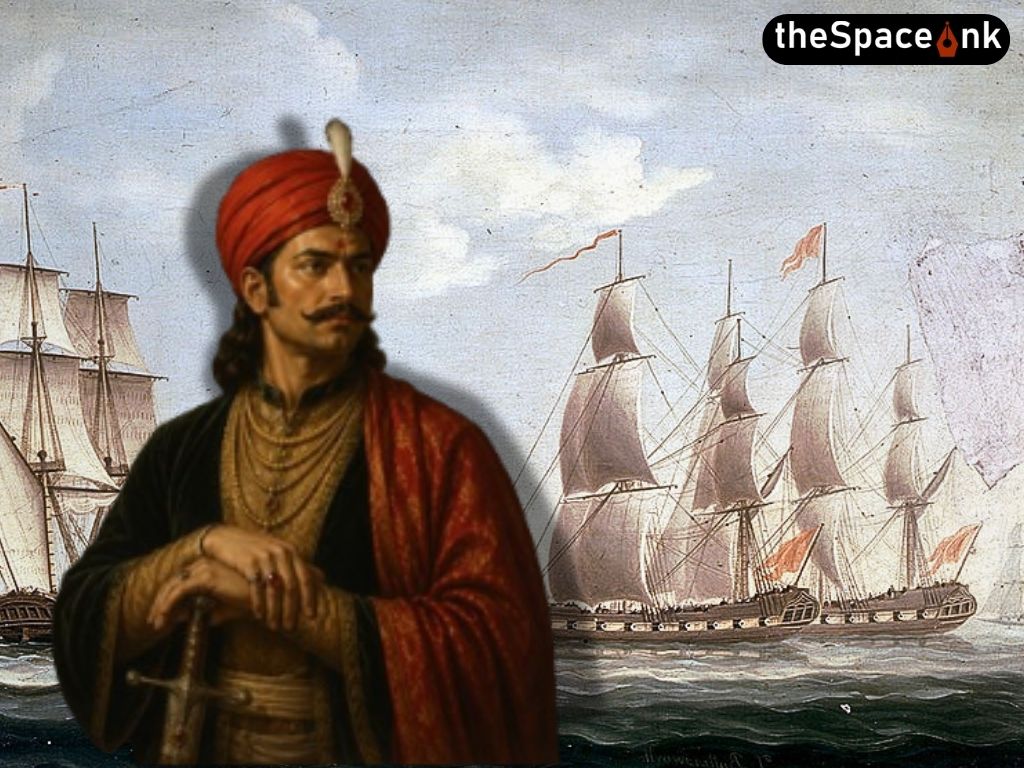
Pratapaditya was a real ruler of southern riverine Bengal. Based in Jessore, he belonged to the powerful regional landholders known as the Baro Bhuiyans, or Twelve Chieftains, a group of Muslim and Hindu chiefs who resisted the Mughal Empire’s eastward expansion around the turn of the seventeenth century. They enjoyed considerable autonomy, commanded their own armies, maintained strong fleets of swift boats, and were nominally led by the Afghan warlord Isa Khan of Sonargaon. His downfall was not mythic tragedy but a calculated act of imperial consolidation under Emperor Jahangir. Yet in Bengali memory, Pratapaditya became far larger and far more heroic than the ruler recorded in Mughal chronicles.
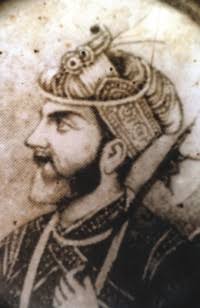
When Pratapaditya rose to prominence, Bengal was in violent transition. The Mughal victory at Rajmahal in 1576 ended the Bengal Sultanate under Daud Karrani and formally absorbed the region into the empire, but conquest on paper did not mean control on the ground. Power remained fragmented, and regional lords kept formidable private armies. Pratapaditya’s authority rested in southern Bengal’s riverine delta, where estuaries, tidal forests, and marshlands gave him a strategic advantage over land-based imperial forces. Using this terrain, he built a powerful navy and became a dominant force in the delta.
Also Read: Bengal Sketches [1],[2],[3],[4],[5],[6],[7],[8],[9],[10],[11],[12],[13],[14]
Pratapaditya’s relationship with Delhi was not one of uninterrupted heroic rebellion. After Islam Khan became Mughal governor of Bengal in 1609, Pratapaditya chose diplomacy, accepting imperial authority and promising military support to preserve local autonomy. But the compromise collapsed as Islam Khan moved to dismantle regional power across the delta. When Pratapaditya failed to provide the promised forces, the empire attacked Jessore. In 1611–1612, Mughal forces defeated his fleet at Salka, advanced on his capital, and forced his submission. Taken into custody with his sons, Pratapaditya disappeared into captivity, and Jessore was annexed into the Mughal empire.
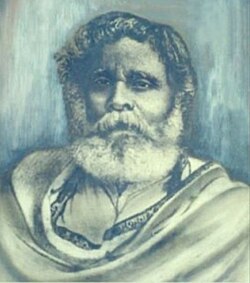
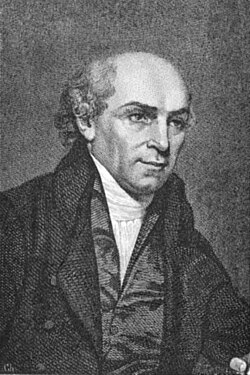
The historical outline is simple: an ambitious delta lord built a powerful regional base, confronted an expanding empire, and lost. But his story did not end there. Two centuries later, in July 1801, Bengali scholar Ramram Basu published Raja Pratapaditya Charitra. Attached to Fort William College’s Bengali department in Calcutta, founded in 1800 by Governor-General Richard Wellesley to train East India Company officials in local languages, Basu produced a landmark text. Printed at the Serampore Mission Press under the guidance of William Carey, it is widely recognized as the first original full-length Bengali prose book by a Bengali author. Basu’s subject was ideal: Pratapaditya’s life offered intrigue, ambition, war, and dramatic defeat.
Basu’s account, however, is not a modern academic biography. Drawing on Persian chronicles, oral traditions, and family genealogies, he fused history with legend, romance, and myth. Later scholars have shown that he built on a real historical framework but filled it with popular memory, openly relying on family lore and regional tradition. In his hands, the historical king became literary myth.
A ruler does not remain alive in public memory through state archives alone; he survives because subsequent generations find new ways to retell his story. By converting a seventeenth-century political figure into a nineteenth-century literary character, Ramram Basu established a template for how Bengalis would engage with their own past. This trajectory deepened as Bengali literature evolved.
In modern retellings, Pratapaditya is neither history nor fairy tale, but four centuries of memory reborn: delta lord, fallen hero, literary myth, regional icon, and finally the keeper of a Sundarbans treasure. The gold may be legend; the true treasure is the memory that carried his name from a lost kingdom to folklore, print, and screen.
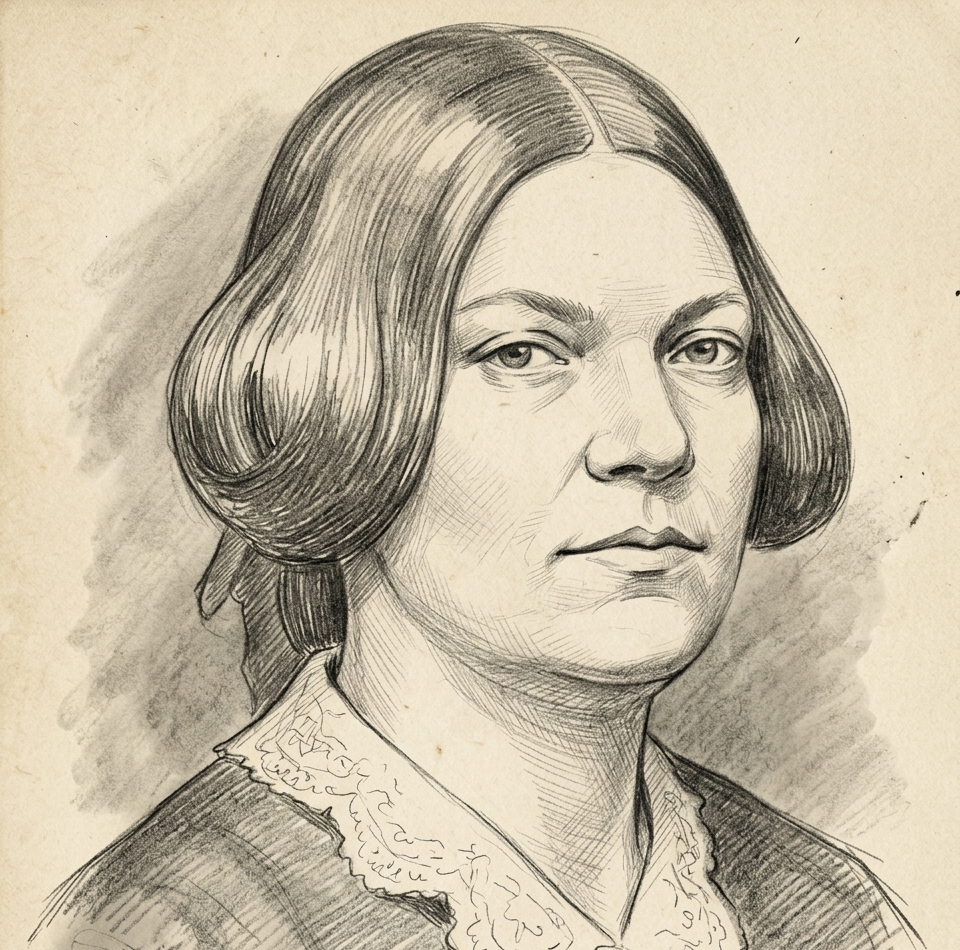
While Basu’s prose paved the way, the mid-nineteenth century brought the emergence of the modern Bengali novel. Works like Hannah Catherine Mullens’s Phulmani O Karunar Bibaran (1852), Peary Chand Mitra’s Alaler Gharer Dulal (1857), and ultimately Bankim Chandra Chattopadhyay’s Durgeshnandini (1865) established the historical-romantic novel as a dominant cultural genre. Bankim and his contemporaries realized that medieval Bengal offered a rich landscape for literary imagination; forts, political rivalries, betrayed lords, and lost kingdoms became the raw material for modern romantic nationalism.
By the twenty-first century, this literary impulse found a new outlet in popular cinema. Yet, when modern stories like Saptadingar Guptodhon invoke Pratapaditya, they shift the focus from political resistance to legendary wealth. The film does not attempt a faithful historical reconstruction of Jessore’s collapse. Instead, it uses the legend of a hidden royal fortune as the catalyst for an adventure in the Sundarbans. Historical records confirm that Pratapaditya possessed vast resources, but they contain no evidence of a fabulous, hidden treasure chest buried in the mangroves.
Also Read: Bengal Sketches [15],[16],[17],[18],[19],[20],[21],[22],[23],[24],[25],[26],[27],[28]
That treasure belongs to folklore, which follows its own logic: vanished states invite buried fortunes, defeated lords suggest hidden legacies, and the Sundarbans offers the perfect maze for centuries-old secrets. Cinema deepens this blend by weaving Pratapaditya’s history with Manasamangal motifs: Chand Sadagar, Manasa, Behula, and Lakhindar; fusing myth and memory into one Bengali imaginative world.
In modern retellings, Pratapaditya is neither history nor fairy tale, but four centuries of memory reborn: delta lord, fallen hero, literary myth, regional icon, and finally the keeper of a Sundarbans treasure. The gold may be legend; the true treasure is the memory that carried his name from a lost kingdom to folklore, print, and screen.
Images: Wikipedia, Wikipedia, Wikipedia, Wikipedia, AI

Dr. Jamil is a passionate oncology commercial leader whose two-decade journey has been driven by a deep commitment to improving the lives of people with cancer. As Head of the Early Commercial Team at Merck Oncology and an Adjunct Professor at Columbia Business School, he shapes innovative pipelines while mentoring and inspiring future healthcare leaders. Beyond work, he is a soulful armchair historian of Bengal, a devoted Manchester City fan, and someone whose heart is forever tied to the culture, stories, and spirit of Kolkata.