


From Çay Keyfi to Colonies: A Very Serious History of Not-So-Serious Tea
My morning ritual begins in the backyard of NJ suburbia, listening to birdsong with a steaming mug of Darjeeling tea sourced from Park Tea House in Kolkata. I have fully embraced Çay Keyfi, the art of doing absolutely nothing, without apology. Just me, my tea, and a quiet refusal to start the day before it has properly arrived.

Speaking of tea, it is not merely a beverage; it is the beverage. Around five billion cups are consumed worldwide each day, making tea second only to water, because hydration still matters. Every true tea comes from the same plant, Camellia sinensis, the Meryl Streep of botanicals, endlessly adaptable depending on how its leaves are processed. Oxidation determines whether a tea stays bright and green or turns dark and brooding, proving the drama is not in the plant but in the leaves. Beyond flavor, tea supports heart health, digestion, immunity, and even metabolism, doing everything except filing your taxes.

The East India Company (EIC) began in 1600 as a modest startup chasing Asian trade dominated by the Dutch. With persistence and far too many cannons, it rose to the top by 1700, helped by tea, Britain’s gateway drug to global domination. Tea reached Europe in the early 17th century, but Britons were slow to embrace boiled leaves until Catherine of Braganza, Portugal’s tea-loving princess, married Charles II in 1662 and became history’s first tea influencer. She drank tea for pleasure, not medicine, and the aristocracy quickly followed. Soon, tea parties were the TikTok dances of the 17th century.

The EIC smelled profit in the kettle and flooded Britain with tea until the island seemed to run on tannins and empire. By 1757, twelve million pounds arrived each year, filling parlors, countinghouses, and government ledgers with taxable delight. But every fragrant cup had a bitter aftertaste. After Plassey, the EIC seized Bengal, drained its wealth, and helped turn the “Paradise of Nations” into Paradise Lost while famine stalked the land.
India, unsurprisingly, did not raise a grateful cup. In 1773, the faltering EIC pushed the Tea Act to dump British tea on the American colonies while keeping the taxman seated. Boston replied by tossing chests into the harbor, brewing rebellion and helping ignite the American War of Independence. Bostonians still re-enact the splash, proving wasted tea becomes acceptable when called heritage. Then came the Opium Wars, when Britain fought China to keep selling opium so it could keep buying tea. Britain was not merely fond of tea; it was hopelessly, expensively, geopolitically addicted.

To break China’s tea monopoly, the British East India Company began cultivating tea in the Himalayan foothills in the early 19th century. In 1841, Dr. Arthur Campbell planted Chinese Camellia sinensis seeds in Darjeeling, where the cool, misty slopes proved ideal. After Scottish botanist Robert Fortune smuggled tea plants and seeds from China, the British rapidly expanded commercial estates in the 1850s for European luxury markets.

Darjeeling’s high-altitude terroir, aided by insect bites that trigger terpene release, gave summer harvests their sweet “muscatel” flavor. Today, Darjeeling remains the protected “Champagne of Teas,” covered by India’s first Geographical Indication across 87 recognized gardens in Darjeeling and Kalimpong.

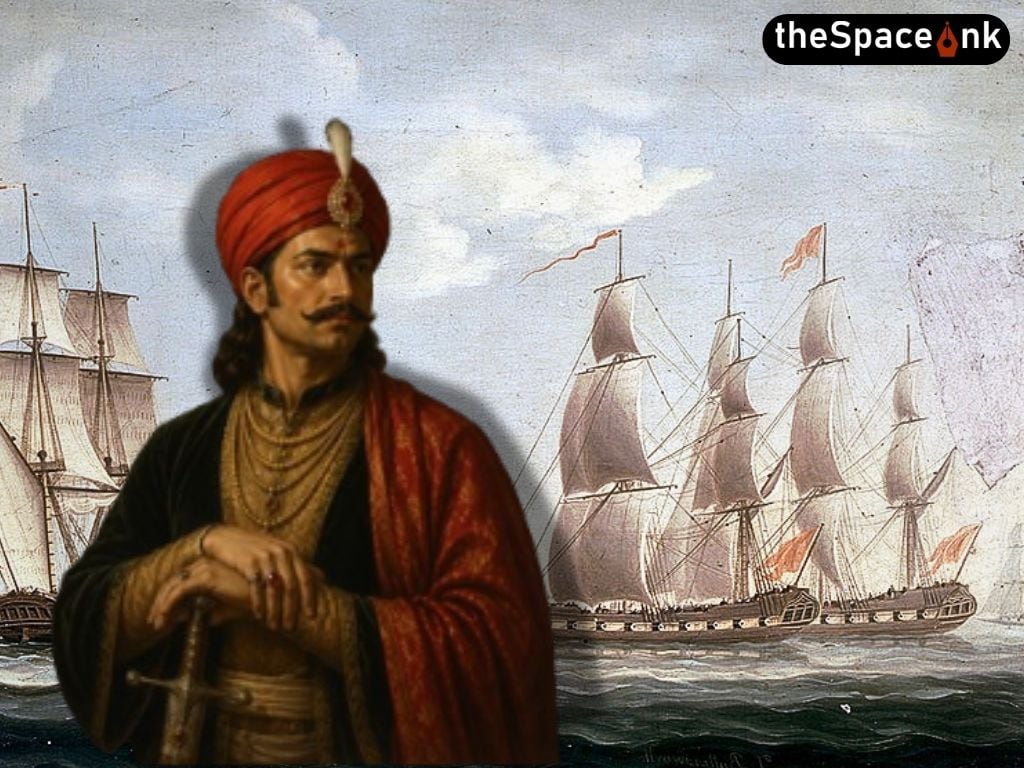
Britain did not just mess with China over tea. In 1864, they went to war with Bhutan over some prime tea estate real estate. The Bhutanese Black Regent, Jigme Namgyal, was not having it and managed to give the Brits a run for their money. The war ended in a draw: Bhutan kept its sovereignty, lost some territory, and got a rent check of 50,000 rupees a year, which, let us be honest, felt like pocket change to the EIC.
Also Read: Bengal Sketches [1],[2],[3],[4],[5],[6],[7],[8],[9],[10],[11]
In the early 20th century, the British-owned Indian Tea Association faced an unexpected problem in Kolkata: locals wanted nothing to do with tea, dismissing it as British poison, improper food, or even a cause of darker skin, while some early experimenters tried cooking the leaves like spinach. Public skepticism was reinforced by figures such as Acharya Prafulla Chandra Ray, the renowned Bengali chemist who published cartoons denouncing tea as literal “poison,” and Mahatma Gandhi, who warned against tannin.

The British responded with teapot-shaped propaganda vans and railway billboards teaching people how to brew it, but tea only truly caught on when local vendors abandoned delicate European rituals, boiled the leaves with heavy milk, sugar, and spices, and created the strong Kolkata kadak chai that still powers the city today.
Also Read: Bengal Sketches [12],[13],[14],[15],[16],[17],[18],[19],[20],[21],[22]
In Bengal, tea (cha) is far more than a beverage, it is a cultural anchor, a social equalizer, and a major economic powerhouse. Served in traditional terracotta cups (bhar) at local street stalls, tea fuels adda, the iconic Bengali tradition of lively debate and informal conversation on everything from politics to poetry. Beyond its deep role in daily hospitality and social identity across West Bengal and Bangladesh, tea is a vital economic engine; regions like Darjeeling produce world-renowned specialty teas, while the Dooars and Sylhet supply the robust CTC (crush, tear and curl) brews that drive domestic trade and employ millions.

If you thought tea flavor came from simple oxidation, think again. Scientists recently discovered that fermentation, thanks to tiny microbes, plays a key role in black tea’s signature taste. When researchers sterilized tea leaves (a fancy way of saying “bleached the life out of them”), the flavor flatlined. Now, the race is on to figure out which microbes are the secret sauce for tea snobs everywhere.

Last year, our family visited Glenburn Tea Estate, a Darjeeling estate founded in 1859 by Scottish tea enthusiasts and now run by the Prakash family. Spanning 750 hectares at 1,000 to 3,000 feet, it produces the famed “Champagne of Teas” from March to November, with views of Mount Kanchenjunga, rivers, forests, and rich biodiversity. The estate experience, inspired by European vineyard tours, lets visitors see tea production, taste tea, and shop for local crafts and produce. We found the visit both educational and inspiring, giving us a clearer sense of how tea leaves become a cup of tea.
From empires to revolutions, tea has always been more than a drink: it is a cultural icon, a quiet health ritual, and a surprisingly persistent historical troublemaker. So, the next time you sip Earl Grey or better yet, Darjeeling, remember you are tasting centuries of drama in a cup. Cheers to that!
Images: Wikipedia, Wikimedia Commons, Facebook, Facebook, Glenburn Tea Estate, Oaklores, Picryl, Wikimedia Commons, AI

Dr. Jamil is a passionate oncology commercial leader whose two-decade journey has been driven by a deep commitment to improving the lives of people with cancer. As Head of the Early Commercial Team at Merck Oncology and an Adjunct Professor at Columbia Business School, he shapes innovative pipelines while mentoring and inspiring future healthcare leaders. Beyond work, he is a soulful armchair historian of Bengal, a devoted Manchester City fan, and someone whose heart is forever tied to the culture, stories, and spirit of Kolkata.


2 Responses
What a soul soothing writeup.
I almost felt teleported to the Darjeeling tea estates, and reading it over a cup of the delicate brew.
This article holds special meaning to me. I was born in the tea growing area, in the foothills of the Himalayas and my great grandfather was the first Indian tea planter. His gardens were in the Dooars region though.