Bargis and the Cosmic Invoice for Unpaid Chauth
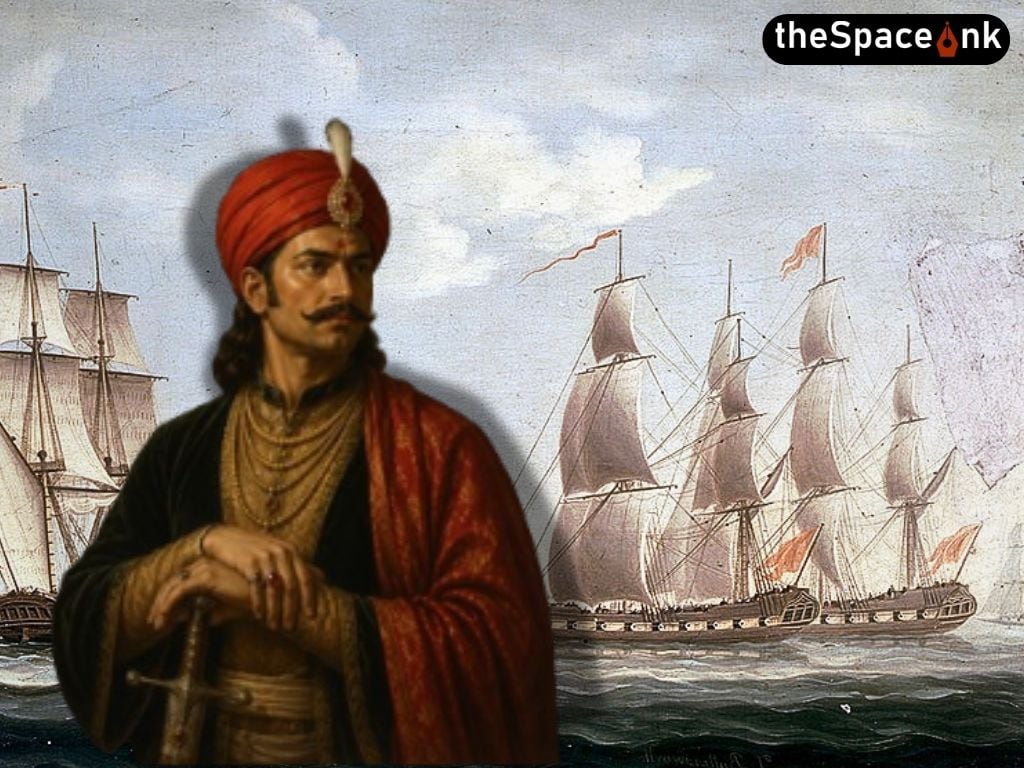
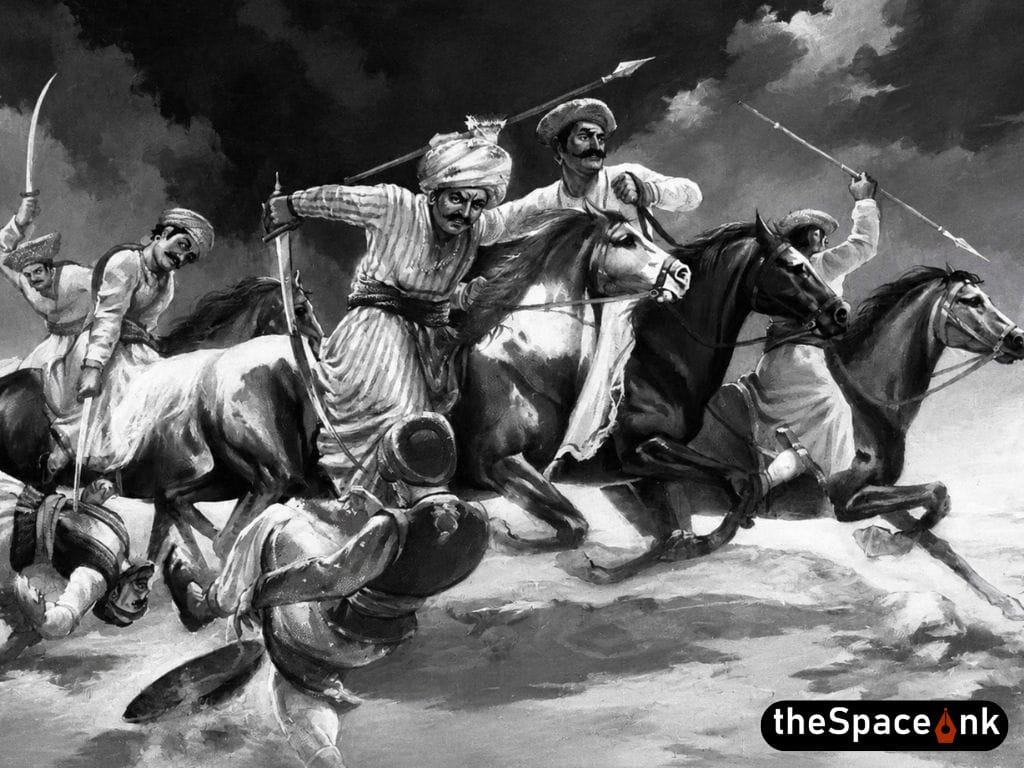
The Bargis did not merely invade Bengal. They entered its folklore, its nightmares, and eventually its lullabies. From 1741 to 1751, Raghuji Bhonsle of Nagpur led Maratha light cavalry raids into Bengal, marking a traumatic period in eighteenth-century eastern India. Under Chhatrapati Shahu, Shivaji’s grandson, the Bargis demanded Chauth, a quarter-tax claimed by the Marathas as tribute. What Bengal remembered, however, was not fiscal negotiation but fire, flight, and famine.
Gangaram Dev Chowdhury’s Maharashtra Purana, written in 1751–52 amid the aftermath of the raids, powerfully conveys the era’s emotional and moral devastation. More than history, the poem channels grief into narrative and reflects political theology as the author witness’s societal collapse. Gangaram writes as though Bengal itself has become morally diseased.
Villages burn not merely because armies arrive, but because cosmic order has failed. In his saying, Bargis are at first instruments of divine punishment, dispatched by Goddess Durga herself to chastise a corrupt land and an illegitimate ruler. Nawab Alivardi Khan, Gangaram insists, brought catastrophe upon Bengal by seizing power unlawfully, withholding the Marathas’ chauth, and violating the ethical obligations that sustained Mughal sovereignty.
Also Read: Bengal Sketches [1],[2],[3],[4],[5]
The poem returns to the invasion’s origins from layered viewpoints, as if a single voice cannot contain the trauma. In heaven, the gods debate Bengal’s decay and sanction its ruin. On earth, Shahu Raja presses for overdue tribute through imperial channels. In Delhi, the Mughal emperor, angered by Alivardi Khan’s revolt against Sarfaraz Khan, authorizes an invasion and turns resentment into policy. Cosmic judgment and bureaucratic paperwork advance in tandem.
Gangaram himself understood these tensions intimately. Probably employed as a naib under a Muslim zamindar in Mymensingh, he was not a detached poet, but someone embedded within the machinery of provincial administration. His poem reflects the anxieties of a bureaucratic world collapsing under fiscal warfare, political fragmentation, and mass violence.
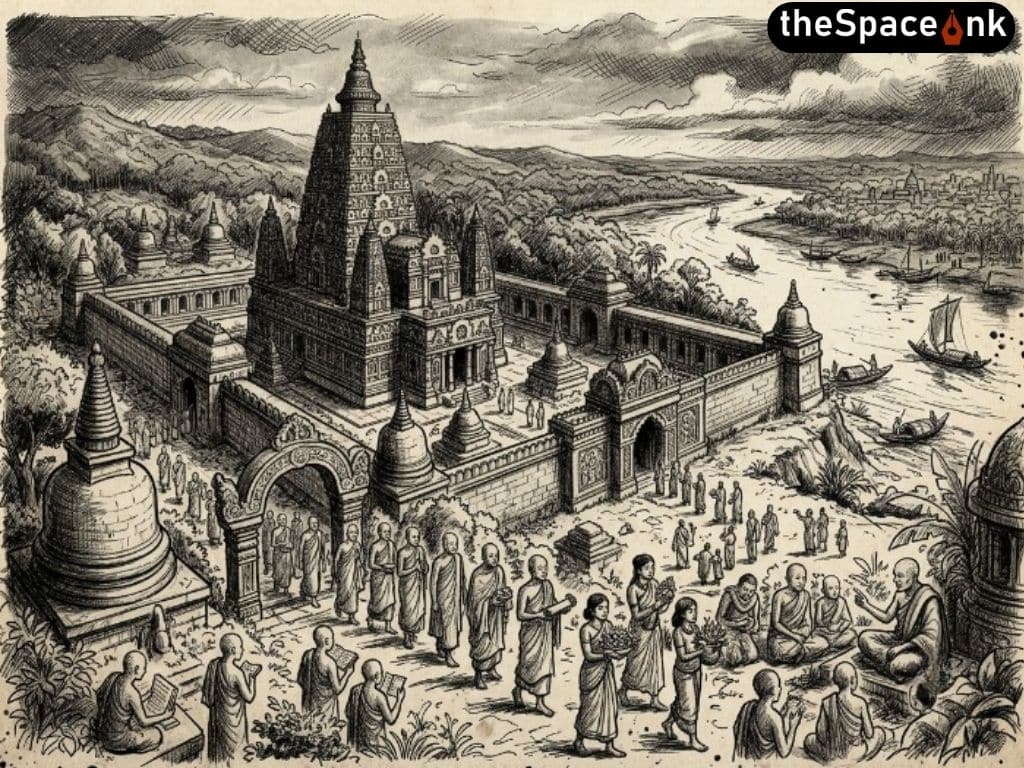
Then Bargis arrived. Gangaram’s Bengal becomes a landscape of terror. Villages empty overnight. Temples are desecrated. Granaries are stripped bare. Women flee with infants tied to their backs. Scholars, merchants, and craftsmen abandon entire towns carrying whatever tools and manuscripts they can salvage. The social order dissolves in panic. Gangaram’s descriptions are unforgettable precisely because they linger on ordinary humiliation. Respectable women who had never stepped into public life stumble barefoot through roads with bundles balanced on their heads. Goldsmiths flee carrying hammers instead of wealth. Brahmins scatter beside peasants. Rank collapses before survival.
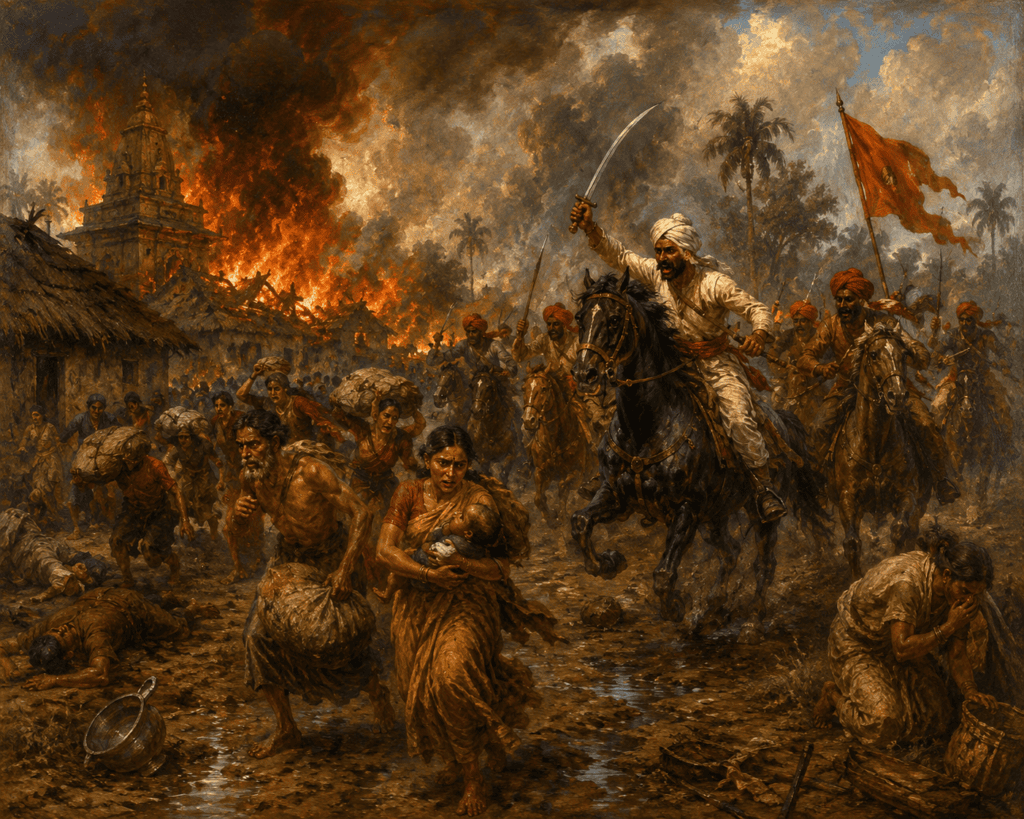
Gangaram goes further. His Bargis mutilate civilians, cut off noses and hands, torture villagers for hidden treasure, drown victims, and commit widespread sexual violence. They move through Bengal less like soldiers than like a curse made flesh. Yet one of the most fascinating aspects of the Maharashtra Purana is that Gangaram refuses to let morality remain stable. Bargis begins as a divine instrument but eventually loses Durga’s favor. Once that sanction disappears, their violence ceases to be righteous punishment and becomes simple predation. The same men once framed as executors of cosmic justice are stripped naked as marauders. That shift matters enormously.
In the 1770s, John Zephaniah Holwell, writing from the perspective of the English East India Company, described catastrophic economic consequences. Bengal’s famed silk industry deteriorated as mulberry plantations were destroyed and weavers abandoned the aurangs, the manufacturing centers that had once made Bengali textiles globally prized. Trade routes collapsed. Grain shortages intensified. Labor costs exploded. Inland commerce nearly froze.
Unlike older Mangalkabya literature, where heroes and villains occupy predictable moral positions, Gangaram’s world is unstable and morally exhausted. Legitimacy is conditional. Sovereignty depends on ethical conduct, not birth or conquest alone. Divine favor can be revoked at any moment. Underneath the bloodshed lies a deep political argument. Gangaram’s poem defends a Mughal imperial order rooted in hierarchy, loyalty, tribute, and reciprocal obligation.
Political collapse emerges not from foreign invasion alone, but from the breakdown of moral governance. Bengal suffers because rulers violated the sacred contract that held empire together. The poem’s climax reflects this logic. Alivardi Khan’s eventual triumph over the Bargi commander Bhaskar Ram Kolhatkar restores peace only after divine approval returns. Military victory alone is insufficient. Order must become morally legitimate again.
Also Read: Bengal Sketches ,[6],[7],[8],[9],[10]
Gangaram himself understood these tensions intimately. Probably employed as a naib under a Muslim zamindar in Mymensingh, he was not a detached poet, but someone embedded within the machinery of provincial administration. His poem reflects the anxieties of a bureaucratic world collapsing under fiscal warfare, political fragmentation, and mass violence.
Contemporary accounts echo the same horror. Baneshwar Vidyalankar, the Bardhaman court pandit who wrote Chitra Champu in 1744, described the Bargis as men “without pity,” killers of pregnant women, infants, Brahmins, and the poor alike. To him, they embodied the collapse of civilized restraint itself. At the request of the Governor of Bengal, Munshi Salimullah, in his 1763 work Tarikh-i-Bangala, observed that “all the rich and respectable people abandoned their homes and migrated east of the Ganges in order to save the honor of their women.” Bengal became a refugee landscape.
The then Chief of the Dutch East India Company, Jan Kersseboom, offered the coldest summary of all: 400,000 people in Bengal and Bihar perished during the invasions, including merchants, silk dealers, and weavers. Behind every statistic lay a burned village and an emptied marketplace.
In the 1770s, John Zephaniah Holwell, writing from the perspective of the English East India Company, described catastrophic economic consequences. Bengal’s famed silk industry deteriorated as mulberry plantations were destroyed and weavers abandoned the aurangs, the manufacturing centers that had once made Bengali textiles globally prized. Trade routes collapsed. Grain shortages intensified. Labor costs exploded. Inland commerce nearly froze.
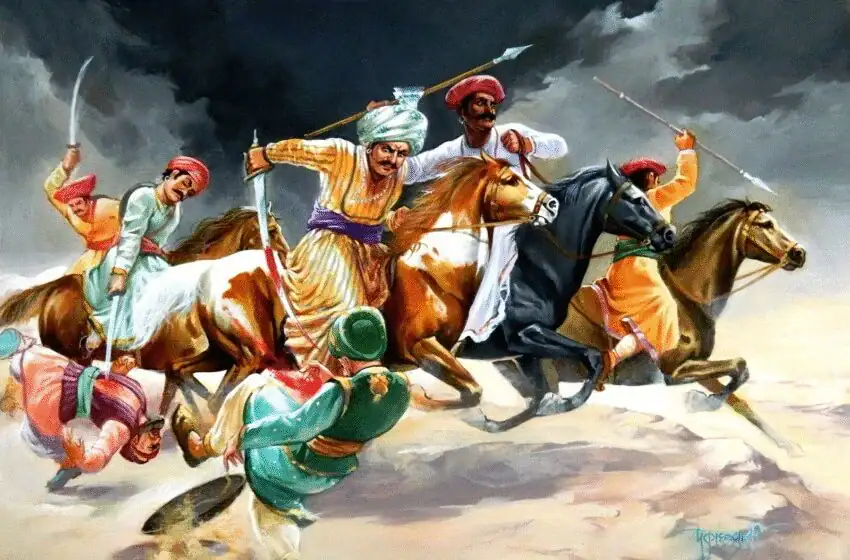
Nawabi chroniclers like Ghulam Husain Salim in his 1788 opus Riyazu-us-Salatin (A History of Bengal) portrayed the raids as catastrophic breakdowns of political order. He emphasized treachery and economic chaos, folding the trauma into imperial arguments about governance. Maratha Bakhars and records, by contrast, often framed the invasions as routine revenue collection (Chauth), a perfectly legitimate extraction of unpaid tribute rather than conquest or religious war.
Eventually, exhaustion prevailed over resistance. The raids ended only after Alivardi Khan had a rare victory in the Battle of Katwa in 1744 and agreed to pay annual chauth and ceded Odisha to the Marathas. Bengal bought peace through tribute. But peasants remembered Bargis differently from courts, historians, or imperial chroniclers. Elite writers argued about legitimacy, sovereignty, and divine punishment. Villagers sang about hunger. Out of the raids emerged one of Bengal’s most haunting folk rhymes:
“Khoka ghumalo, para juralo, Borgi elo deshe,
Bulbulite dhan kheyeche, khajna debo kishe?
Dhan phurolo, pan phurolo, khajnar upay ki?
Ar kota din sobur koro, roshun bunechi.”
The baby sleeps, the neighborhood is quiet, for the Borgis have entered our land,
The Bulbul birds have eaten the grain; how shall I pay the tax?
The rice is finished, the betel leaf is gone, what is the way to pay the tax?
Just wait a few more days, I have planted the garlic.
The rhyme endures because it conveys the harsh reality of surviving ongoing ruin, where even humor is depleted, crops have failed, taxes remain, and history offers no relief. This creates a powerful eighteenth-century Bengali poem blending apocalypse, political critique, and lament for lost order.
Images: AI, Wikimedia Commons, Wikimedia Commons, Facebook,

Dr. Jamil is a passionate oncology commercial leader whose two-decade journey has been driven by a deep commitment to improving the lives of people with cancer. As Head of the Early Commercial Team at Merck Oncology and an Adjunct Professor at Columbia Business School, he shapes innovative pipelines while mentoring and inspiring future healthcare leaders. Beyond work, he is a soulful armchair historian of Bengal, a devoted Manchester City fan, and someone whose heart is forever tied to the culture, stories, and spirit of Kolkata.