Each autumn, the goddess returns to our hearts, reminding me that home travels with us and rises again whenever the dhaak calls.
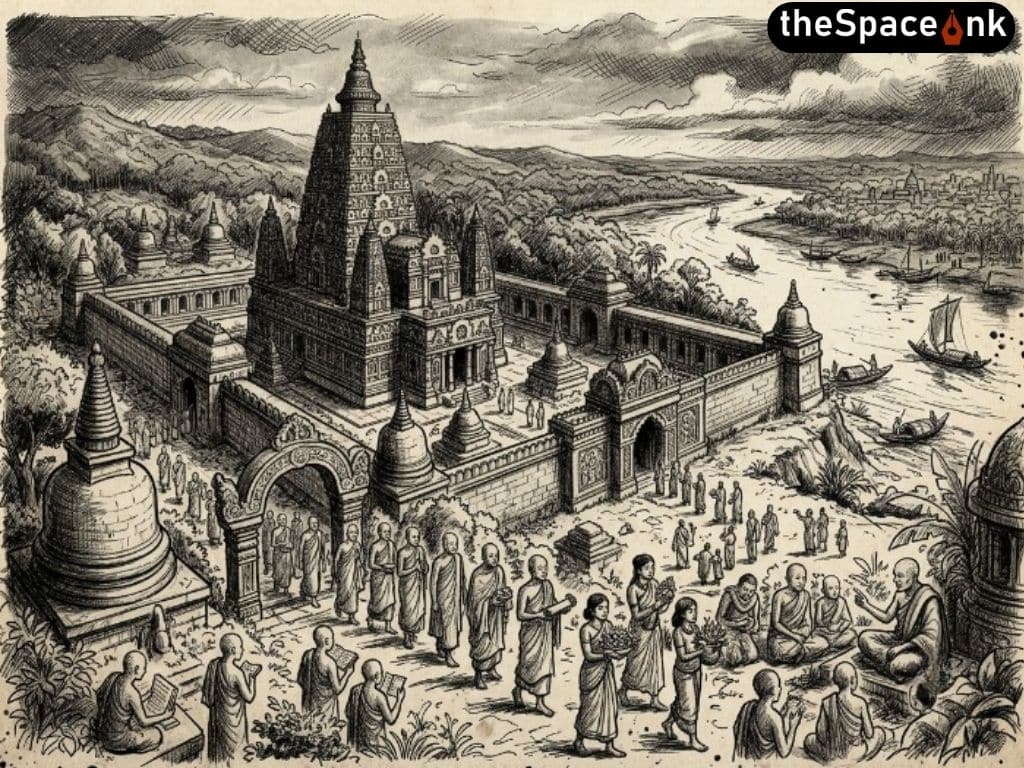
Around 750 CE, a few powerful men raised Gopala from chaos; today, millions enter the polling booth to decide who will govern.
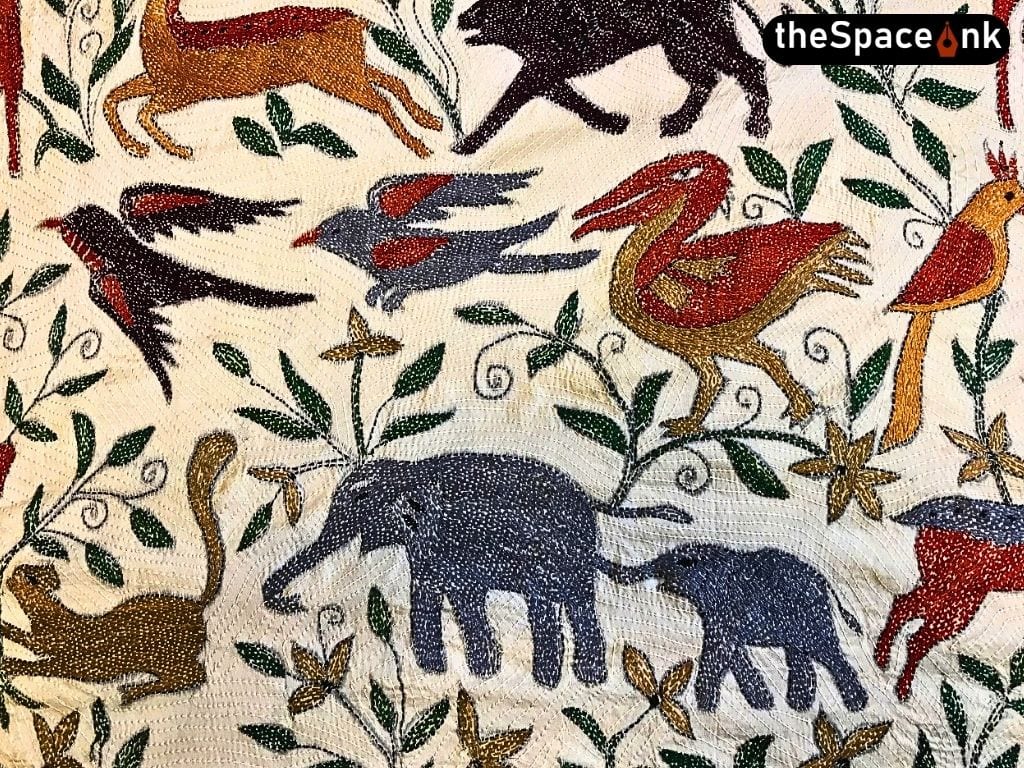
Rural women in Bengal, layered old cotton clothes together, binding them with simple running stitches to create warm wraps and blankets called lep kantha.
Barti Bill is not merely a wetland. It is a living fragment of Bengal, carrying within it the quiet rhythms of life.
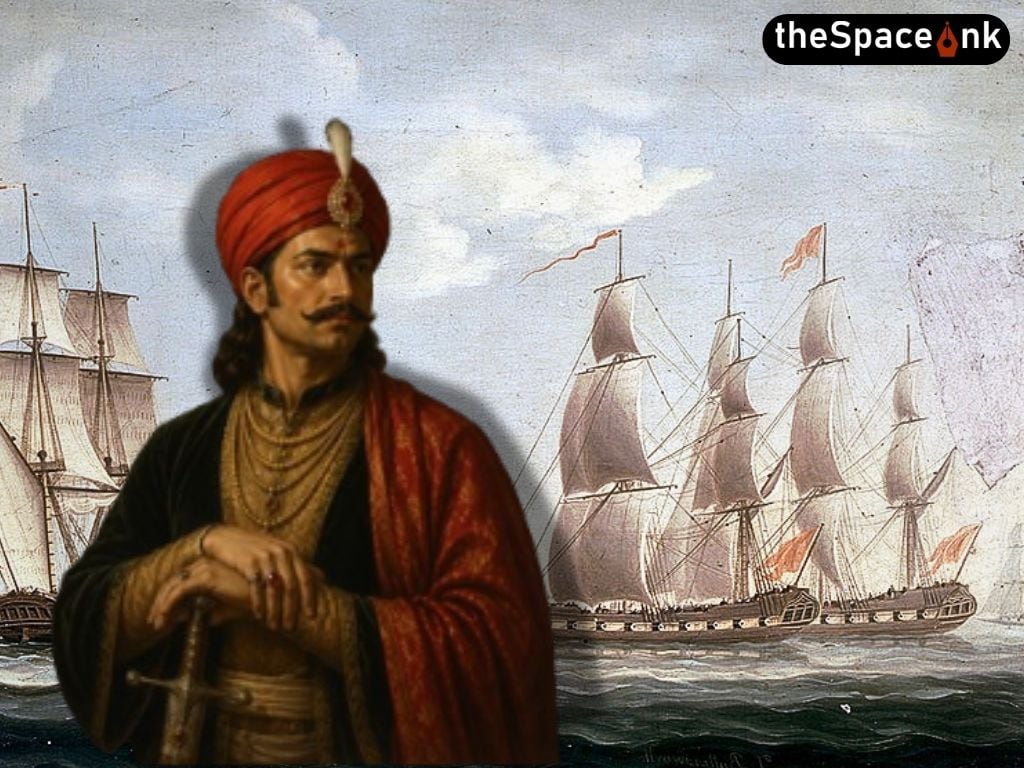
In modern retellings, Pratapaditya is neither history nor fairy tale, but four centuries of memory reborn: delta lord, fallen hero, literary myth, regional icon.
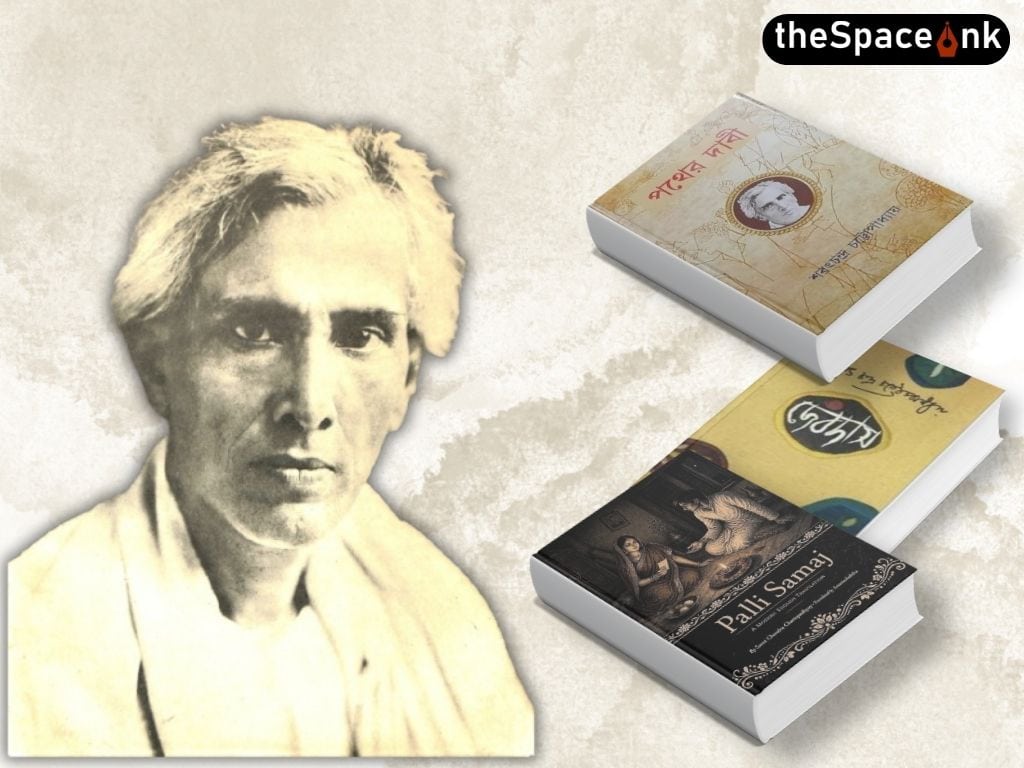
He taught generations to feel for those societies ignored; his blind spots show how difficult that task remains.
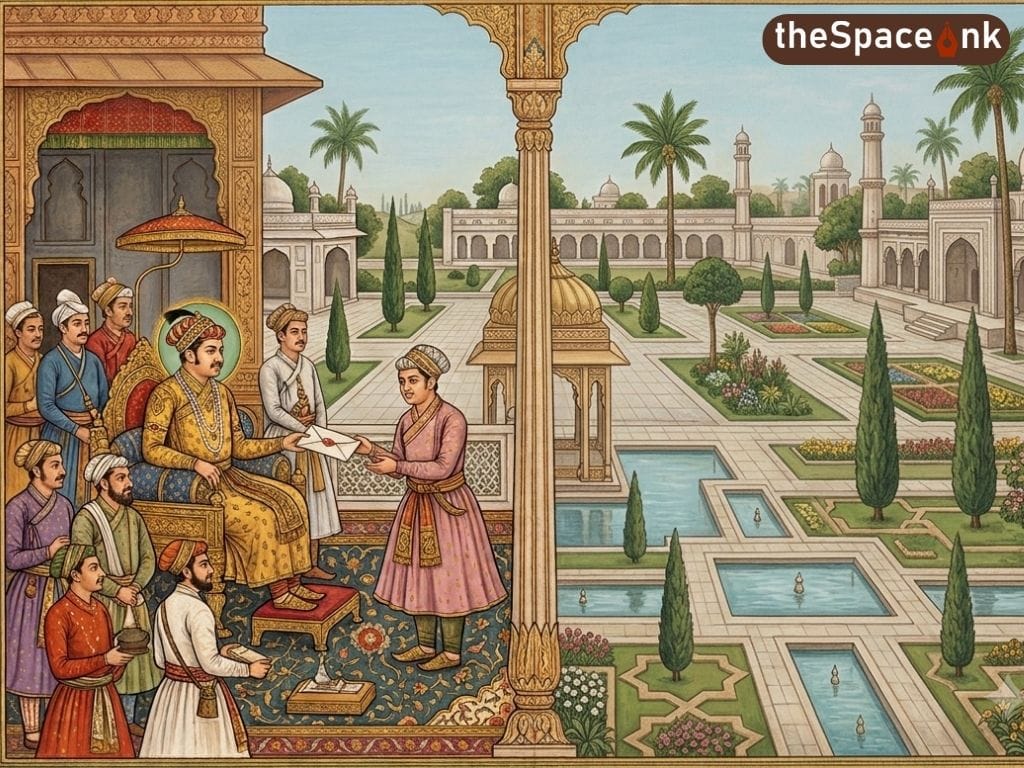
Together, they show Indians not as passive subjects of European history, but as travelers, observers, writers, negotiators and judges of their age.
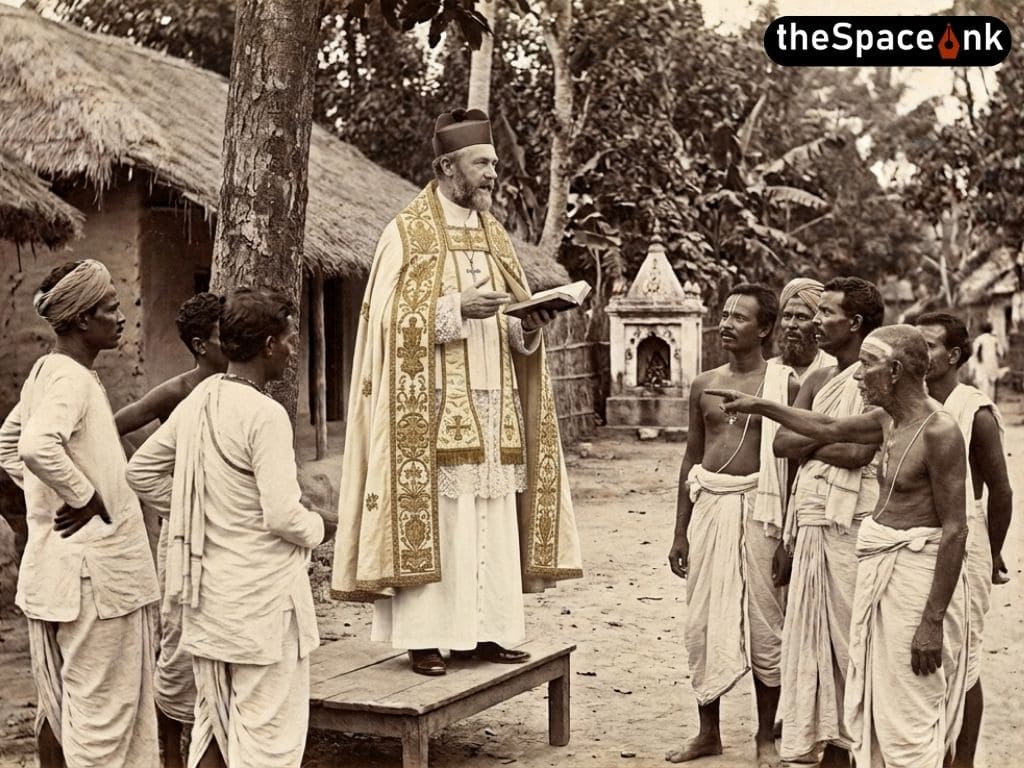
Driven by both humanitarian concern and imperial paternalism, officials pursued major social reforms, some addressing practices that Indians themselves increasingly questioned.
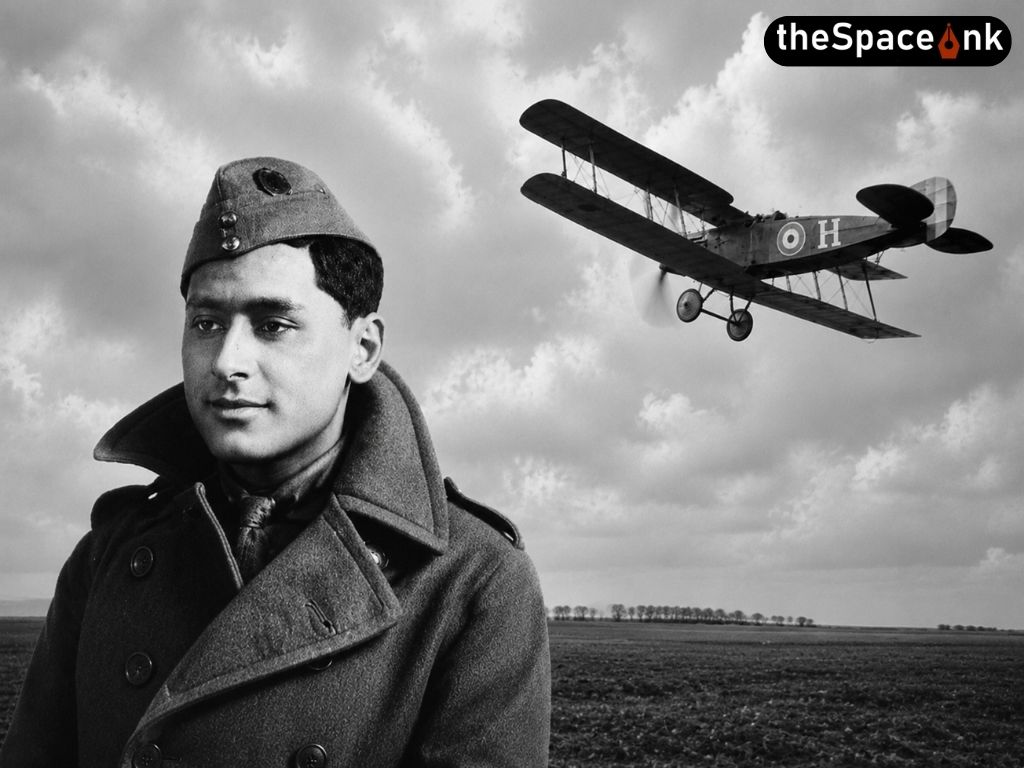
His record was extraordinary: ten enemy aircraft in thirteen days, achieved at nineteen in one of the first World War’s deadliest arenas.
Partition divided not only a country, but homes, neighborhoods, economies, friendships, memories, property, politics, and belonging.
Tea is more than a drink. Its journey spans culture, commerce, colonialism, revolution, science, and centuries of fascinating historical drama.
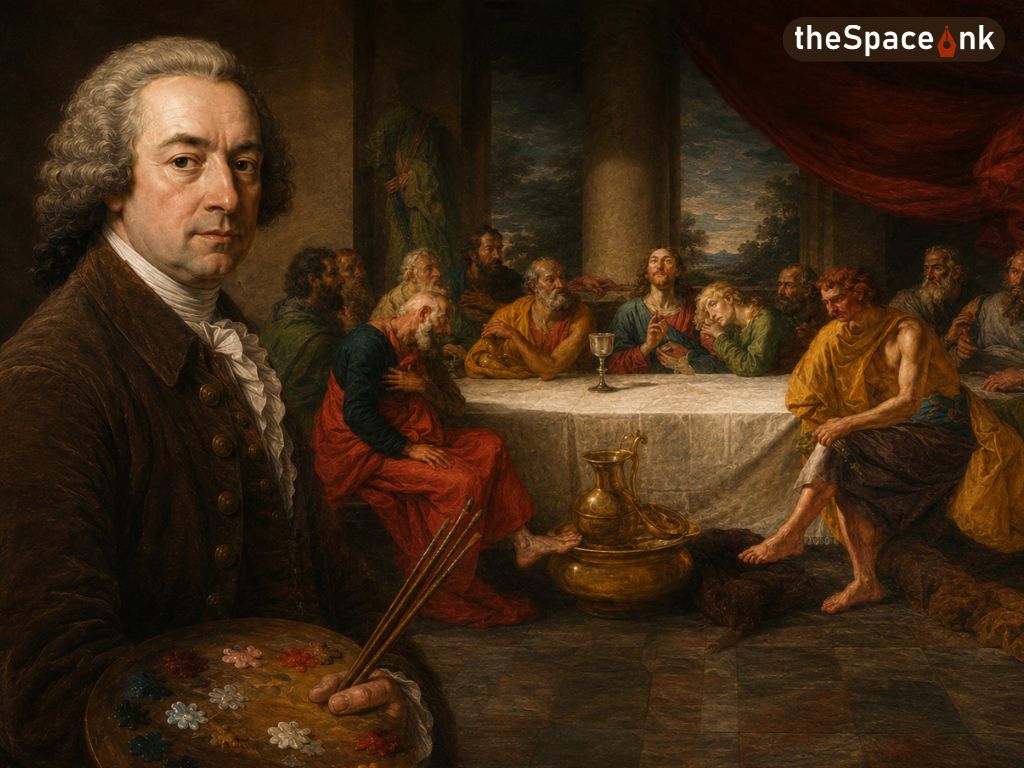
Wishing, at least officially, to leave a humble gift, he offered the church a monumental 10-by-12-foot painting of The Last Supper, free of charge.
Tagore struggled to sustain Visva Bharati, traveling worldwide to lecture, perform, and raise funds, even risking ruin rather than compromising his dream.
To speak of the Kohitur is to reach back into an era that refuses to align with our fast-paced present.
Rajbalhat's Rath Yatra is a living expression of Bengal's rural heritage, where faith is preserved through music, tradition and human connection.
An exploration of how Bengal's monsoon inspired centuries of poetry, where rain became the enduring language of longing, memory, love, and devotion.