Sheikh I’tisam ud Din: India’s “First Ambassador” to Britain
More than 250 years ago, long before Tilda Swinton’s name belonged to cinema, her four-times-great-grandfather, Captain Archibald Swinton, a Persian- and Hindustani-speaking Scot, set out from India to England. Together with the Mughal emperor’s first ambassador to the British court, they embarked on a diplomatic mission that became far more enduring.
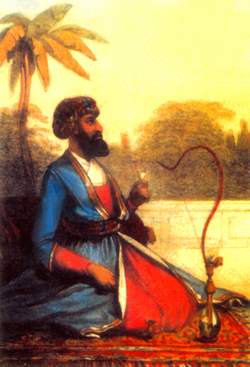
Sheikh I’tisam ud Din, the trusted ambassador, was born in early eighteenth-century Panchnur, near Chakdaha in Bengal’s Nadia district. From an educated, aristocratic Bengali Muslim family, he emerged from the refined Indo-Persian world where language, learning and government were linked. Skilled in Persian, Arabic and Hindustani, he trained as a munshi in literature, official correspondence, courtly manners, diplomacy and administration. After studying under Munshi Salimullah and Mirza Muhammad Qasim, he entered Mir Jafar’s service in Murshidabad, Bengal’s Nawabi capital, an apt place for an ambitious scholar in a region already undergoing rapid change.
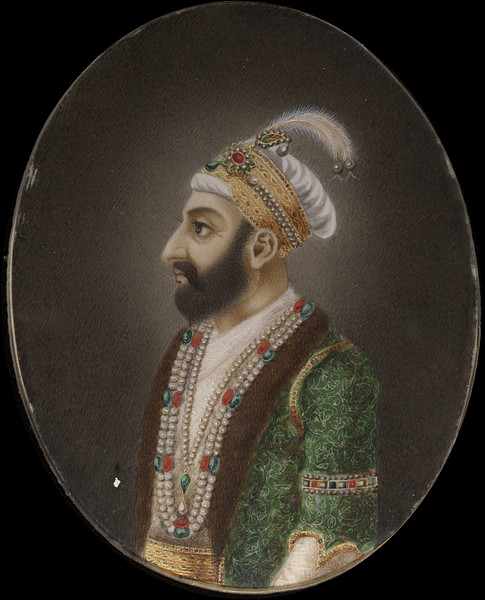
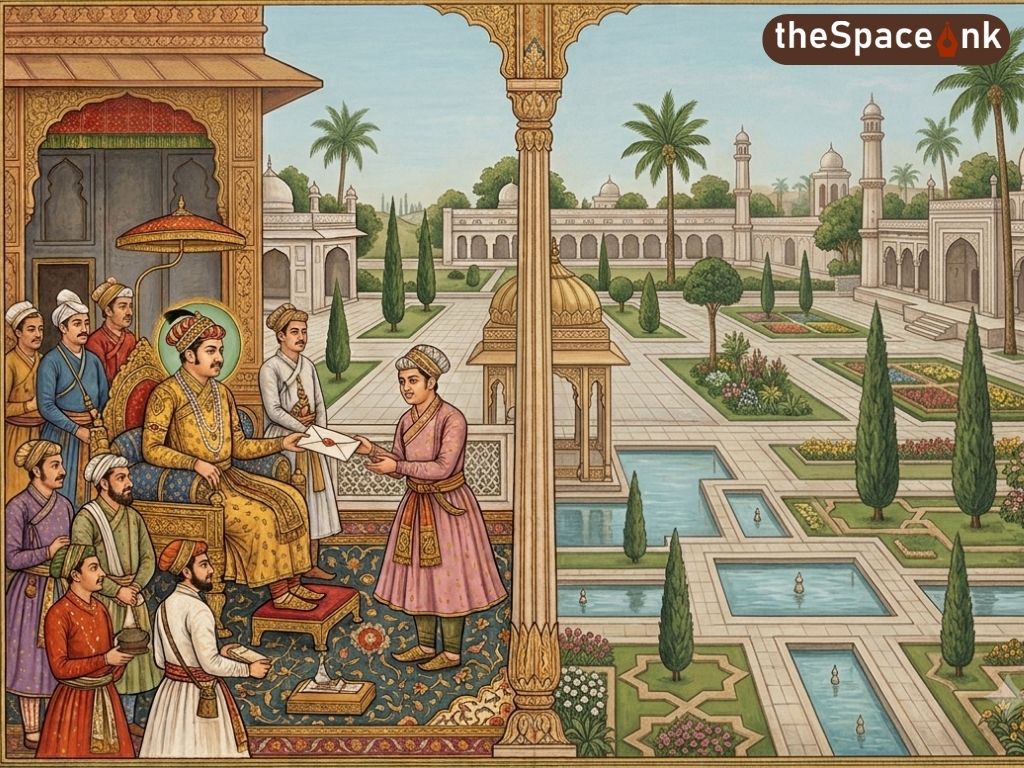
As the Mughal Empire weakened, regional rulers grew more independent and European trading companies competed for power. In 1765, Shah Alam II granted the English East India Company the Diwani, giving it revenue control over Bengal, Bihar and Orissa. Hoping to regain Delhi and restore his authority, he sought Company support against the Marathas. Robert Clive instead urged him to appeal directly to King George III: if the Crown approved military aid, a treaty might follow. The mission was entrusted to Captain Archibald Swinton and Sheikh I’tisam ud Din, a learned munshi and courtier who now took the title Mirza.
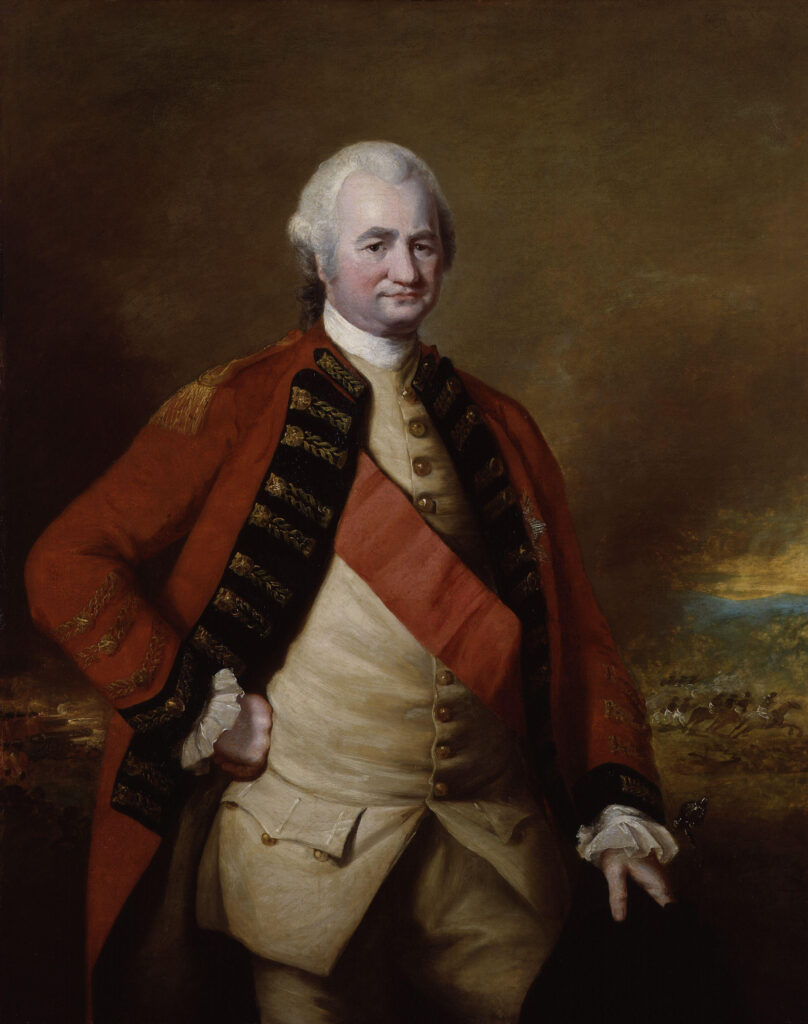
For I’tisam ud Din, the assignment was extraordinary: to leave India, cross the seas, and travel to Britain, a country most Indians knew only through merchants, soldiers, and stories. Entrusted with Shah Alam’s letter to George III and a royal tribute of one lakh rupees, he sailed in January 1766 with Captain Swinton as an envoy of the Mughal court. But weeks into the voyage, Swinton revealed that neither the letter nor the money was aboard. Robert Clive had intercepted them.
Also Read: Bengal Sketches [1],[2],[3],[4],[5],[6],[7],[8],[9],[10],[11],[12],[13]
The danger was clear: a direct link between Shah Alam II and George III could weaken the East India Company’s grip on India. To protect its power, the Company could not allow the Mughal emperor to deal directly with the Crown. So, before I’tisam ud Din even reached Britain, his mission had been quietly sabotaged: the letter and the money were gone.
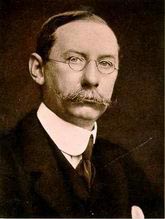
Yet I’tisam ud Din continued across the sea, turning a failed diplomatic mission into something far more unusual. Arriving in Britain in 1766, he entered a vast, restless London of merchants, sailors, officials, beggars, craftsmen and fashionable society. Its buildings loomed, its streets churned, and its machines revealed a country transformed by commerce and industry. Londoners stared at the Indian Muslim scholar in traditional dress, curious to see a visitor from the distant East. But as they looked at him, he was looking back.
Seventy years later, in November 1830, Raja Ram Mohan Roy sailed from Calcutta aboard the Albion. Titled Raja by Mughal Emperor Akbar II, he was sent to Britain to appeal the emperor’s reduced allowance.
He noticed insignificant things: tipped hats, hurried movements and unfamiliar manners. To Londoners they were ordinary, to a visitor from Bengal, strange. Amused yet critical, he also admired British technology, science, buildings and institutions, from St Paul’s Cathedral to libraries and universities. He made Europe legible through Indian terms: Europeans were Firinghees, Oxford a madrassah, London’s police chief a kotwal, and the theatre a tamasha.
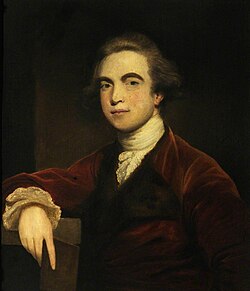
At Oxford, I’tisam ud Din met scholars of Eastern languages and manuscripts, including Thomas Hunt, Laudian Professor of Arabic, and the young William Jones, later famed for his study of Asian languages. No longer merely a curiosity, he stood as a scholar among scholars, sharpening a reed pen and producing elegant Persian calligraphy. The moment mattered: Europeans had long studied Persian and Indian languages, but here an Indian munshi displayed a literary skill rooted in his own tradition. He was not just an object of European knowledge; he possessed knowledge of his own.
His travels also drew him into Britain’s social world. He admired English women, calling Britain an “emporium of beauty,” yet kept a clear distance. As he observed others, he found himself observed in turn: his clothes, appearance and manners made him both watcher and spectacle. Still, admiration did not loosen his loyalties. Indian women remained dearer to him, his faith central to his identity, and he resisted the idea that wealth, fashion or technology alone defined civilization.
Also Read: Bengal Sketches [14],[15],[16],[17],[18],[19],[20],[21],[22],[23],[24],[25],[26]
His time in Europe lasted more than two years. When he returned to India in 1769, he brought back something harder to confiscate: memories. He recorded them in Persian in the Shigarf Nama i Vilayet, or Wonderful Tales of Europe, one of the earliest detailed Indian accounts of Britain. Its significance lay not only in what he saw, but in who was looking. For centuries, Europeans had described India and shaped Europe’s image of it. I’tisam ud Din reversed the journey: now an Indian intellectual was describing Europe.
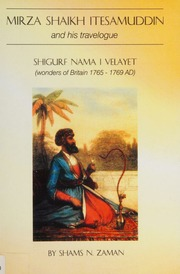
His account presented Britain neither as ideal nor backward. He observed carefully, compared it with what he knew, admired some things and questioned others, giving his journey a strikingly modern feel. The first English translation of his Persian travelogue appeared in London in 1827, abridged by James Edward Alexander with Munshi Shumsher Khan’s help and published by John Taylor as Shigurf Namah i Vilaet. Later versions included A. B. M. Habibullah’s Bengali Vilaetnama, published in Dhaka in 1981; Kaiser Haq’s The Wonders of Vilayet, published by Peepal Tree in 2001; and Shams N. Zaman’s 2003 study, Mirza Shaikh Itesamuddin and His Travelogue.
Through his eyes, Britain was no longer a remote realm of merchants and soldiers, but a lived landscape; walked, questioned, admired, mocked and remembered by an Indian scholar. The mission had failed; the testimony endured.
I’tisam ud Din’s journey also prefigured another famous Indian voyage. Seventy years later, in November 1830, Raja Ram Mohan Roy sailed from Calcutta aboard the Albion. Titled Raja by Mughal Emperor Akbar II, he was sent to Britain to appeal the emperor’s reduced allowance. By then, power had shifted sharply: when I’tisam ud Din crossed the ocean, the Mughal emperor still held great symbolic authority and the East India Company was rising; by Roy’s arrival, Company power had grown and the Mughal Empire had weakened.
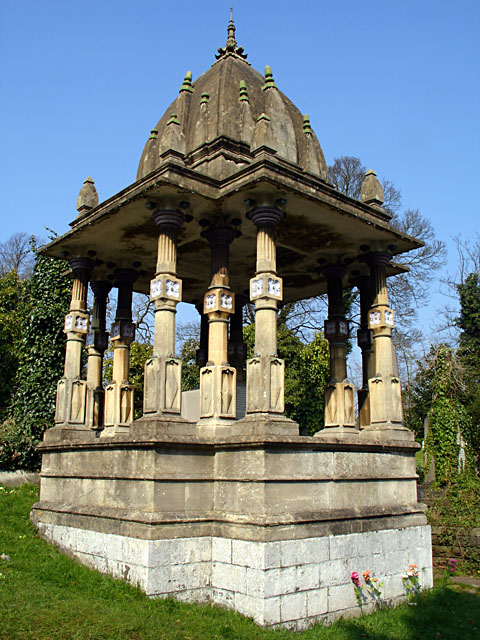
Reaching Liverpool in April 1831, Roy entered British political and intellectual circles, spoke on India, gave evidence before a Parliamentary Committee and advocated for Akbar II. After traveling in Europe, he fell ill and died in Bristol on 27 September 1833. He was buried at Arnos Vale Cemetery, where a chhatri style memorial later commemorated him.
Though generations apart, the two journeys form a striking pair. I’tisam ud Din was an envoy from a fading Mughal court; Roy, a reformer arriving as British power in India had grown far stronger. One carried a letter that never arrived; the other entered Britain’s political world and challenged the system governing India. Together, they show Indians not as passive subjects of European history, but as travelers, observers, writers, negotiators and judges of their age.
Clive could intercept the letter and seize the tribute, but he could not halt the journey of I’tisam ud Din’s mind. He had crossed the sea as an envoy; he returned as an author and witness. Through his eyes, Britain was no longer a remote realm of merchants and soldiers, but a lived landscape; walked, questioned, admired, mocked and remembered by an Indian scholar. The mission had failed; the testimony endured.
Images: AI, Wikipedia, Wikipedia, Wikipedia, Wikimedia Commons, Wikipedia, Wikimedia Commons, Internet Archive

Dr. Jamil is a passionate oncology commercial leader whose two-decade journey has been driven by a deep commitment to improving the lives of people with cancer. As Head of the Early Commercial Team at Merck Oncology and an Adjunct Professor at Columbia Business School, he shapes innovative pipelines while mentoring and inspiring future healthcare leaders. Beyond work, he is a soulful armchair historian of Bengal, a devoted Manchester City fan, and someone whose heart is forever tied to the culture, stories, and spirit of Kolkata.