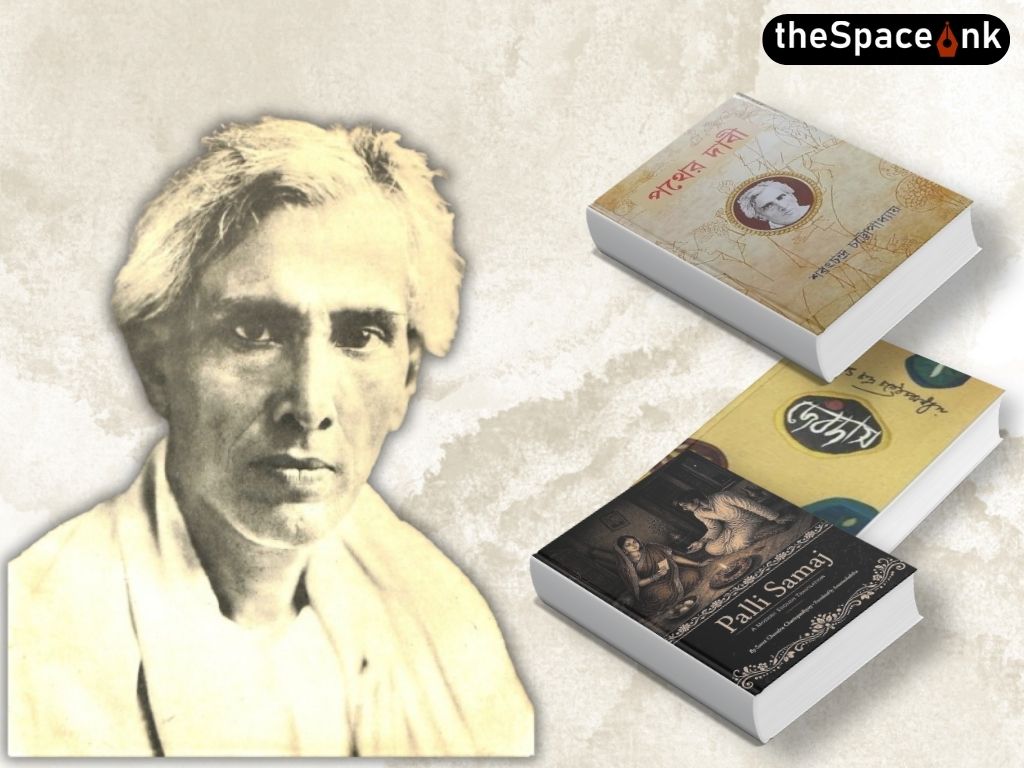
Sarat Chandra Chattopadhyay: The Tender Rebel and the Uncomfortable Truth
I can still picture Sarat Chandra Chattopadhyay’s brown-covered volumes in my father’s library, their worn spines holding the memory of a Bengali home. They were not merely books but familiar presences. Opening them was like entering rooms where wounded lovers, rebellious women, outcasts, dreamers, and the defeated still waited to be heard. Their sorrows were heavy, yet the reader was surprised by the timeless connections they carried. Sarat Chandra brought to life ordinary suffering. His characters mattered because they were bruised, longing, flawed, and unmistakably human.
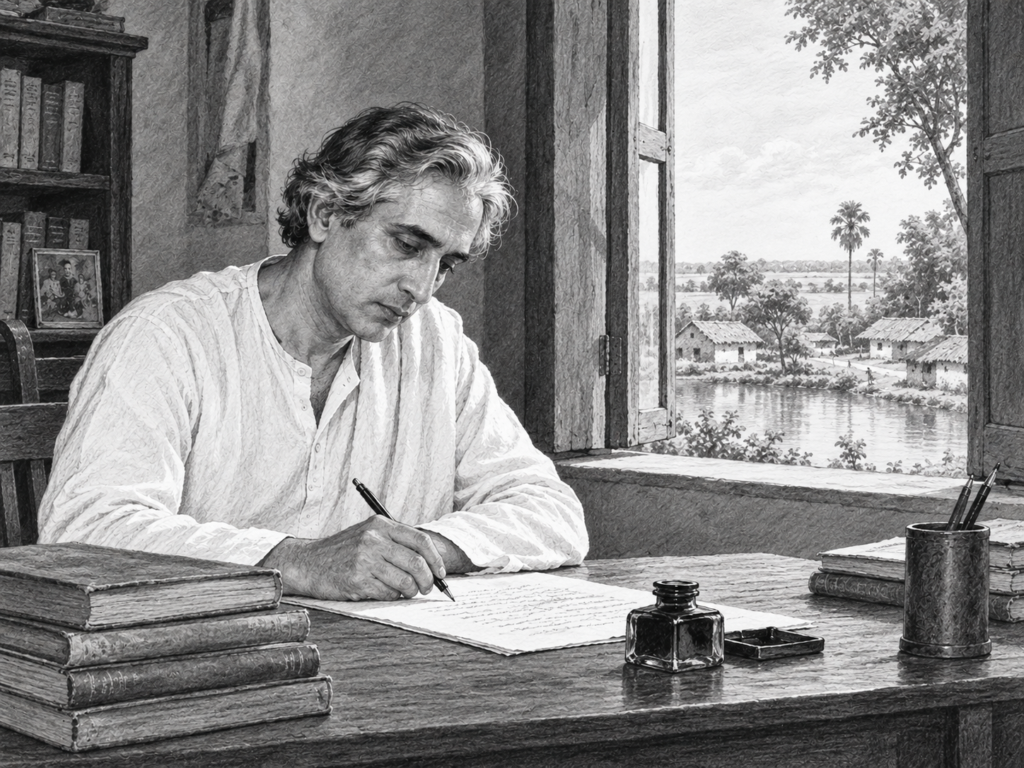
Born on September 15, 1876, in Debanandapur, Hooghly, Sarat Chandra was far more than the sentimental author of Devdas. A fierce critic of social injustice and British colonial rule, his poverty, displacement, and years in Burma shaped a realism that exposed patriarchy, caste, class, and social convention. Long before “women’s empowerment” became common language, he wrote about women resisting child marriage, dowry, oppression, and social judgment. In his fiction, love is crushed by family, status, custom, pride, and circumstance. In Devdas and Parineeta, heartbreak is not only private tragedy but social indictment.
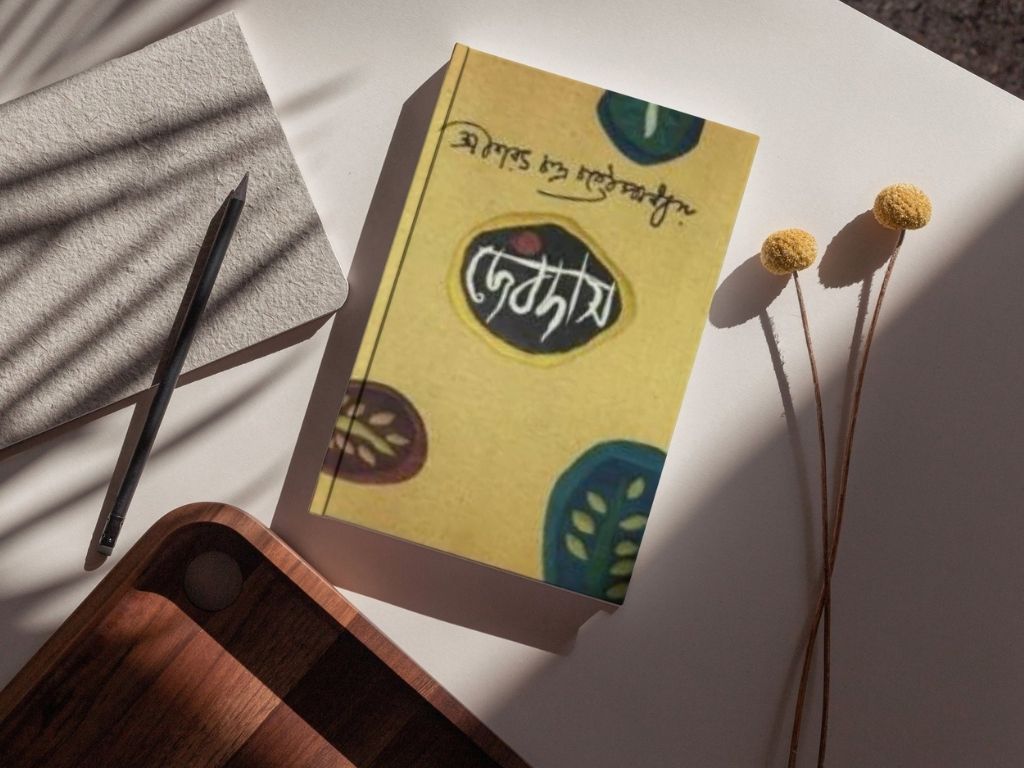
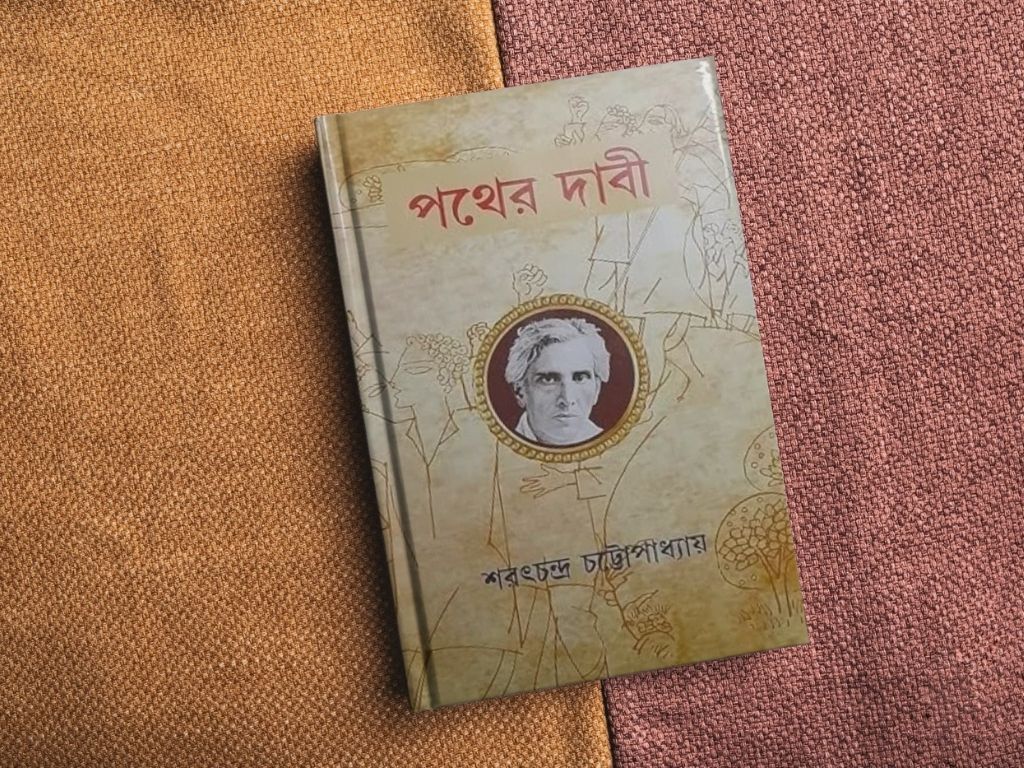
Beyond writing about private suffering, he was a political writer willing to confront the colonial state. His 1926 novel Pather Dabi imagined an underground revolutionary movement and openly challenged the moral legitimacy of British rule. The colonial government banned the book because of its anti-colonial message, which only strengthened its aura among nationalist readers and freedom fighters. The same writer who entered the intimate psychology of a doomed lover also imagined literature as a weapon against political subjugation. His work carried both impulses: an extraordinary tenderness toward the individual and a fierce impatience with structures of power. He died of liver cancer on 16th January 1938, but not before impacting generations of readers.
Sarat Chandra had a rare ability to turn society’s wounds into stories alive with desire, shame, tenderness, and regret. This may be why his work has outlasted its own age and setting: between 1928 and 2025, it inspired more than fifty film adaptations. Devdas alone has been adapted for film and television at least twenty times in several Indian languages. Its grief seems beyond translation; heartbreak needs no dictionary.
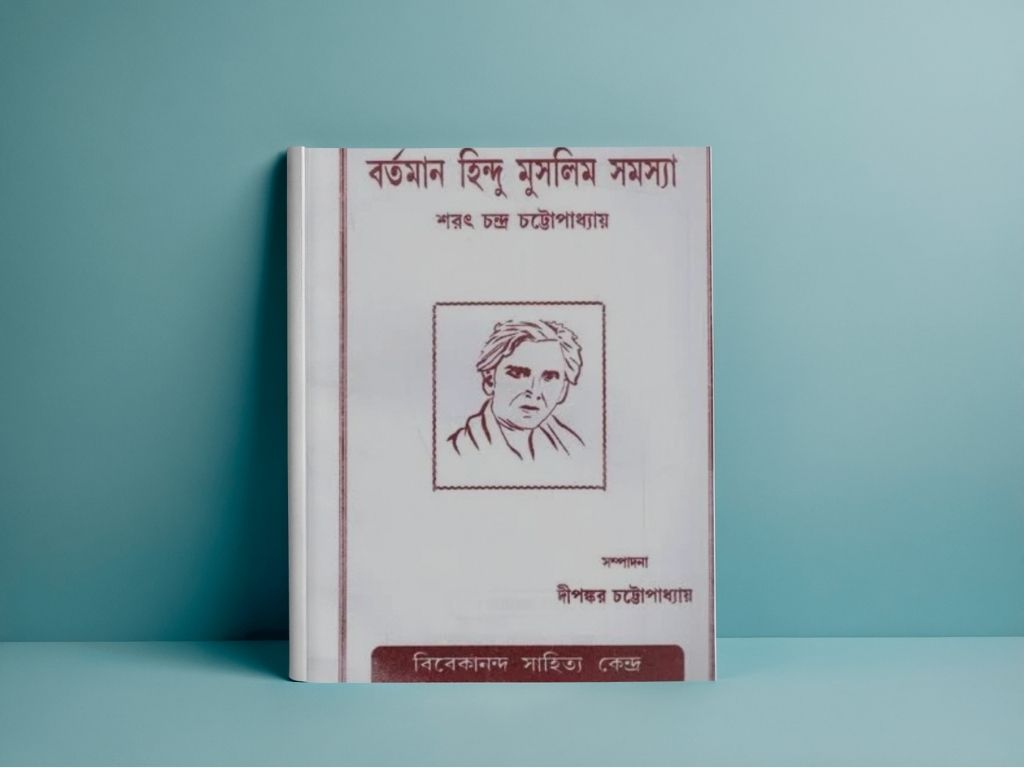
Yet another side of Sarat Chandra is harder to embrace. In 1926, against the backdrop of communal violence in Calcutta and the collapse of the fragile Hindu-Muslim political unity of the early 1920s, he wrote Bartaman Hindu Mussalman Samasya, or “The Current Hindu Muslim Problem.” The essay reveals a novelist struggling with the political anxieties of his age and losing faith in the easy language of communal harmony. He argued that Hindus and Muslims were separated by deep cultural differences and that genuine unity required equality rather than sentiment.
There was a serious and important argument within this position. Sarat Chandra was deeply critical of caste oppression within Hindu society. He understood that a community could hardly demand solidarity from others while humiliating and excluding its own people. Reform, he insisted, had to begin at home. That was a powerful challenge to Hindu social conservatism.
Also Read: Bengal Sketches [1],[2],[3],[4],[5],[6],[7],[8],[9],[10],[11],[12],[13],[14]
But the essay did not stop there. Sarat Chandra increasingly treated Muslims as though they constituted a uniform inferior community, characterizing them as aggressive, fanatic, and culturally deficient. His discussion of conversion was particularly revealing. He suggested that conversion to Islam could sever a person from an earlier cultural identity and alter his character. Individual lives disappeared behind collective assumptions. History gave way to stereotype.
On his 150th birthday, Bartaman Hindu Mussalman Samasya denies us a simple Sarat Chandra and leaves us with a complicated, more valuable one. We honor him not by denying contradiction, but by facing it honestly. He taught generations to feel for those societies ignored; his blind spots show how difficult that task remains.
This is where the essay becomes more than an argument about Hindu-Muslim politics. It heralds a warning about the seductions of communal thinking. The community is divided into “us” and “them,” each with a single moral personality. “We” are complex, wounded, civilized, and fundamentally humane. “They” are threatening, irrational, aggressive, and alien. “Our” weaknesses acquire historical explanations, but “their” weaknesses become proof of character. Fear begins to masquerade as evidence. Grievance hardens into identity. The individual disappears beneath the label of the group.
What makes this contradiction so unsettling is Sarat Chandra himself. He was a novelist deeply attuned to human vulnerability but, at the same time, reflected the prejudices and anxieties of the historical moment. That contradiction should neither be concealed nor exaggerated. Great writers are not always consistent. They can expose prejudice while carrying their own, enlarging empathy in one work and narrowing it in another. Their greatness does not make them infallible, nor do their failures erase their achievements. That is why Sarat Chandra still matters.
Also Read: Bengal Sketches [15],[16],[17],[18],[19],[20],[21],[22],[23],[24],[25],[26],[27]
The brown-covered books on my father’s shelves gave me a writer I first encountered through feeling. The older I become, the more complicated that writer appears. Sarat Chandra gave voice to the wounded and challenged many of the conventions that wounded them. He defended dignity, freedom, and resistance. But he also left behind words that reveal how easily empathy can falter when fear enters politics.
On his 150th birthday, Bartaman Hindu Mussalman Samasya denies us a simple Sarat Chandra and leaves us with a complicated, more valuable one. We honor him not by denying contradiction, but by facing it honestly. He taught generations to feel for those societies ignored; his blind spots show how difficult that task remains. Literature can enlarge our humanity while politics constricts it. Both impulses can inhabit the same person, and the reader’s responsibility is to recognize both.
Images: AI

Dr. Jamil is a passionate oncology commercial leader whose two-decade journey has been driven by a deep commitment to improving the lives of people with cancer. As Head of the Early Commercial Team at Merck Oncology and an Adjunct Professor at Columbia Business School, he shapes innovative pipelines while mentoring and inspiring future healthcare leaders. Beyond work, he is a soulful armchair historian of Bengal, a devoted Manchester City fan, and someone whose heart is forever tied to the culture, stories, and spirit of Kolkata.