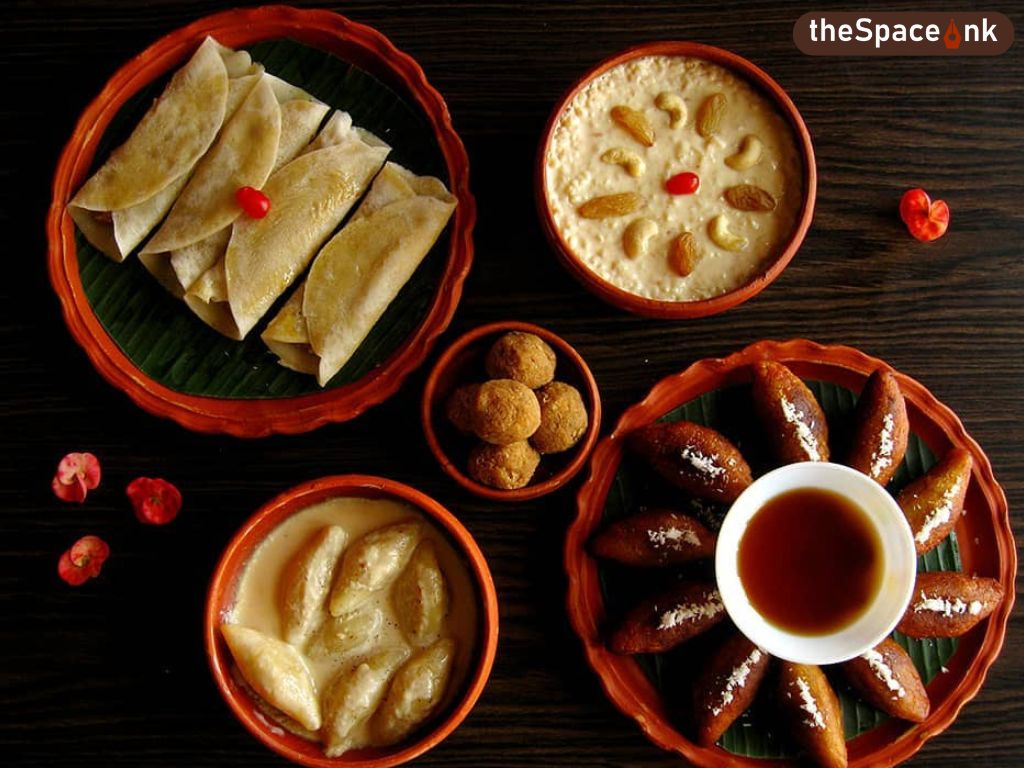
(Pithes and Pulis)
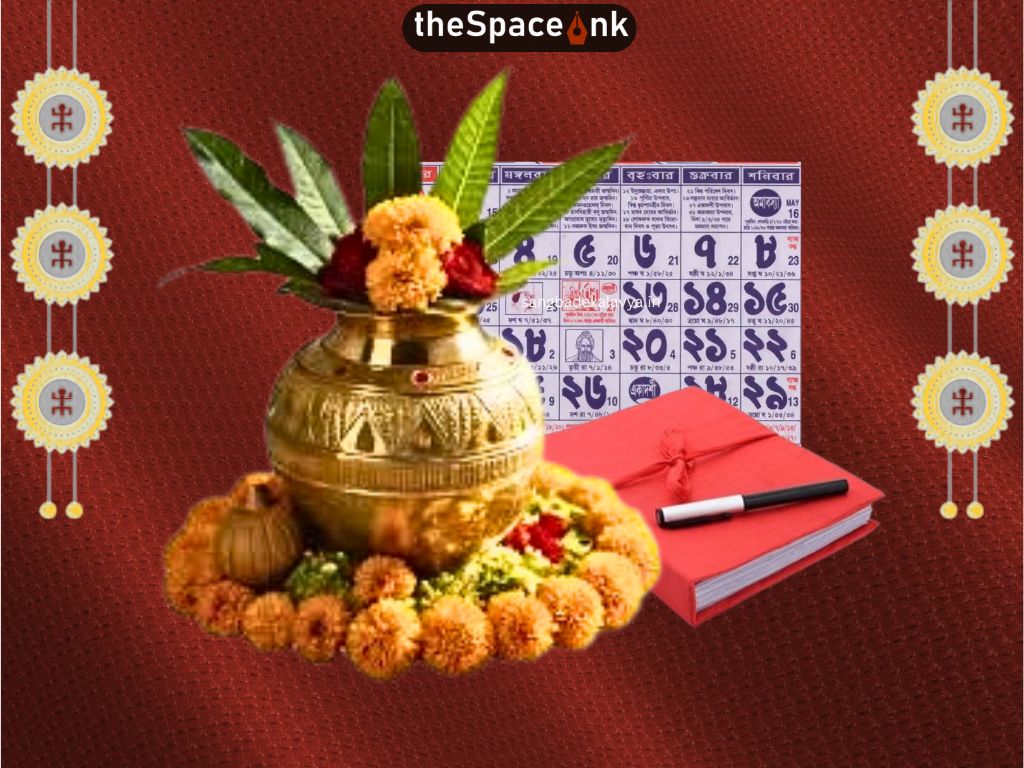
The aroma of freshly prepared pithe, particularly shoru chakli, served with notun gur and grated coconut, is a killer! No other Bengali sweets can compare to its taste of freshness, aroma and the unique mix of rice flour pancake-like shoru chakli, season’s special notun gur combined with grated coconut! It’s a delicacy that every Bengali home waits to savour as the month of poush gets marked on the calendar. Pithe puli, the traditional sweet treat is a symbol of Bengal’s rich cultural tapestry. (Pithes and Pulis)
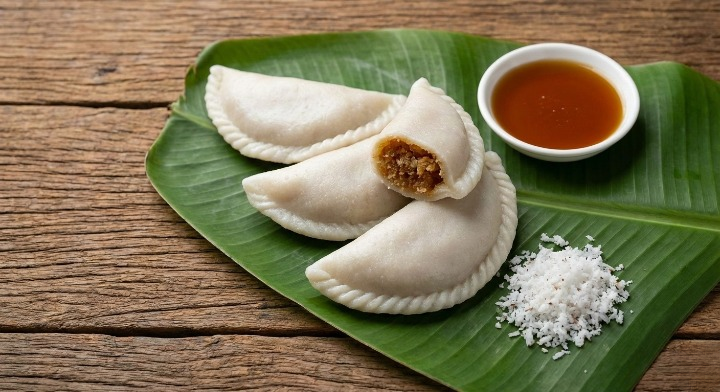
This culinary art, forms a significant part of the state’s winter harvest festival of Poush Parbon. Crafting pithe puli is an art in itself, delicate artistry is needed in shaping the pulis (rice-flour dough) and then filling it and folding the dough over it. Every step requires precision and expertise. The fillings, ranging from jaggery and coconut to khoya (reduced milk) and various aromatic spices, infuse these sweets with layers of delightful flavour that woos your senses. (Pithes and Pulis)
Also Read: Pongal – A festival of Thanksgiving
During the Bengali month of poush our kitchen would hum with frenzied activity as my mother busily prepared rice batter, coconut kheer, roll out fine chosis… thin one-inch noodle-like pieces… for the chosi pithe. Each pithe would be prepared with love and care! And yes, alongside the hectic preparation there would be the scrubbing and cleaning of the kitchen and the utensils for Poush Sankranti.
In West Bengal, Makar Sankranti is synonymous with the preparation of ‘pithe-puli‘, a delightful array of traditional sweets made from freshly harvested rice— mostly Gobindabhog or any other atap chal, coconuts and palm jaggery or nolen gur (new gur) that is available only during the winter season.
Sankrānti refers to the transition of the sun from one zodiac sign (Rāśi) to another, and is a derivate of Sanskrit word saṅkramaṇa or movement. Poush Sankrānti marks the transition of the sun into Makara Rāśi (Capricorn) and is celebrated all over India with rituals and feasting with fresh harvest of rice. This is the time to pay obeisance to nature’s bounty and the agrarian roots of our traditional life.
In West Bengal, Makar Sankranti is synonymous with the preparation of ‘pithe-puli‘, a delightful array of traditional sweets made from freshly harvested rice— mostly Gobindabhog or any other atap chal, coconuts and palm jaggery or nolen gur (new gur) that is available only during the winter season. Although it is available at many sweet shops today, pithe is prepared at almost every Bengali household. Those bought from sweet shops can never match in taste to the homemade ones.
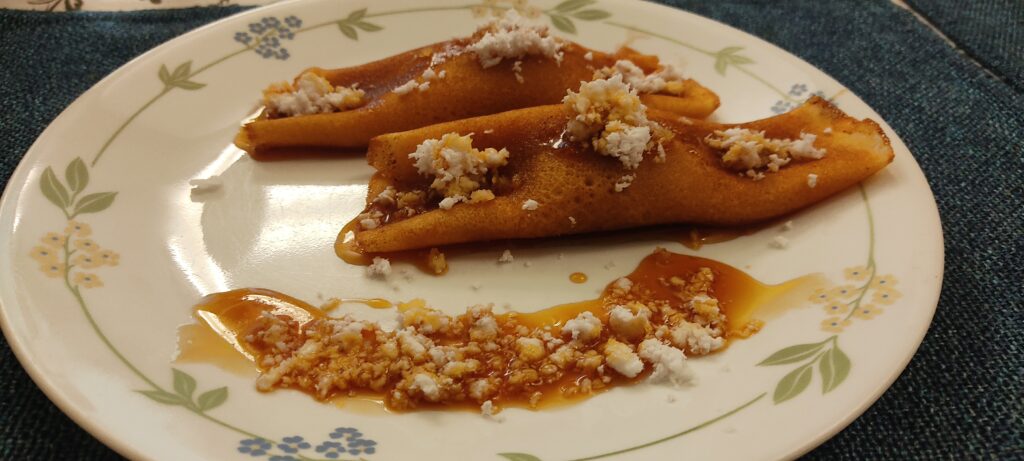
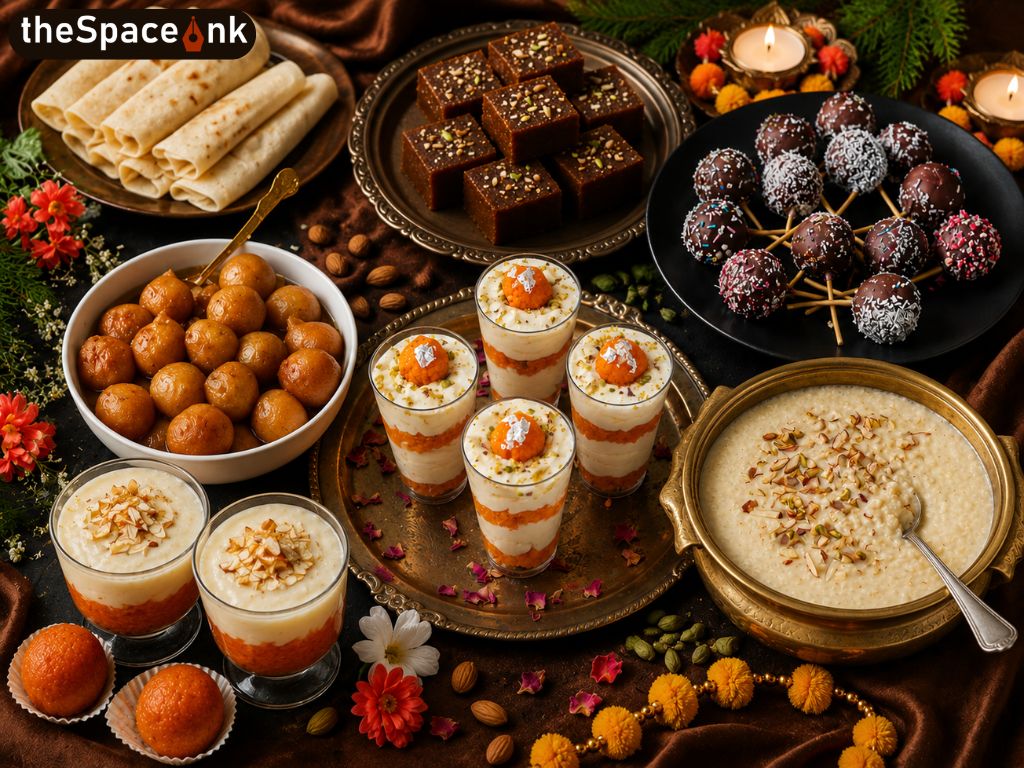
The variety of pithes and pulis is truly wide covering both sweet and savoury. Starting with patishapta, a thin, crepe-like pancake prepared with a batter of rice flour, semolina, or refined flour, filled either with a luscious mixture of grated coconut and nolen gur or with kheer (thickened milk); it is lightly fried on a greased pan and served warm with a trickle of notun gur. However, a filling of thickened milk or ‘khīr‘, adds a creamy richness to this timeless classic making them the more preferred item.
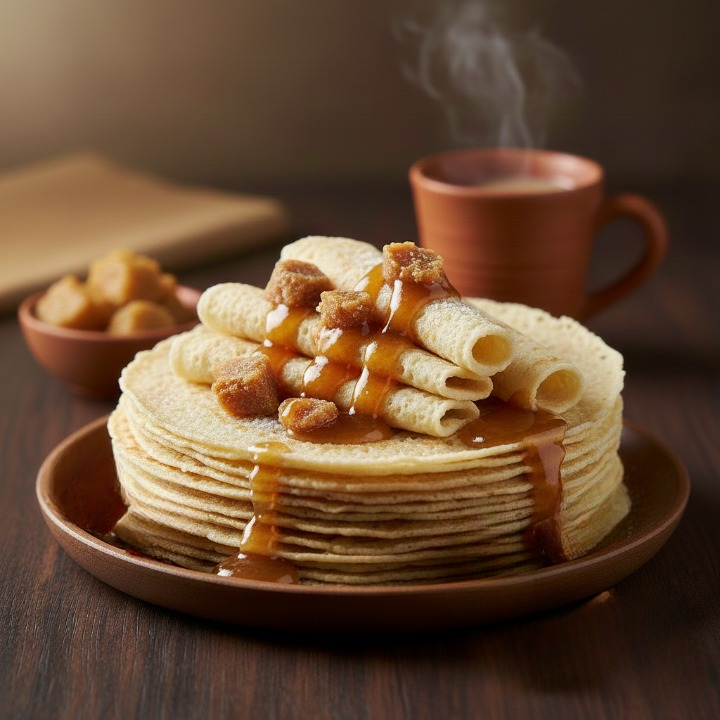
Besides Patishapta there are other variants—Shoru Chakli, Gokulpithe, Chosi Pithe, Dudh puli, Raso puli, Ranga alur pithe, Ranga alur payesh and chaaler payesh and of course there are savoury pithes with vegetable fillings.
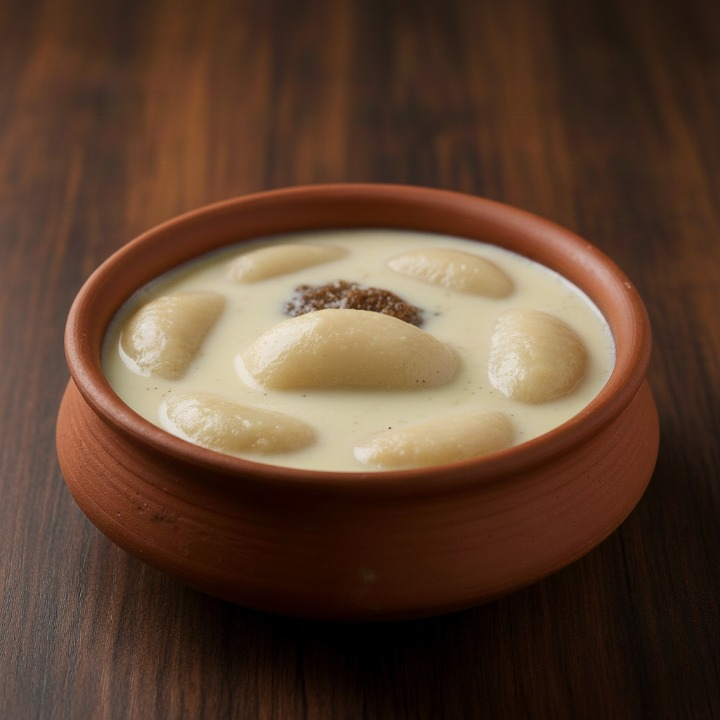
Shoru chakli is the simplest of all the pithes and can be prepared by anybody…it is an unstuffed delicate pancake and is served with freshly grated coconut along with a lavish drizzle of warm nolen gur. But the favourite of most Bengalis is the Dudh puli—a dumpling of rice flour dough, lovingly filled with sweetened coconut and jaggery, and gently simmered in thickened milk flavoured with cardamom and bay leaves.
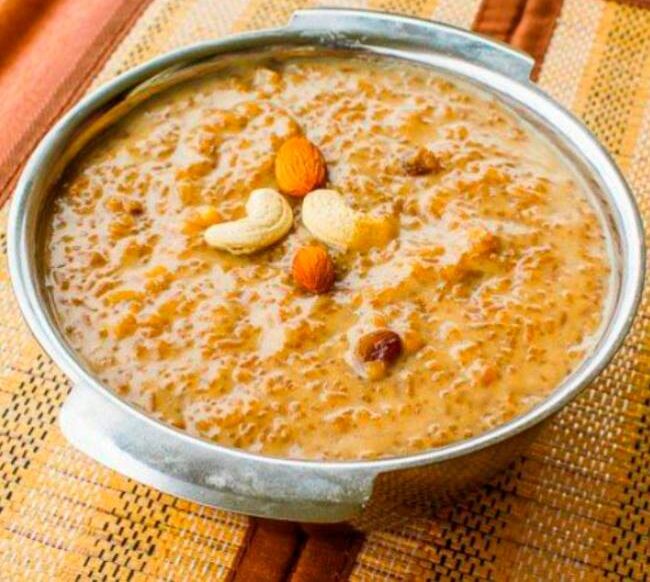
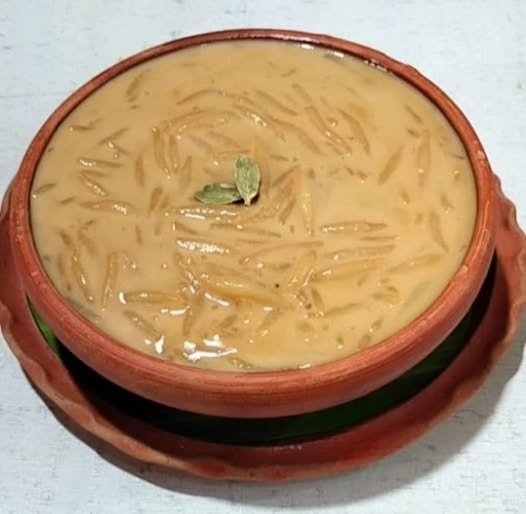
Another heritage dessert that graces every Bengali home is the notun gurer payesh, made with the fragrant Gobindabhog rice, thick milk, cashews, raisins and nolen gur… the latter adding a smoky sweetness. Notun gurer payesh is more than a dessert, it brings forth spoonfuls of childhood memories reminding me of my mother’s skill in preparing payesh of smooth and thick consistency with the right amount of nolen gur.
The taste lingers still bringing back memories of those lost days when Maa would busy herself making the hand-rolled chusis, which would be dried before being used for preparing chosi pithe. Chosi is a rice-flour and semolina hand-rolled noodle-like very thin dumplings which are dunked into full cream milk and boiled to a thick creamy consistency and flavoured and sweetened with nolen gur. This too is a Poush Sankranti special and is prepared by women of the house.
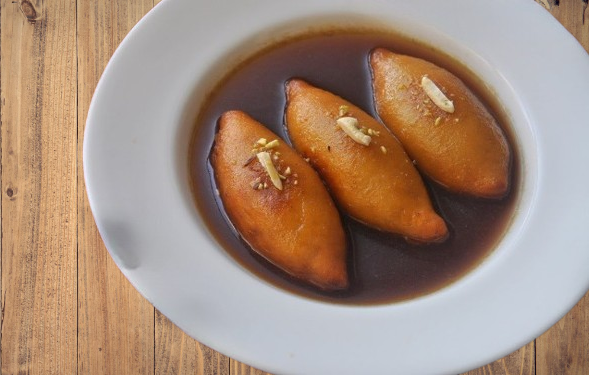
Marking their delicious presence in the month of poush are the Malpoas—a deep-fried indulgence made from a batter of refined flour, milk, semolina and raisins and soaked in light sugar syrup or warm liquid palm jaggery. There’s the Ranga Alur Pithe, a fried pithe, made from sweet potato and semolina dough, filled with coconut, jaggery, and a hint of black cardamom, then fried to perfection and dipped in syrup. It is a treat, the taste of which lingers in your mouth for quite a while!
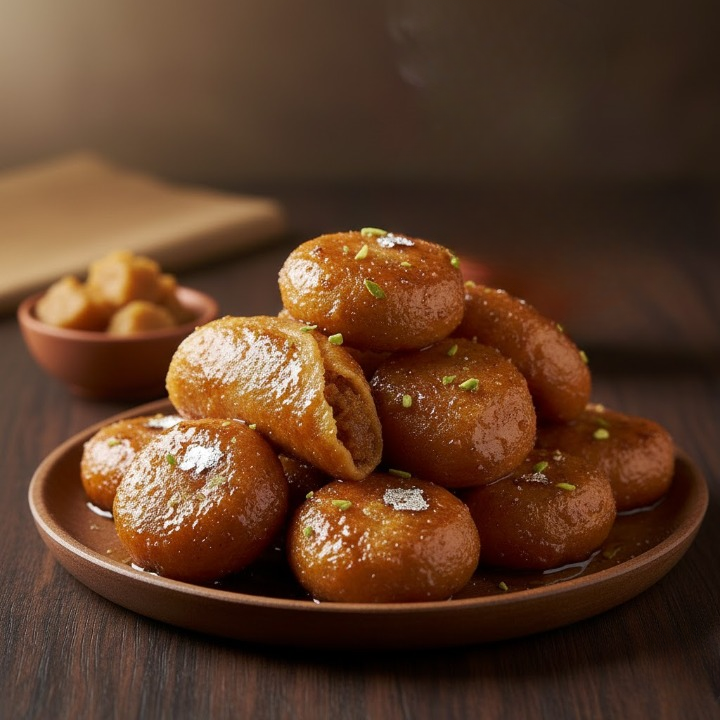
The savoury pithes, though sought after by many, does not, however, match in popularity to the sweet variety. With green peas or koraishuti being one of the favoured vegetables of the winter season it is mostly preferred for stuffing in the savoury puli pithes. Deshelled peas are boiled, mashed and prepared with light seasonings, cooled and then filled into the shell of the puli pithe and deep fried. Talking about it brings back so many cinematic scenes from my childhood—Maa busy preparing the pithes in the kitchen and we siblings waiting at the dining table to sample her freshly prepared chusi pithe and koraishutir ranga alur pithe.
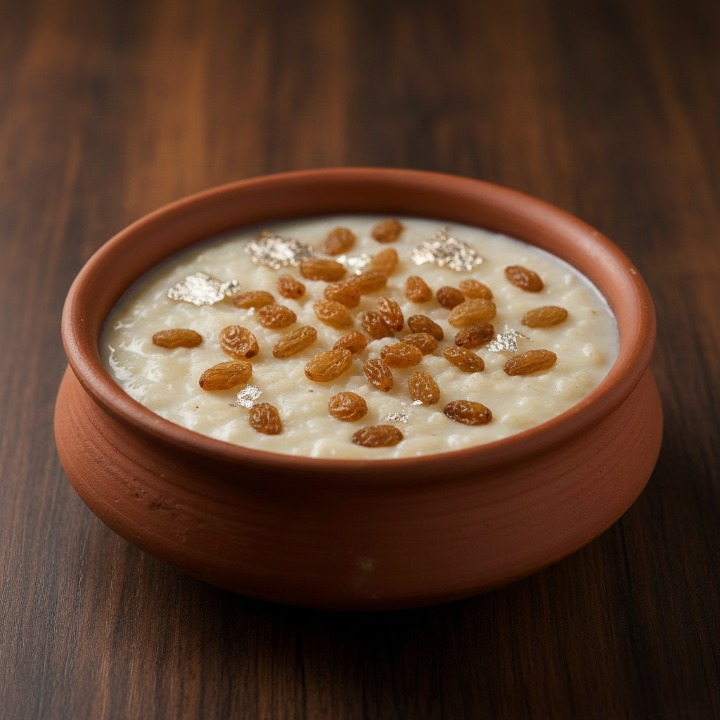
Those were the days! The joy of sitting around the table with my mother busy in the kitchen and my father regaling us with stories. And, when served straight from the frying pan, the first bite into a pithe would release a burst of flavours and drench our senses. I carry that feeling till today. These preparations are a testament to the culinary geniuses of Bengali households, mostly our mothers, who could transform simplest of ingredients into culinary showcases with love and creativity. (Pithes and Pulis)
The soul of West Bengal—its agrarian roots, its festive spirit, and its enduring bond with family and tradition—is encapsuled in every bite of ‘pithe‘, sweet or savoury. These unique delicacies remain till date a reminder of how even simple homemade festive specialities can become extraordinary experiences in an ever-changing world. Pithes and pulis are more than just food; they are, in fact, a celebration of life! (Pithes and Pulis)
Photo Courtesy: Author, shutterstock, Facebook, Facebook ,AI

Arundhati Gupta is a Kolkata-based writer, editor and communications strategist. She has contributed reviews, essays, and features in leading national, regional and online publications. In addition to her writing, she serves on the executive committee of a non-profit organisation. Outside of work, she enjoys playing scrabble and cooking.