
A Festive Spread for Navratri and Durga Puja
Festivals offer us a break from routine life and an opportunity to reunite with family and friends. What better way to bond than over food? These celebrations call for traditional fare that showcases India’s culinary variety. Apart from the ‘bhog’ offered to the goddess, the festival spread includes food for religious observance or ‘vrat’, as well as vegetarian and non-vegetarian fare.
Also Read: Durga Puja and Navratri (Part 1): Two Festivals, One Divine Mother
Presenting these festival staples from Sadhana Mukherji’s books of recipes.
Recipes for Navratri
During the nine nights of fasting and prayers, it is important to have wholesome and energy-rich meals. These Navratri favourites are nutritious, well-balanced and lip-smacking delicious, making fasting a truly enjoyable feast.

Gujarati Saboo Khichdi (Sago Pearl Khichdi)
Sabu dana or tapioca pearls are made from tapioca starch, a crop introduced by the royal family of Travancore during the 19th century as a drought-resistant substitute for rice. Its production increased during the Second World War amid acute rice shortages. Over time, sabu dana became popular in the western states as a ‘vrat’ food.
Ingredients: Sabu dana – 1 cup, soaked for 1½ hours; 1 boiled potato, diced; 4 tbsp ghee or oil; ¾ tsp cumin; 4 green chilies; ¼ cup roughly ground peanuts; salt, chili powder and sugar; juice of 1 lemon; coriander.
Procedure: Temper cumin in ghee or oil. Add peanuts and green chilies and sauté. Add salt, chili powder, sugar and lemon juice. Add the Sabu dana and blend well. Cook on low flame for two minutes and garnish with coriander.

Dahi Alu (Potato in Yogurt Gravy)
This quintessential ‘vrat’ dish does not have an origin story, but the restriction on grains and cereals during religious fasting makes potato an obvious choice. Spicy and tangy dahi alu makes a perfect accompaniment to non-grain khichdi and parathas.
Ingredients: 3 large boiled potatoes, 4 mashed potatoes; 2 tbsp ghee; 1 tsp cumin; ginger; dry and green chilies; 2 cups sour curd; 1 tsp arrowroot or cornflour, optional; salt, pepper and coriander.
Procedure: Temper cumin, dry chilies and ginger in ghee. Lower the heat and add green chilies and curd, stirring until it boils. Add potatoes, salt and pepper. Boil three to four times, then add coriander and slit green chilies.


Makhana Kheer/Payesh
Payesh or kheer is a traditional pudding found in every puja feast. Though this sweet dish is mainly made with rice, ingredients like ‘sooji’, vermicelli and makhana or foxnuts are also used. Makhana further thickens the milk and ensures a rich and creamy sweet ending to your meal.
Ingredients: 2 cups makhana; 6 cups milk; raisins; almond slivers; pistachios; rose petals and sugar.
Procedure: Soak makhana in hot water for seven minutes and strain. Boil milk on low flame and add almond slivers and makhana. Cook until the milk thickens. Add sugar and boil for another five minutes. Garnish with raisins, pistachios and rose petals. Cool and serve chilled.
Menu for Durga Puja
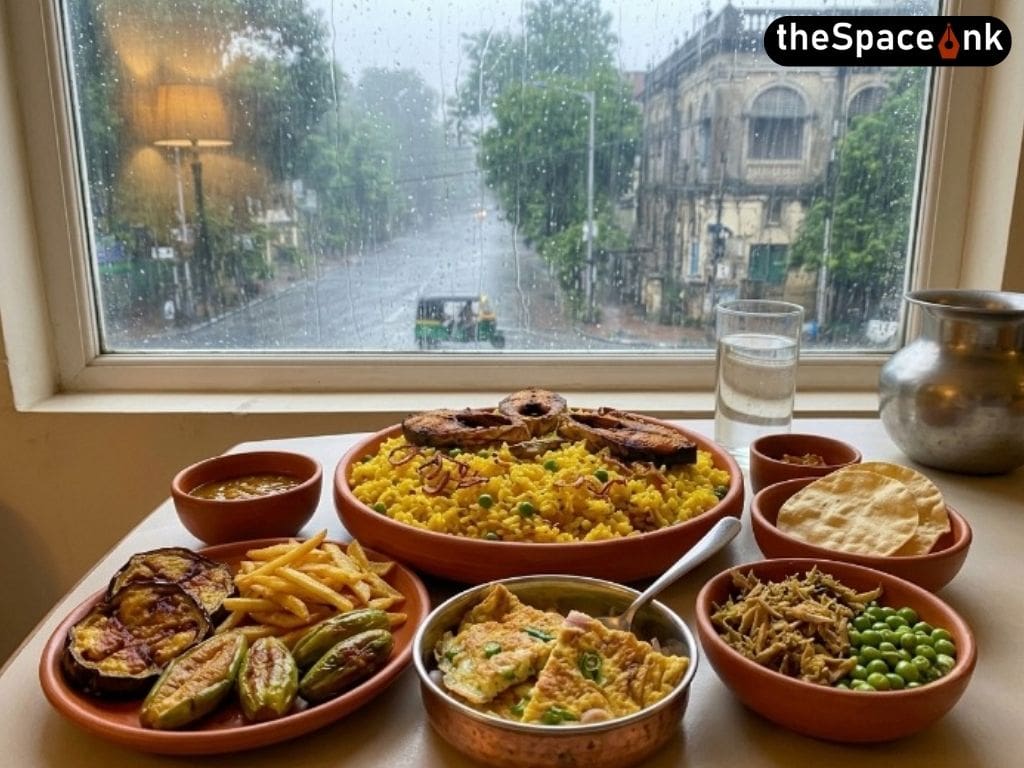
What is a Durga Puja feast without a ‘bhuri bhoj’? But you cannot sleep during these four days, there is pandal hopping to catch up on. And of course, binging on rolls, chops and cutlets with cold drinks to wash it down. There is no way you can avoid a food coma.

Uttar Banglar Anajpatir Labra
A traditional wholesome mixed-vegetable dish served with khichuri as ‘bhog’ and enjoyed after the Ashtami puja. This labra style is popularly prepared in North Bengal and Cooch Behar.
Ingredients: Diced raw banana, potatoes, carrots, brinjal and ‘shim’ (Indian beans) – altogether 5 cups; ½ tsp panchphoron; 2 dry red chilies; 2 bay leaves; salt, turmeric and sugar; 2 green chilies; 4 tbsp mustard oil.
Procedure: Temper bay leaves and dry red chilies in mustard oil. Add vegetables, salt and turmeric and cook covered, sprinkling water as required. Once the vegetables boil, add sugar and ground green chilies. Stir well and remove from the flame.

Maacher Pur Bhora Potoler Dolma
The word ‘dolma’ is derived from the Turkish word ‘dolmak’, meaning to fill or stuff. The dish was popularly prepared in West Asia and the Ottoman Empire and became part of Bengali cuisine through its interaction with Mughal traditions.
For the stuffing: 250gms of boiled fish; onion, ginger and garlic paste; red chili powder; garam masala; raisins; salt, sugar and oil.
Procedure: Debone and mash the boiled fish. Sauté the condiments in oil, add the fish and cook well. Add raisins and garam masala before removing from the flame.
For the dolma: 8–10 medium-sized potol and oil.
Procedure: Peel the potol, chop off both ends and scoop out the seeds and pulp. Poke tiny holes all over, fill with the fish stuffing and fry carefully. You can also use cottage cheese, paneer, minced meat or soybean as filling. Serve as it is or with a spicy masala gravy to make ‘potoler dolmar kalia’.

Mutton Without Onion
Mutton prepared without onion and garlic is offered as ‘bhog’ in keeping with Shakta traditions. Those observing religious vows yet don’t want to miss out on the feast can opt for this simple and flavourful mutton curry.
Ingredients: 500gms of tender goat meat; 10 potatoes; tomato; green chilies; cumin powder; ginger paste; salt and turmeric; cumin, bay leaves, garam masala and mustard oil for tempering.
Procedure: Marinate the mutton with cumin, ginger, salt and turmeric. Temper cumin and bay leaves in mustard oil. Fry the potatoes and keep aside. Add mutton, potatoes, tomatoes, chilies and water and boil until cooked. A pressure cooker can also be used. Remove from the flame and sprinkle garam masala. The thin curry goes well with steamed rice.

Coconut Pudding
This dessert is a happy marriage between European influence and tropical cuisine. The rich creamy dessert will become everyone’s favourite.
Ingredients: 2 cups thick coconut milk; 4 eggs; 1½ cups sugar; 1 tbsp desiccated coconut; ½ tsp cardamom powder.
Procedure: Whisk eggs, sugar and a pinch of salt until slightly foamy. Add cardamom powder and coconut milk. Pour into a mould and cover with a clean cloth or foil. Steam over bubbling hot water or use the double-boiling method. Cool before demoulding and garnish with desiccated coconut. Alternatively, bake the pudding instead of steaming.
Source:
- https://www.learnreligions.com/the-history-and-origin-of-durga-puja-1770159
- https://www.downtoearth.org.in/food/why-the-shakta-tradition-of-bengal-differs-on-food-choices-from-the-rest-of-india
Image Courtesy: Internet, Adobe Stock, Adobe Stock, Adobe Stock, Pinterest, Wikimedia Commons, Chat Gpt

Surela Chakraborty is a freelance writer by profession and passion. Her works have been published in several print and digital media. She also loves to dabble with poetry, dance and music. As an avid traveler she seeks adventure and believes to live life that is bold and different. Nature, human emotions and life experiences inspire the poet in her.