Go Organic the Traditional Way
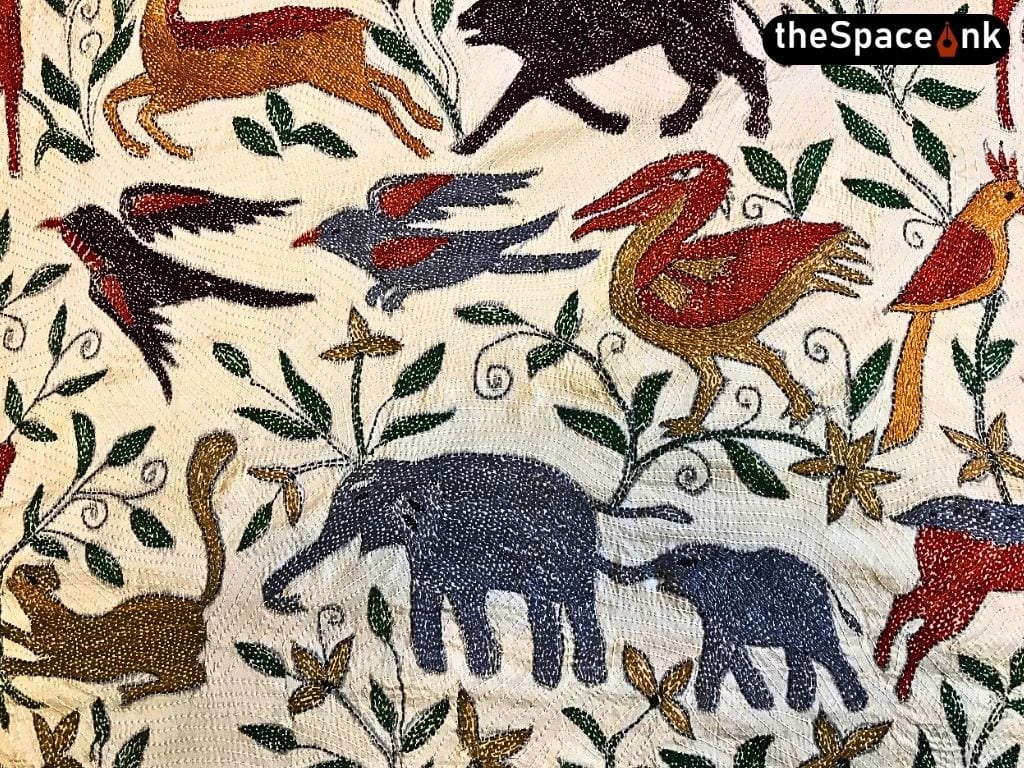
What to gift, what not to gift… is the question confusing those who desire to send thoughtful gifts on festive occasions! Go by your gut feeling. Gone are the days when we would give traditional sweets, namkeens, assorted cookies and a variety of richly prepared snack items. In fact, I would find my mother slogging in the kitchen, preparing lobongo latika, darbesh, pantua, kucho nimki and jeebe goja, and sending them to neighbours on a plate covered with embroidered table napkins. The plates and the napkins were, of course, returnable. We, however, gorged on her delectable homemade delicacies!

The tradition continues, but the practice of sending homemade food has almost vanished. First, because of the lack of household help or ‘assistants’, and secondly, because people have become very health-conscious. Everyone is now talking about ‘gut health’ and its importance in maintaining a robust life. The buzz is ‘eat organic’.
Also Read: Khichuri: The One-pot Meal for All Occasions
What is organic? The term ‘organic’ refers to food cultivated and produced using farming practices that largely avoid synthetic pesticides, chemical fertilisers, genetically modified organisms and, in the case of livestock, the routine use of antibiotics and growth hormones. Instead, organic farming relies on natural methods such as composting, crop rotation, biological pest control and maintaining soil fertility. These practices aim to promote biodiversity, protect soil health and reduce the environmental impact of agriculture.
Festive gifting in India has always been about more than the gift itself. It is a way of saying that someone was remembered, that someone took the time and effort to choose something special. What is changing is the way we express that thoughtfulness.
In recent times, organic food is increasingly finding favour among consumers who are becoming more conscious of what they eat and how their food is produced. In a world where concerns about health, chemical residues and environmental sustainability are growing, organic food offers an alternative to conventionally grown produce. Many consumers believe organic food is fresher, safer and more nutritious, even though scientific evidence on its nutritional superiority over conventional food remains mixed. Its appeal also lies in the assurance that greater care has been taken in the way the food is grown and harvested.

As awareness of sustainable living is growing among urban consumers, organic produce is no longer restricted to niche stores or health-conscious households; it is increasingly available in supermarkets, farmers’ markets and online platforms. For many, choosing organic is not merely a dietary preference but a conscious decision to support more responsible farming practices and a healthier relationship with the environment.
Festive gifting in India has always been about more than the gift itself. It is a way of saying that someone was remembered, that someone took the time and effort to choose something special. What is changing is the way we express that thoughtfulness. This is applicable to both corporate and individual family gift exchanges.
Also Read: Monsoon Melodies of the Culinary Kind
The market figures tell an interesting story. India’s corporate gifting market, which accounts for a significant share of the festive hamper economy, is projected to reach around ₹18,000 crore by 2027. Within this growing market segment, wellness-oriented gifts are steadily gaining popularity. It is estimated that India’s healthy snacking market grew at a compounded annual rate of over 20 per cent between 2020 and 2025. Hampers featuring dry fruits, herbal teas, cold-pressed oils and sugar-free sweets, which were once a niche choice for a handful of health-conscious clients, are now finding their way into mainstream gifting lists.
A hamper made with carefully sourced ingredients and selected with someone’s tastes and well-being in mind may be a more heartfelt gesture than the usual assorted gift boxes that get delivered to most homes.
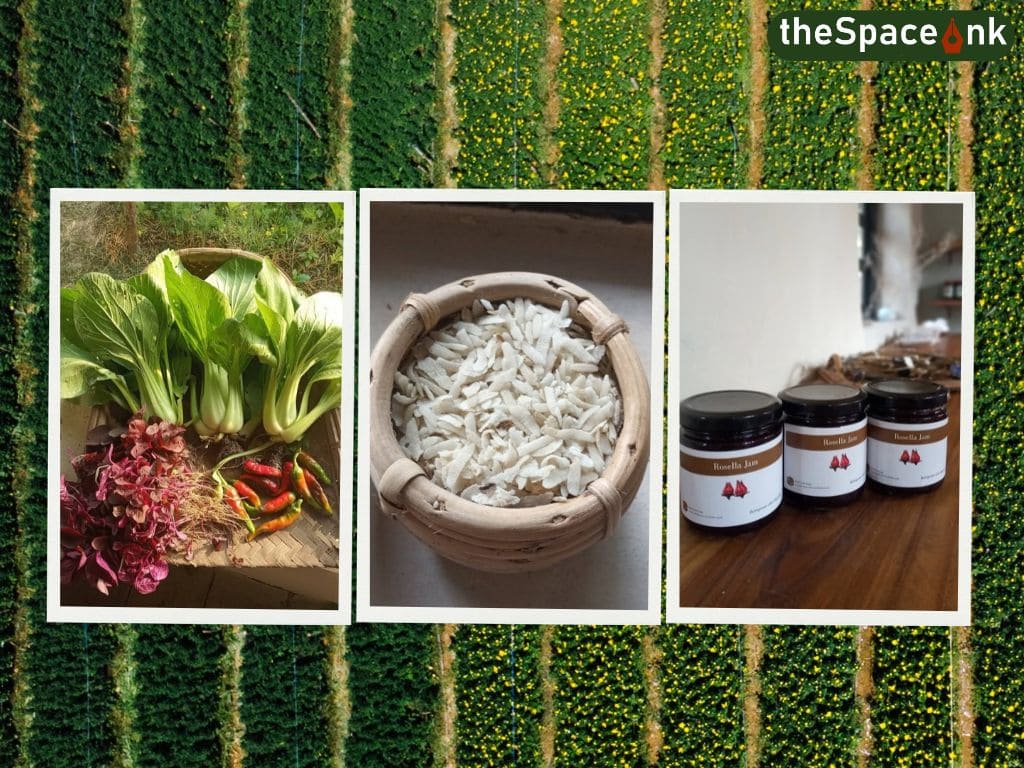
In fact, we were delivered a Diwali gift hamper in 2025, beautifully packed in printed jute cloth, containing assorted snack items, including a roasted mix of edible seeds, handmade soaps, organic honey, powdered jaggery and organically grown rice, along with a bottle of pure cow ghee. They were sourced, as the labels stated, from various online sites and commercial providers. All of them came arranged in a handmade bamboo basket.
This shift is not a rejection of tradition; rather, we are rediscovering an old one. Our grandmothers understood the value of food that was pure, seasonal and prepared with care. They chose what they gave with the same thoughtfulness they brought to their kitchens. Today, we are simply carrying that wisdom forward, giving it a contemporary expression through the modern festive hamper.

A hamper made with carefully sourced ingredients and selected with someone’s tastes and well-being in mind may be a more heartfelt gesture than the usual assorted gift boxes that get delivered to most homes. Even namkeens are being roasted instead of fried. Then there is Himalayan honey, sweets made without preservatives, roasted seeds and makhana as well. In fact, numerous brands are now selling healthy organic snacks through various aggregators. And into this growing organic market, many individuals and farming groups are coming together to provide their products.

Near Santiniketan, Banalakshmi, or Vanalakshmi Unmesh Samiti, was the first of its kind Krishi Ashram, selling organic ghee, a variety of rice, pickles and boris made of lentils. A brainchild of Niranjan Sanyal, set up in 1963, Banalakshmi today is famous for its handcrafted products as well as organic produce. In fact, its products travel as gifts across India.

In recent times, Santiniketan and its adjacent villages have seen the establishment of farming activities run by individuals who have left their corporate jobs to concentrate on living a holistic life and dedicating their time to farming. Smell of the Earth, set up in 2017, is one such enterprise run by Aparajita Sengupta and Debal Majumdar, practising mixed, seasonal farming alongside raising ducks and managing a fish pond. One can approach them for organic produce for festive gifting.

A little away from Santiniketan, in Hedodanga Village, Ruppur, is Anindita Dasgupta’s farm, Heal Thy Earth. They are committed to natural farming and are working in harmony with seasonal cycles, practising crop rotation and utilising green manures and agricultural residues to enrich the soil. They sustainably cultivate indigenous rice varieties—including the GI-tagged Randhuni Pagol—turmeric of the Lakadong variety and Krishna-tulsi.

For festive gifting, one can place orders through their website. And, of course, there’s Punoscho Krishikaaj of Aritraa Sengupta, from whom pure cow ghee, fresh chhana, Dhakai Ponir and cheese can be ordered, provided they are available at that time.

There are many other individuals working in various other districts of West Bengal, such as the Sundarbans, from where organic honey is mainly sourced and made available through retail outlets. In Kolkata, among others, Paushtik Life is working in this field, spearheaded by Ruth Chattopadhyay. Its products are available through its website. Paushtik Life is a Bengal-based organic food brand, serving pure, tradition-infused organic goodness.
Even Amar Khamar, based in Kolkata, is committed to promoting natural farming and are offering organic ingredients including a variety of rice, spices, pickles, ghee and honey. They are also offering dining experiences through their eatery. Products and gift boxes from Amar Khamar can be availed through their website.
Join in the festivities with a ‘goodness’-enriched gifting spree for yourself as well as friends, family and business contacts. Festival time in Indian homes is all about sharing, caring and giving, and that is where mindful gifting should be honoured as a part of our age-old traditions!
Images courtesy: Arundhati Gupta, ChatGPT, Wanderboat

Arundhati Gupta is a Kolkata-based writer, editor and communications strategist. She has contributed reviews, essays, and features in leading national, regional and online publications. In addition to her writing, she serves on the executive committee of a non-profit organisation. Outside of work, she enjoys playing scrabble and cooking.