(Contemporary India)
Introduction
The political landscape of contemporary India is frequently described in terms of polarization, majoritarian assertion, and a crisis of secular institutions. Yet these phenomena are not sudden departures from a stable past. Instead, they reflect deeper structural processes in which social memory, state policies, and political narratives have interacted over time to produce a volatile ideological environment. This essay contends that what appears today as an acute political rupture is, in fact, the cumulative outcome of decades of hegemonic narrative-building, identity-based policy frameworks, and economic pressures.
Also Read: Beyond the Thanksgiving Feast: The Immigrant Roots of a National Myth
The Construction of Social Memory
Social memory is neither spontaneous nor neutral. As Maurice Halbwachs has argued, collective memory is formed within social frameworks shaped by institutions, ideologies, and power relations. In India, the production of historical consciousness—through textbooks, public commemorations, state cultural bodies, and political rhetoric—has often been mediated by ruling-class interests.
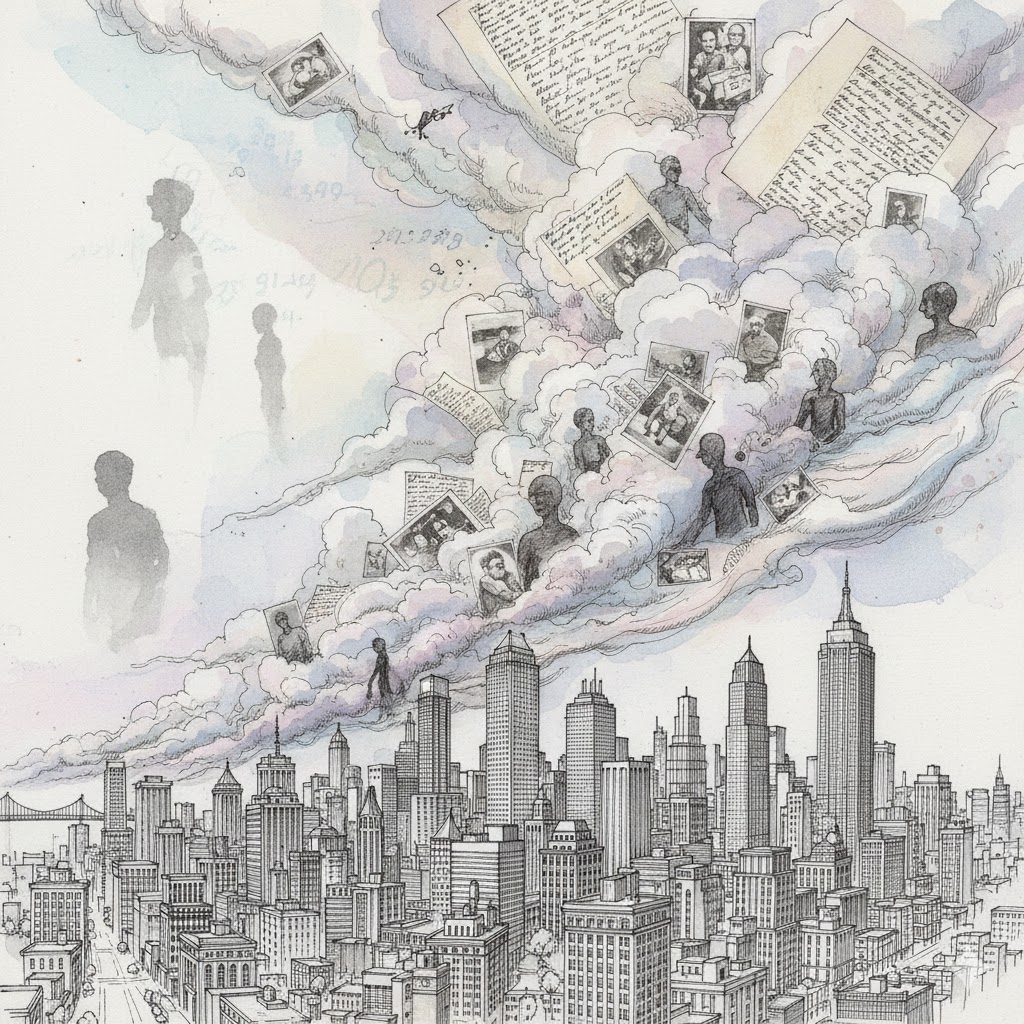
This aligns with Antonio Gramsci’s concept of hegemony, wherein dominant groups cultivate consent by normalizing particular interpretations of history and society. The resulting memoryscape is marked by selective remembrance and strategic forgetting, producing what may be described as “doctored” or “tinkered” memories that reinforce existing hierarchies. (Contemporary India)
The Ideological State Apparatus and the Secular Veneer
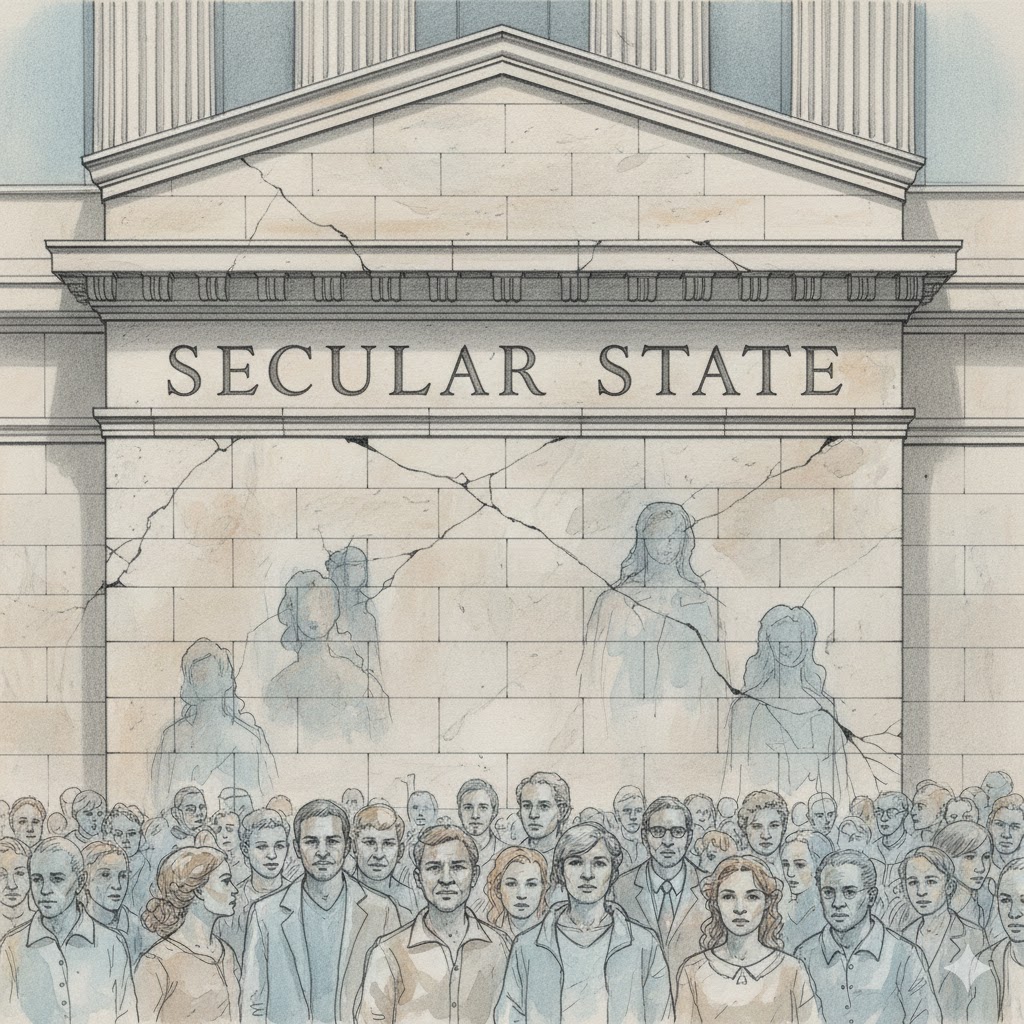
The Indian state’s claim to secularism has historically functioned less as a substantive commitment than as a stabilizing ideological framework. Louis Althusser’s notion of the Ideological State Apparatus helps illuminate how institutions—education, media, bureaucracy—reproduce certain values that mask underlying contradictions.
“The appearance of harmony functioned more as a political performance than as an expression of deeply rooted social cohesion.”
Beneath the state’s secular veneer, inter-community suspicions and misperceptions persisted. These tensions were rarely addressed through genuine participatory engagement; instead, they were managed symbolically, often through the politics of welfare distribution and representational quotas. As a result, the appearance of harmony functioned more as a political performance than as an expression of deeply rooted social cohesion. (Contemporary India)
Identity-Based Policies and the Production of Symbolic Grievance
A central factor in the present political landscape is the long-standing narrative that specific religious and caste groups have been “appeased” through state policy. While empirical evidence often contradicts such claims, their rhetorical power is significant. Pierre Bourdieu’s concept of symbolic capital is useful here: policies targeted at historically marginalized groups accumulate symbolic meaning that far exceeds their material impact.
By categorizing citizens for educational seats, welfare benefits, and electoral calculations, the state inadvertently legitimized a discourse of differential treatment. This produced fertile ground for political actors to mobilize majority anxieties, transforming policy debates into emotionally charged narratives of favoritism, appeasement, and historical grievance. (Contemporary India)
Also Read: Karl Benz: The Man Who Got the World Rolling
Economic Insecurity and the Crystallization of Majoritarian Backlash
The contemporary majoritarian backlash must be situated within broader structural conditions. Economic stagnation, rising unemployment, and growing inequality have produced what Zygmunt Bauman describes as “liquid fear”—a diffuse anxiety that seeks tangible targets. Identity-based political narratives provide precisely such targets.

Under conditions of precarity, long-cultivated symbolic grievances solidify into a coherent majoritarian sentiment. Political entrepreneurs amplify these sentiments, framing them as corrective justice against decades of alleged minority appeasement. Thus, the current political environment is not a spontaneous eruption but a structured response shaped by intertwined economic and ideological forces. (Contemporary India)
The Poison Tree: A Metaphor for Long-Term Political Cultivation
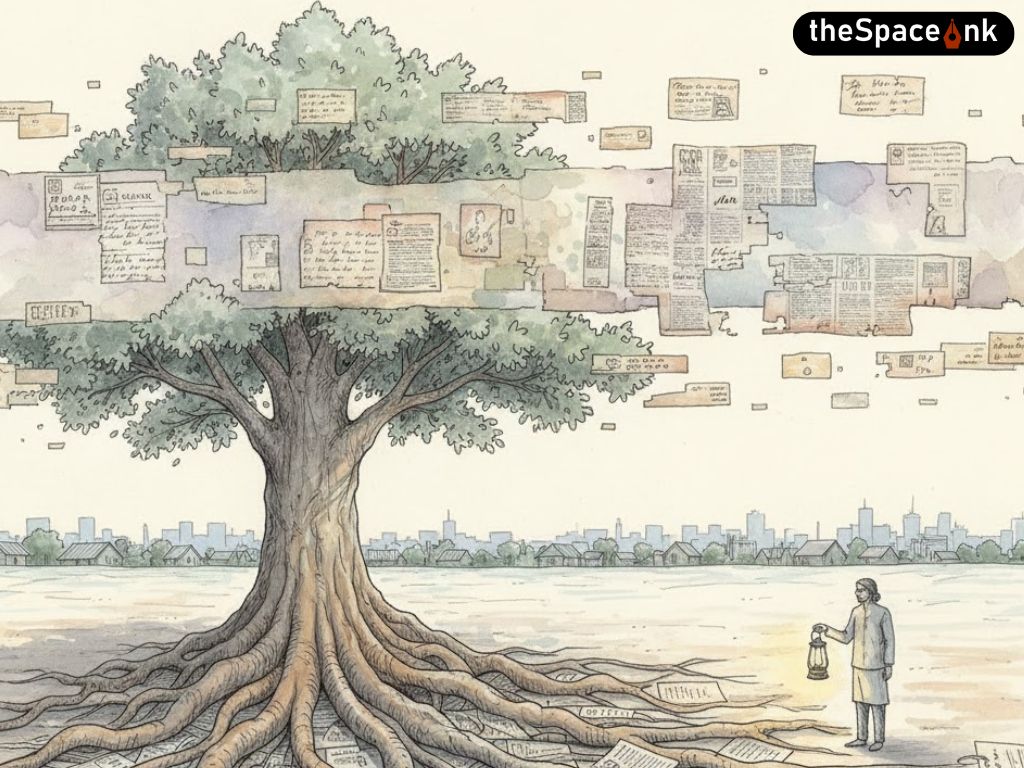
The metaphor of the “poison tree” captures the logic of the present crisis. The seed—identity-based governance and manipulated memory—was planted decades ago. It was nurtured by political opportunism, educational omissions, and the selective amplification of grievances. Today’s polarization represents the flowering of this long-tended plant.

Seen through this lens, the majoritarian assertion is neither anomalous nor unpredictable; it is the systemic outcome of historical processes that have normalized communalized interpretations of policy, eroded trust across communities, and weakened the credibility of the secular state. (Contemporary India)
Conclusion

The contemporary moment in India must be understood as the crystallization of long-term structural dynamics rather than as an isolated turning point. The interplay of state-mediated memory, identity-laden policy regimes, ideological apparatuses, and economic precarity has produced a political landscape ripe for backlash and majoritarian consolidation.
Also Read: The Power Of Public Tears
Understanding this process requires a theoretical framework that integrates memory studies, political sociology, and critical theory. Only then can we grasp the roots of the poison tree—and imagine the possibility of uprooting it. (Contemporary India)(C
Photos Are Generated by AIontemporary India)

A wanderer in words and wilderness, Koushik writes and translates to see the world — and himself — with mindful clarity.