Review of Beneath Magnolia Skies: Writings from Sikkim and the Darjeeling Hills
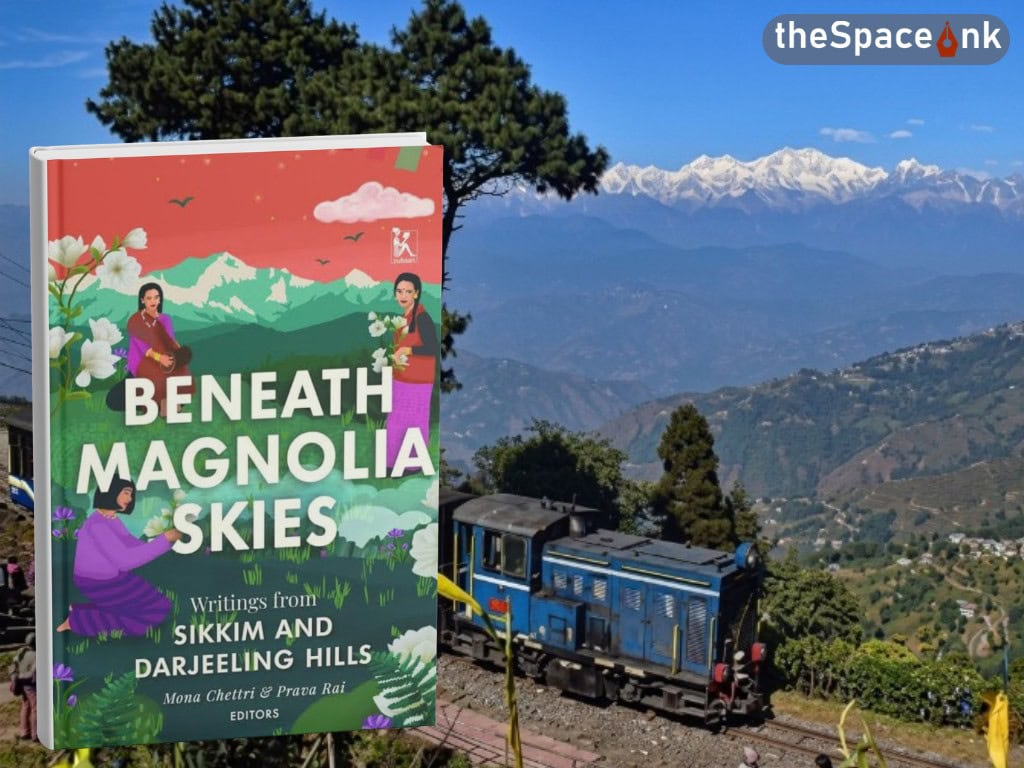
Book Title: Beneath Magnolia Skies: Writings from Sikkim and the Darjeeling Hills
Edited by: Mona Chettri and Prava Rai
Language: English
Publisher: New Delhi: Zubaan 2025
Format: Hardcover
Pages: Pp. 313
Price: Rs 695
Those of us who travel to the hills on holiday often come back with idyllic pictures of pristine natural beauty. But what is life really like for people who live there? Tourists seldom get a nuanced idea of the lives and lifestyles of the local people.
Beneath Magnolia Skies is the latest addition to a growing number of books that highlight life in the hills of North Bengal and in Sikkim. And a welcome addition it is, indeed!
The anthology showcases women’s writing from multiple genres and languages and presents how women in the region share similar experiences of oppression, patriarchy, stereotyping, dearth, and resistance.
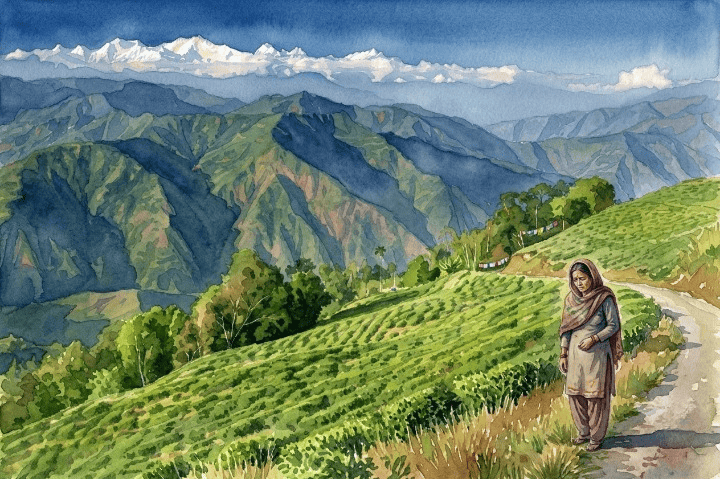
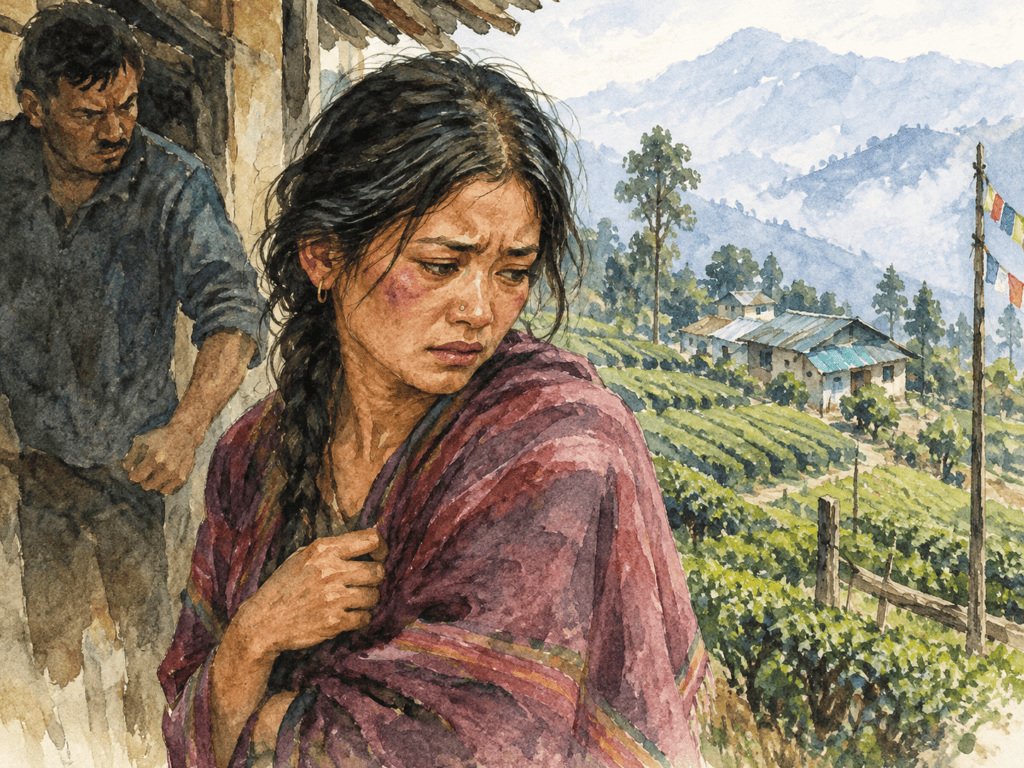
Migration is another important theme in the book. It features implicitly in Akansha Gurung’s “Tincture of Hues”, the first story in the anthology. It focuses on Sushma, who falls in love and gets married very young. She soon realizes that marriage is not a bed of roses. As she suffers domestic violence from her drunkard husband, and wallows in poverty, she dreams of a different future. Her interactions with Ashish, a cab driver, who tempts her with dreams of a life in the city, far away from the drudgery of her own life, open up new possibilities for her.
Kalyani Rai’s poignant story, “Orphaned” takes this theme further, as Bhawana leaves her three young children and starts a new life for herself. She has been abandoned by her husband, who is in the CRPF, and who does not care for his family. Unemployment and poverty in the hills fuels migration, Yumita Rai’s story, “Dalli, my Friend”, shows. Dalli, the protagonist’s school friend, had gone to work in Singapore, but when her body is brought back, there are disturbing signs of torture she had probably had to face.
Also Read: The Way of Some Flesh
The references to the Gurkha demand for a separate state, and the attempt to impose Bangla on the Gurkhas by previous governments, too, are significant. Rai’s poem, “Shadows Within”, too, highlight the political oppression and violence in the hills.
Beneath Magnolia Skies carries not only fiction and poetry, but critical essays and images as well. “Memories of Migration from the Eastern Himalayas”, by Nangsel Sherpa and Shuvangi Khadka, combines methods of life history and feminist narrative to explore the lives of women over 60, who had migrated from Nepal and Tibet to Darjeeling.
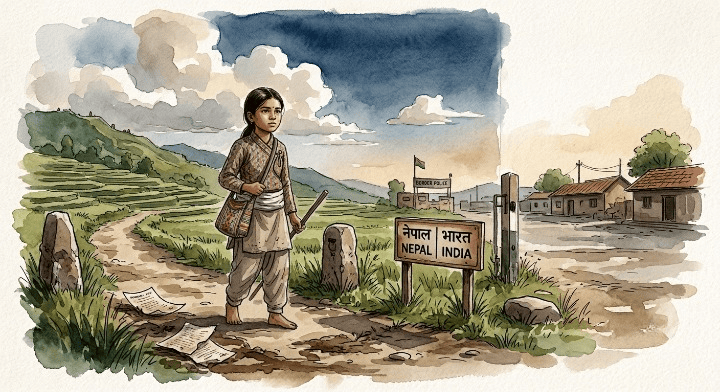
The essay introduces women like Bhagwati Sharma, who, as a 12-year-old trying to escape the clutches of the money-lender, walked from her village in Nepal to the Indo-Nepal border, took a train and finally settled down in Darjeeling, and Dawa Bhutia, who travelled with a group of yak herders from Nepal so that her children could get a good education in India.
Migration of a different kind features in Ambika Rai’s essay, “Labour and Migration: Women Bhariyas in Darjeeling Hillls”. As tourists, many have seen the bhariyas, the groups of labourers carrying heavy loads on their backs with their namlo straps.
The essay also introduces us to migrants from Tibet, for whom migration was a more communal and urgent experience. The narratives culled from women like Mariam Shakuli (now 86), and Pasang Dolma (now 83) show how they were uprooted from Lhasa and elsewhere because of the political changes in Tibet. These are stories that would get lost soon, and efforts like these can preserve such narratives for posterity.
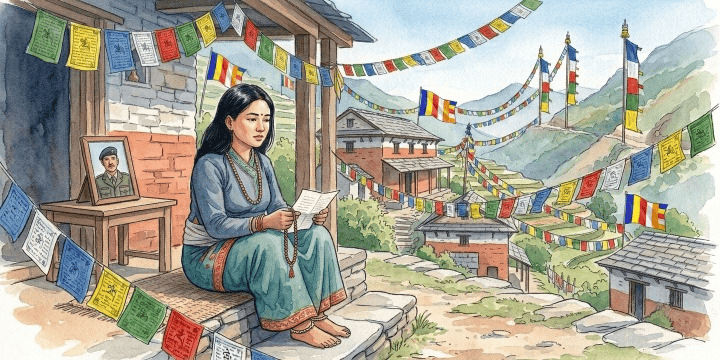
Another interesting piece that probes a less-explored theme is Dawa Lhamu Sherpa’s essay on military wives. Gurkha men are well-known for their valour. One remembers here how Field Marshal Sam Manekshaw once said, ‘If a man says he is not afraid of dying, he is either lying or he is a Gurkha’, emphasizing the bravery of Gurkha man. But this essay focuses on wives of Gurkha soldiers, and explores their lives as they travel from one cantonment to another, and deal with long-term absences of their husbands, and the anxieties associated with their men going to fight wars.
Also Read: Review of The Loneliness of Sunny and Sonia by Kiran Desai
Migration of a different kind features in Ambika Rai’s essay, “Labour and Migration: Women Bhariyas in Darjeeling Hillls”. As tourists, many have seen the bhariyas, the groups of labourers carrying heavy loads on their backs with their namlo straps. Writers like Shiva Kumar Rai (“Gorkhey Jeep”) have also immortalised the labour of the local people which keeps the world of the hills going, a labour that tourists often remain blind to.
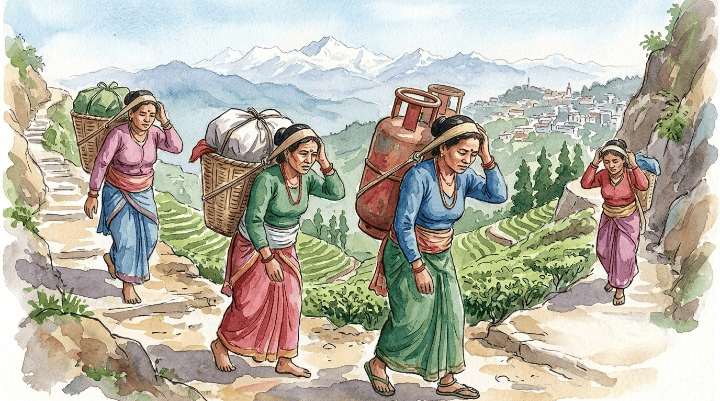
Rai’s essay probes the lives of the bhariyas in terms of gendered mobility, and concludes that while men’s labour migration from Nepal is seen as a rite of passage, women’s labour migration is limited due to state policies and socio-cultural norms and prohibitions. Women who are still single are the ones who are most vulnerable to these restrictions, Rai notes.
Sikkim is more multicultural than most people from outside Sikkim realise. It houses many different communities; apart from Nepali, seventeen other languages like Lepcha, Bhutia, Limboo and Rai are spoken here. It goes to the editors’ credit that the book focuses on the belief systems of at least some of these communities.
One of the most exciting essays in this collection is Mridu Thulung Rai’s “My Great-grandmothers’ Photographs”. It features old photographs of the women in the family, and tries to critically read not just the family history that these photographs open up, but also the writer’s relationship with it. This is a ruminative piece that eschews the traditional researcher’s claim to objectivity, and instead weaves the researcher’s persona into the research. This brings in a personal voice and a note of authenticity.

Sikkim is more multicultural than most people from outside Sikkim realise. It houses many different communities; apart from Nepali, seventeen other languages like Lepcha, Bhutia, Limboo and Rai are spoken here. It goes to the editors’ credit that the book focuses on the belief systems of at least some of these communities.
Amala Subba Chettri’s “Mujingna Khiyangna”, for instance, showcases the Limboo way of life, just as Alyen Foning’s “Cords that Connect” throws light on Lepcha traditions. Simran Sharma’s poem on drinking cultures among women in the hills, which claims to imbibe the tempo of the traditional song of the Tamang people, is another must-not-miss read!
Image Courtesy: AI, Zubaan

Sayantan Dasgupta is professor in the Department of Comparative Literature at Jadavpur University, Kolkata. He founded the Centre for Translation of Indian Literatures there.