Humpi: The Songs of the Stones
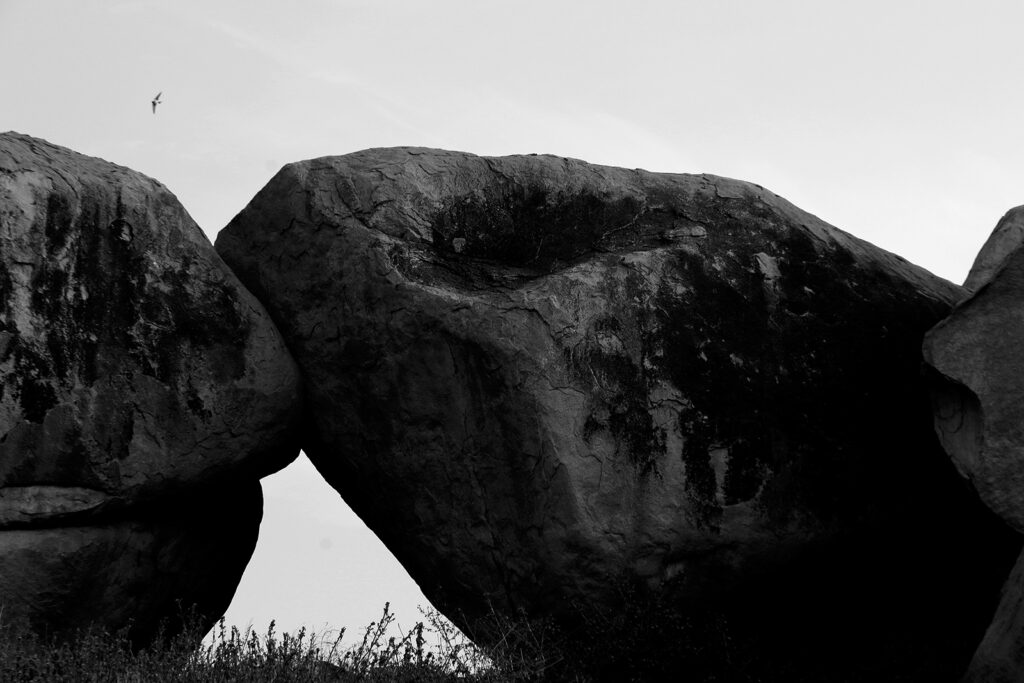
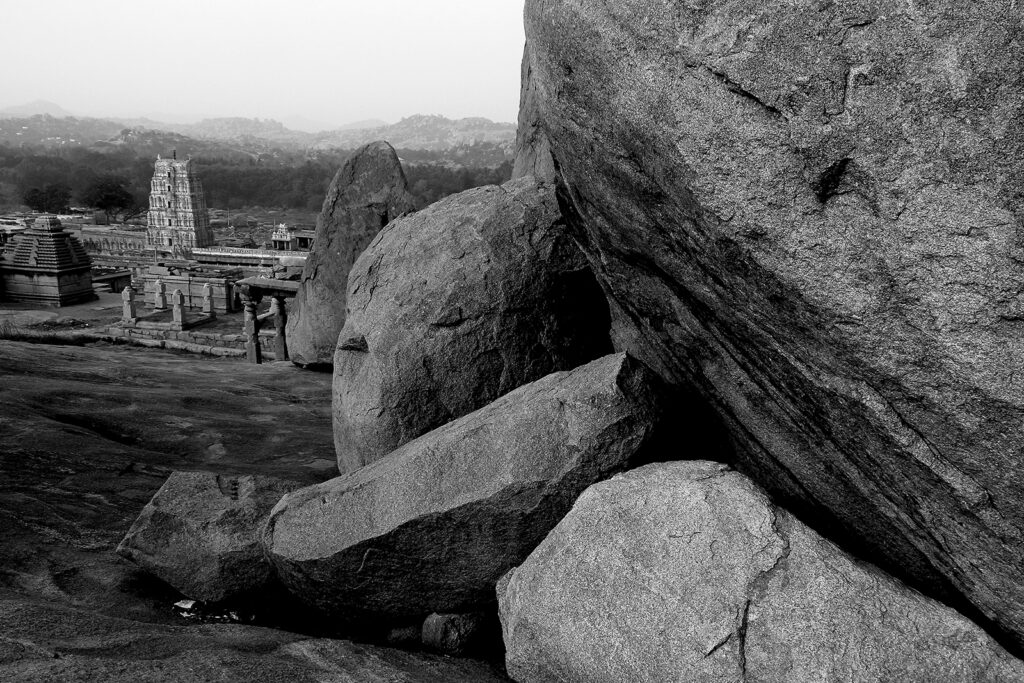
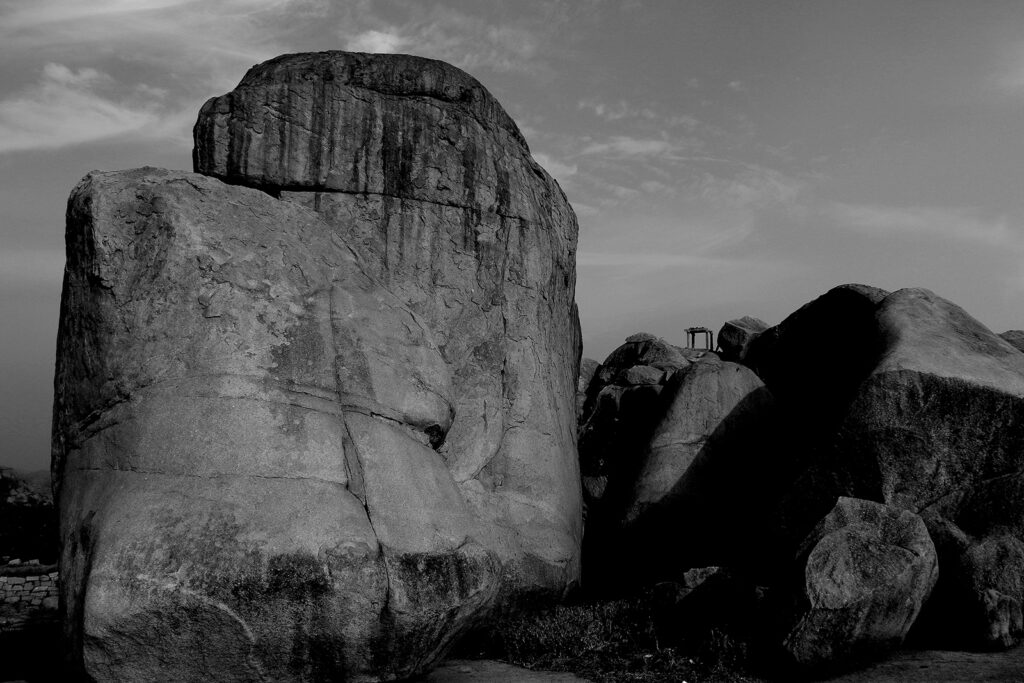
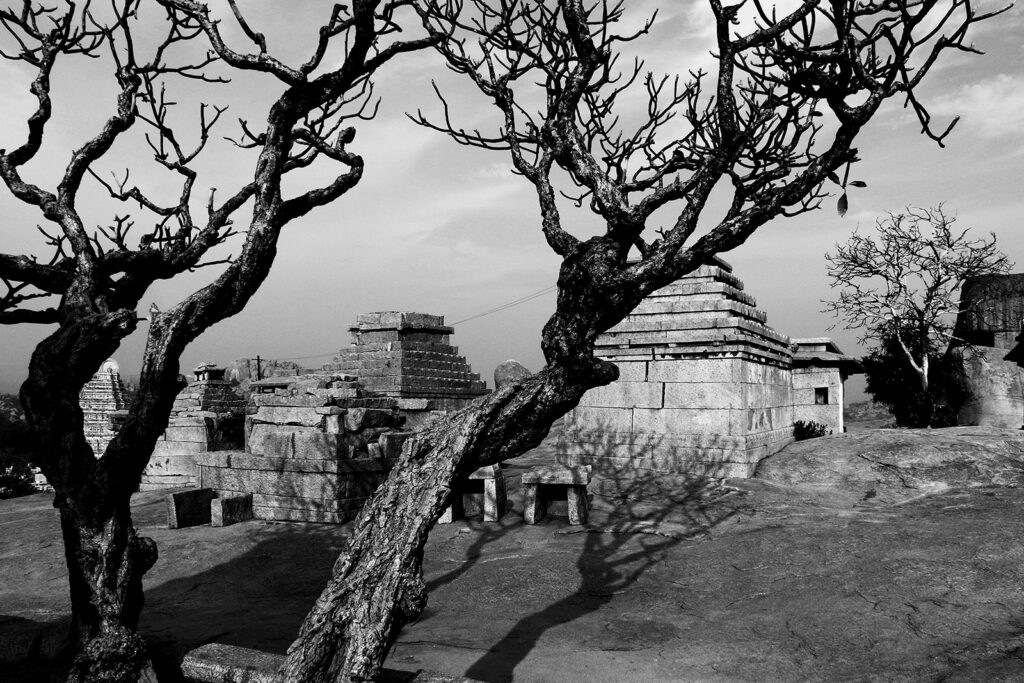
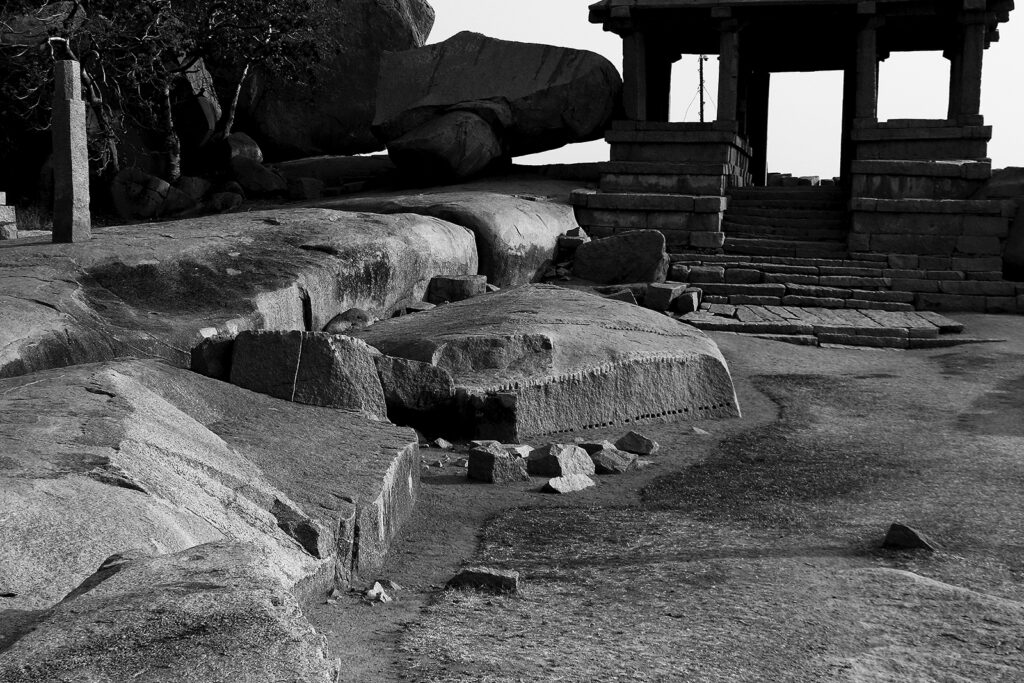
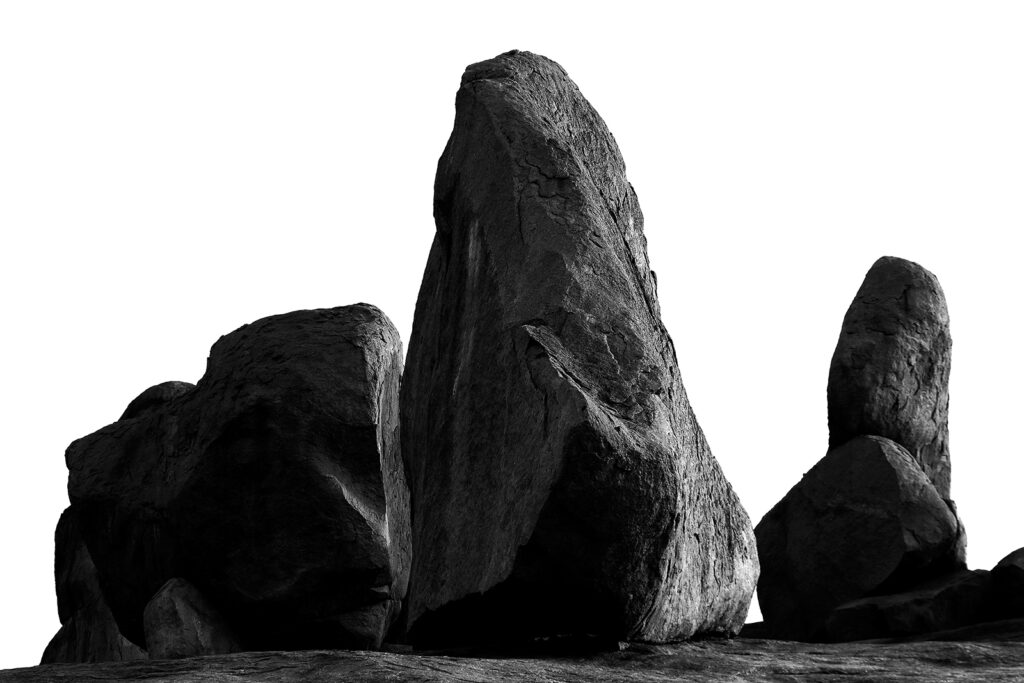
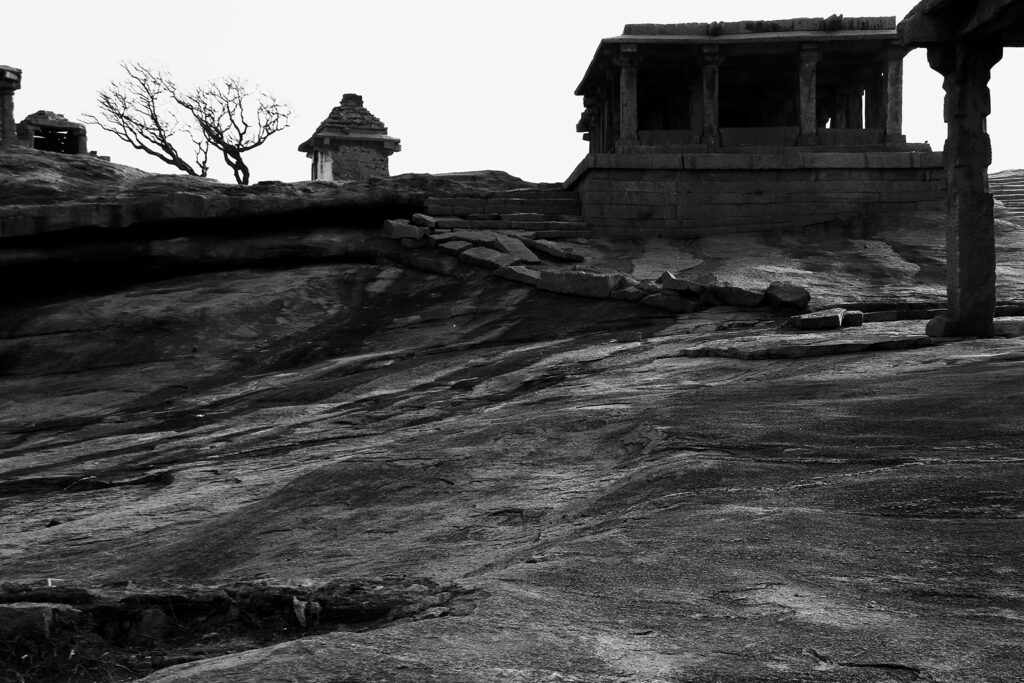
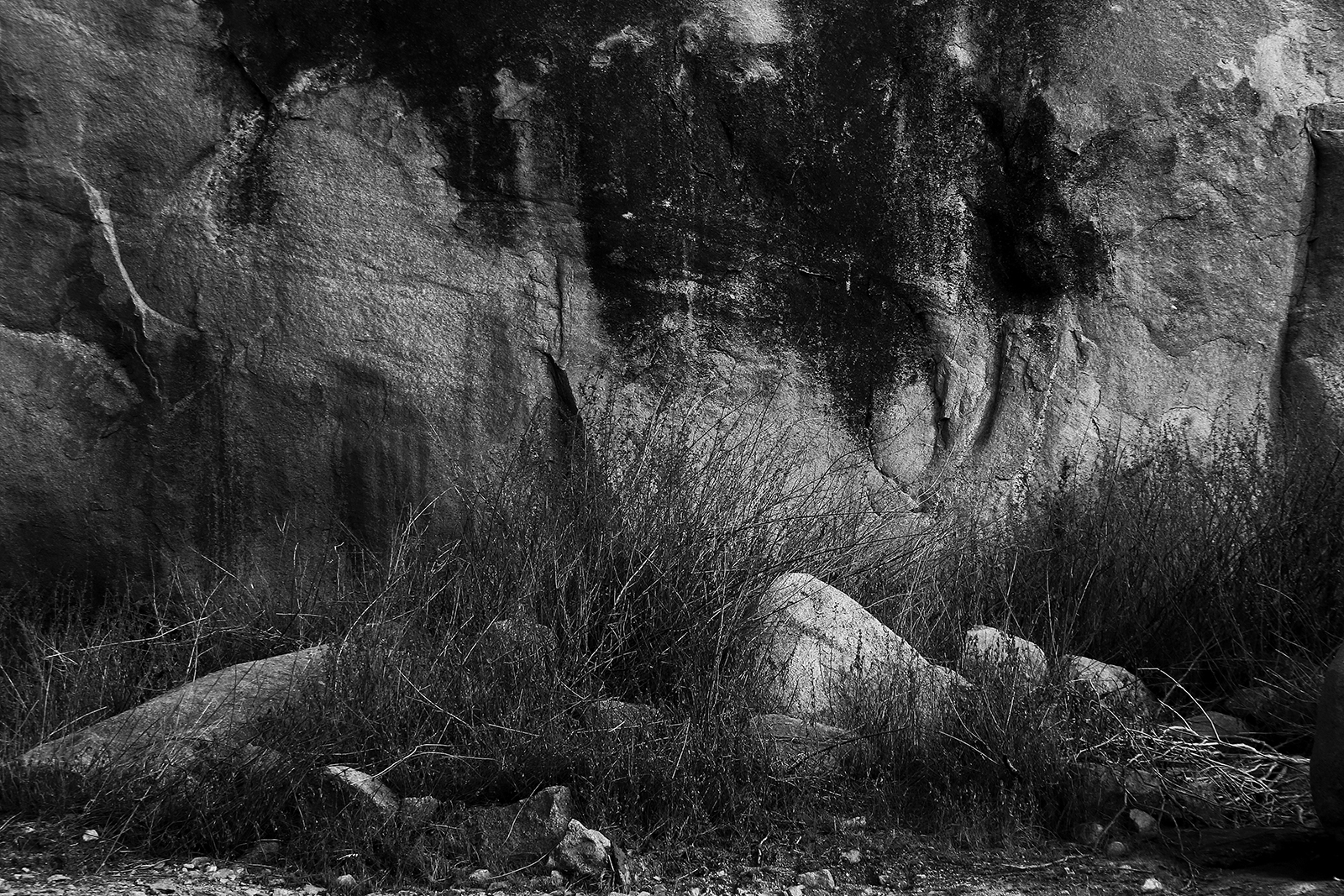
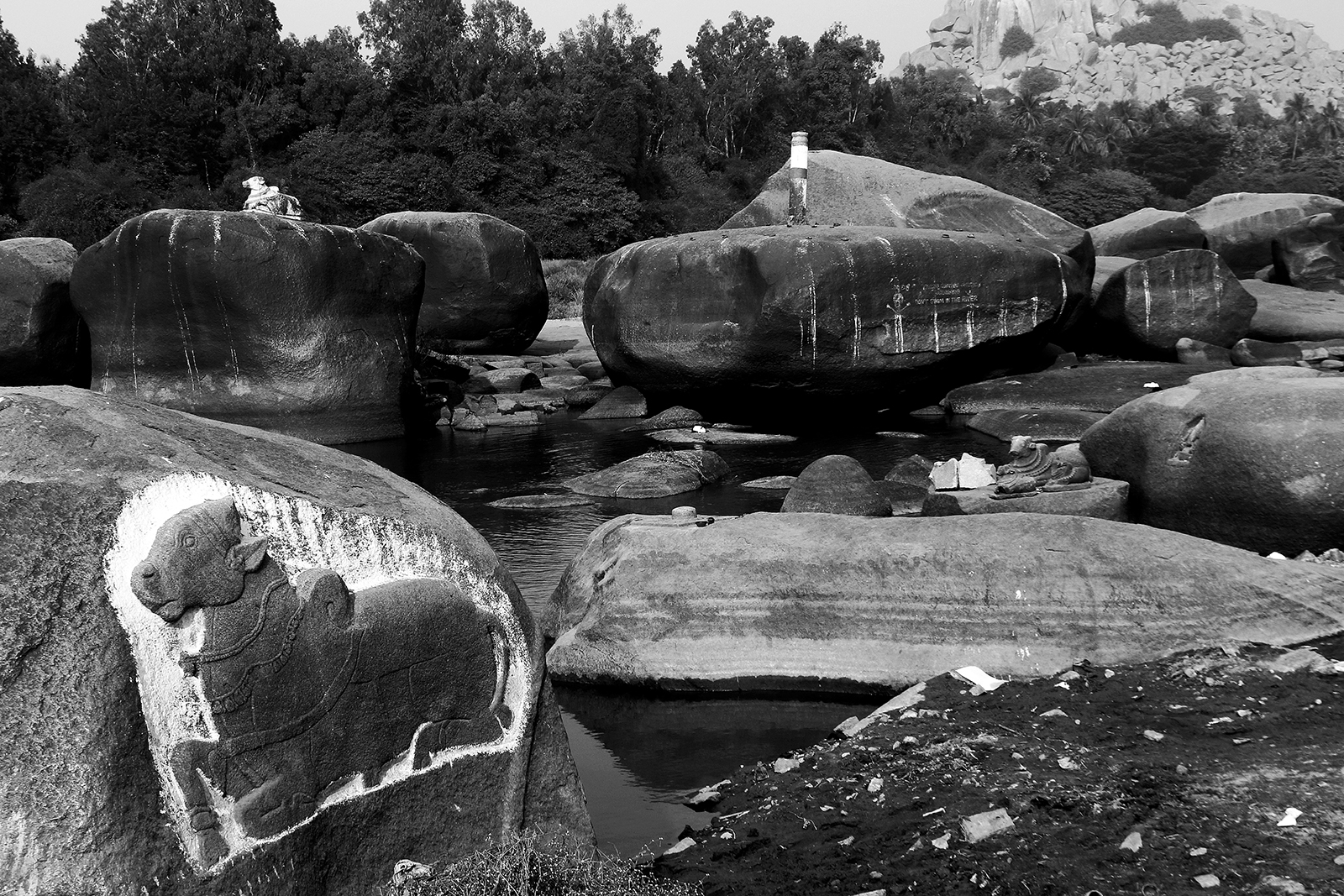
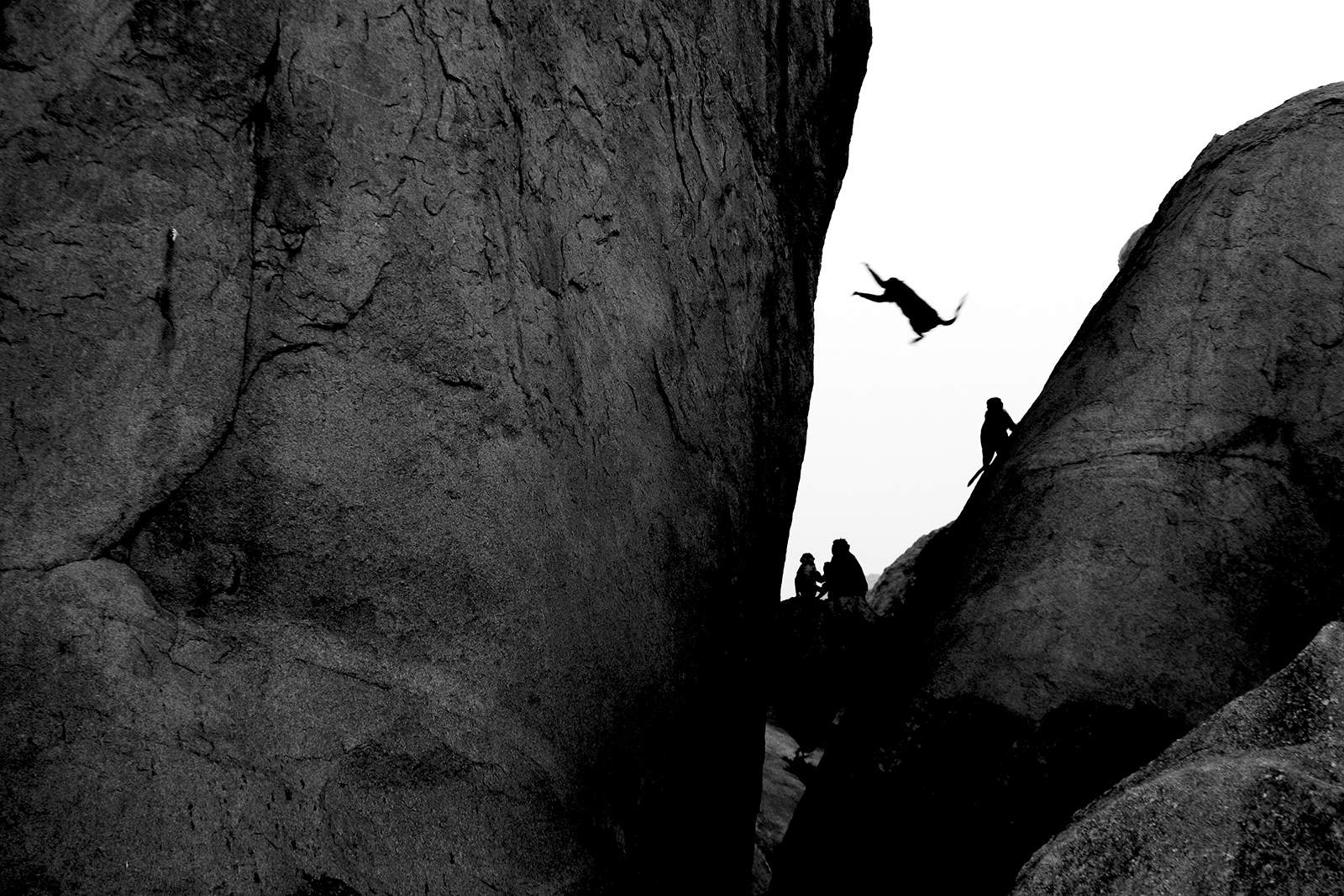
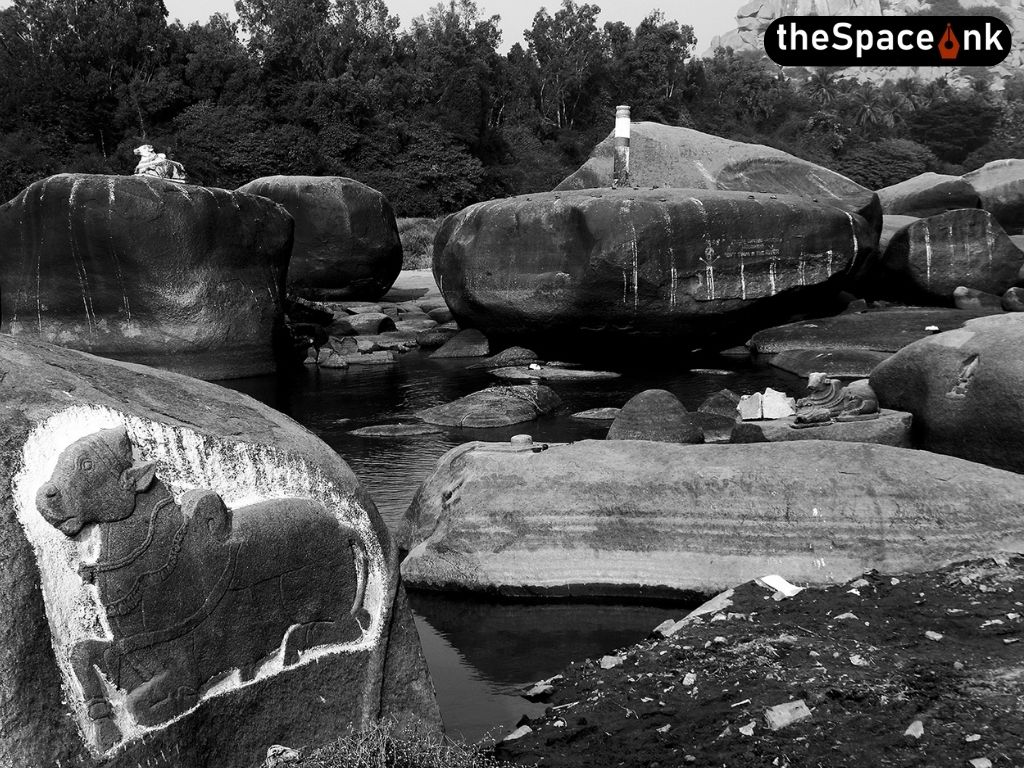
The first rays of dawn spill across a surreal landscape where giant granite boulders balance impossibly atop one another, glowing in shades of gold and crimson. Beneath them, temple towers emerge from the morning mist, their silhouettes reflected in the calm waters of the Tungabhadra River. This is Humpi, a place where history is etched into every stone, and where the ruins of a once-magnificent empire continue to inspire awe centuries after its fall.
For a photographer, Humpi is more than a destination—it is an open-air museum where light and shadow transform ancient monuments into living works of art. Every sunrise reveals a new perspective, every sunset paints the weathered stones with fresh emotion, and every winding pathway leads to another story waiting to be discovered.
Between the 14th and 16th centuries, Humpi was the capital of the Vijayanagara Empire, one of the greatest kingdoms in Indian history. At its height, the city dazzled travelers from Persia, Portugal, and Italy, who described broad avenues lined with bustling markets overflowing with silk, spices, precious gems, and exotic horses. Magnificent palaces, towering temples, and elaborate water systems reflected not only immense wealth but also extraordinary engineering and artistic achievement.
Although the empire came to a tragic end after the Battle of Talikota in 1565, its architectural legacy survived. Today, Humpi’s sprawling ruins, spread across a dramatic landscape of rocky hills and fertile riverbanks, stand as one of the world’s most remarkable archaeological treasures. Time has weathered its walls but has not diminished its spirit.
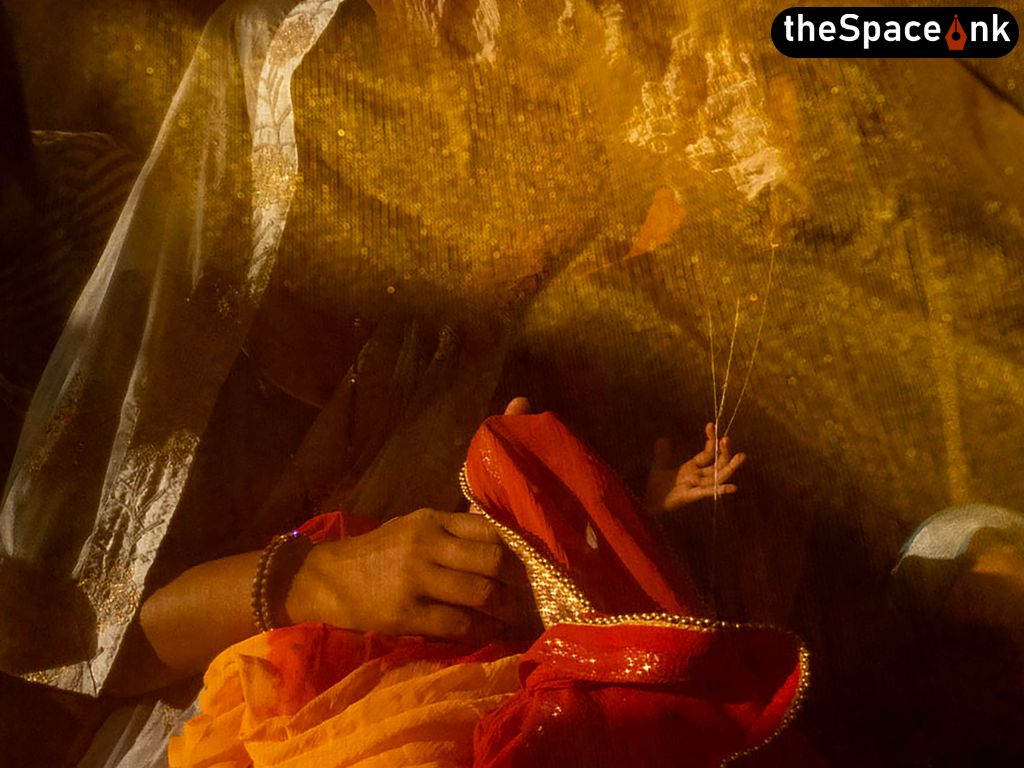
Photo Story: TREES – A sense of Perspective
The journey often begins at the Virupaksha Temple, where devotion has continued uninterrupted for centuries. Unlike many monuments that exist only as relics, this sacred temple remains alive with daily worship. Pilgrims bow in prayer, bells echo through pillared halls, and incense drifts into the morning air. The photographer’s lens captures not only intricate carvings but also the timeless relationship between faith and heritage.
A short distance away stands the Vittala Temple, celebrated for its extraordinary craftsmanship. Its iconic Stone Chariot has become the symbol of Humpi, standing gracefully as though prepared for a ceremonial procession that never ends. Every surface is carved with astonishing precision, while the famous musical pillars hint at a time when architecture and music were woven together in celebration. Even in silence, the temple seems to resonate with echoes of festivals long past.
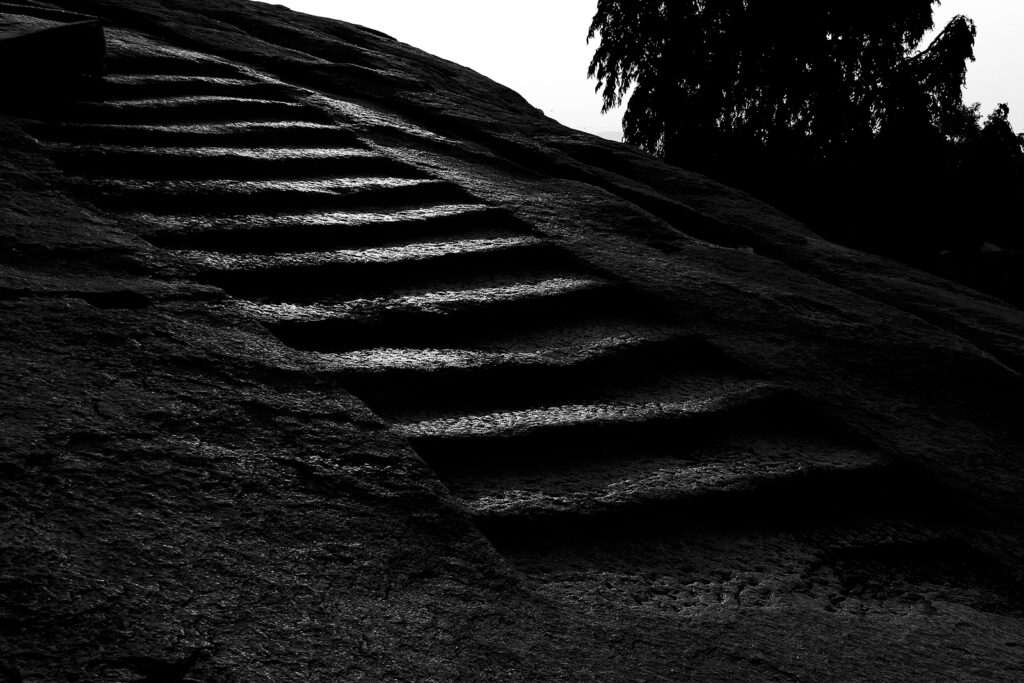
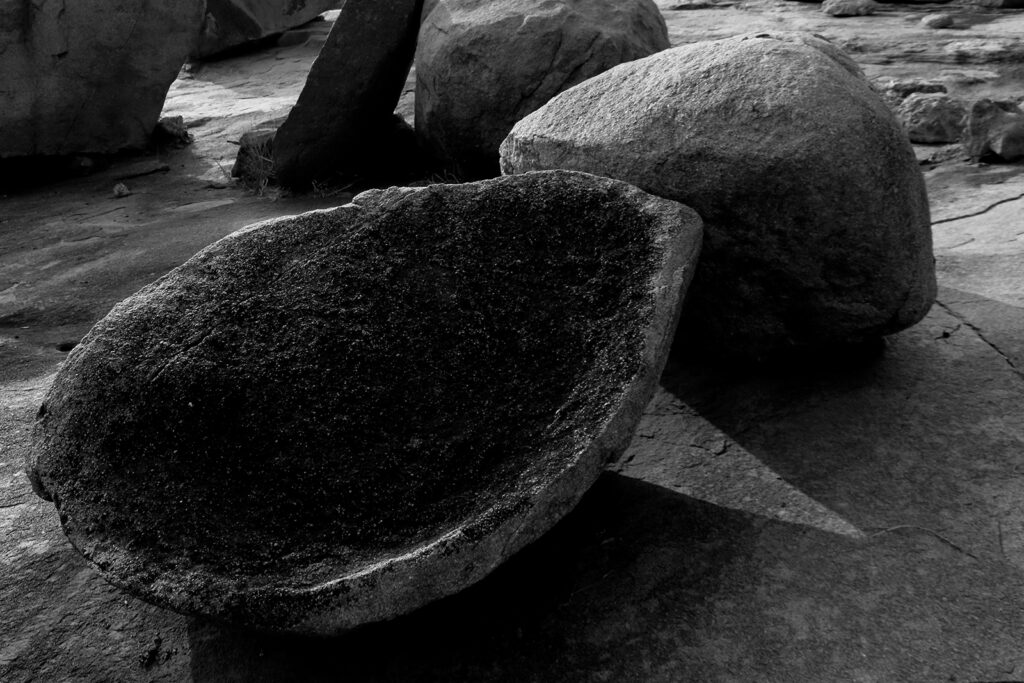
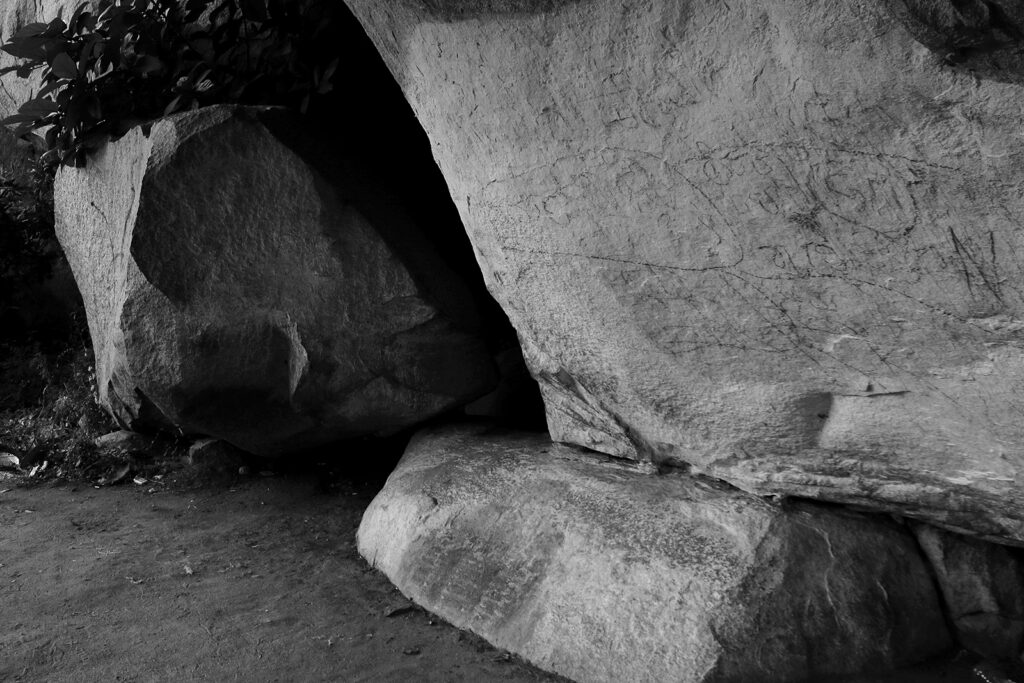
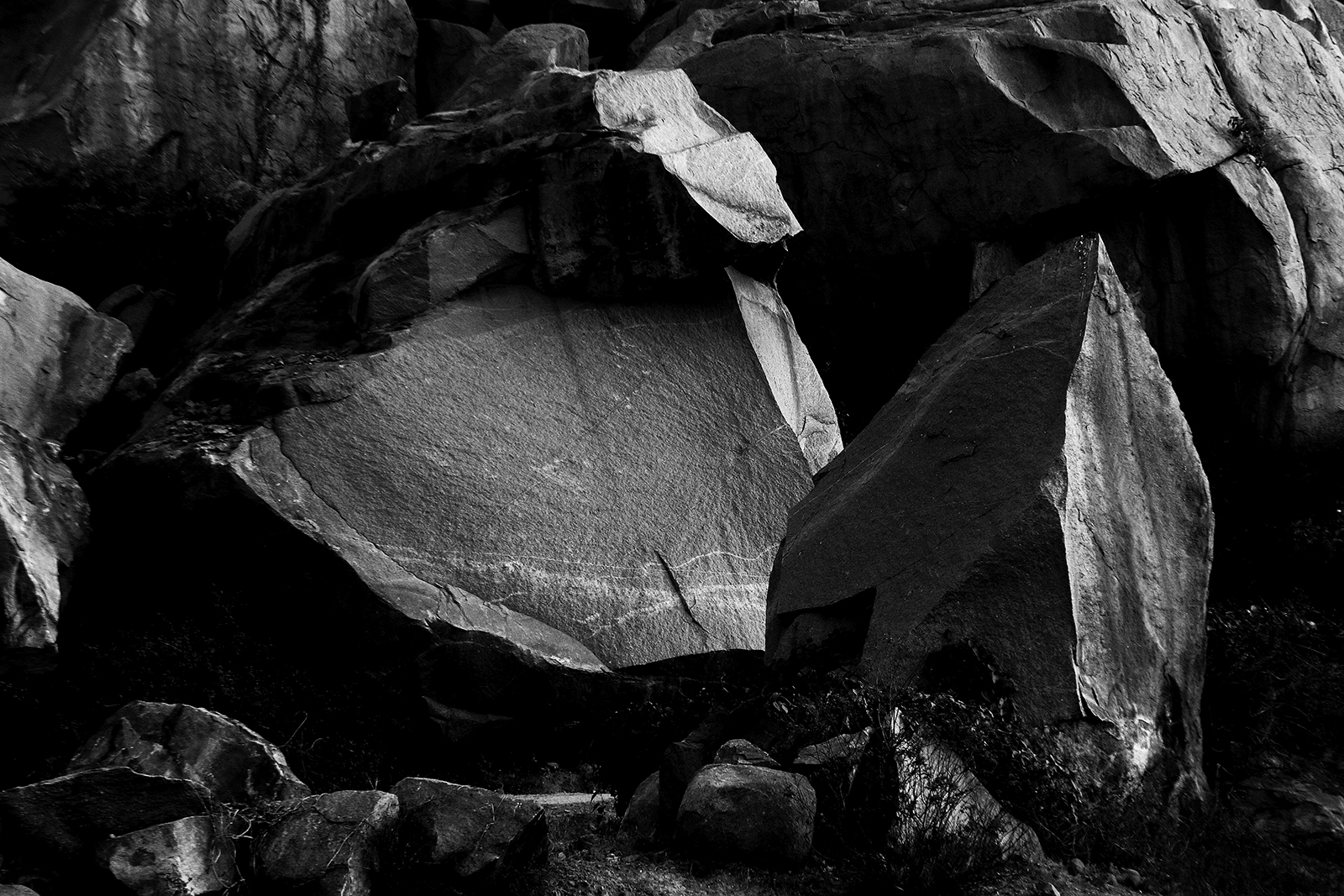
Beyond the celebrated landmarks lies the true magic of Humpi. Massive granite boulders rise like sculptures shaped by nature itself, creating a landscape unlike anywhere else in the world. Ancient stairways disappear into rocky hills, hidden shrines rest beneath enormous stones, and narrow pathways reveal breathtaking panoramas at every turn. From the summit of Matanga Hill, the view stretches endlessly across temple complexes, palm groves, rice fields, and winding rivers, revealing the extraordinary harmony between civilization and nature.
Photography in Humpi is an exercise in patience. Morning light softens the textures of carved granite, while the afternoon sun reveals intricate architectural details often overlooked by hurried visitors. As evening approaches, warm golden light bathes the ruins, transforming fractured walls into glowing masterpieces. Each hour presents a different mood, ensuring that no two photographs are ever the same.
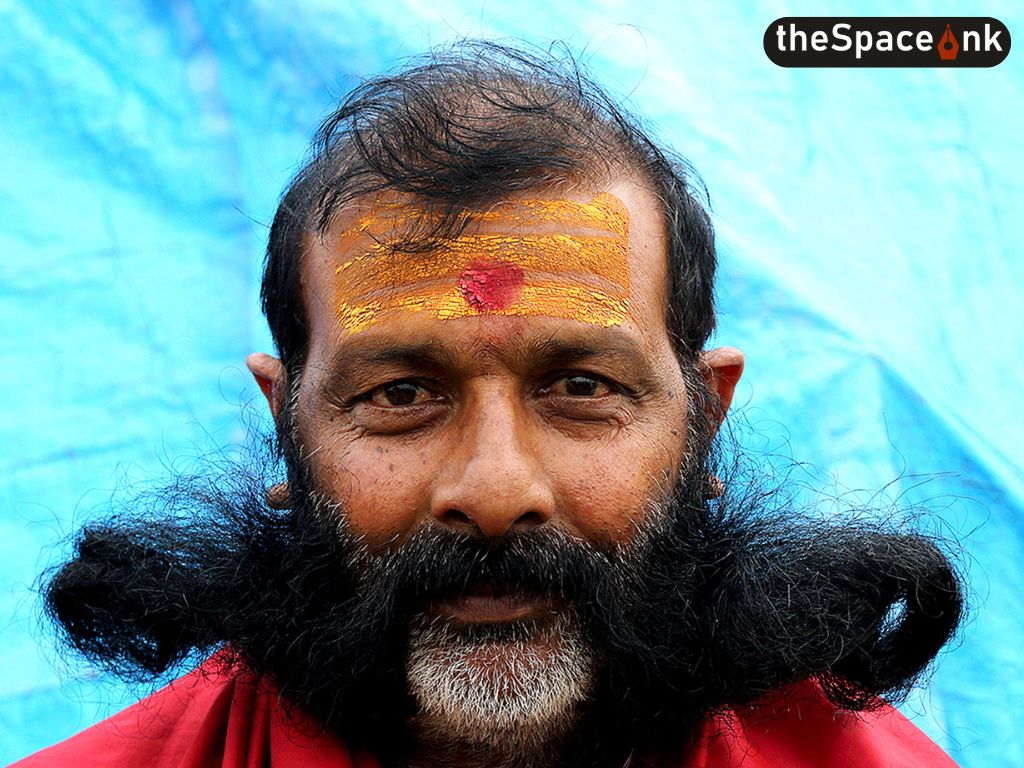
Photo Story: Eloquence of the Eye
Yet Humpi’s greatest beauty lies not only in its monuments but also in its people. Farmers cultivate banana plantations beside thousand-year-old temples. Children play cricket among ancient pillars. Fishermen paddle traditional coracle boats across the Tungabhadra River just as generations before them have done. These everyday moments breathe life into the archaeological landscape, reminding visitors that Humpi is not frozen in history—it continues to evolve while honoring its remarkable past.
The Royal Enclosure tells stories of imperial grandeur through elegant ruins. The Lotus Mahal, with its graceful arches blending Hindu and Islamic influences, reflects the cosmopolitan spirit of the Vijayanagara court. Nearby, the Elephant Stables showcase architectural sophistication reserved even for royal animals. Ingenious water channels, stepped tanks, and ceremonial platforms reveal a city designed with remarkable vision, where aesthetics and functionality existed side by side.
As daylight fades, Humpi becomes almost otherworldly. Long shadows stretch across ancient courtyards, birds circle above temple towers, and the surrounding hills glow with deep shades of orange and purple. In these quiet moments, the ruins seem less like abandoned monuments and more like silent storytellers patiently waiting for those willing to listen.
For photographers, Humpi offers endless opportunities to capture dramatic landscapes, intricate carvings, vibrant local culture, and breathtaking natural light. Wide-angle compositions reveal the scale of the ancient city, while close-up details uncover delicate sculptures shaped by master artisans over five hundred years ago. Every photograph becomes a dialogue between history and the present.
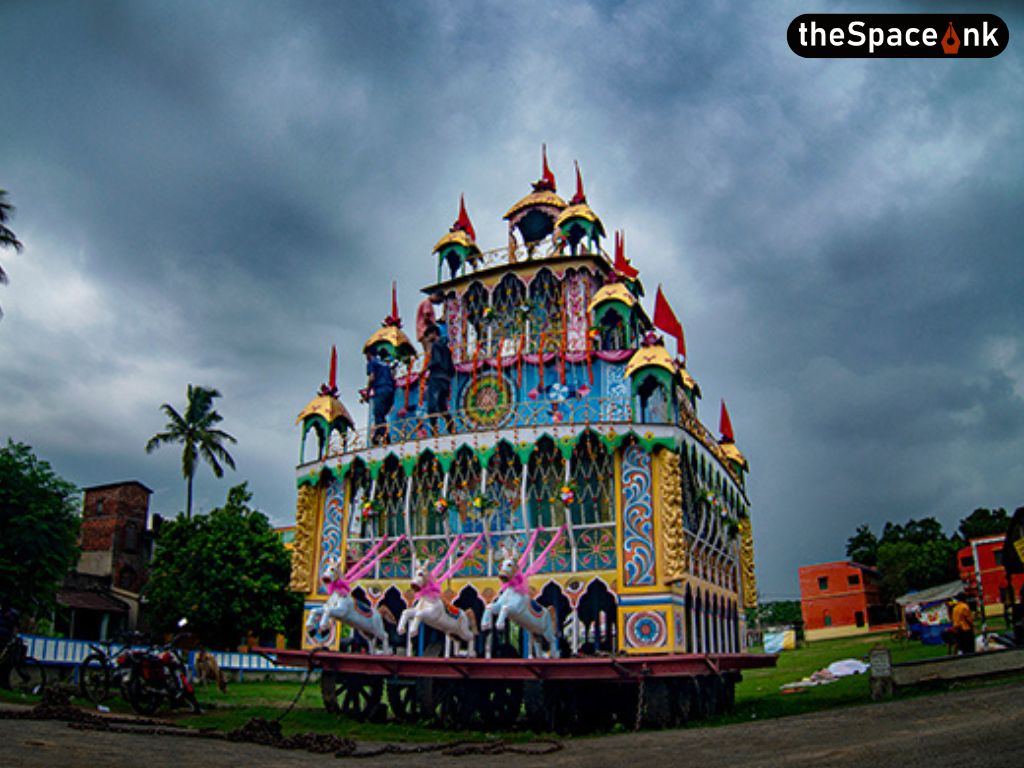
Photo Story: Ballad of the Water, the Woods & the Woman: Monsoon Haats of Koraput
Yet no camera can fully capture what Humpi truly represents. Its greatest gift is not merely visual beauty but perspective. It reminds us that even the mightiest empires are temporary, while art, faith, and human creativity possess the power to outlive kingdoms. The stones of Humpi have witnessed triumph and tragedy, celebration and silence, destruction and renewal. They remain standing—not as symbols of loss, but as monuments to resilience.
As I packed away my camera on my final evening, I realized the most unforgettable image of Humpi would never appear on a memory card. It would remain in memory itself: the sound of temple bells drifting across the river, the warmth of sunlit granite beneath my hands, and the quiet realization that some places are too profound to be captured completely.
Humpi does not simply preserve history—it allows visitors to walk through it. Every ruined gateway, every carved pillar, every balancing boulder contributes to a story that continues to unfold beneath open skies. Here, the stones do not merely stand in silence. They sing.

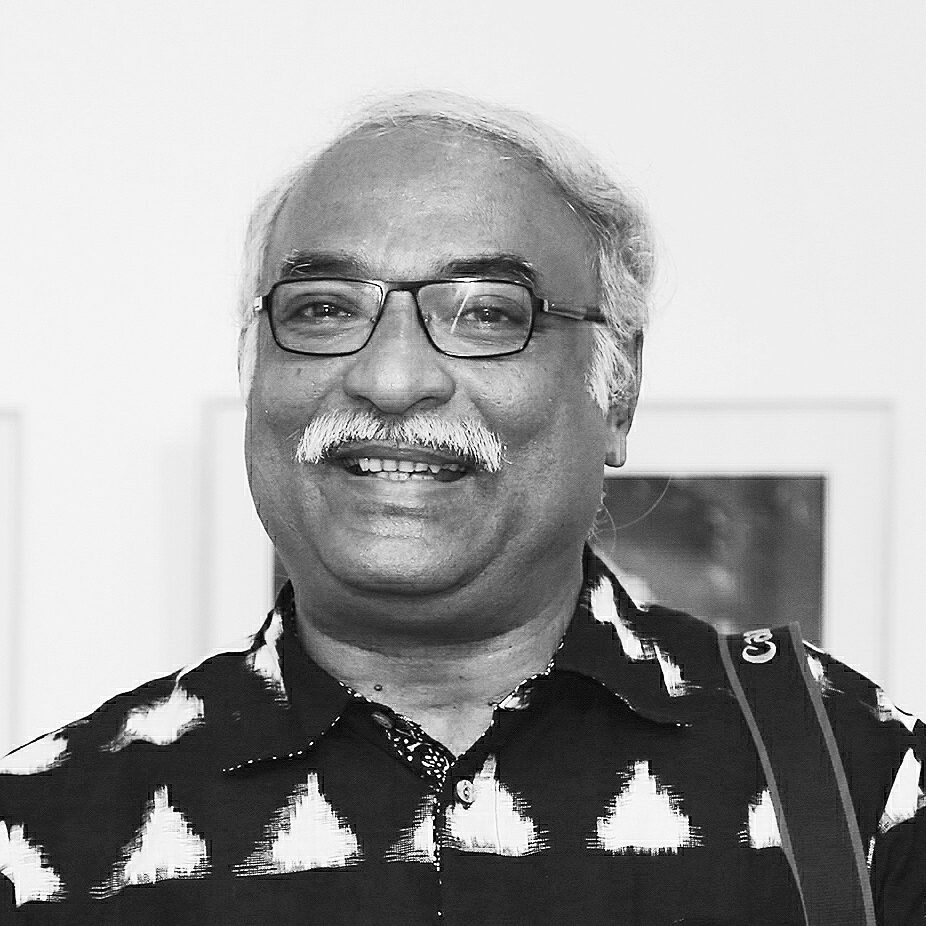
NILANJAN RAY has a handful of exposed stock on “HUMAN INTEREST” and keeps stock of other people’s money in a Bank since it is his profession. He has received Merit Prize from National Geographic, USA & National Award from Photo Division, Govt. of India twice.
His Solo Photography Exhibition on ‘VARANASI - AN ETERNAL CITY’ was organized by OXFORD BOOKSTORE, Kolkata, NATIONAL CENTRE FOR PERFORMING ARTS, (NCPA), Mumbai and INDIA INTERNATIONAL CENTRE (IIC), New Delhi.
His Solo Photography Exhibition on “FAITH – A QUAINT EMOTIONS” was organized by INDIA INTERNATIONAL CENTER, NEW DELHI.
Other than above, his photographs were selected for exhibition at British Council, UNICEF, ACADEMY OF FINE ARTS, Calcutta, LALIT KALA ACADEMY, New Delhi etc. Photographs are also selected for a Book” Framed City”- published at Indian Art Festival, New Delhi. Photographs were also selected for a Book “INDIA- 5 Senses“ by Roli Books. Photographs & Articles are published regularly in leading daily Newspapers and Magazines.