

Bali and the Business of Paradise
An Audience with the Ocean: My First Scuba Dive
While my family spent the day exploring museums and relaxing in Ubud, I boarded another fast boat to Nusa Penida. This journey felt different. For over a decade, one item had occupied a permanent place on my bucket list: scuba diving. The original plan was to dive at Manta Point, famous for sightings of giant manta rays. However, rough seas and strong undercurrents forced my instructor to make a last-minute change to Crystal Bay.
Also Read: Bali and the Business of Paradise: Part 1
After a short training session on the surface of the sea, my trainer assisted me in descending into the seabed about 30ft deep. The first thing I noticed was the silence. Not the absence of sound, but a different kind of silence altogether. The world above disappeared. No boat engines. No conversations. No phones ringing. Only the steady rhythm of my own breathing. Each breath echoed through the regulator with mechanical precision, becoming the soundtrack to an entirely new world.

Seeing that I got comfortable upon descending, my trainer gave me a free hand to explore the rich marine life but kept me close under his watch, ensuring my safety, and that I got good videos and pictures of my experience. The water was a cathedral of blue light. Sunbeams pierced through the surface and danced across colourful coral formations. Schools of fish drifted effortlessly through the currents while algae appeared like underwater gardens.
Indian influence is visible everywhere. Bollywood songs are played in restaurants, shops and by DJs. Vendors greet tourists with enthusiastic cries of “Kuch Kuch Hota Hai!” and “Bohot sasta!” Shah Rukh Khan appears to enjoy near-mythical status across the island.
For forty-five minutes, nothing else existed. It was just me, my instructor, another diver and the ocean. The coral reefs revealed an astonishing variety of textures and colours. Tiny fish darted between crevices while larger species glided calmly past us. Everything seemed slower, quieter and infinitely more graceful than life above the surface. The experience was nothing short of transformative.

For the first time, I understood exactly why Hrithik Roshan’s character in Zindagi Na Milegi Dobara breaks down emotionally after scuba diving. There is something profoundly humbling about entering a world where humanity is merely a visitor. Back on land, I celebrated with a plate of Mie Goreng and chicken satay before heading to Ubud to rejoin my family. Yet even hours later, part of me remained underwater.
Ubud: A palette of Greens, Browns and Greys
If Bali had an artistic soul, it would reside in Ubud. The town seems painted in shades of green, brown and grey. Ancient stone temples emerge around every corner. Wooden carvings adorn doorways while vines creep across old walls. Everything feels intentionally aesthetic, yet somehow authentic. Ubud is a quaint tropical exotic town with aesthetic cafes and bars, boutiques, Balinese villas, walkable lanes and markets revolving around the Ubud Palace and Ubud Water Palace.
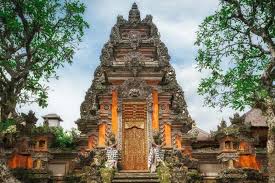
Both are historical building complexes of traditional Balinese wooden and stone architecture, although most parts are cordoned off for the public. The market has a variety of shops best for shopping for souvenirs ranging from woodwork to crochet clothes to batik prints to drawings, frangipani/jepun-designed products, amongst other things. For students of architecture, design and art, Ubud feels like a living museum.
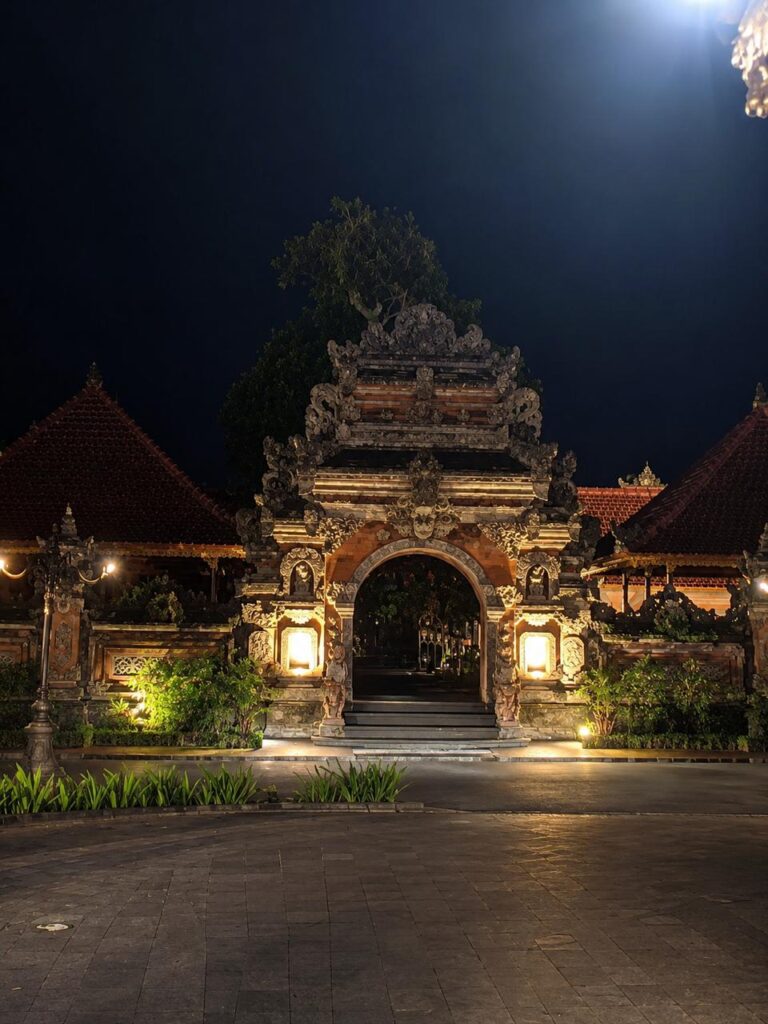
Our resort was adjacent to the Monkey Forest, from which almost always monkeys flee into neighbouring localities. The monkeys treated our resort as an extension of their territory. They knocked on doors, fought in the gardens, invaded balconies, snatched belongings and occasionally left behind unpleasant reminders of their presence.
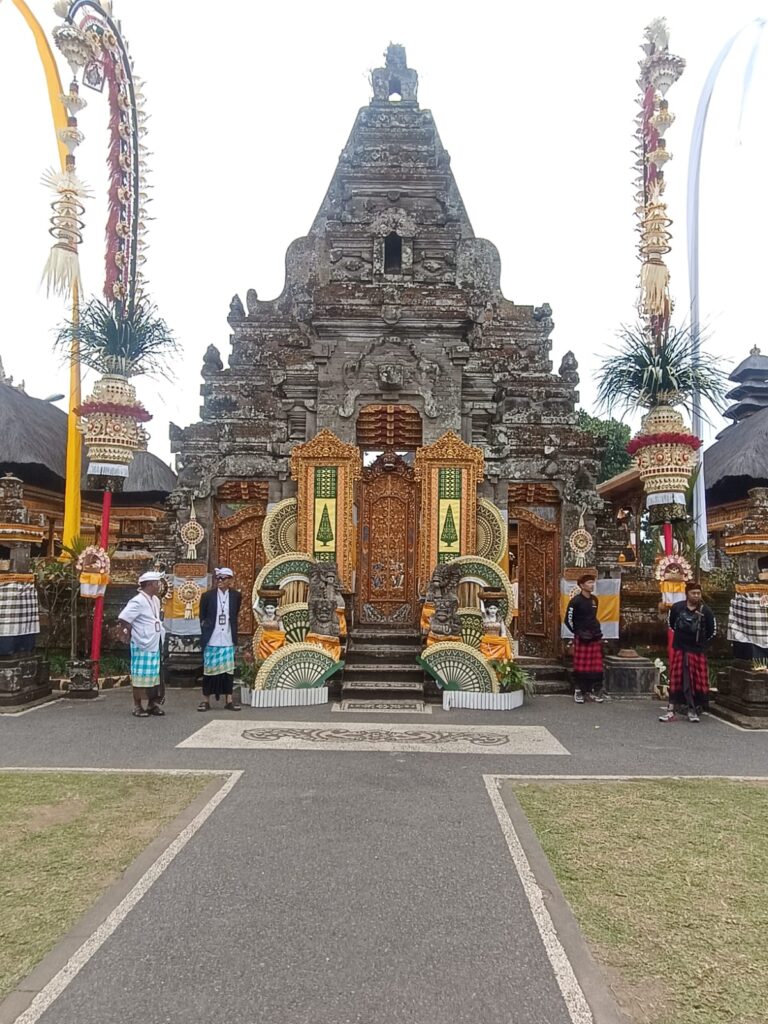
From Ubud, we visited Desa Swing. Towering above a lush valley, the giant swing offers visitors the opportunity to soar dramatically over the jungle while photographers capture the perfect shot. Fun, yet it also epitomises modern tourism’s obsession with creating experiences specifically for social media. Visitors rent flowing dresses with impossibly long trains, creating curated Instagram posts. Later, we visited Tegenungan Waterfall. Although many visitors descended to swim in the plunge pool below, we found ourselves distracted by souvenir shopping instead.
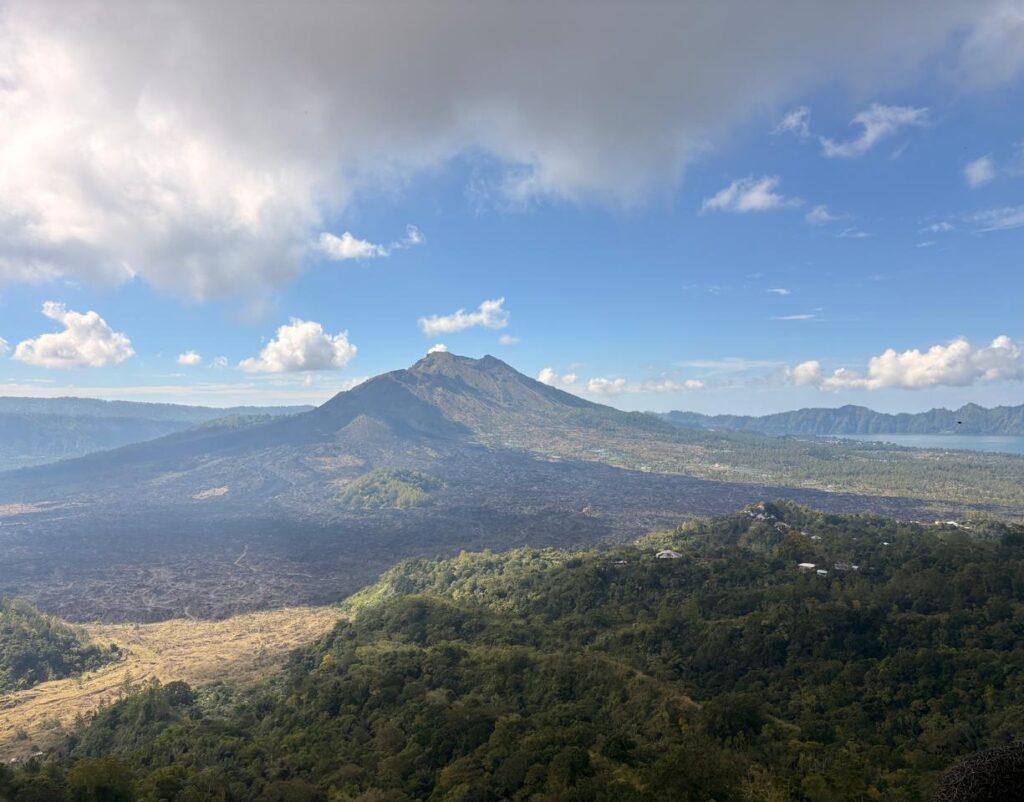
Our final stop was the Kintamani Highlands. From there, Mount Batur dominated the horizon. Rather than hiking the active volcano or taking a jeep tour, we chose the far more comfortable option of enjoying lunch while admiring the view from a hilltop restaurant. Sometimes the best travel decisions involve sitting still and appreciating the landscape adorned by a big caldera and sweeping lake.
Also Read: Blissful Bhutan: A Himalayan Secret – Part 1
On the return journey, we attempted to visit the famous Tegalalang Rice Terraces, cascading down the hillside. However, the constant attempts to monetise every viewpoint somewhat diminished the experience. Ironically, for someone from India, where agricultural landscapes are hardly uncommon, the spectacle felt less remarkable than the tourism built around it.
The Authentic Bali beyond the Postcards
By the end of the trip, a question lingered in my mind: “What exactly is authentic Bali?”
The answer, I believe, is not found in beach clubs, jungle swings or curated Instagram reels. Much of Bali has consciously commercialised itself to satisfy the expectations of white tourists seeking a romanticised version of the island. Cafés, boutiques, resorts and attractions often feel designed to provide visitors with the “quintessential Balinese experience.”
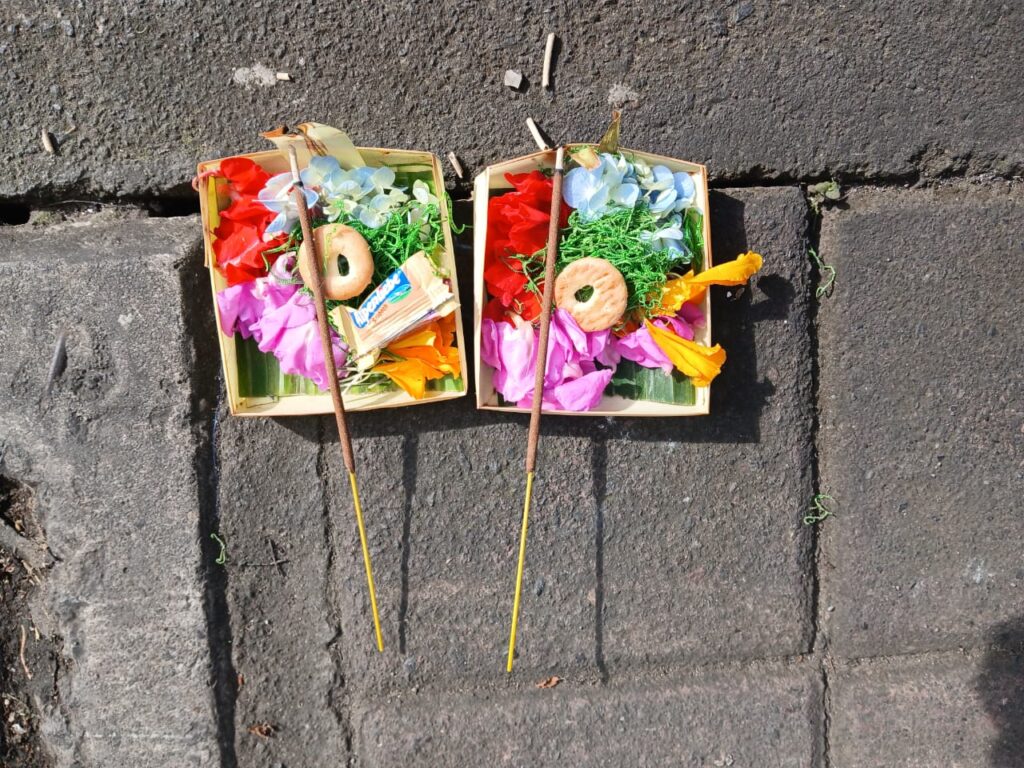
Yet beneath this carefully curated surface lies something far more genuine: Balinese spirituality. Every home seems to contain a temple worshipping the ancestors. Every street corner appears to host a shrine draped in cloth and perfumed with incense. Small bamboo trays filled with flowers, fruits, and offerings rest outside hotels, offices, restaurants, and homes. These rituals are not performed for tourists. They are simply part of daily life.
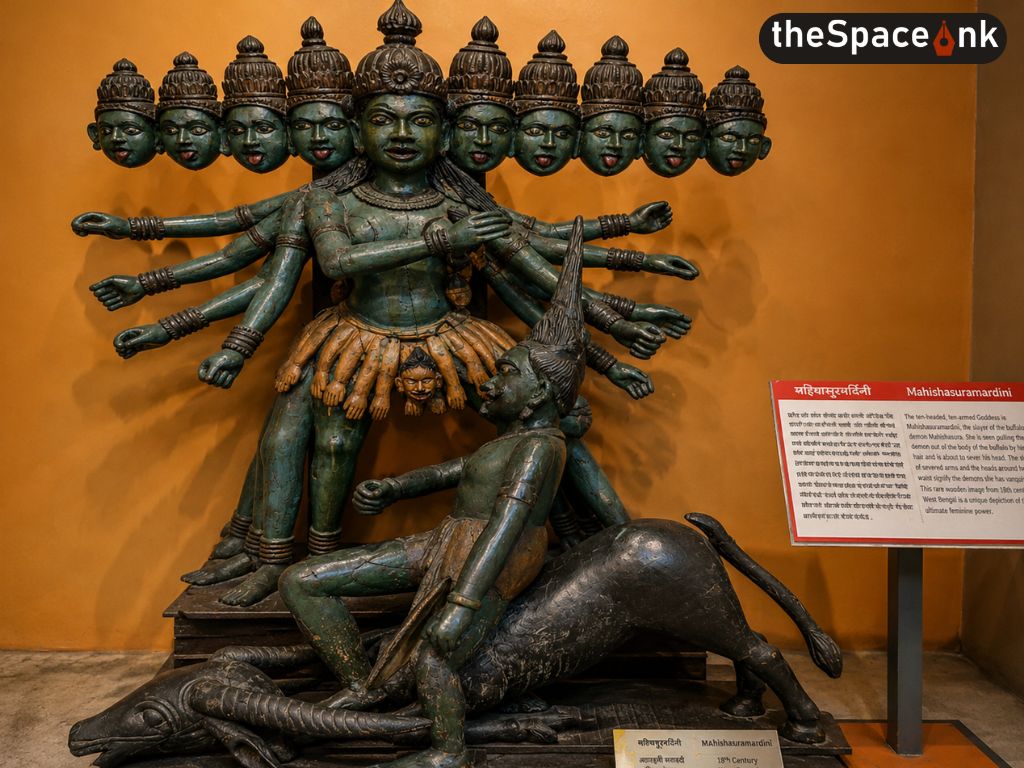
Even traffic circles tell stories. Across the island stand statues of Ghatotkach, the Pandavs and Yudhishthir, reflecting Bali’s longstanding relationship with Hindu epics. Thousands of kilometres away from India, fragments of familiar mythology continue to thrive in unexpected ways.
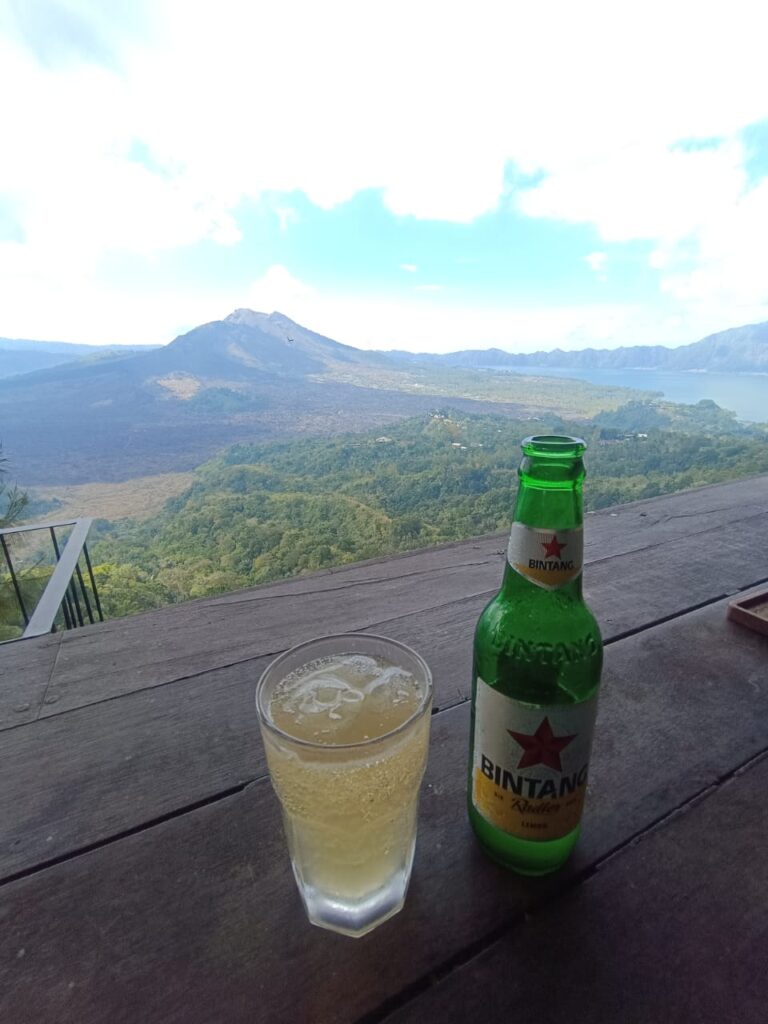
Beyond spirituality, Bali excels in the art of slow living. The absence of noise pollution is striking. Villages remain remarkably clean. The pace of life feels gentler, less hurried. Food is consistently exceptional. A must-try is Bintang Radler. Hospitality is generally warm, though we occasionally sensed that white tourists received marginally more enthusiastic treatment than their brown-skinned counterparts, perhaps because bargaining is less common for the whites.
Also Read: Blissful Bhutan: A Himalayan Secret – Part 2
Indian influence is visible everywhere. Bollywood songs are played in restaurants, shops and by DJs. Vendors greet tourists with enthusiastic cries of “Kuch Kuch Hota Hai!” and “Bohot sasta!” Shah Rukh Khan appears to enjoy near-mythical status across the island. At times it feels amusing. At times, performative. But it also reflects Bali’s remarkable ability to absorb global influences while retaining its own identity.
Final Reflections: The Island in Retrospect
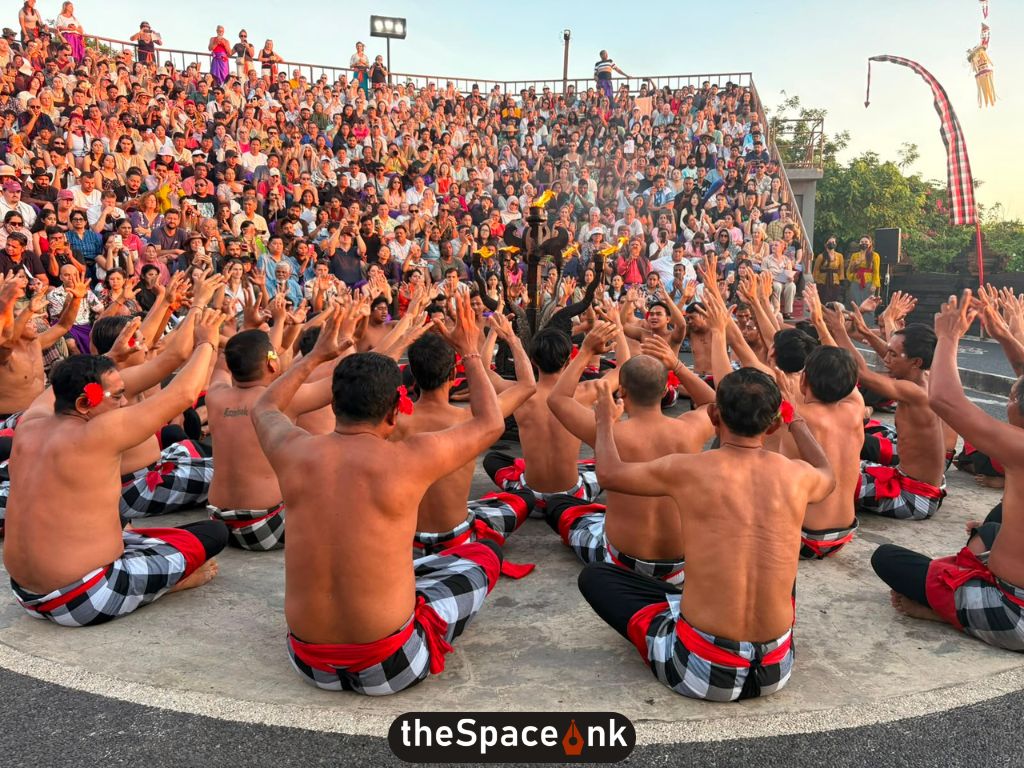
When I think of Bali now, I remember sounds, scents and views—the chants of the Kecak dancers, the silence beneath the ocean, the fragrance of frangipani, the turquoise waters of the Indian Ocean, the emerald hills of Ubud, and the marvellous architecture and conversations with my family and the locals.
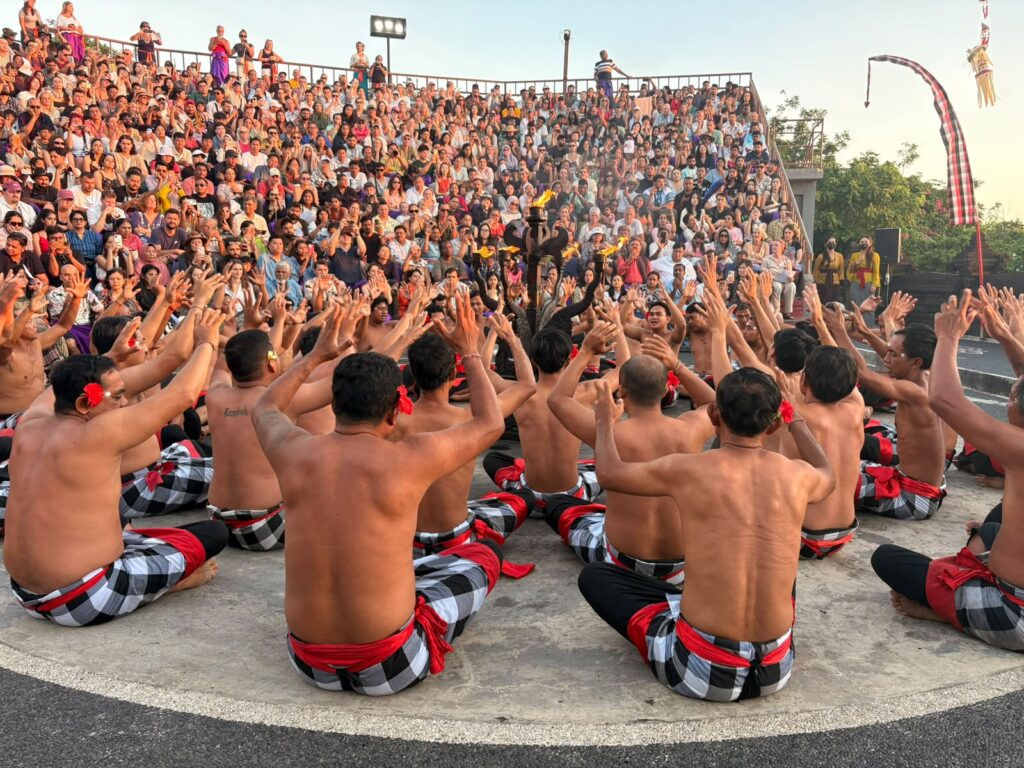
Somewhere between the Instagram aesthetics and the ancient rituals, Bali revealed its true self. Not as a flawless paradise, but as an island that has learned to balance modern tourism with centuries-old faith. And perhaps that balance is what makes one feel like a billionaire in Bali.
All Rights Reserved
Image Courtesy: Author

Aradhita Banerjee is an Advocate, practicing primarily at the Calcutta High Court. She has pursued law from Symbiosis Law School, Pune, after completing her under graduation in Political Science (Hons) from St. Xavier's College, Kolkata. She hails from a musical Bengali family in Kolkata. When she is not delving into legal texts, she is exploring new destinations, reading new books, and appreciating cinema and fine arts.

5 Responses
A picturesque description left me visualising the entire scenario
Keeping this bookmarked for future travels! 🙌🙇🏻♂️
After reading this beautiful article, I have no regrets for not visiting Bali. She covered the quintessential points of attraction for tourists like us . Natural flow of describing the different attributes of the island, keep readers riveted throughout. Enjoyed very much and wish more such articles from her.
An authentic review of Bali & Balinese Culture.
I was really intrigued by the way Aradhita has narrated about the ancient Indian connection with Bali. The mingling of culture going beyond religious and political boundaries is quite astounding. Along with photographs of landscapes and culinary delicacies have added a lot to this article. Thanks again. Looking forward to reading more like this.