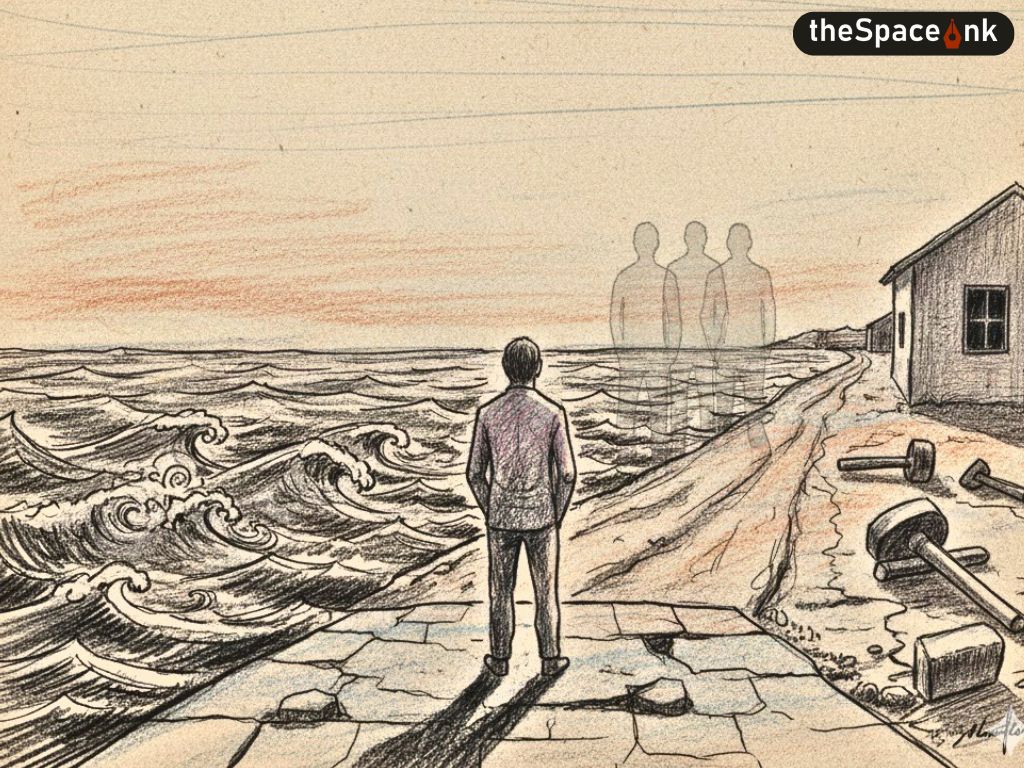
(Pablo Neruda)
Pablo Neruda (1904-1973)
Pablo Neruda was a Chilean poet, diplomat, and Nobel laureate. His work ranges from intimate love poems to political and historical epics. Exile, activism, and global conflict shaped much of his voice. He remains one of the most influential poets of the 20th century. (Pablo Neruda)
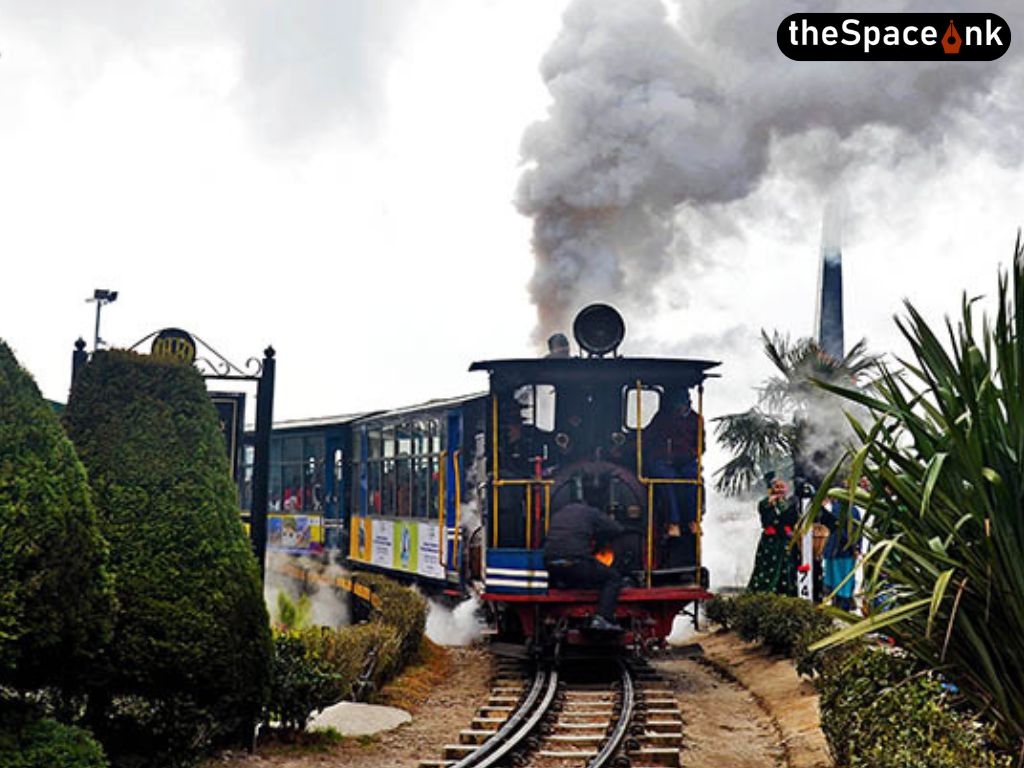
Burial in the East
I work nights, in the ring of the city,
among fisherfolk, potters, cadavers, cremations
of saffron and fruits shrouded into red muslin.
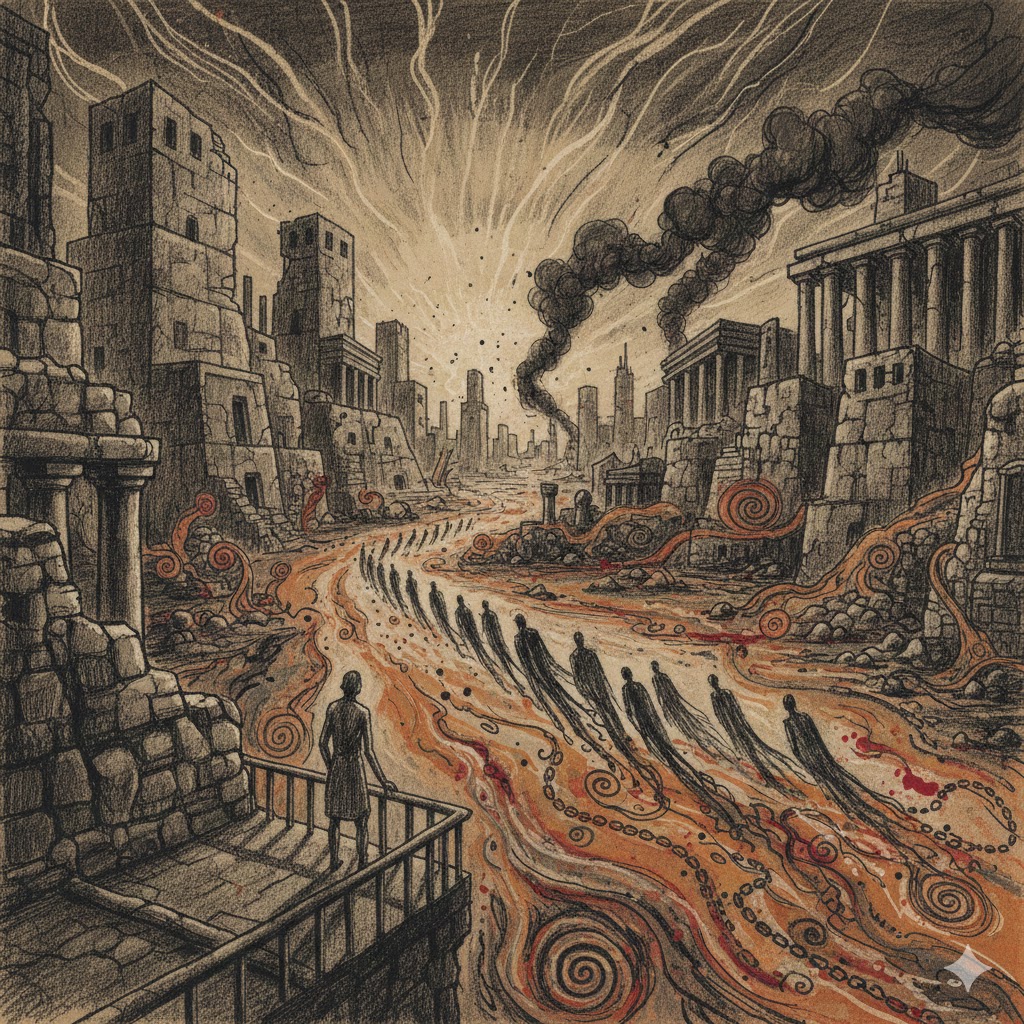
Under my balcony pass the terrible dead
sounding their coppery flutes and their chains,
strident and mournful and delicate-they hiss
in a blazon of poisoned and ponderous flowers,
through the cries of the smoldering dancers,
the tom-tom’s augmented monotony,
in the crackle and fume of the woodsmoke.
One turn in the road, by the ooze of the river,
and their hearts, clogging up or preparing some monstrous exertion,
will whirl away burning, their legs and their feet incandescent;
the tremulous ash will descend on the water
and float like a branching of carbonized flowers a bonfire put out by the might of some wayfarer who lighted the black of the water and devoured some part
of a vanished subsistence, a consummate libation. (Pablo Neruda)
Also Read: Firefly or Minuku Hulu by ManjuNayak Challuru
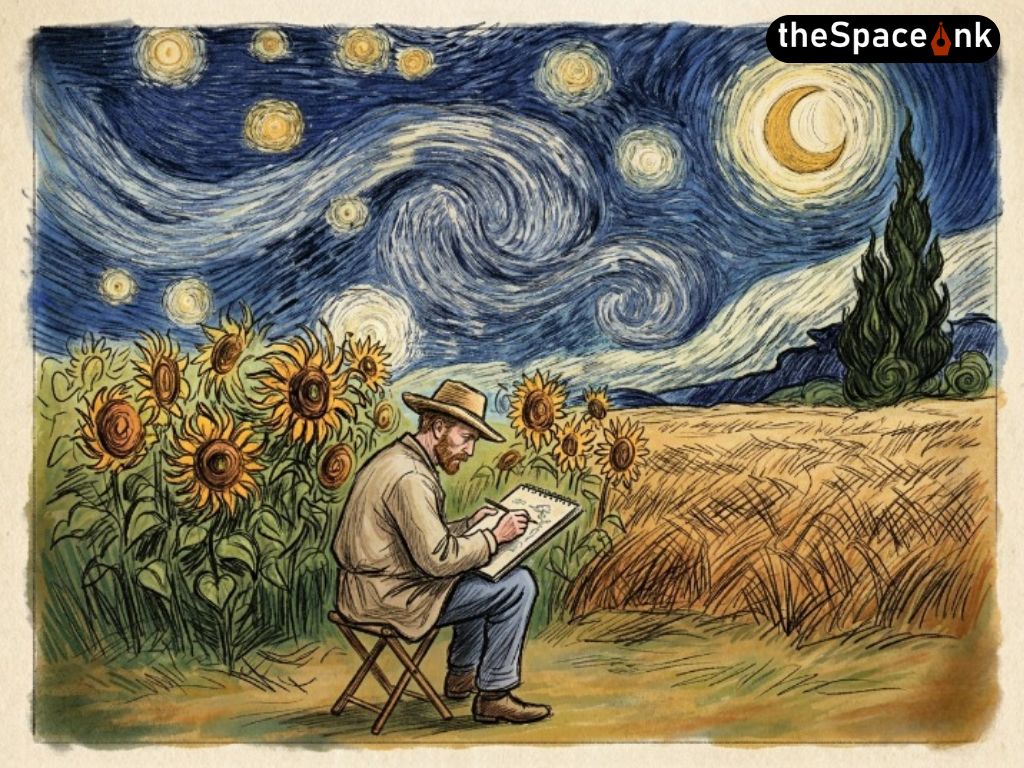
It Means Shadows
How silly to think about it, what pure omen,
what a definitive kiss to bury in the heart,
to yield in the origins of helplessness and intelligence,
soft and safe upon the eternally troubled waters?
What vital, rapid wings of a new angel of dreams
to lay upon my sleeping shoulders for perpetual safety,
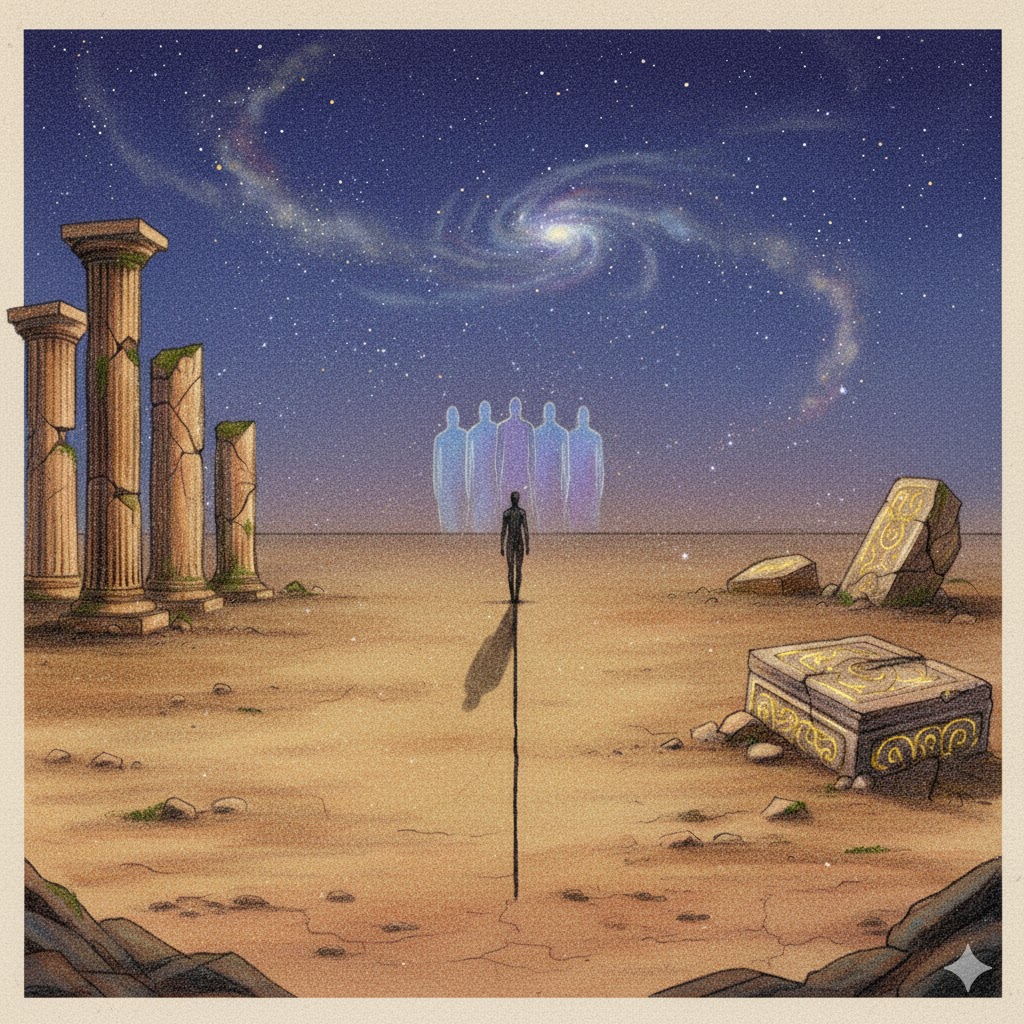
in such a way that the road among the stars of death
shall be a violent flight begun many days and months and centuries ago?
Perhaps the natural weakness of suspicious and anxious beings
suddenly seeks permanence in time and limits on earth,
perhaps the tediums and the ages implacably accumulated
extend like the lunar wave of an ocean newly created
upon shores and lands grievously deserted.
Ah, let what I am then go on existing and ceasing to exist,
and let my obedience be ordered with such iron conditions
that the tremor of deaths and of births will not trouble
the deep place that I wish to keep for myself eternally.
Let what I am, then, be, in some place and in every time,
an established and assured and ardent witness,
carefully destroying himself and preserving himself incessantly,
clearly insistent upon his original duty. (Pablo Neruda)
Also Read: At the Altar of the Sea
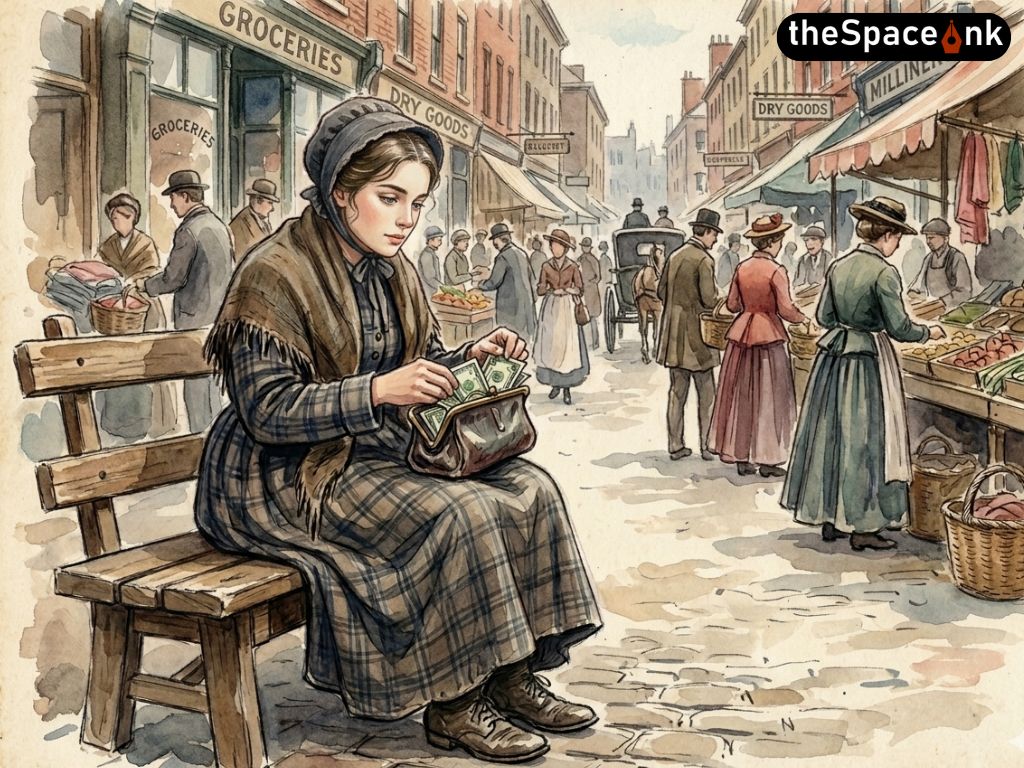
Autumn Returns
A day in mourning falls from the bells
like a trembling cloth of vague life,
it’s a color, a dream
of cherries sunk into the earth,
it’s a tail of smoke that arrives without rest
to change the color of the water and the kisses.
I don’t know if you understand me: When night
approaches
from the heights, when the solitary poet
at the window hears the steed of autumn running
and the leaves of trampled fear rustling in his arteries,
there is something over the sky, like the tongue
of thick oxen, something in the doubt of the sky and
the atmosphere.
Things return to their place:
the indispensable lawyer, hands, oil,
the bottles,
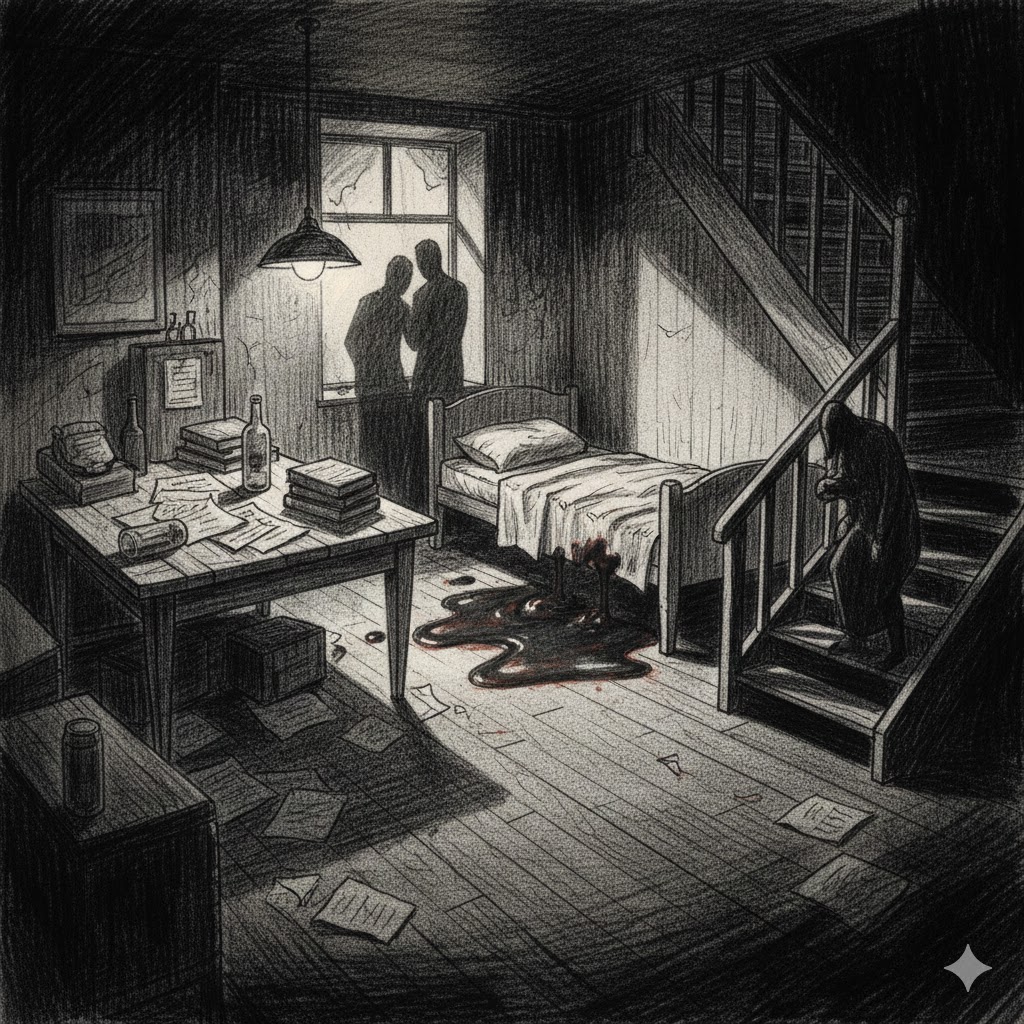
all the signs of life: beds, above all,
are full of bloody liquid,
people deposit their confidences in sordid ears,
assassins descend stairs,
but it’s not that, it’s the old gallop,
the horse of old autumn who trembles and endures.
The horse of old autumn has a red beard
and the foam of fear covers his cheeks
and the air that follos him has the form of an ocean
and the smell of vagur buried rot.
Everyday and ashen color descends from the sky
which the doves must spread over the earth:
the rope woven by oblivion and tears,
time, which has slept long years inside the bells,
everything,
the old suits all bitten, the women who see the snow
coming,
the black poppies that no one can contemplate without
dying,
everything falls to these hands I raise up
in the midst of rain. (Pablo Neruda)
Also Read: The Bus Stop at Kandanassery and Other Poems

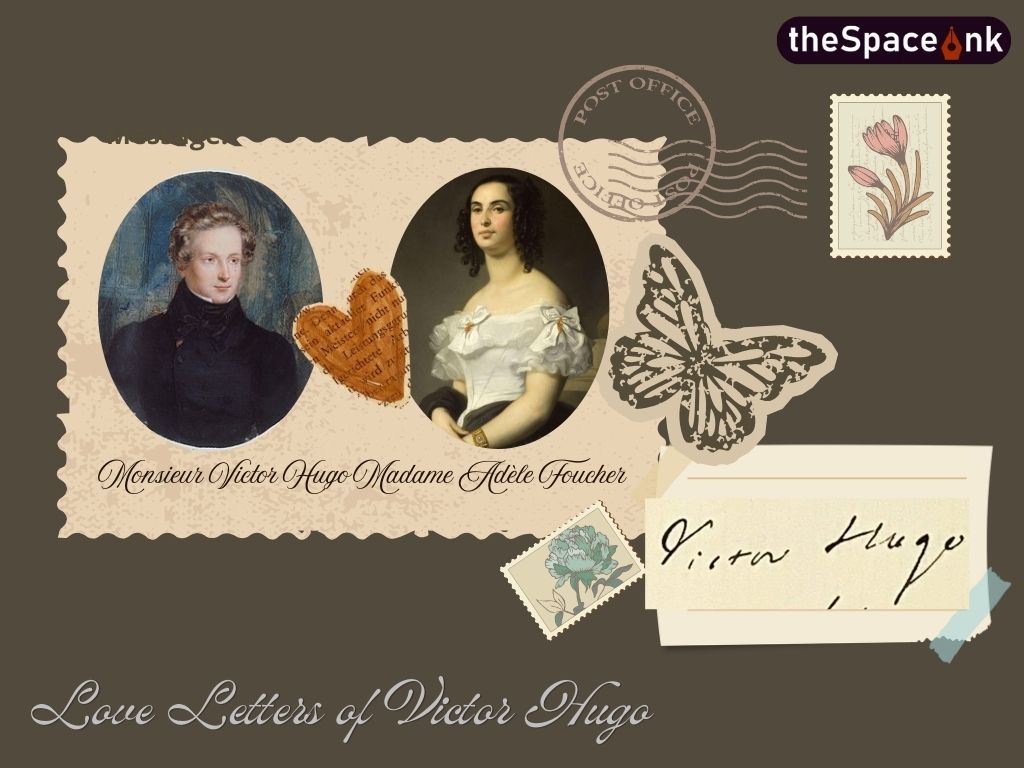
Keeping Quiet
Now we will count to twelve
and we will all keep still
for once on the face of the earth,
let’s not speak in any language;
let’s stop for a second,
and not move our arms so much.
It would be an exotic moment
without rush, without engines;
we would all be together
in a sudden strangeness.
Fishermen in the cold sea
would not harm whales
and the man gathering salt
would not look at his hurt hands.
Those who prepare green wars,
wars with gas, wars with fire,
victories with no survivors,
would put on clean clothes
and walk about with their brothers
in the shade, doing nothing.
What I want should not be confused
with total inactivity.
Life is what it is about;
I want no truck with death.
If we were not so single-minded
about keeping our lives moving,
and for once could do nothing,
perhaps a huge silence
might interrupt this sadness
of never understanding ourselves
and of threatening ourselves with death.
Perhaps the earth can teach us
as when everything seems dead
and later proves to be alive.
Now I’ll count up to twelve
and you keep quiet and I will go. (Pablo Neruda)
(Pablo Neruda)
Photos Generated by AI

Pablo Neruda was a Chilean poet, diplomat, and Nobel laureate. His work ranges from intimate love poems to political and historical epics. Exile, activism, and global conflict shaped much of his voice. He remains one of the most influential poets of the 20th century.