The Indian National Trust for Art and Cultural Heritage (Intach) has also been working diligently on paper conservation. Some of the techniques used at most
What is the Coffee House like today? Does it still draw bright young students to gather together and discuss the economics and politics of the
venison was an extremely premium meat and was commonly reserved for the Crown or members of aristocracy. Basically it was only consumed by those who
While Sulochana (Ruby Myers 1907 - 1983) and Nadira (Florence Ezekiel 1932 – 2006) were Baghdadi Jewish girls from Pune and Bombay respectively, Esther Victoria
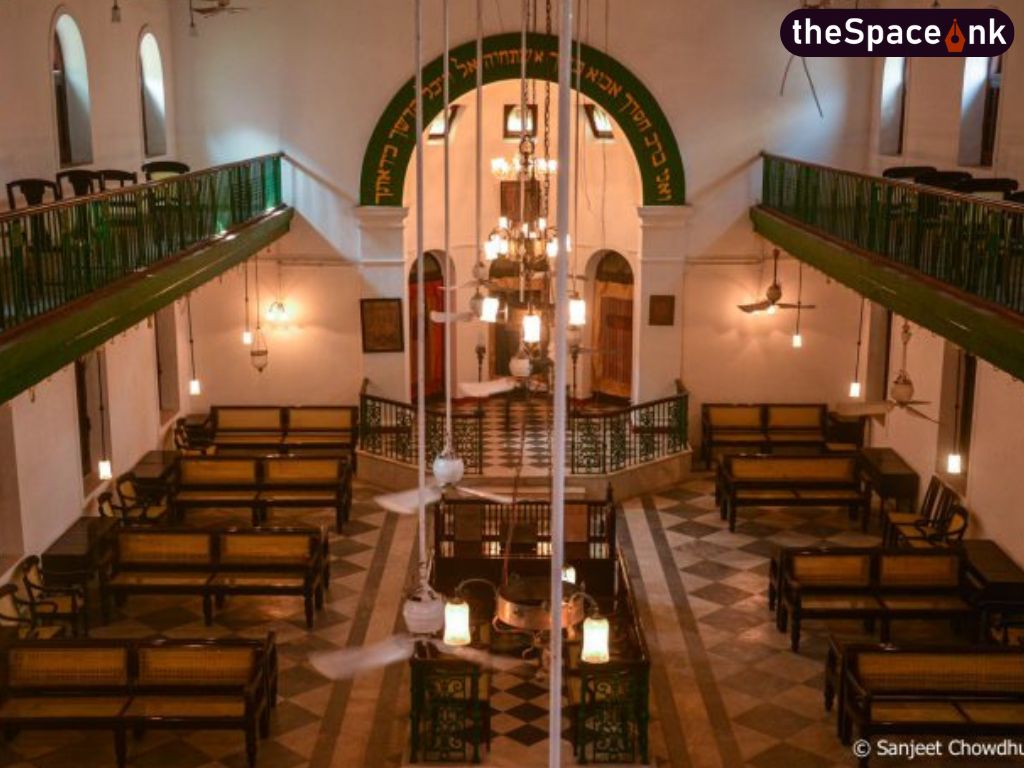
The nineteen forties were tumultuous. British and American soldiers were stationed in Calcutta, including Jewish service men. There was a British and American Chaplain (Bloch
Difference was the norm, manifest in how we looked and from the aromas that drifted from our tiffin boxes.
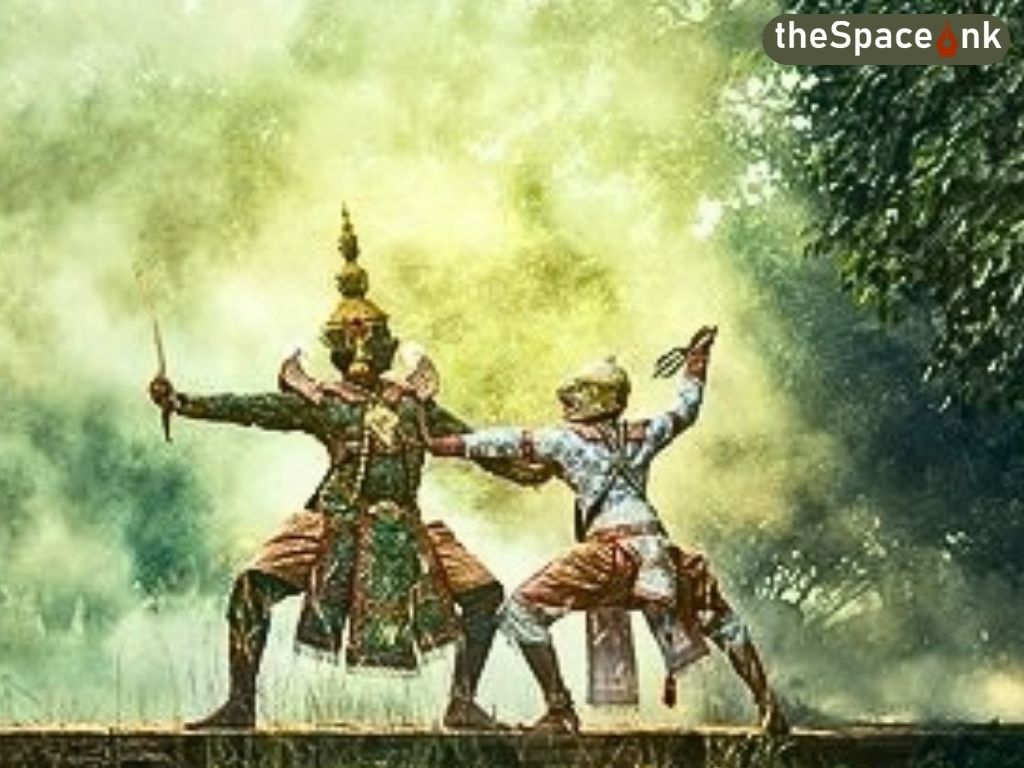
Khon is Thailand’s oldest narrative dance form based on Ramakien, Thailand’s best-known classical literature version of the Ramayana.
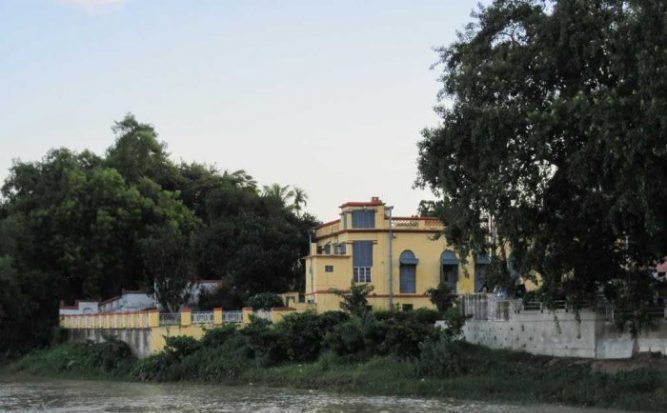
Jyotirindranath, initially, stayed at ‘Riverview’ (which in the records of Jorasanko is known as Barunjyeder Baganbari) following the footsteps of his father.
A photo series on letter boxes- a forgotten chapter of our social history.
Chinsurah and Chandernagore, have constantly engrossed members from the Tagore household since the 1820s till the 1930s
Had the circumstances been different, history would perhaps have hailed him as a great king. He had the qualities of a good administrator notwithstanding his
I had seen him first on the screen, and until 1979, he remained primarily an unforgettable movie actor, always at a distance.
Harishchandrachi Factory directed by theatre veteran Paresh Mokashi narrates in fictional format, Dadasaheb Phalke's struggle in making Raja Harishchandra in 1913.
Ray and Dey represent the long line of western music connoisseurs in the city, who have promoted this form over generations, starting from the second
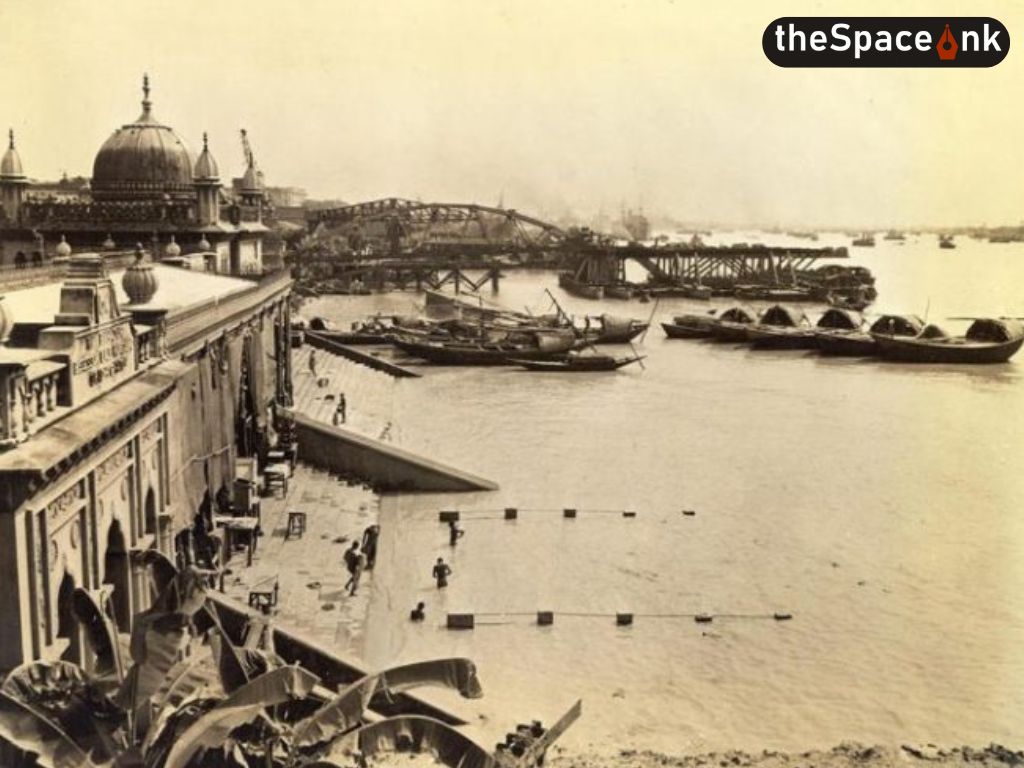
There are dozens of ghats along the river with architecturally significant structures, evidence of the rich heritage of colonial Calcutta.
By 1880 the Joshis found themselves in Calcutta, the erstwhile capital of British India. But the city’s sultry climate and unfamiliar culture made the couple