

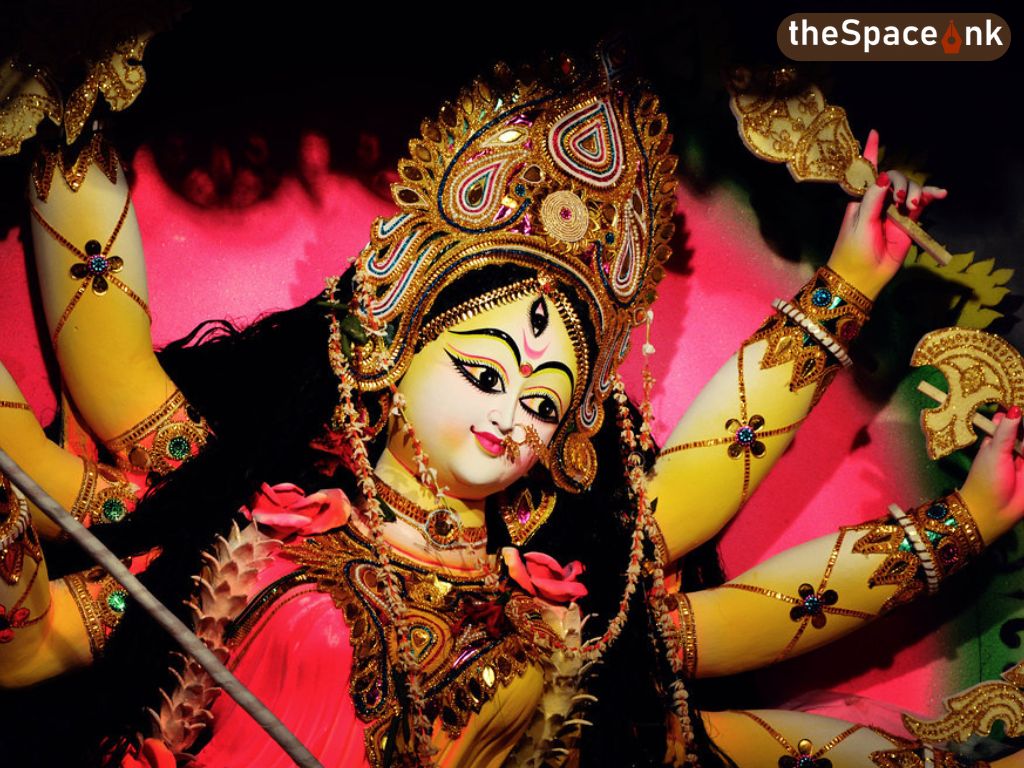
Community Pujo in Bengal
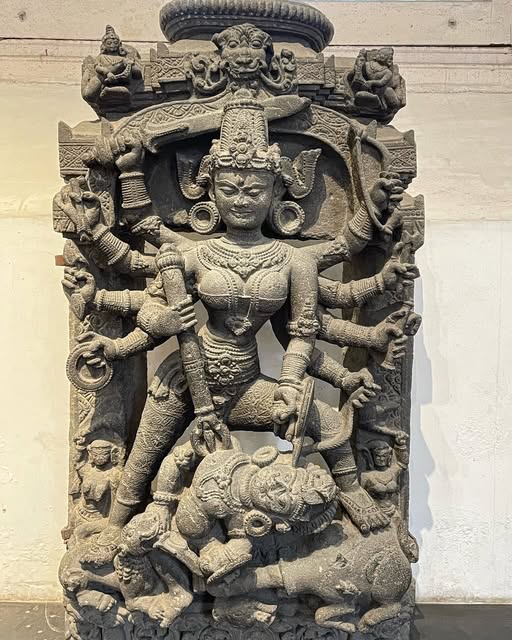
Visiting the Indian Museum some time ago, I had observed the 12th century Mahishamardini statue, a black stone sculpture from the later Pala Sena period of eastern India. The figure represents Durga in a ten-armed warrior form holding multiple weapons, shown dynamically slaying the buffalo demon Mahishasura. The sculpture reflects the mature phase of Mahishamardini iconography in Bengal and Bihar, where the goddess was worshipped as both a royal guardian and a village protector. The depiction of Mahishasura in his second form indicates a shift toward more elaborate and narrative rich representations of the goddess’s victory, rooted in the tradition of the Devi Mahatmya.
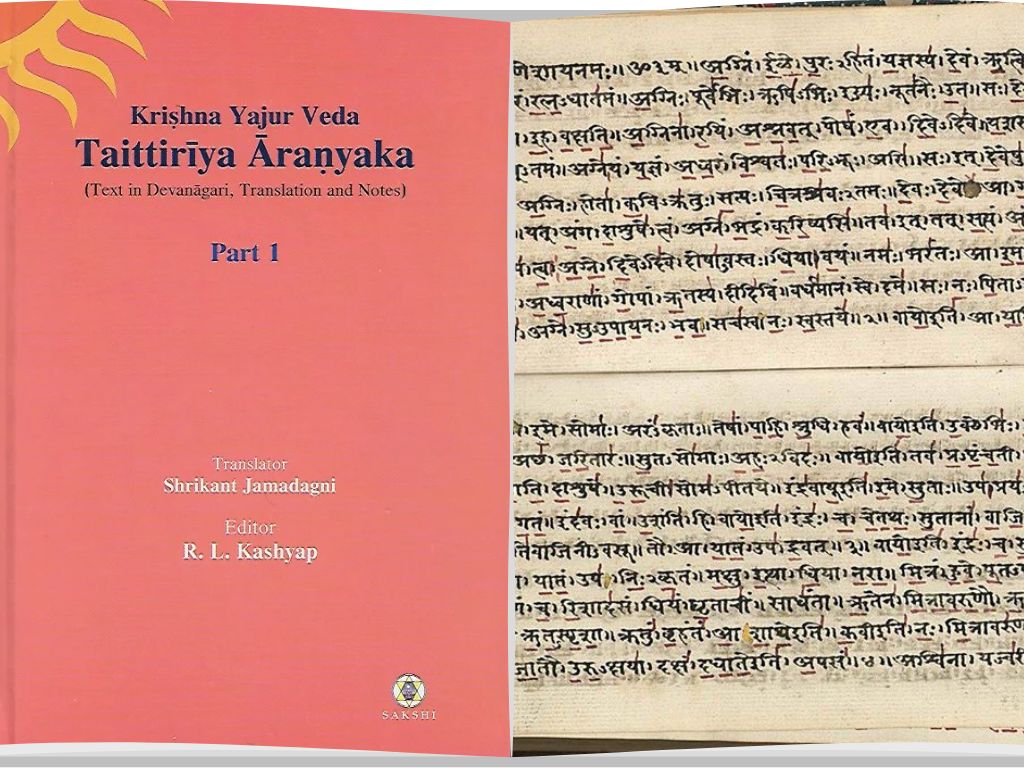
Long before the dhaak thundered through the autumn air, before the scent of shiuli and incense wrapped Bengal in its yearly embrace, Durga existed as a whisper in sacred chants. The earliest references to the name Durga appear in late Vedic and early post Vedic literature, including the Taittiriya Aranyaka and certain Sutras, where she is invoked as a fierce goddess but not yet associated with the complete Mahishasuramardini narrative.
By the early centuries CE, inscriptions and visual representations begin to show her in more recognizable forms. One early example is a first century terracotta figure from Nagar in Rajasthan, depicting a four-armed goddess riding a lion and holding weapons such as a trident. Scholars interpret this image as an early prototype of Durga, anticipating the standardized iconography of the goddess that would develop in later periods.
In the 16th century, Bengal witnessed its first grand Durga Puja, but it was not for everyone. The zamindars, wrapped in silk and authority, turned devotion into spectacle. Their pujas were lavish, elite, and closed-door. Crystal chandeliers from Europe glittered over golden idols. The bhog tasted like royalty. Invitations were prized like family heirlooms. Outside the grand gates, ordinary villagers stood, palms joined, soaking in devotion from a distance, close enough to hear the chants, far enough to feel the divide.
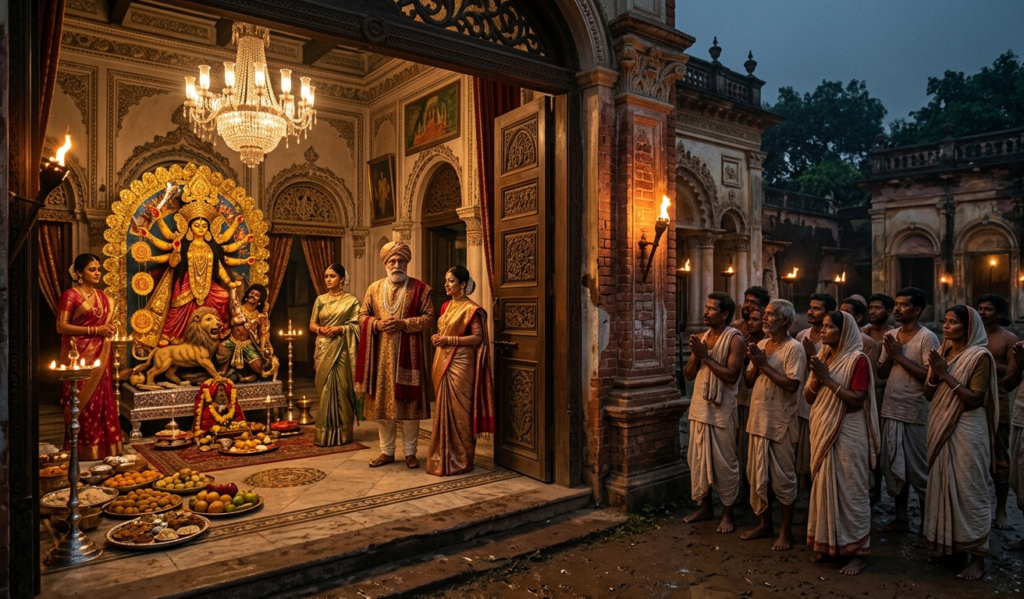
But Bengal, restless and rebellious in spirit, refused to stay outside forever. In 1790, in Guptipara, twelve friends tired of waiting, tired of exclusion, tired of invisible boundaries; did something quietly revolutionary. They pooled coins, borrowed courage, knocked on neighbors’ doors, and built their own puja. No zamindar. No velvet ropes. Just people. They called it Barowari, of twelve friends, but in truth, it was of everyone. The first crack in the fortress of privilege. The first heartbeat of community worship.
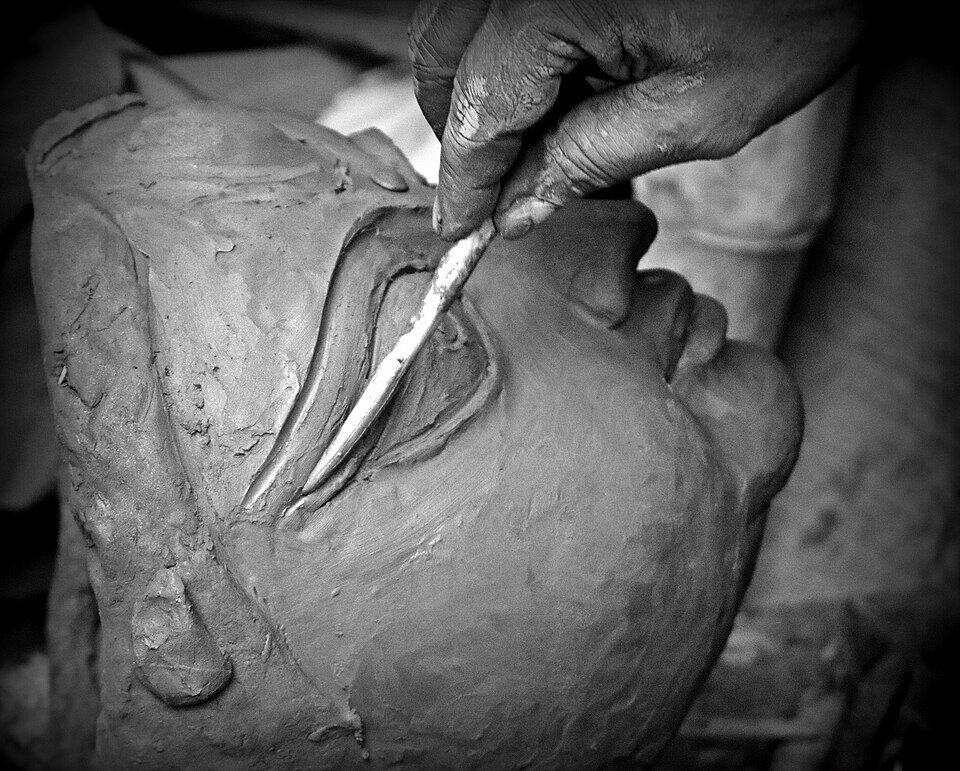
From that moment, Durga Puja changed forever. What began as borrowed coins and borrowed courage soon erupted into neighborhood pride. Para vs para. Lights brighter. Idols taller. Pandals grander. Creativity fiercer. Artisans in Kumartuli became magicians, sculpting emotion into clay. Pujo became a canvas for dreams, dissent, art, identity. Adda spilled into pandals. Politics whispered between beats of the dhaak. Social reform found a stage under glowing arches. Worship has turned democratic. Faith turned collective.
I am still in awe of that Indian Museum statue, where she is fierce, untamed, powerful; a goddess not yet sculpted into the loving mother Bengal knows today. Slowly, through centuries of faith, clay, and imagination, she took form: lion-riding, trident-wielding, the eternal slayer of darkness. And with her arrival came not just worship, but awe, fear, devotion, and finally, celebration.
By 1910, Bagbazar’s Sarbajanin Puja sealed the transformation: Durga belonged to everyone. No barriers. No hierarchies. Only shared devotion and shared joy. Pujo was no longer an event, it was a movement. And today?
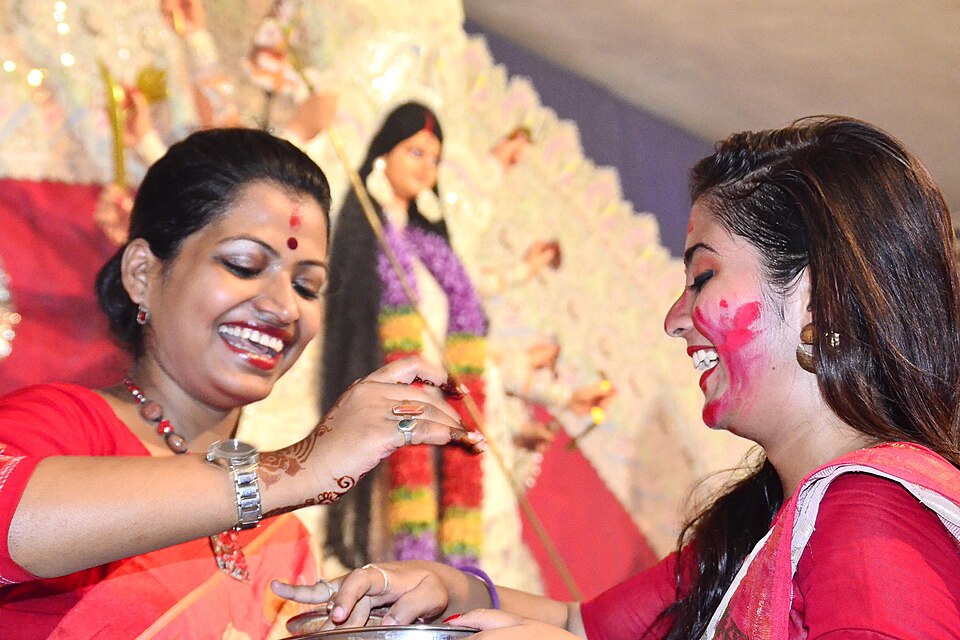
Today Durga Pujo is nothing short of emotional anarchy. It is art gallery that meets street carnival meets spiritual homecoming. It is pandal-hopping till your feet scream and your heart begs for one more stop. It is phuchka at midnight, biryani at dawn, and bhog that tastes like childhood. It is teenage rebellion in dark alleys, secret crushes exchanged under fairy lights, old lovers bumping into each other near idol immersions, and mothers whispering prayers for futures not yet written. It is dhaak beats pounding through veins. It is laughter ricocheting across streets. It is tears during sindoor khela. It is heartbreak when Maa leaves.
West Bengal recorded the second-highest number of international tourist arrivals in India, trailing only Maharashtra, according to the Union Tourism Ministry. In 2024, the state hosted thirty-one lakh foreign visitors. Experts and officials credit this surge to the global appeal of Durga Puja, along with West Bengal’s rich cultural heritage, vibrant festivals, and immersive travel experiences.
Economically, it is colossal — ₹55,000 crore strong, feeding thousands of families, artisans, electricians, decorators, vendors, tailors, photographers, drivers, musicians, cooks. Spiritually, it is priceless. And culturally, it is unstoppable. So powerful that UNESCO bowed, stamping Durga Pujo as world heritage; an acknowledgment of a festival that refuses to be contained.
During these days, Kolkata becomes a living poem. The Hooghly shimmers with reflection and nostalgia. Streets glow like galaxies. Time slows, hearts race, and every para becomes a universe of its own. Kitchens go silent. Cities stay awake. And even strangers smile at each other, because for five magical nights, everyone belongs. From whispered Vedic chants to thunderous dhaak, from zamindar pride to para vibes, Durga Pujo is not just a festival. It is Bengal’s soul, sculpted in clay, soaked in devotion, electrified by creativity, and carried forward by millions of beating hearts.
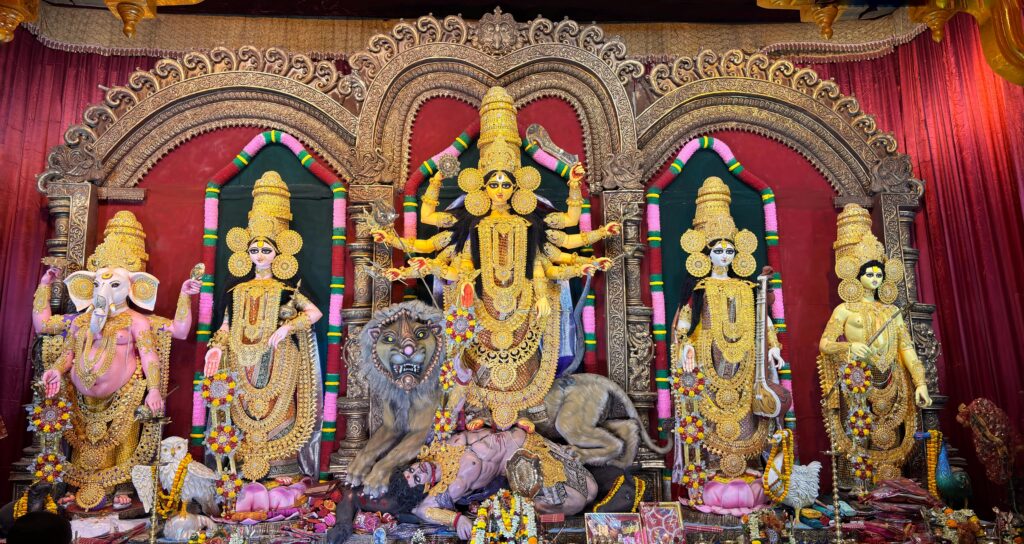
I am still in awe of that Indian Museum statue, where she is fierce, untamed, powerful; a goddess not yet sculpted into the loving mother Bengal knows today. Slowly, through centuries of faith, clay, and imagination, she took form: lion-riding, trident-wielding, the eternal slayer of darkness. And with her arrival came not just worship, but awe, fear, devotion, and finally, celebration.
Image Courtesy: Facebook, Facebook, Wikimedia Commons, Wikimedia Commons, Pixels, Flickr, AI

Dr. Jamil is a passionate oncology commercial leader whose two-decade journey has been driven by a deep commitment to improving the lives of people with cancer. As Head of the Early Commercial Team at Merck Oncology and an Adjunct Professor at Columbia Business School, he shapes innovative pipelines while mentoring and inspiring future healthcare leaders. Beyond work, he is a soulful armchair historian of Bengal, a devoted Manchester City fan, and someone whose heart is forever tied to the culture, stories, and spirit of Kolkata.


One Response
Very well written Maqbul. You have beautifully traced the history of Durga Puja over the centuries. My compliments