Saving The Blues: Word Ocean Day
Life on Earth is based on water. It is the medium for carrying out each tiny step in the most complex network called ‘life’. Water on Earth formed with the very beginning of the Earth, more than four billion years ago, but that is mostly locked in chemical bonds within the minerals, a majority lying in the mantle below the surface. Water as we know it, the free forms of ice, water and vapour, is found at the Arctic and Antarctic realms and at mountains and glaciers, in lakes, rivers and groundwater, in the atmosphere and in soil, in all living bodies, and in the oceans.
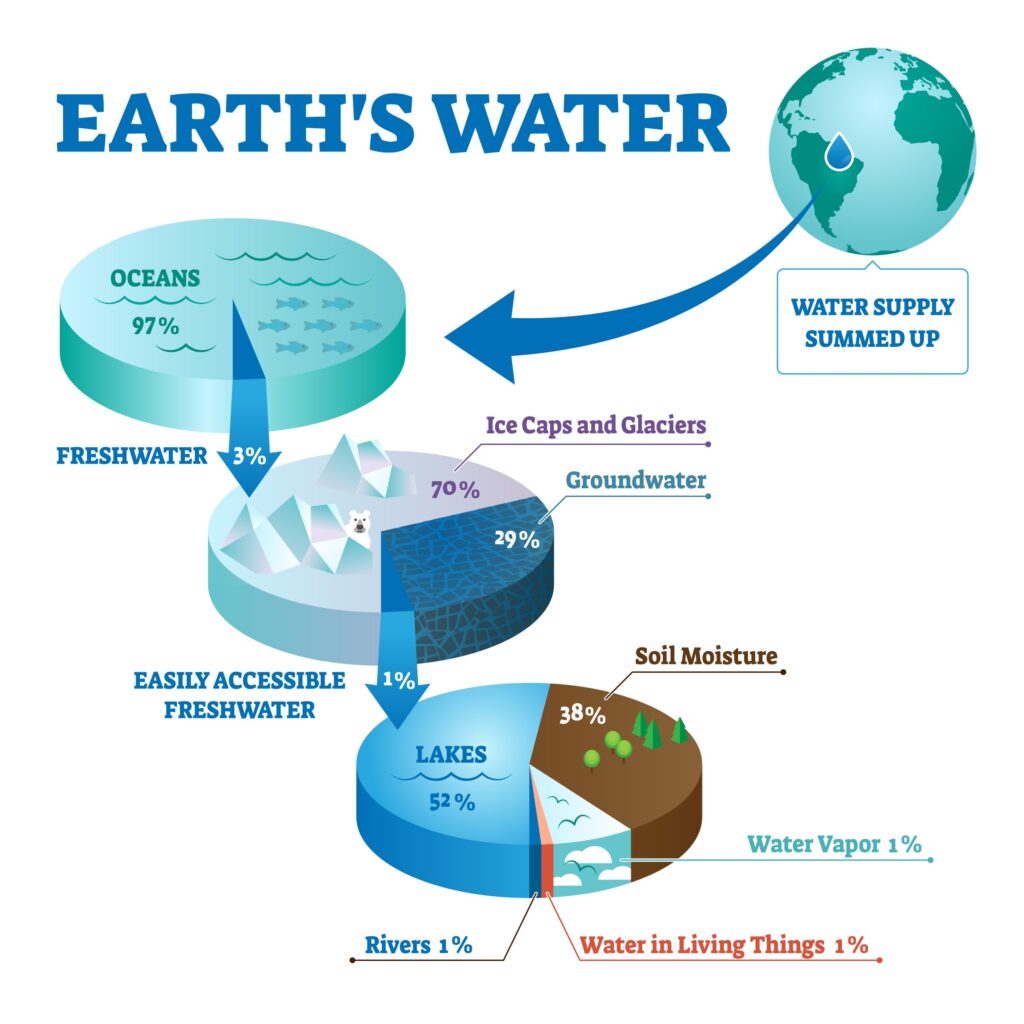
Of these the oceans hold ninety-six to ninety-seven percent, almost all of it. The total water has remained nearly unchanged on Earth from the very beginning and so have the oceans. Their boundaries have changed since the landmass broke up from one supercontinent to the present forms but their total volume of more than one billion cubic kilometers of water has not. They have always occupied two-third of the Earth’s surface.
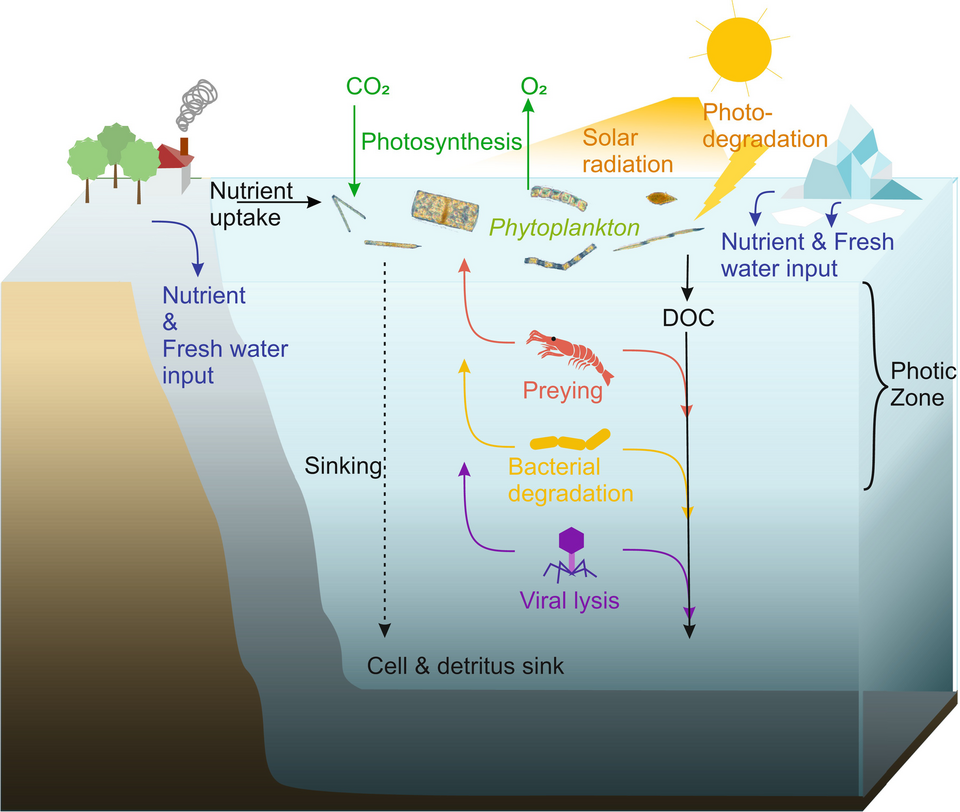
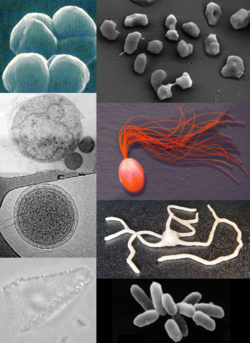
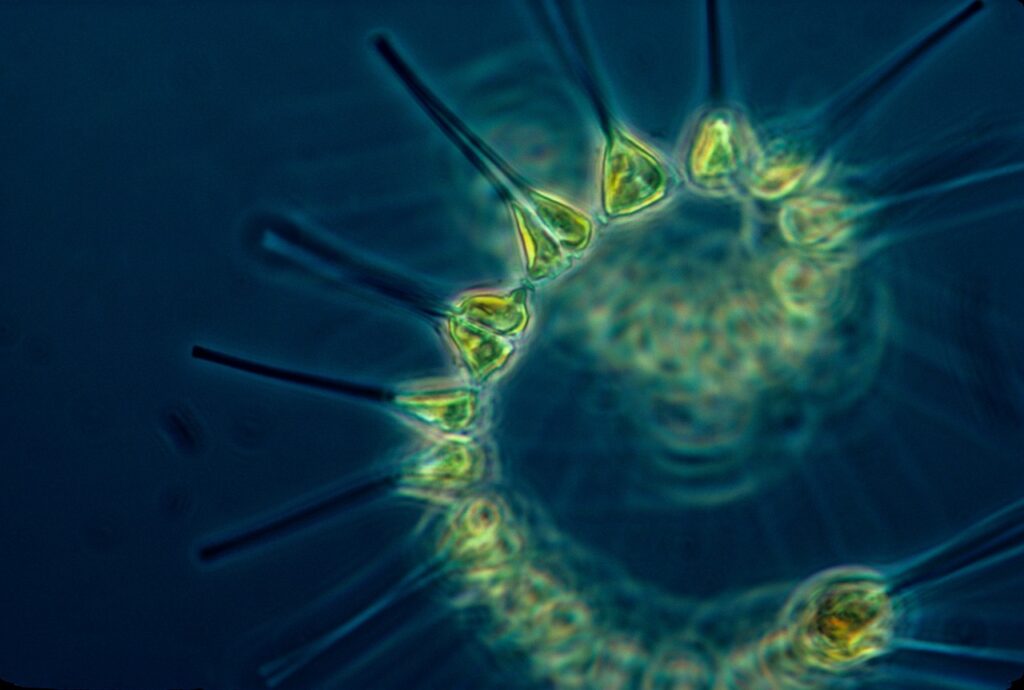
Life started in the oceans about four billion years ago. The oldest forms of life, archaea and phytoplankton that were the first converters of sunlight to food, all originated there and have remained essentially the same over the eons.
They provide the base of all food cycles in the oceans, have almost fifty percent share in the total photosynthesis of all plants producing thereby the same share of oxygen in the air that we breathe, and when they die, they go to the bottom of the oceans pulling with them the carbon dioxide they used in photosynthesis during their lifetime, creating the main carbon sink of the Earth. This sink takes up nearly thirty percent of the carbon dioxide generated by us.
Water is unique in many ways. One of its most interesting properties is its capacity to carry a large amount of heat without raising its temperature. Among liquids that we come across this capacity is highest for water. This makes all waterbodies the best absorbers for heat and regulators of ambient temperatures. Oceans, being the largest waterbodies, absorb almost all the heat from the landmasses and the atmosphere. Even in the face of global warming caused by human activities they have sucked up about ninety percent of the extra heat generated since 1970. In their absence the atmosphere would have been about 36°C hotter.
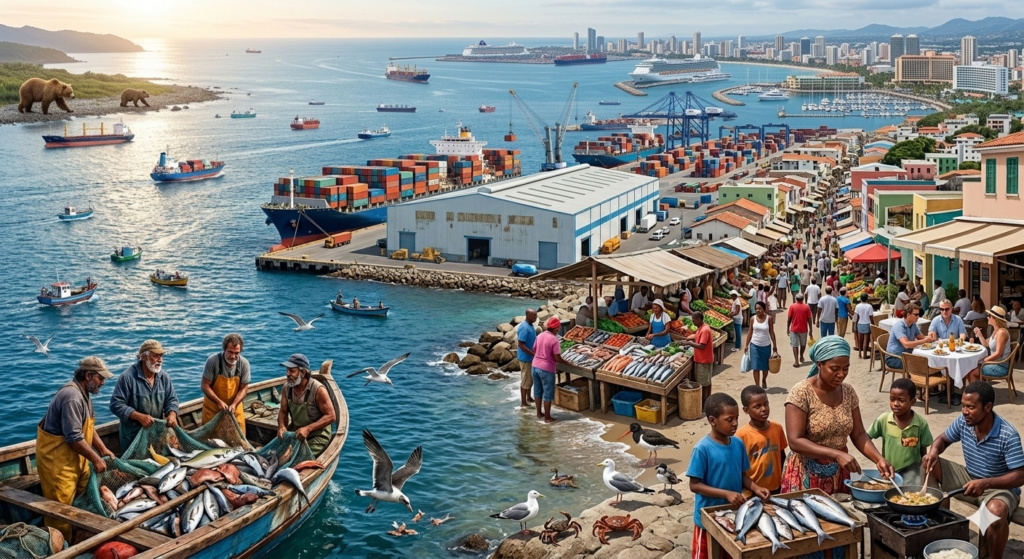
The oceans provide food, not only to its own creatures, but also to animals in the coastal areas and shores. They feed three billion people and cause direct employment to more than two hundred million people. Indirectly, however, through tourism and maritime trade they control the livelihoods of billions and affect us all through our daily supply of goods.
The entire global weather system is controlled by oceans. They provide the atmospheric water through evaporation that comes back to us as rain and snow. They also cause the variations in air and water temperatures, driving winds and currents exchanging heat over the Earth, equilibrating global temperatures. Oceans also provide sustenance to coral reefs and mangroves. These in turn protect the coastlines from rapid erosion and coastal areas from turbulences.
Also Read: Yuri Gagarin: Off He Went!
Oceans are the bedrocks of sustenance. If sustainable growth means ‘growth today keeping tomorrow in mind’ then the oceans have to be kept in good health. It is exactly here we have created havoc. The most visible of these environmental stresses is overfishing. We have continued catching fish faster than their reproduction rate, about thirty-five percent of fish stocks are directly overexploited and ninety percent of big fish populations are facing depletion.
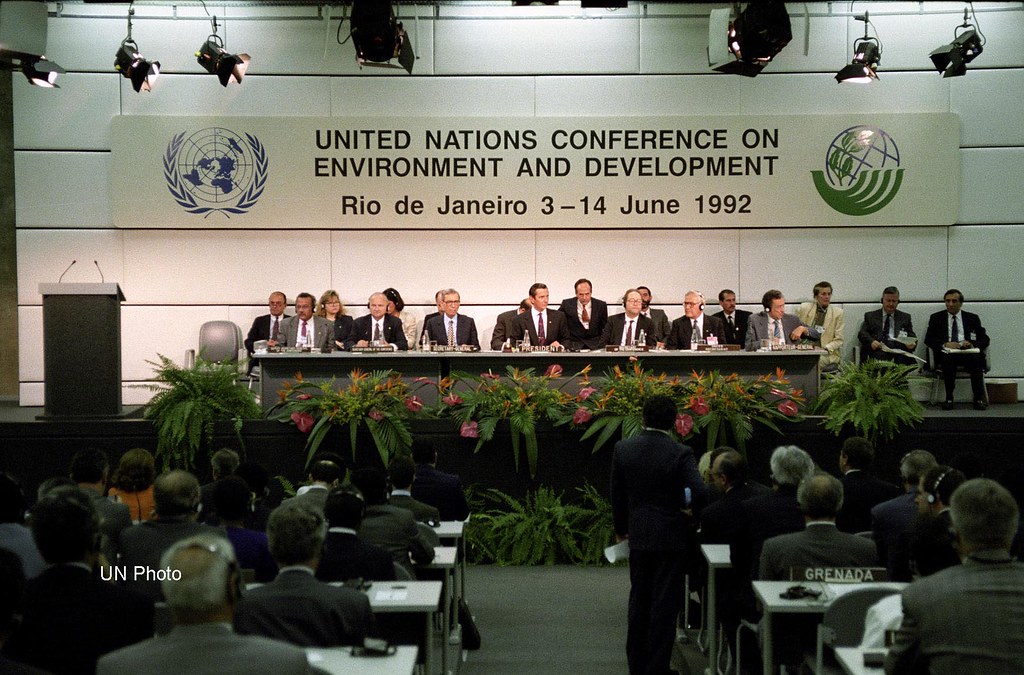
A concept of declaring 8th June a World Ocean Day was proposed by Canada’s International Centre for Ocean Development and the Ocean Institute of Canada in the 1992 Earth Summit of the UN held in Brazil’s Rio de Janeiro. It was officially recognized by the UN in 2008 and is observed by all the nations in UN.
Warmer water holds less oxygen. The extra heat generated by unregulated human activity, absorbed by oceans, is reducing their oxygen content. This affects all marine animal life but in particular it reduces drastically their reproduction rate, causing further long-term depletion of marine harvests. However, the lower levels of oxygen dissolved in water has another more serious side.
Also Read: Unsung Women In Science: Victims Of Matilda Effect
This upsets the balance between oxygen and carbon dioxide dissolved in ocean water, making the water richer in carbon dioxide, producing carbonic acid. Thus, the warmer oceans become more acidic. This kills both the coral reefs and mangroves that protect the coastlines and maintain one of the most diverse ecosystems. Since 1970, fifty percent of coral reefs and thirty-five percent of mangroves are gone.
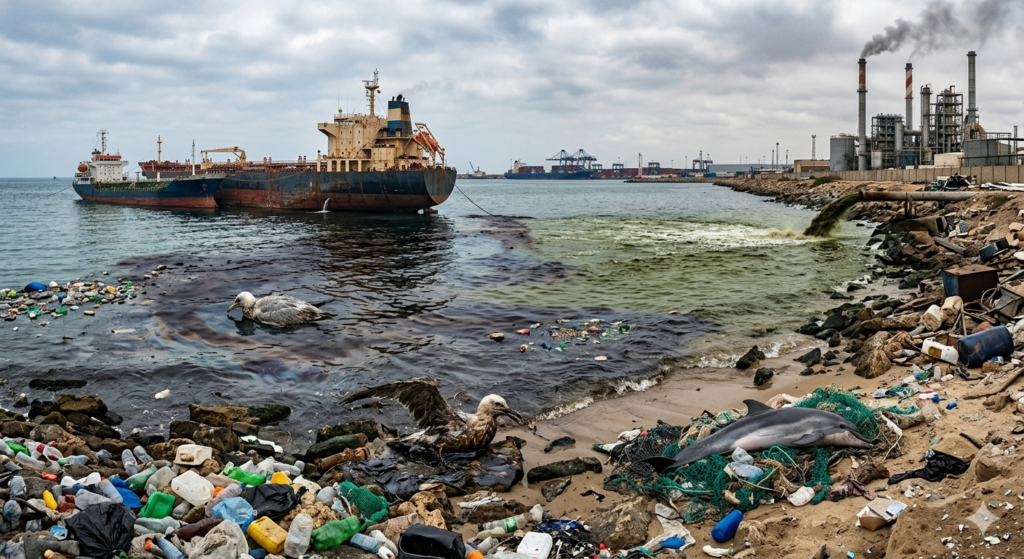
We have polluted the oceans in many ways, the most important being oil spills from ships and tankers, chemical waste from industries, and of course plastics. The pollution has continued killing directly by choking and poisoning but indirectly and on a much larger scale by changing the chemistry of ocean water. Oceans are perhaps the most stressed biomes.

The looming crisis of environmental disaster was first brought to the World’s notice by the Brundtland Commission in 1987, a sub-organization set up by the UN under the leadership of Gro Harlem Brundtland, who was Prime Minister of Norway for three terms. In its report ‘Our Common Future’ published by the Commission in that year first popularized the concept of sustainable development and, among other biomes, underscored the importance of bringing back the health of oceans.
Our planet looks beautifully blue from space due to oceans. World Ocean Day calls out to us to preserve the health of this beauty.
Based on this report, oceans were brought to the fore in international discussions on environmental policy. Efforts were started to strengthen the voice of ocean and coastal areas all over the World. A concept of declaring 8th June a World Ocean Day was proposed by Canada’s International Centre for Ocean Development and the Ocean Institute of Canada in the 1992 Earth Summit of the UN held in Brazil’s Rio de Janeiro. It was officially recognized by the UN in 2008 and is observed by all the nations in UN.
This day forms a part in supporting the implementation of worldwide Sustainable Development Goals (SDGs) by raising people’s concern about oceans, in setting up specific steps to protect them and in framing programmes for the sustainable management of its resources. The core objectives of this day focus on five major issues and initiatives. The first is to protect and conserve at least thirty percent of the oceans by 2030 and expand strongly regulated Marine Protected Areas to safeguard marine biodiversity and ensure sustainable fishing. In particular protection and expansion of the coral reefs and mangroves have to be stepped up.
Also Read: Wilhelm Conrad Röntgen: That ‘Unknown’ Ray
The second goal is to promote the natural ability of oceans to sequester carbon dioxide and regulate global warming. The third is to eliminate marine pollution by encouraging people and companies to eliminate single-use plastic consumption and reduce toxic effluents including ship exhaust. The fourth goal is to prevent overfishing and habitat destruction. The last is to mobilize citizen action through shoreline cleanups, science talks, art exhibits, film screenings, and social media campaigns.
Our planet looks beautifully blue from space due to oceans. World Ocean Day calls out to us to preserve the health of this beauty.
Image Courtesy: AI, Wikimedia Commons, Wikipedia, US Harbors, Needpix.com, Flickr, Wikimedia Commons

Alokmay Datta was a Senior Professor at Saha Institute of Nuclear Physics, then a Raja Ramanna Fellow at the Central Glass and Ceramic Research Institute and finally an Emeritus Scientist at Department of Physics, Calcutta University. However, his interests lie beyond Physics or even beyond Science.