Kolkata First Urdu Newspaper
As I read media reports about the 1927 Chennai Urdu newspaper that still handwrites every issue, heroically resisting the digital age, I could not help but think of the oldest newspaper from my beloved Kolkata, where tradition also refuses to click “update.”
Behind this daring experiment stood Harihar Dutta, a young Bengali Hindu from a respected family, educated, thoughtful, and quietly brave. Though he worked within the machinery of the East India Company, his heart longed for something freer. Instead of choosing elite Persian or his beloved Bengali, he turned to Urdu, a living, breathing, conversational language, hoping to speak to a broader India.
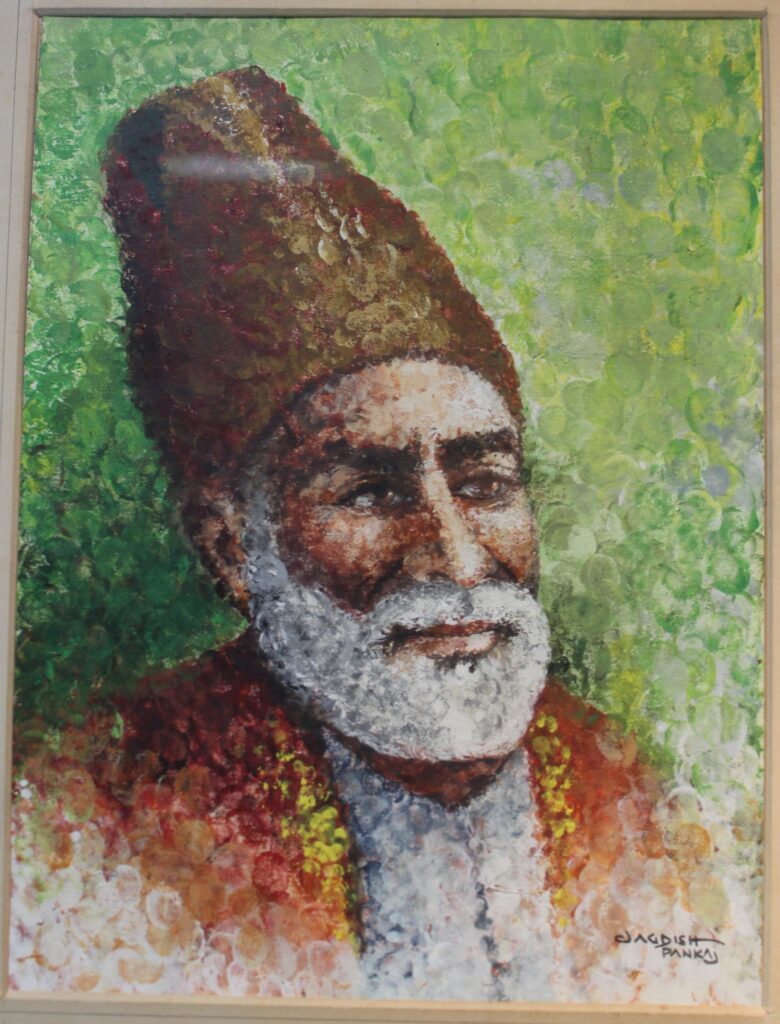
Before it learned to introduce itself as Urdu, the language shaped profoundly by figures like Amir Khusrow, wandered through history under many tender nicknames like Hindavi, Hindi, and Rekhta, like a child trying on different identities. It was not until the late eighteenth century, around 1780, that the poet Mushafi finally whispered its true name into existence.
Drawn from the Turkish word ordu, meaning army camp, Urdu grew out of the lively, multilingual chaos of soldiers, traders, poets, and dreamers. Its full, majestic name, Zaban-e-Urdu-e-Mu’alla, the language of the exalted royal camp, carried the dignity of Mughal courts and the warmth of bazaars. By the early nineteenth century, Urdu had settled into place, ready to write its own destiny.
Also Read: Books That Burst Out of Windows and Spiral Into Infinity- Part 1
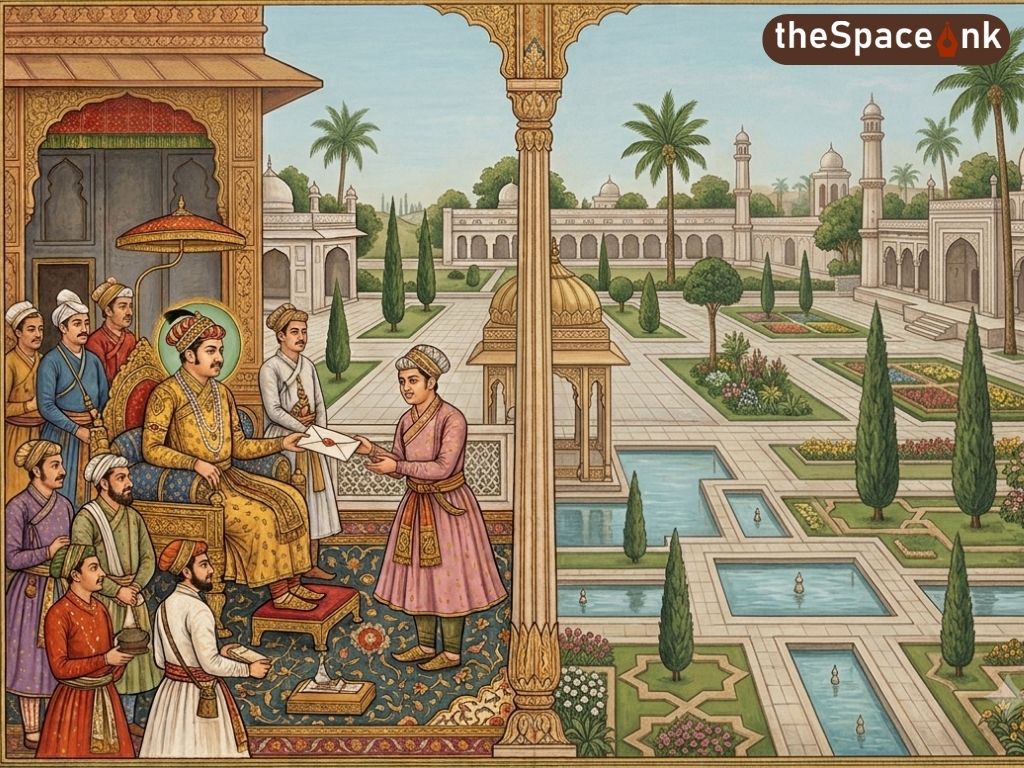
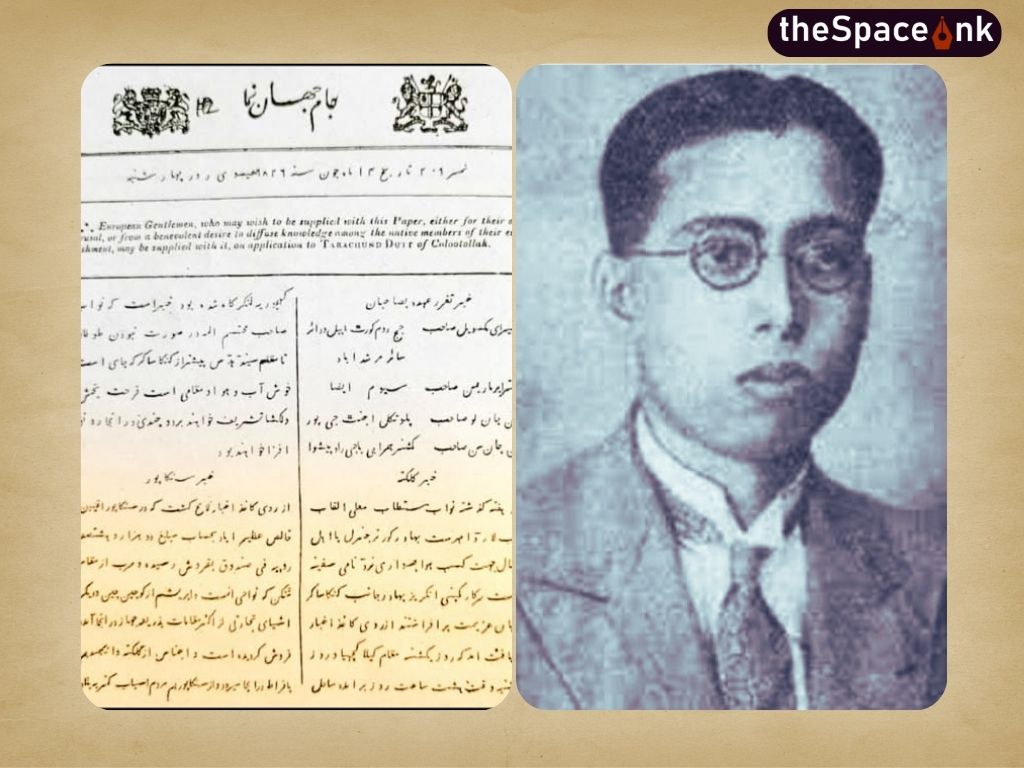
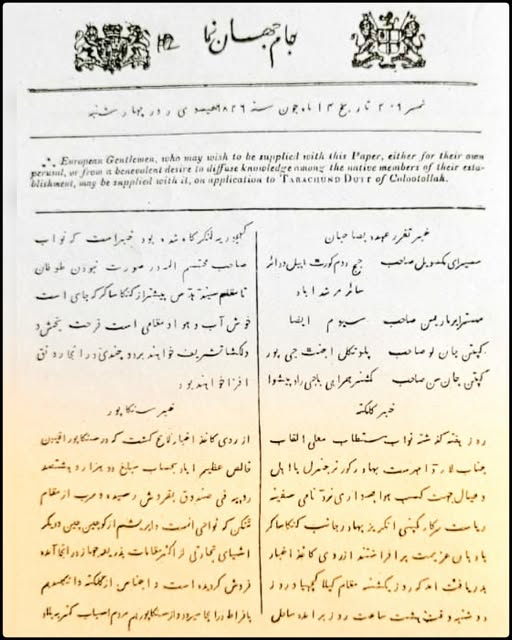
And then, in March 1822, something magical happened. In colonial Calcutta, far from the traditional centers of Urdu poetry and prose, a small newspaper quietly appeared, carrying enormous dreams. Its name was Jam-i-Jahan-Numa, the world-revealing cup, a poetic tribute to the mythical goblet of King Jamshid, said to show everything happening across the world. How fitting, then, that this humble paper would become a window through which readers could glimpse both nearby streets and distant lands.
Printed in a modest format, three thin sheets, six pages, two narrow columns, it arrived weekly, costing just two rupees a month. But within those pages lived ambition, curiosity, and a gentle rebellion against silence.
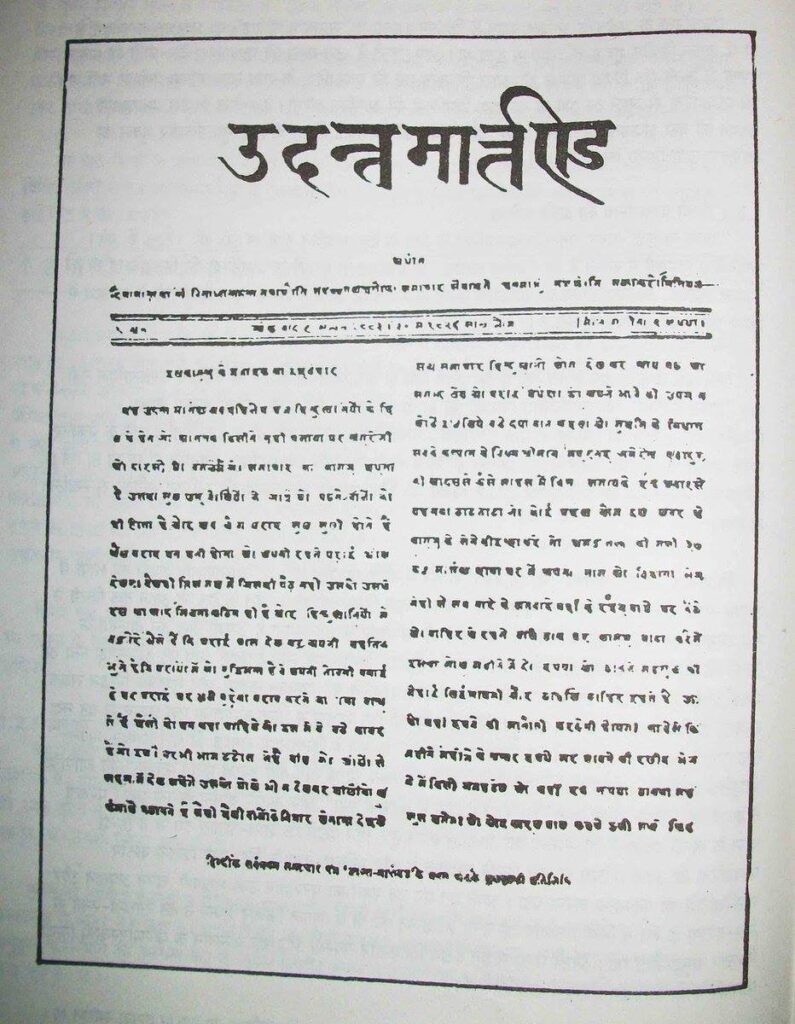
Earlier, Bengali journalism had already made history with the publication of the Bengal Gazette in 1816, marking a powerful beginning to India’s vibrant and evolving vernacular press tradition. Hindi journalism began its journey with Udant Martand in 1826, while Tamil journalism emerged through the Tamil Magazine in 1831. Gujarati journalism saw its first newspaper, Bombay Samachar, published in 1882.
Behind this daring experiment stood Harihar Dutta, a young Bengali Hindu from a respected family, educated, thoughtful, and quietly brave. Though he worked within the machinery of the East India Company, his heart longed for something freer. Instead of choosing elite Persian or his beloved Bengali, he turned to Urdu, a living, breathing, conversational language, hoping to speak to a broader India. It was an act of imagination and generosity, a belief that words could cross borders long before politics ever could.
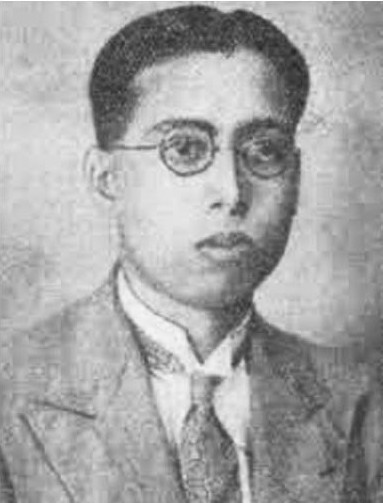
By his side worked Munshi Sadasukh Lal, a brilliant scholar fluent in Urdu, Persian, Arabic, Sanskrit, and English, and William Hopkins, a British printer who brought the words into physical form. Together, a Bengali Hindu publisher, a Punjabi Hindu editor, and a British printer crafted a newspaper for Urdu readers in eastern India, a collaboration that felt like a small miracle in an age of rigid divisions.
Also Read: Books That Burst Out of Windows and Spiral Into Infinity – Part 2
Jam-i-Jahan-Numa carried news of British policies, local happenings, distant wars, and quiet revolutions. It published essays, ideas, and reflections, slowly shaping an early public forum. Though it eventually drifted into Persian before fading from print altogether, its spirit lingered, inspiring generations of journalists in Delhi, Lucknow, and Lahore. Even the legendary Mirza Ghalib noticed it and criticized it—which, in its own way, was a badge of honor. To be scolded by Ghalib meant you mattered.
Earlier, Bengali journalism had already made history with the publication of the Bengal Gazette in 1816, marking a powerful beginning to India’s vibrant and evolving vernacular press tradition. Hindi journalism began its journey with Udant Martand in 1826, while Tamil journalism emerged through the Tamil Magazine in 1831. Gujarati journalism saw its first newspaper, Bombay Samachar, published in 1882.
Though the paper ceased around 1845, its legacy refused to vanish. It had proven that Urdu could carry the weight of journalism, that it could question, inform, and awaken. It showed that language is not merely spoken. It is loved, dared, and defended.
And so, every modern Urdu newspaper, every printed poem, every headline that stirs the heart owes a quiet debt to that small weekly from Calcutta. To Jam-i-Jahan-Numa. To Harihar’s courage. To a language that began in army camps and blossomed into poetry. Because some stories are not just written. They are lived, cherished, and passed on, one fragile page at a time.
Image Courtesy: Facebook, Facebook, Wikimedia Commons

Dr. Jamil is a passionate oncology commercial leader whose two-decade journey has been driven by a deep commitment to improving the lives of people with cancer. As Head of the Early Commercial Team at Merck Oncology and an Adjunct Professor at Columbia Business School, he shapes innovative pipelines while mentoring and inspiring future healthcare leaders. Beyond work, he is a soulful armchair historian of Bengal, a devoted Manchester City fan, and someone whose heart is forever tied to the culture, stories, and spirit of Kolkata.