(Terracotta)
West Bengal showcases a plethora of brick built temples studded with terracotta panels. The majority of these panels can be seen in the temples primarily built between 16th to 19th century. While majority of these panels depicts stories from the Hindu epic Ramayana a handful panels only displays stories related to Mahabharata. Unlike many famous temples of India like the temples of Khajuraho or temples at Hampi, there is no definite handbook explaining the terracotta panels of Major Bengal Temples.
Also Read: The City Prepares for Christmas
Ofcourse there are books explaining the different type of temples in Bengal like those of David McCutchion or Zulekha Haque and district wise description of temples like the series published by State Archeology department of West Bengal. But when it comes to explaining iconography, the only book available is that written by Nihar Ghosh where a large number of photographs are available explaining the plaques of different temples. Unfortunately considering the huge number of temples in Bengal, one book is not enough. Thus to decode the plaques, often we need inputs from Hindu iconography experts or veteran heritage enthusiasts.
In this photo story, I present eight terracotta panels depicting scenes from the Hindu epic Mahabharata which has been identified by veteran iconographer, archeologists and eminent writers.
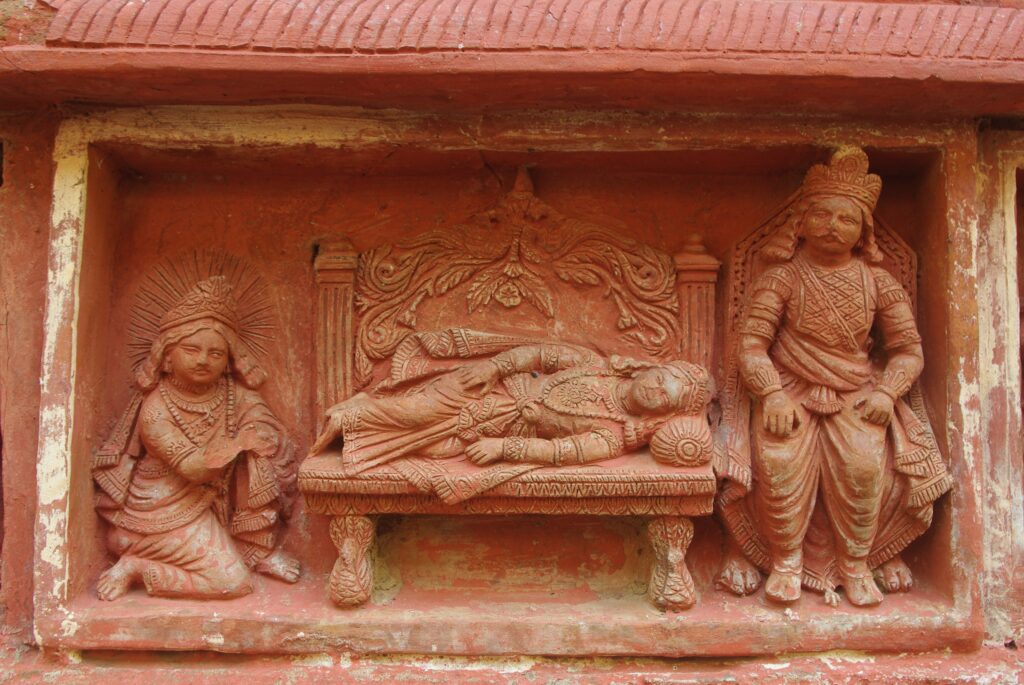
Photo 1: Arjuna (sitting on ground) and Duryodhana waiting for Krishna to awake, Gopinath Temple of Biswas family, Dasghara, Hooghly district.
This incident took place before the battle of Kurukshetra, when Arjuna and Duryodhana visited Krishna. When Krishna woke up he first saw Arjuna and asked him whether he would chose Narayani Sena or an unarmed Krishna for his side. Arjuna asked for the latter and the rest is history.
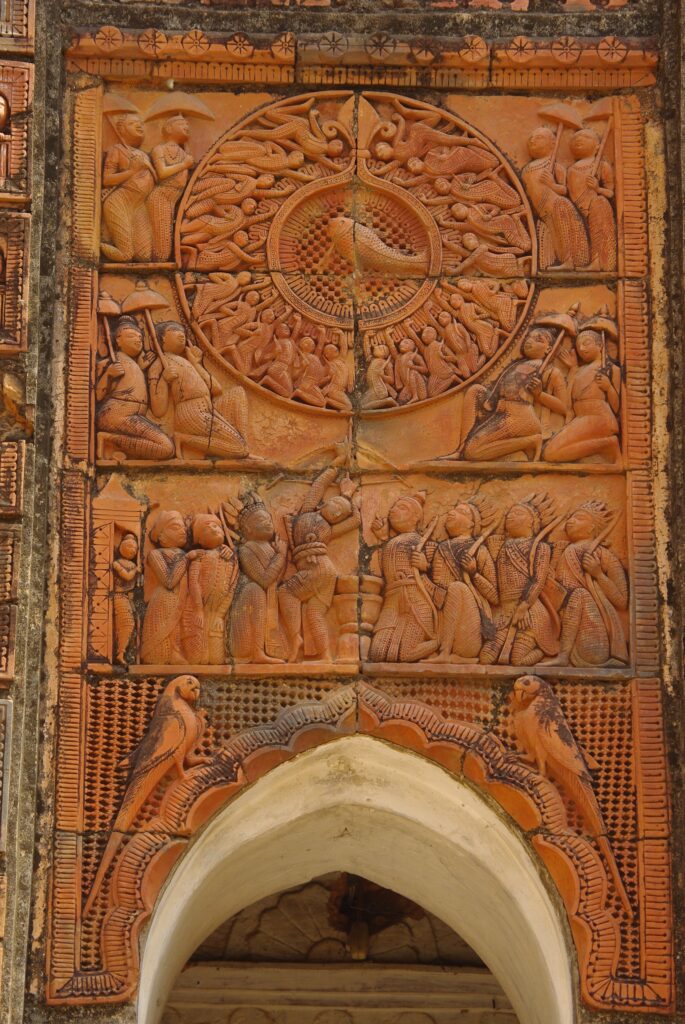
Photo 2: Arjuna aiming at the eye of fish in the Swambar of Draupadi, Choto Taraf temple of Mondal family, Hadal Narayanpur, Bankura district.
This particular incident took place during the exile of the Pandavas, when they attended the swayamvar or marriage contest of Draupadi. To win Draupadi’s hand one had to hit the eye of the fish with bow and arrow in one shot. Arjuna succeeded and one of the most iconic female characters of Hindu epic entered the limelight. Many believe, Draupadi was a key factor to the Kurukhetra war.
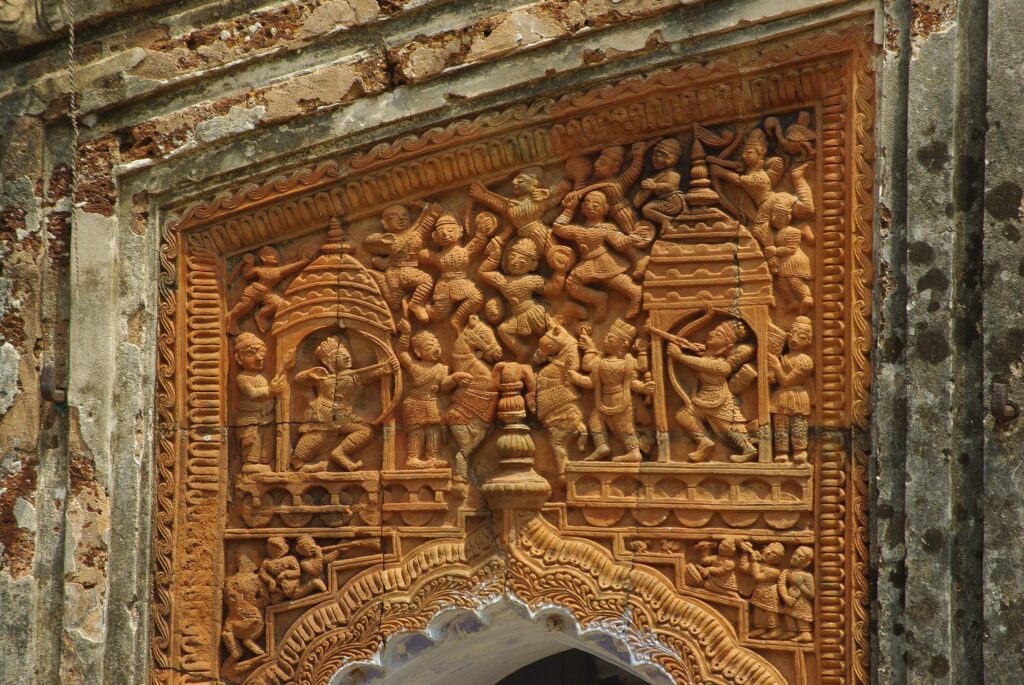
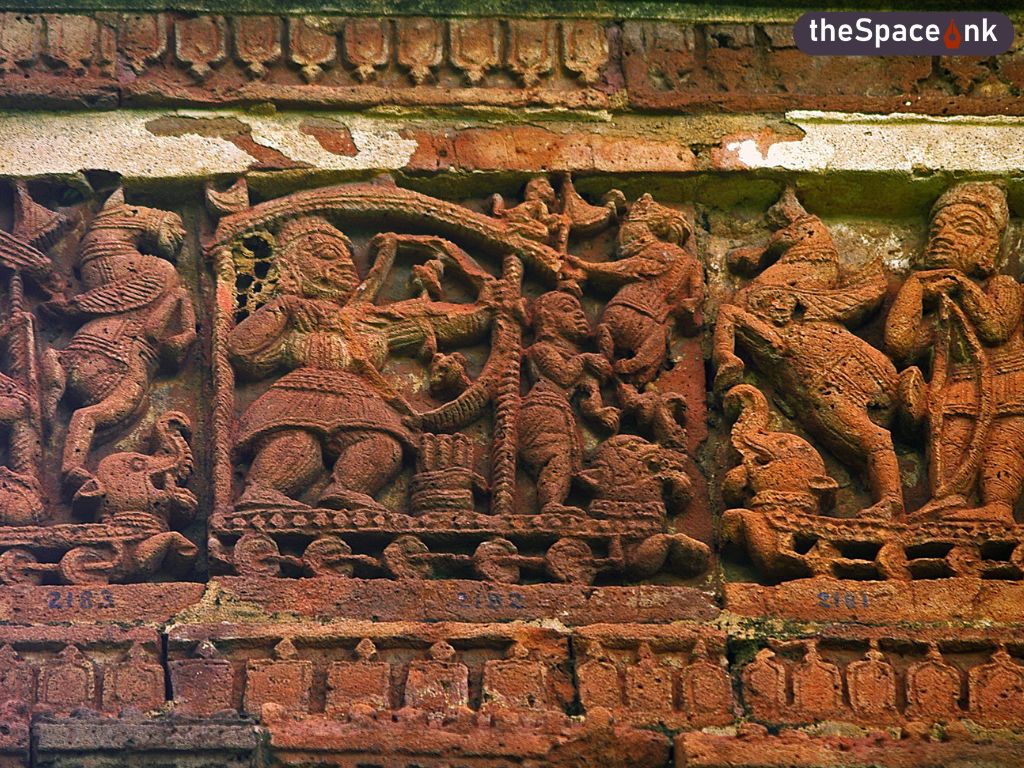
Photo 3: Battle between Karna and Arjuna, Dutta Para Nabaratna Temple, Joypur, Bankura district.
This is one of the highlight of the war at Kurukshetra. On the right it is easy to identify Arjuna as one can see four armed Krishna as the charioteer.
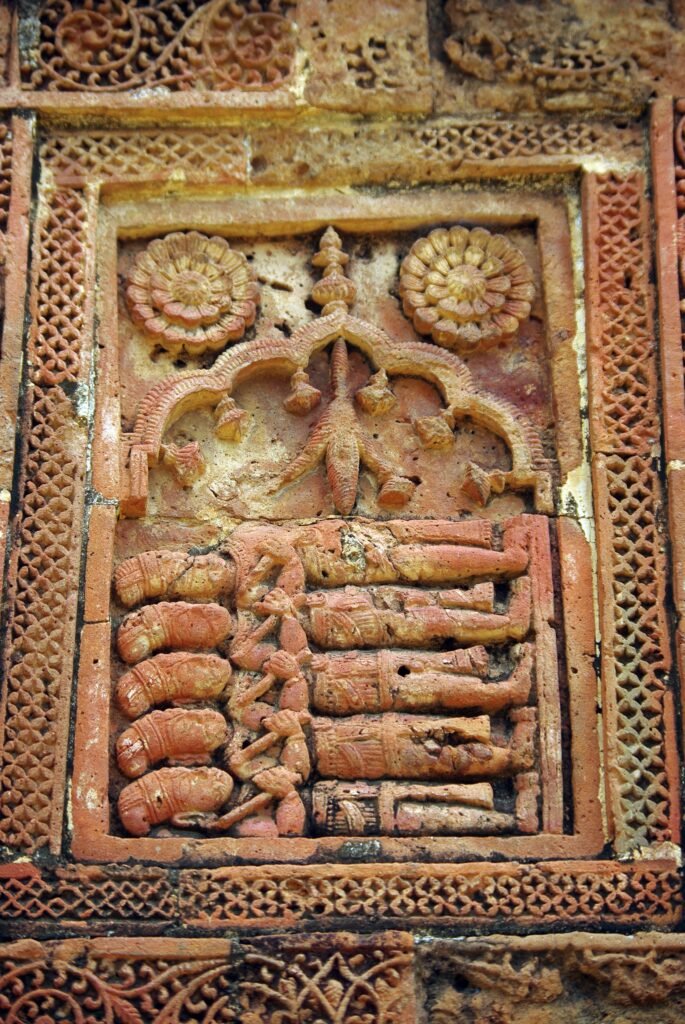
Photo 4: Five Sons of Pandavas being assassinated by Aswathama during Kurukhetra war, Madan Mohan Temple, Bankura District.
This is one of most tragic incidents of the war at Kurukhetra. On the last day of battle of Kurukshetra, in a fit of fury to avenge his father’s death, Ashwatthama attacked the Pandava camp at night and killed the sleeping Upapandavas (Prativindhya, Sutasoma, Shrutakarma, Shatanika and Shrutasena) mistakenly believing them to be the Pandavas. He had also cut off the head of Drishtdhumayan, the Commander of Pandava army and brother of Draupadi. The plaque is a bit abstract with five figures lying side by side and an indicative spear above them. (Terracotta)
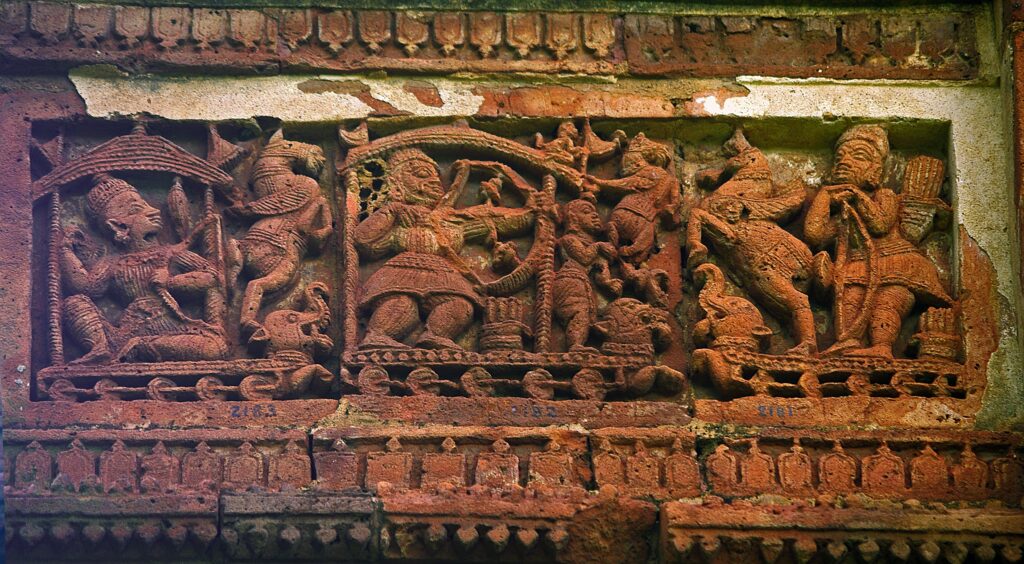
Photo 5: Renunciation of arms by Bhisma as Arjuna along with Shikhandi shoots at him, Kesto Raya Temple, Bishnupur, Bankura district.
Shikhandi is the reincarnation of Amba, a princess who was abducted by Bhishma at a svayamvara and later rejected by him, as the latter had vowed celibacy. During the Kurukshetra war, he fought along with Arjuna against Bhishma. Bhishma, knowing Shikhandi was originally a woman, renunciates his weapon and is eventually severely injured by Arjuna and succumbs to his death. Here one can see Bhishma on the right keeping his bow down while Arjuna is shooting at him, keeping Shikhandi in front as another warrior looks at them from the back. (Terracotta)
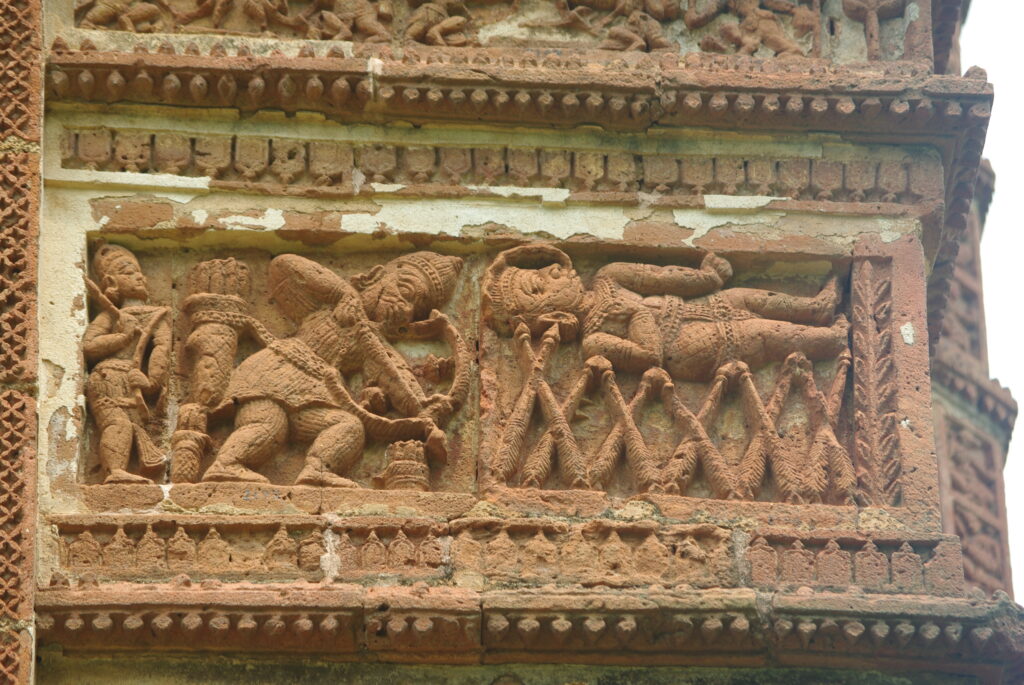
Photo 6: Bhishma lying on a bed of arrows and Arjuna shoots on the ground to provide drinking water, Kesto Raya Temple, Bishnupur, Bankura district.
Arjun used the Parjanya-Asthra (alis Vaaruna-Asthra) to provide water to Bhishma. He shot this arrow into the earth, and it provided a gushing stream of water that quenched Bhishma’s thirst.
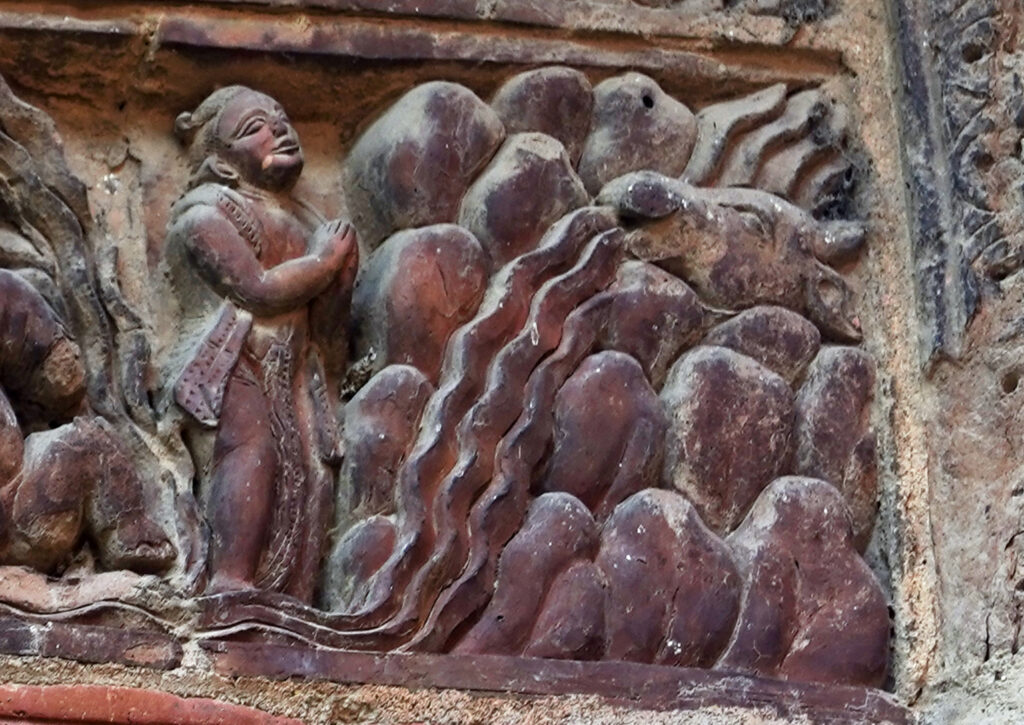
Photo 7: Bhagirath Bringing Ganga To Earth, Mahaprabhu Temple, Illambazar, Birbhum district.
This incident, though not part of main Mahabaharta epic, is a significant event as the goddess Ganga herself is one of the prominent characters of the epic, as she becomes the wife of King Shantanu (great-grandfather of the Pandavas and Kauravas) and incidentally mother of Bhishma. (Terracotta)
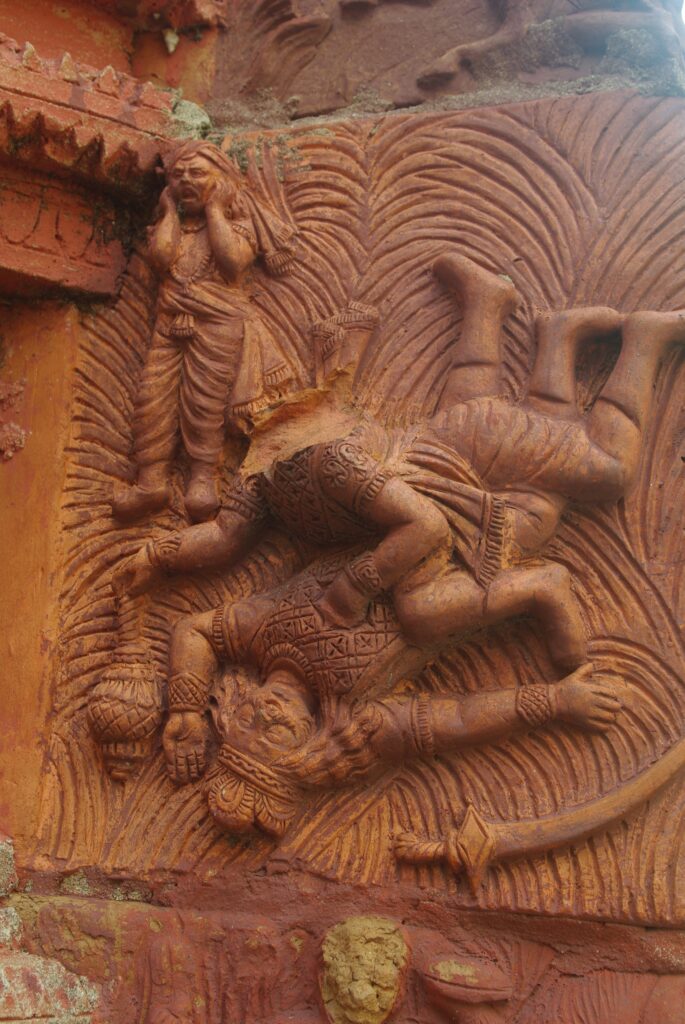
Photo 8: Bheema Killing Dushashan and tearing his chest, Gopinath temple of Biswas family, Dasghara, Hooghly district.
This beautiful terracotta plaque, though severely damaged, represents one of the brutal incidents of the Mahabharata, when Bheema kills Dushashan by tearing his chest with his bare hands. Though Bheema’s head is damaged, one can see that his hand is inserted inside Dushashan’s chest. (Terracotta)
Photo Courtesy: Author

He was once a high-profile brand manager with a reputed company. Leaving behind the security of a stable career, he set out one day, drawn by the call of the road. Today, he is a full-time travel photographer and travel writer, and a part-time brand consultant. He has blended his profession with his passion. His travel photographs and write-ups are regularly published in various newspapers and magazines.