Sansat inspires my journey through Bengal’s history, where poetry, devotion, and spiritual harmony live within my roots and surrounding heritage.
For centuries, the Charyapada remained a mere whisper in history, remembered only by scholars and monks but lost as tangible cultural artifacts.
Mughal legacy reflects cultural exchange, shaping cuisine, architecture, language, and identity, urging plural understanding beyond politics and historical biases.
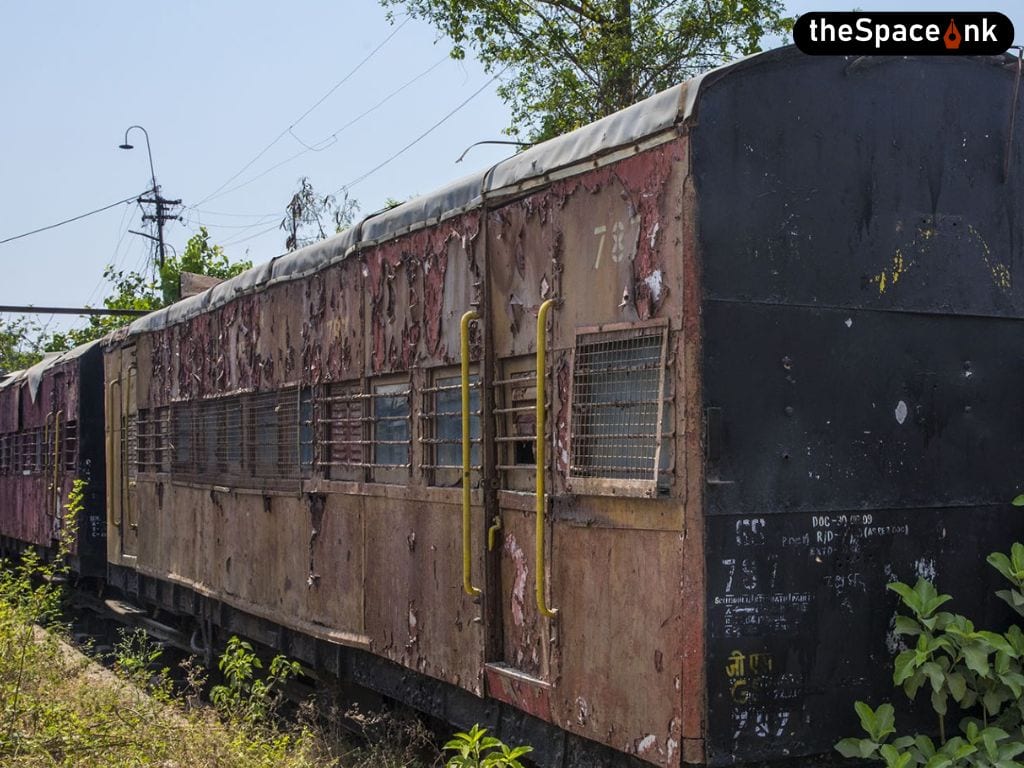
Tiny trains stitched Bengal’s villages together—stopping for waved hands, carrying lives, memories, and a century of softly moving dreams.
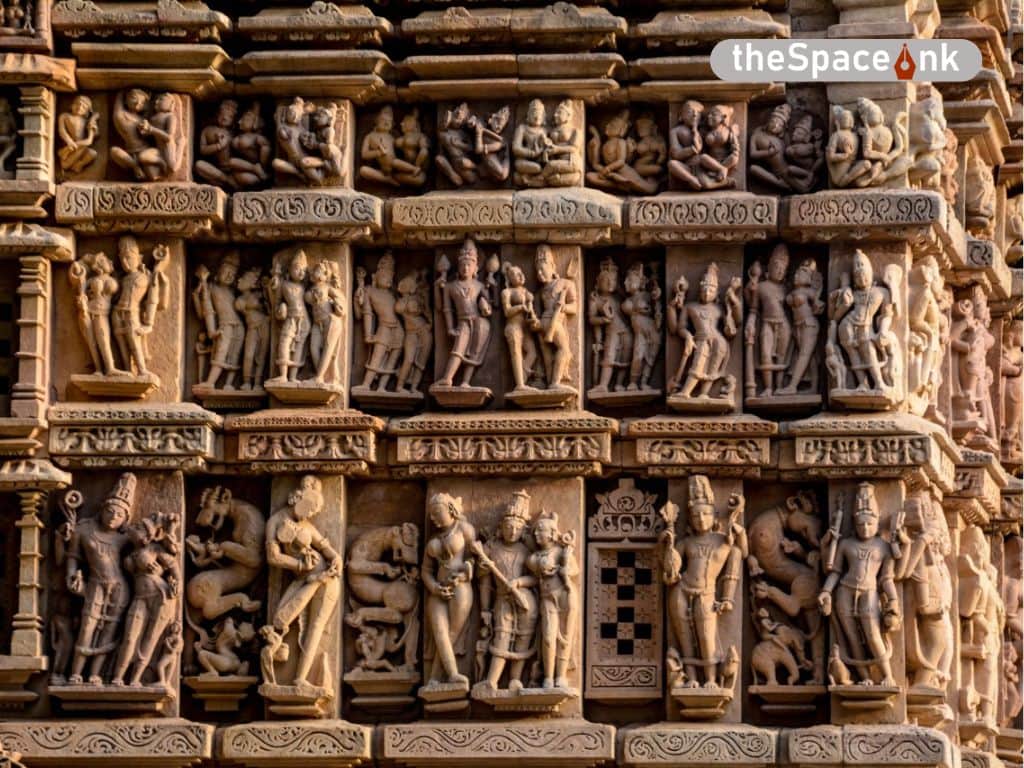
The sculptures here work as an amalgamation of Eastern philosophy and Western dynamism.
Bishnupur, situated in the Bankura district of West Bengal, stands as a testament to the rich cultural heritage and architectural brilliance.
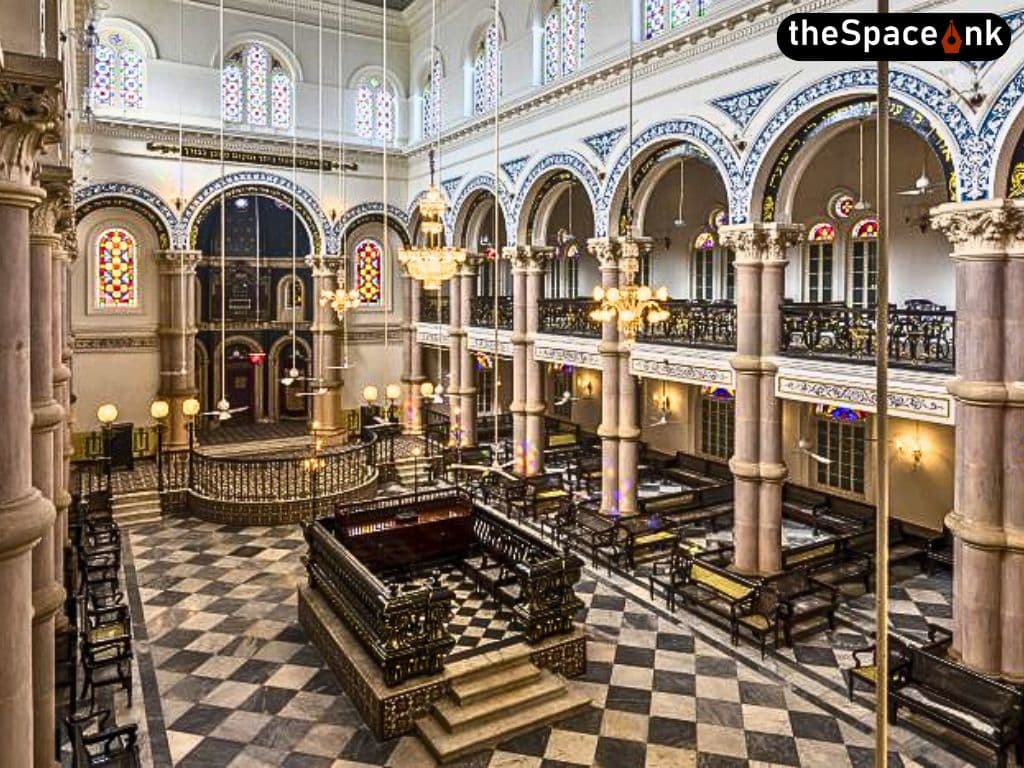
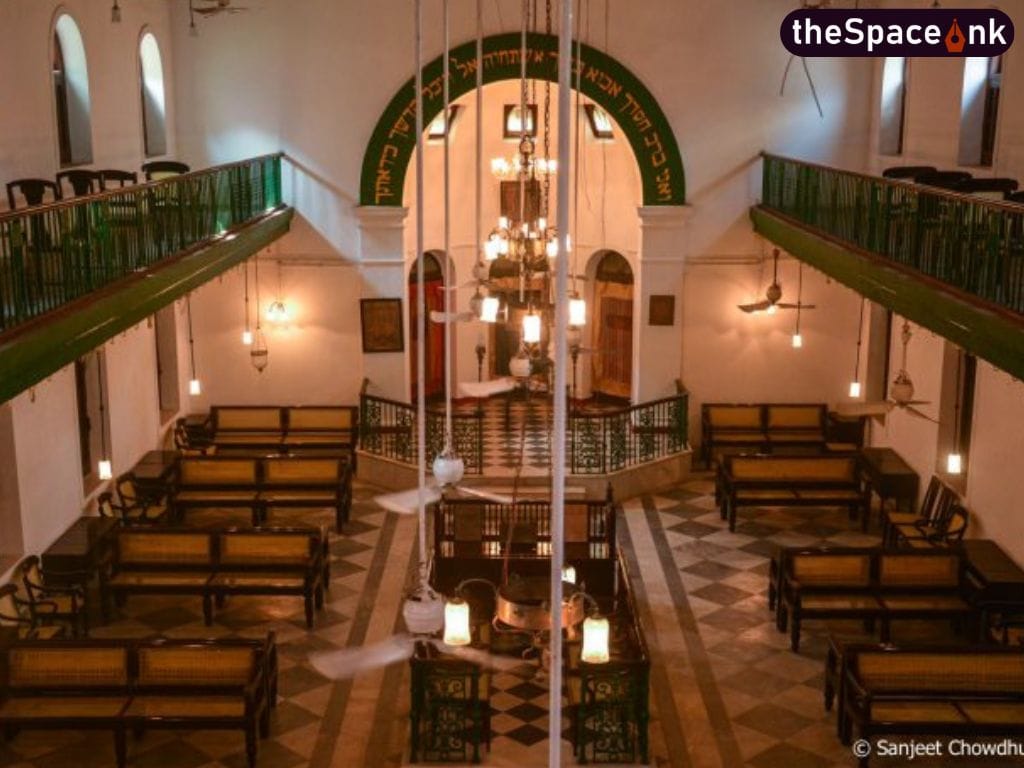
Neveh Shalome Synagogue (House of Peace), the oldest of Calcutta’s synagogues, was established in 1826 when there were barely 300 Jews in the city.
Globalization has triggered the emergence of a synthetic macro-culture. This synthetic macro-culture is silently engineering the gradual attrition of tribal/ folk art and culture.
Difference was the norm, manifest in how we looked and from the aromas that drifted from our tiffin boxes.
A photo series on letter boxes- a forgotten chapter of our social history.
There are dozens of ghats along the river with architecturally significant structures, evidence of the rich heritage of colonial Calcutta.
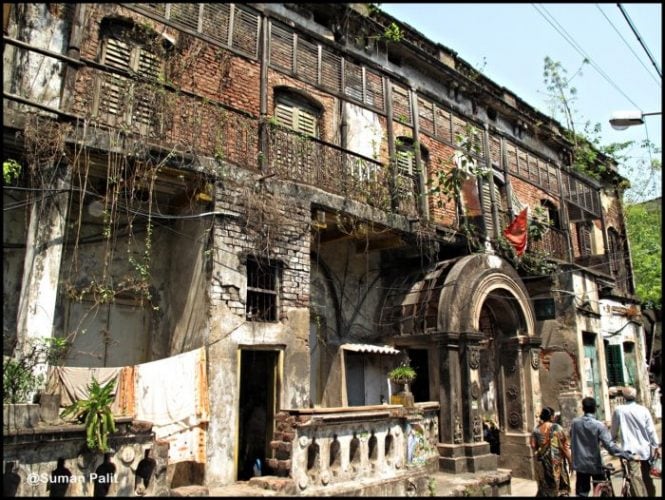
The house was once occupied by Pratap Chandra Ghosh who started his career as Assistant Librarian of the Asiatic Society.
Just like the Bandel Church, the architecture of the St. Olav’s church is not characteristically Danish, but bears stamps of other European influences.
The oldest Christian edifice of worship in Bengal is the Basilica of the Holy Rosary, Bandel commonly known as the Bandel Church-- a Portuguese Church