(Tarpa Dance)
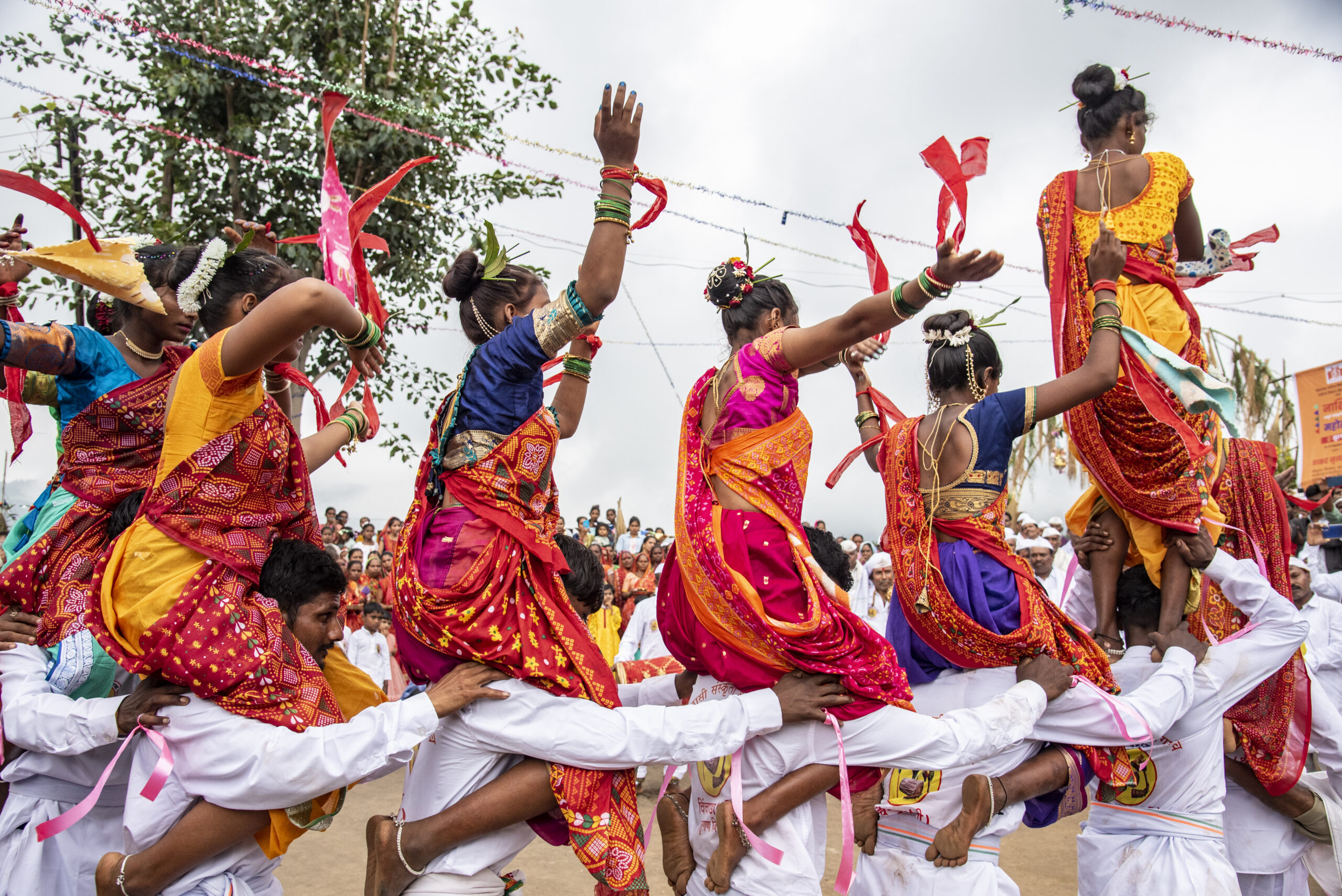
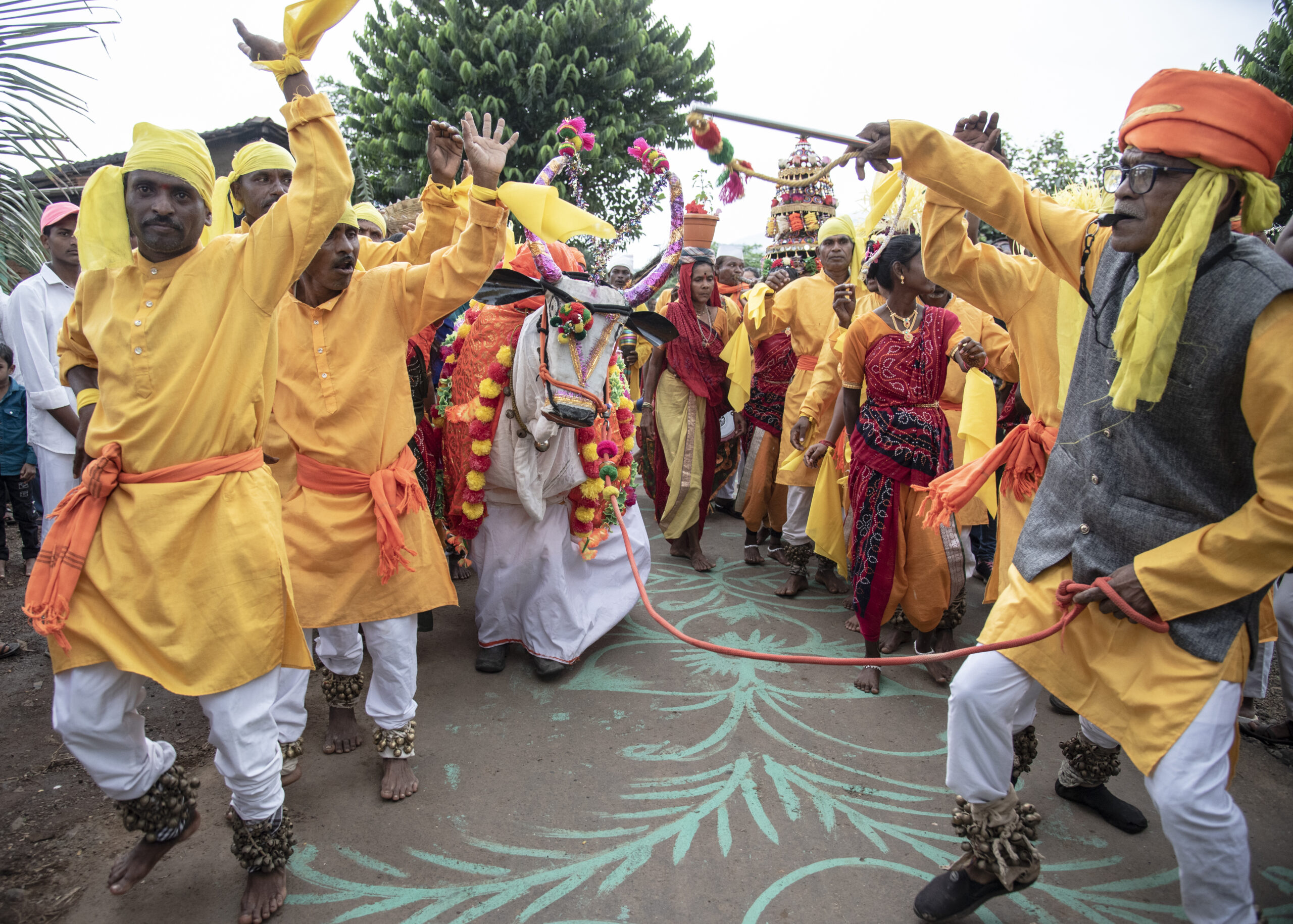
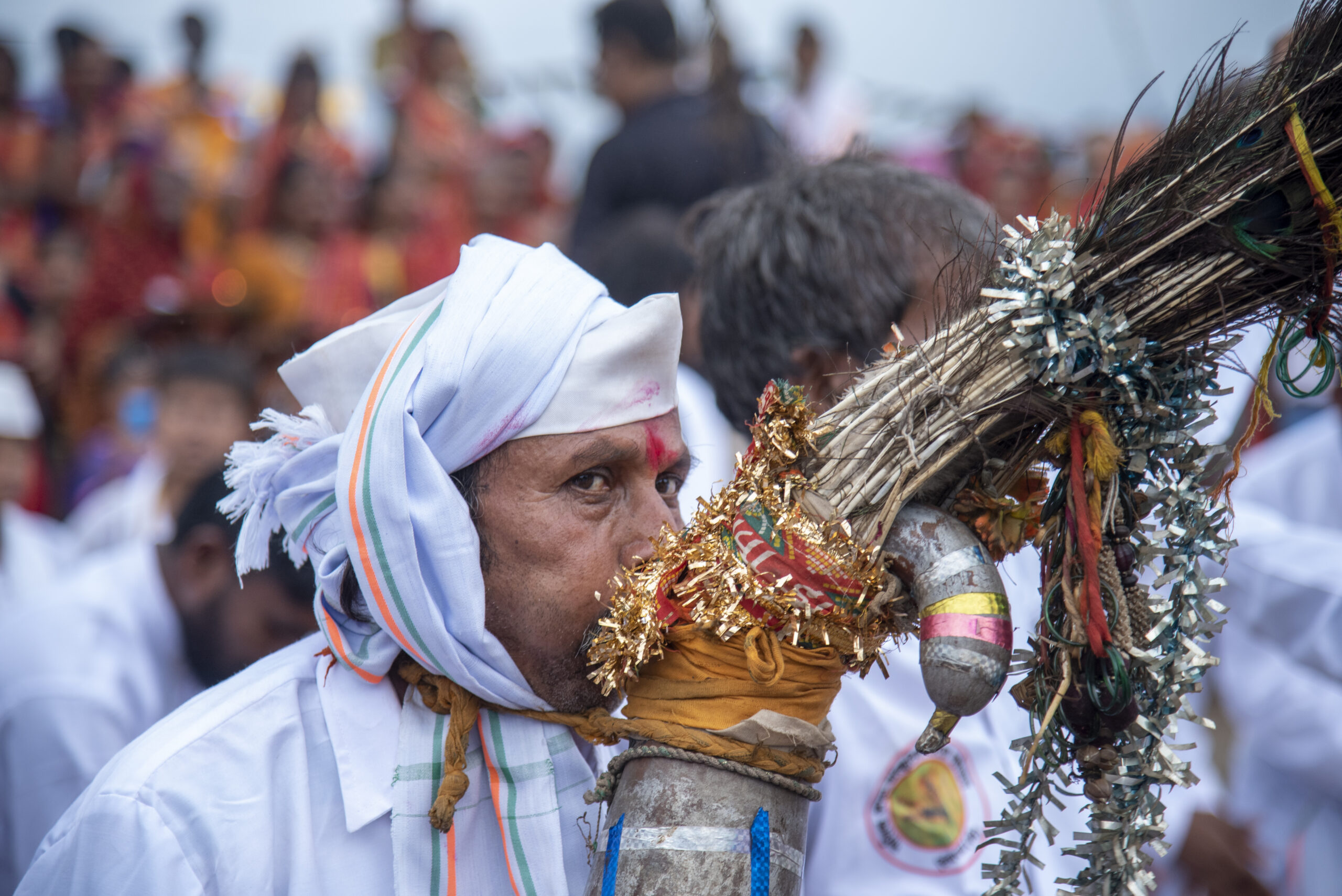
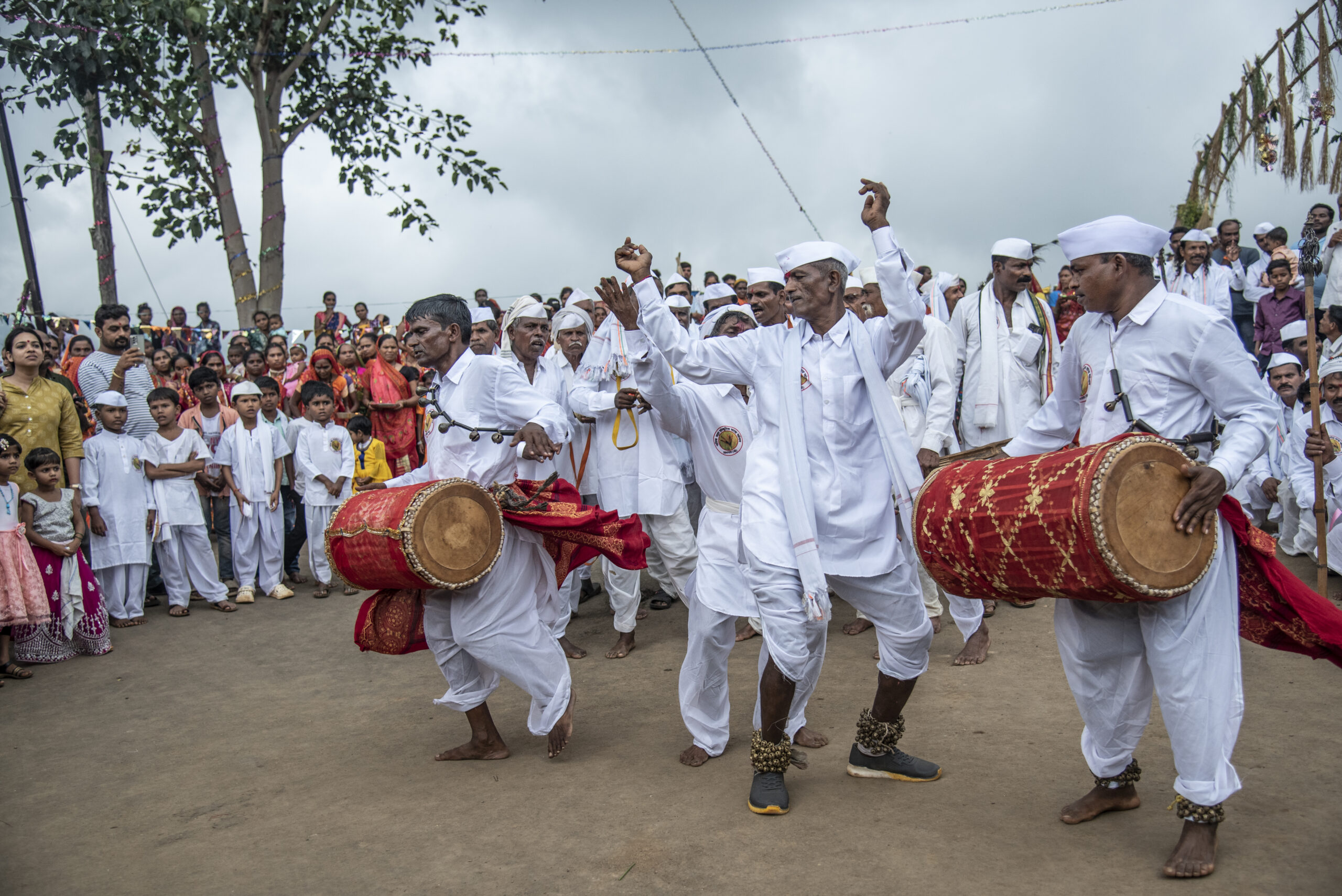
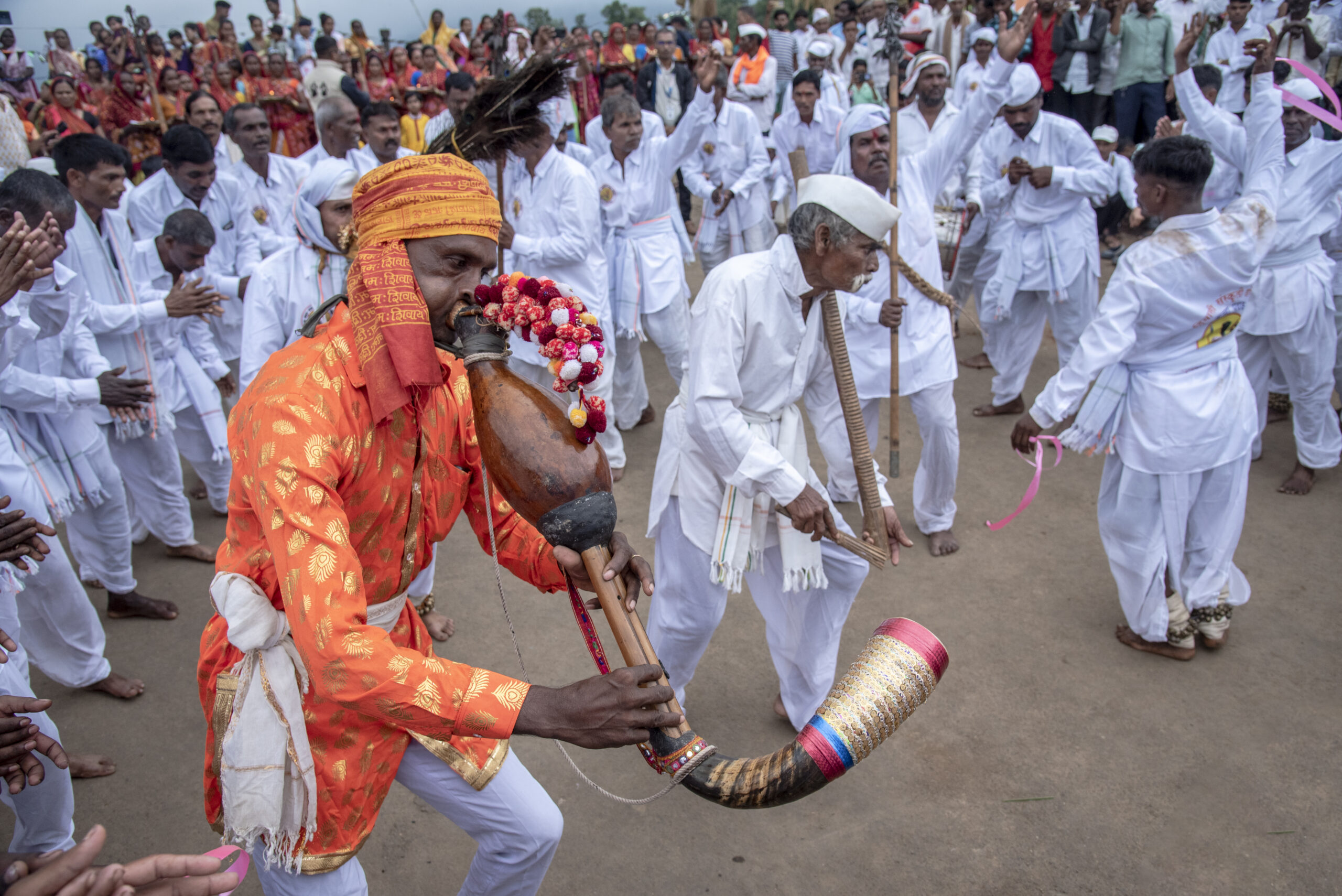
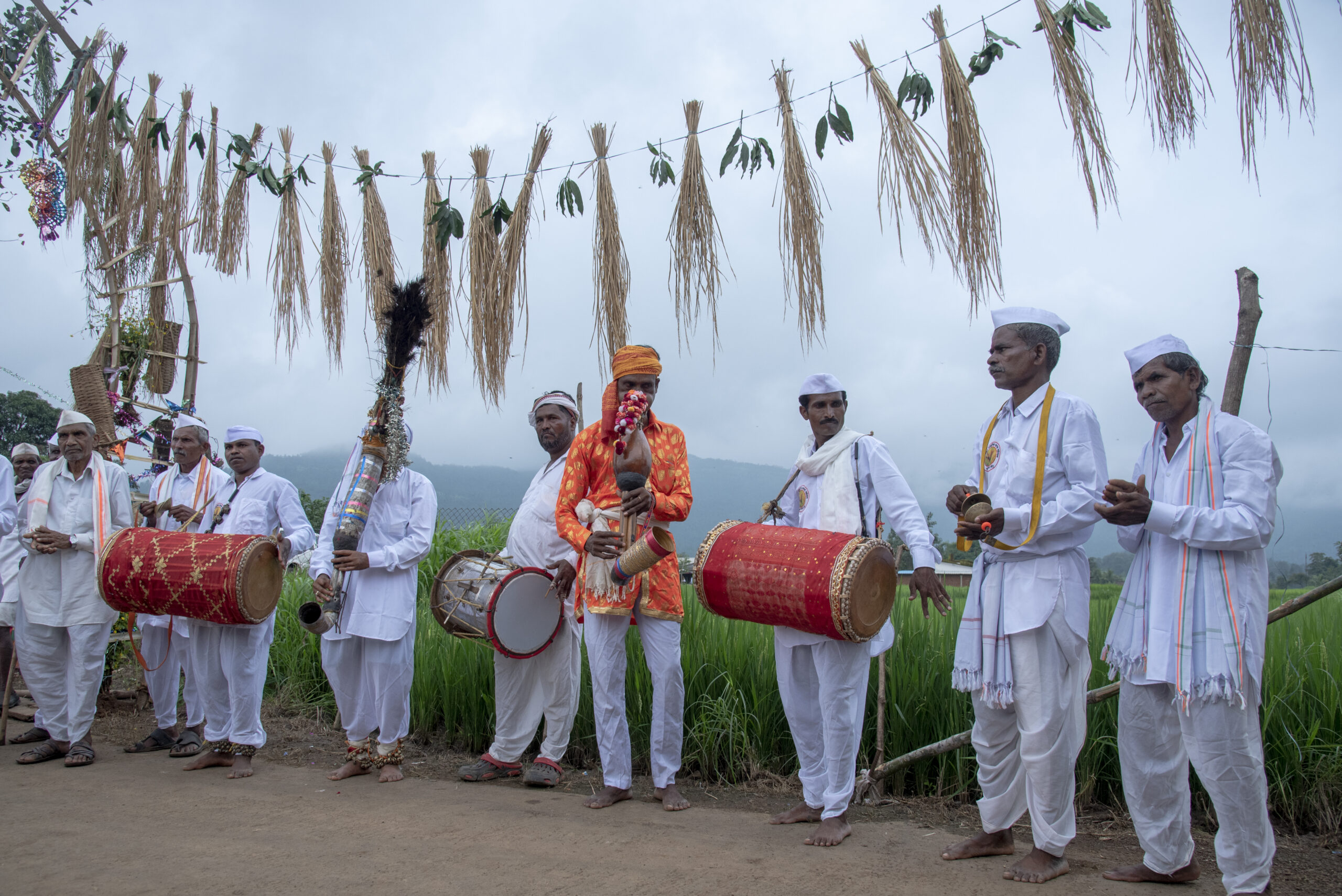
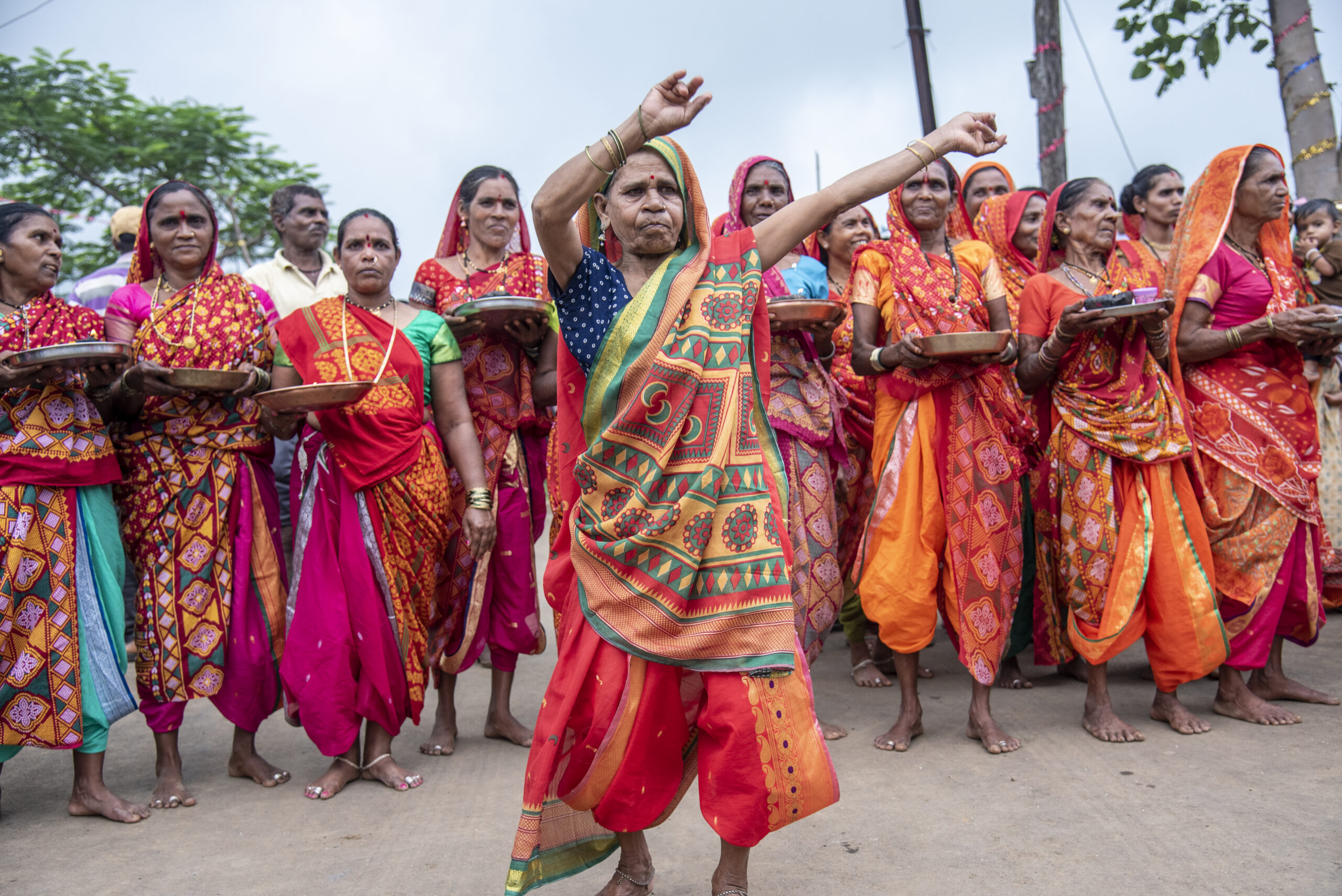
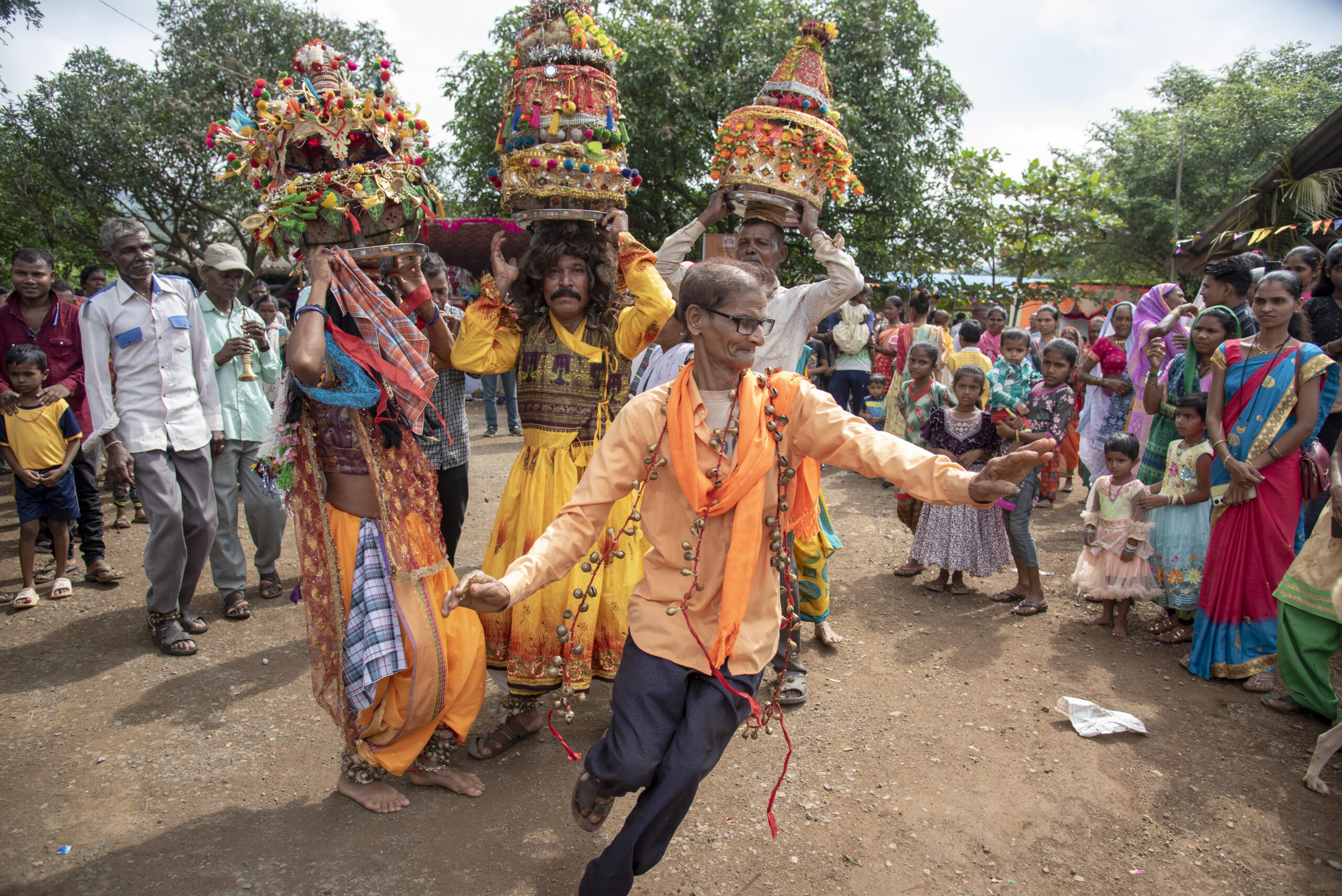
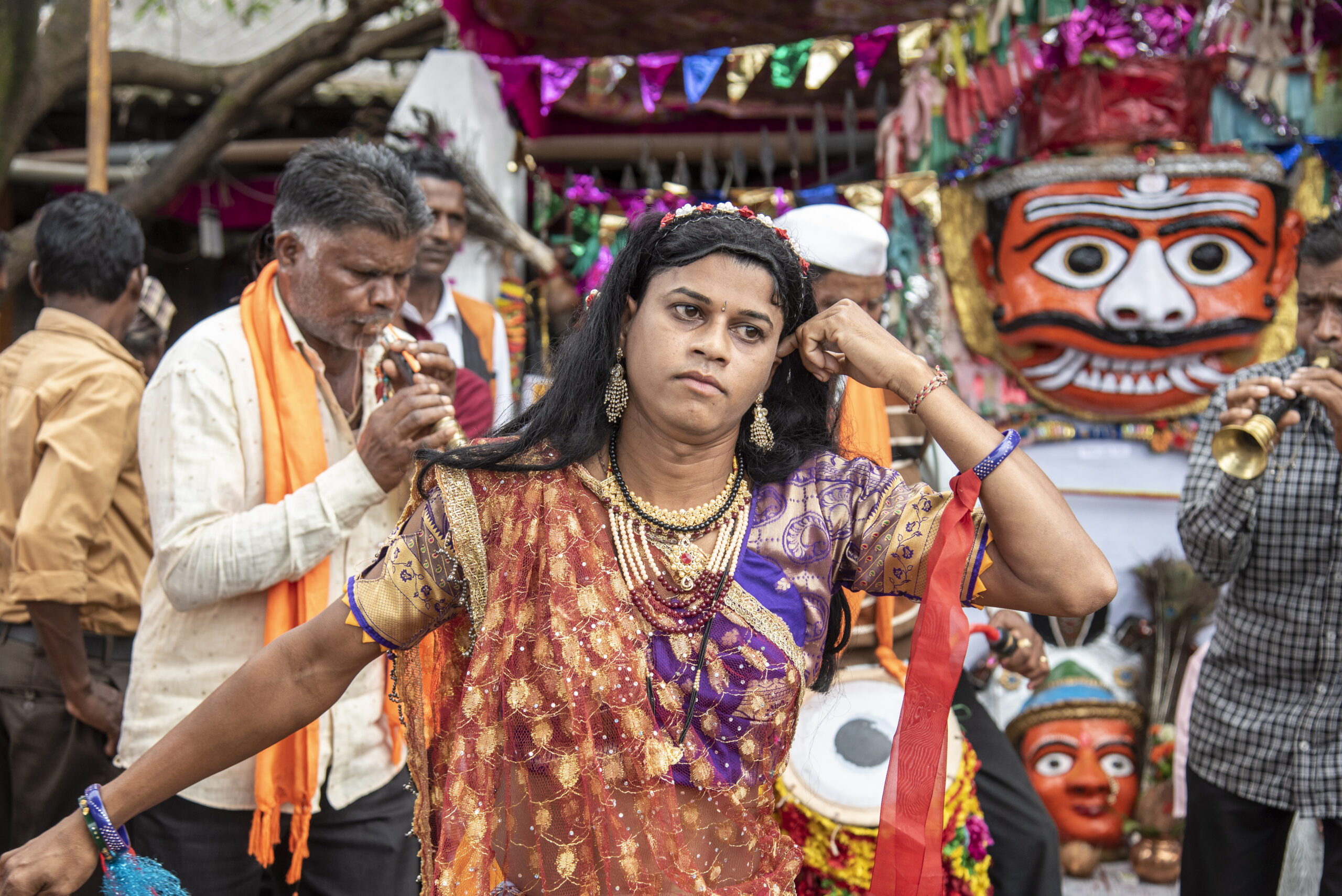
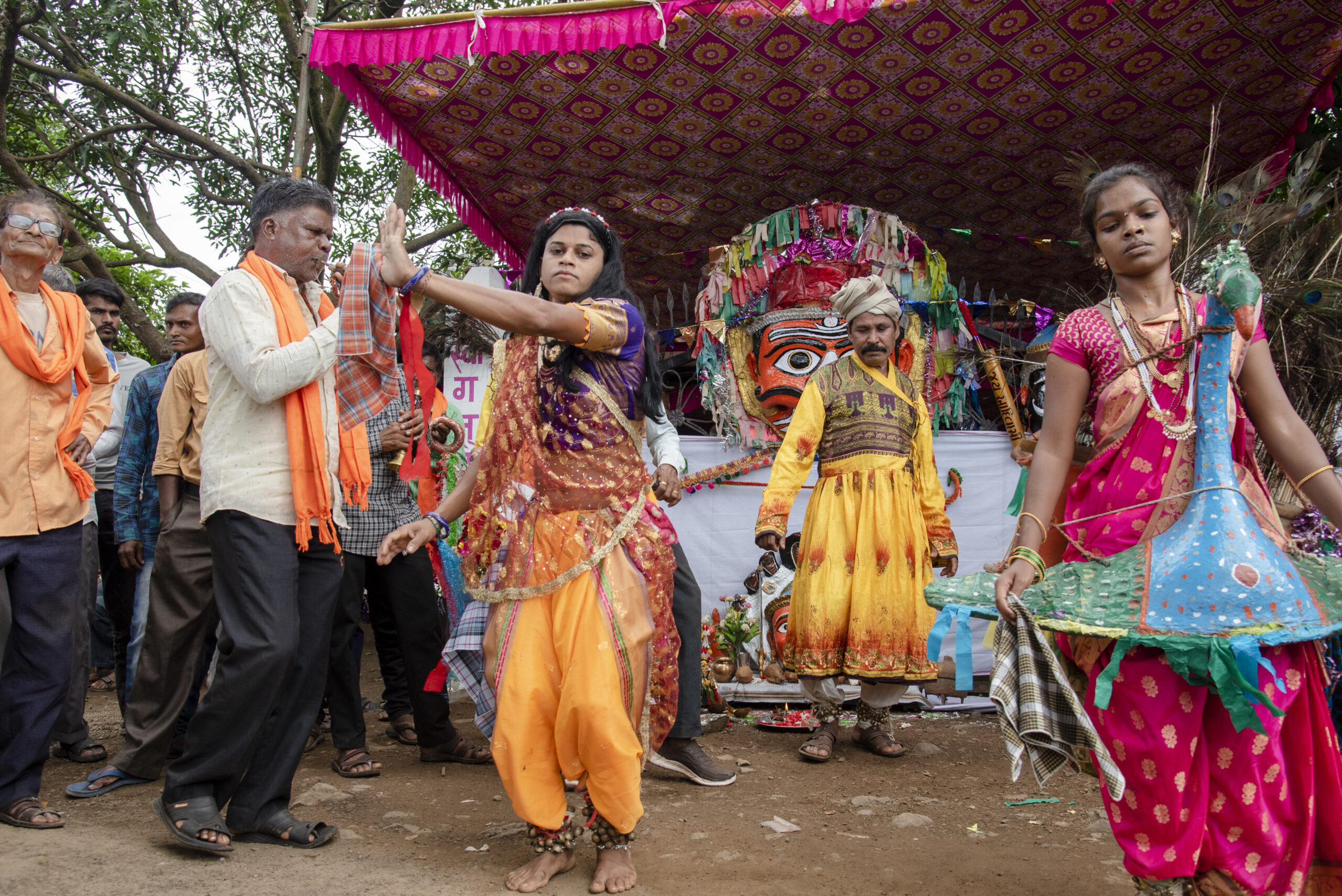
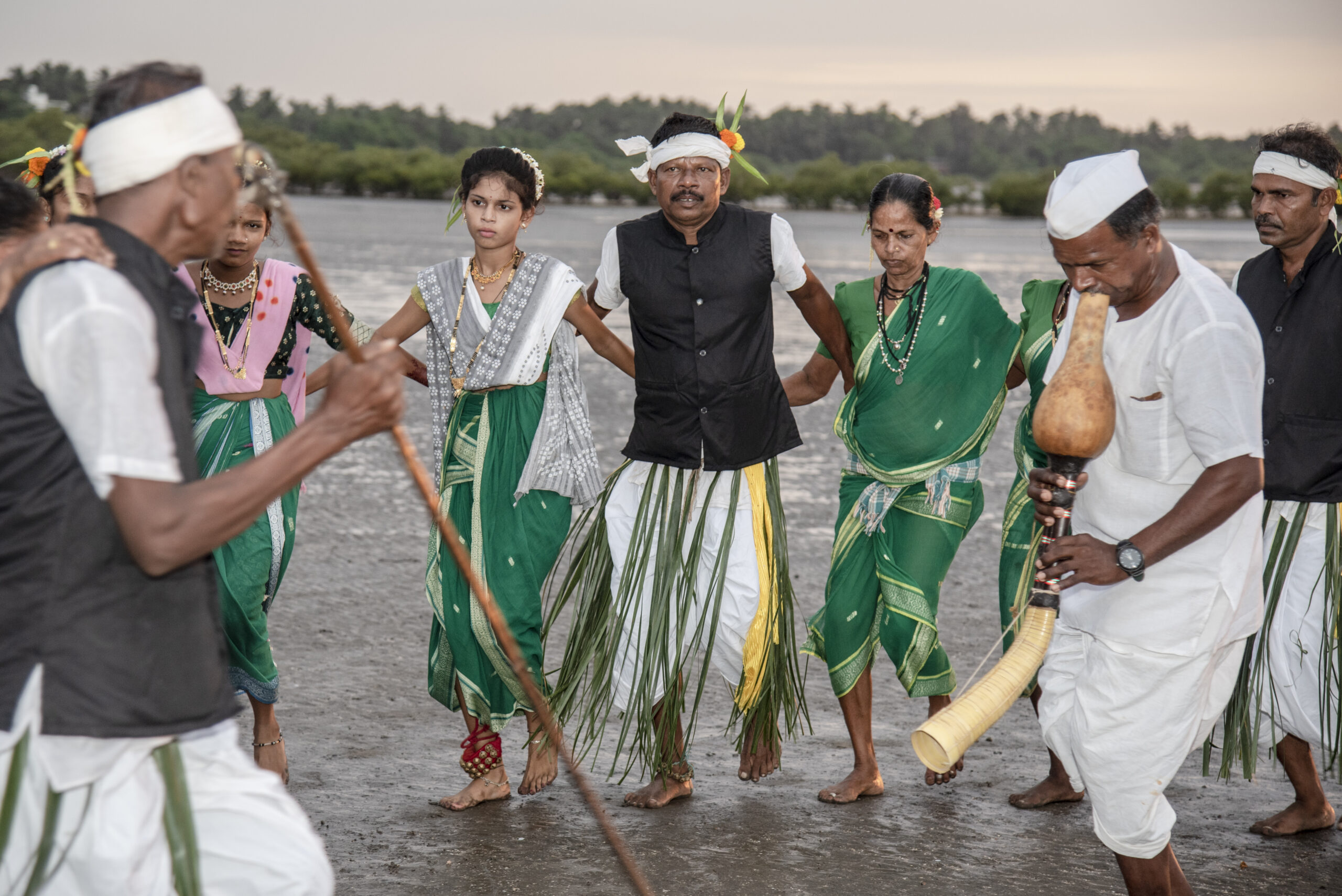
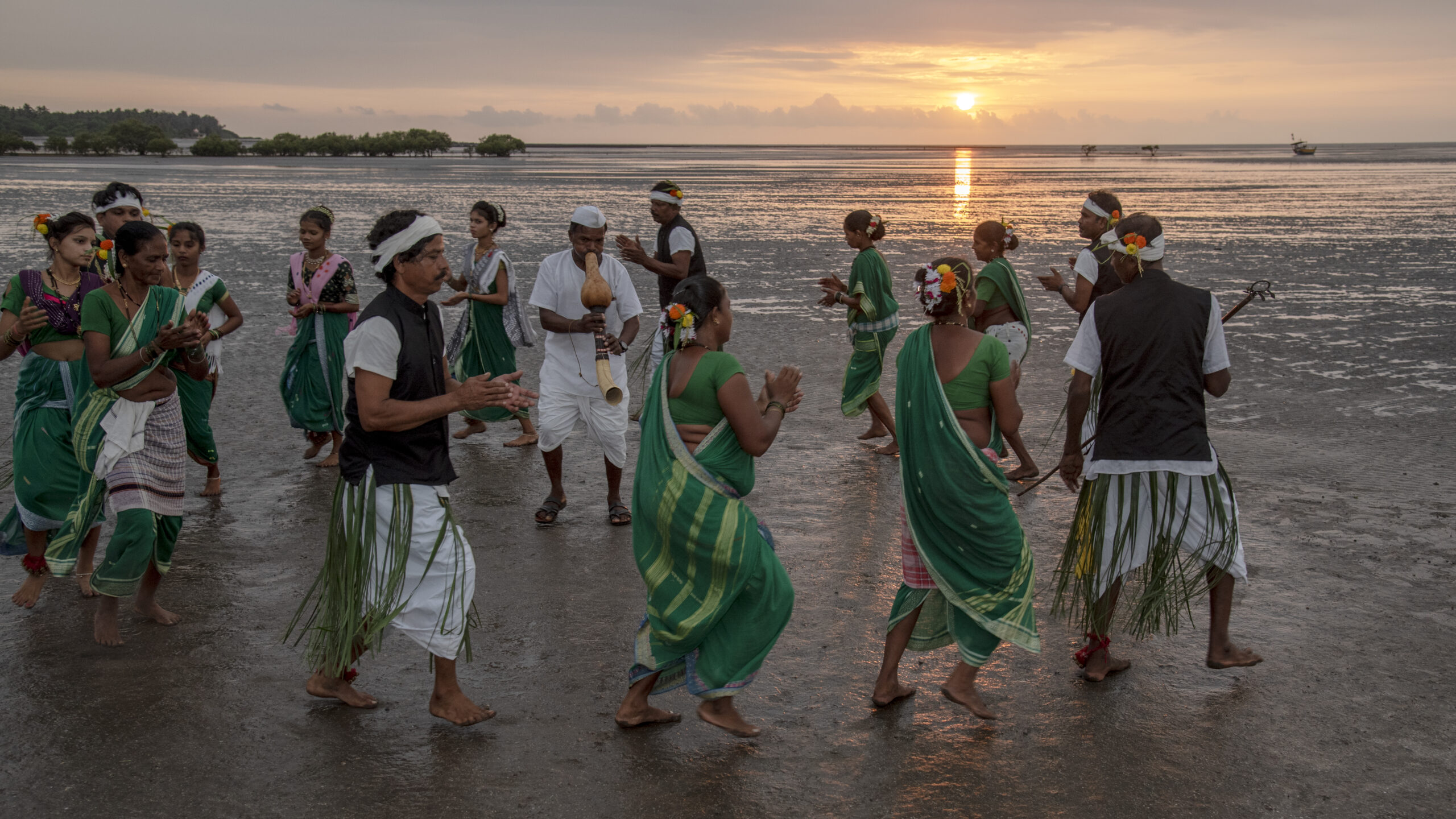
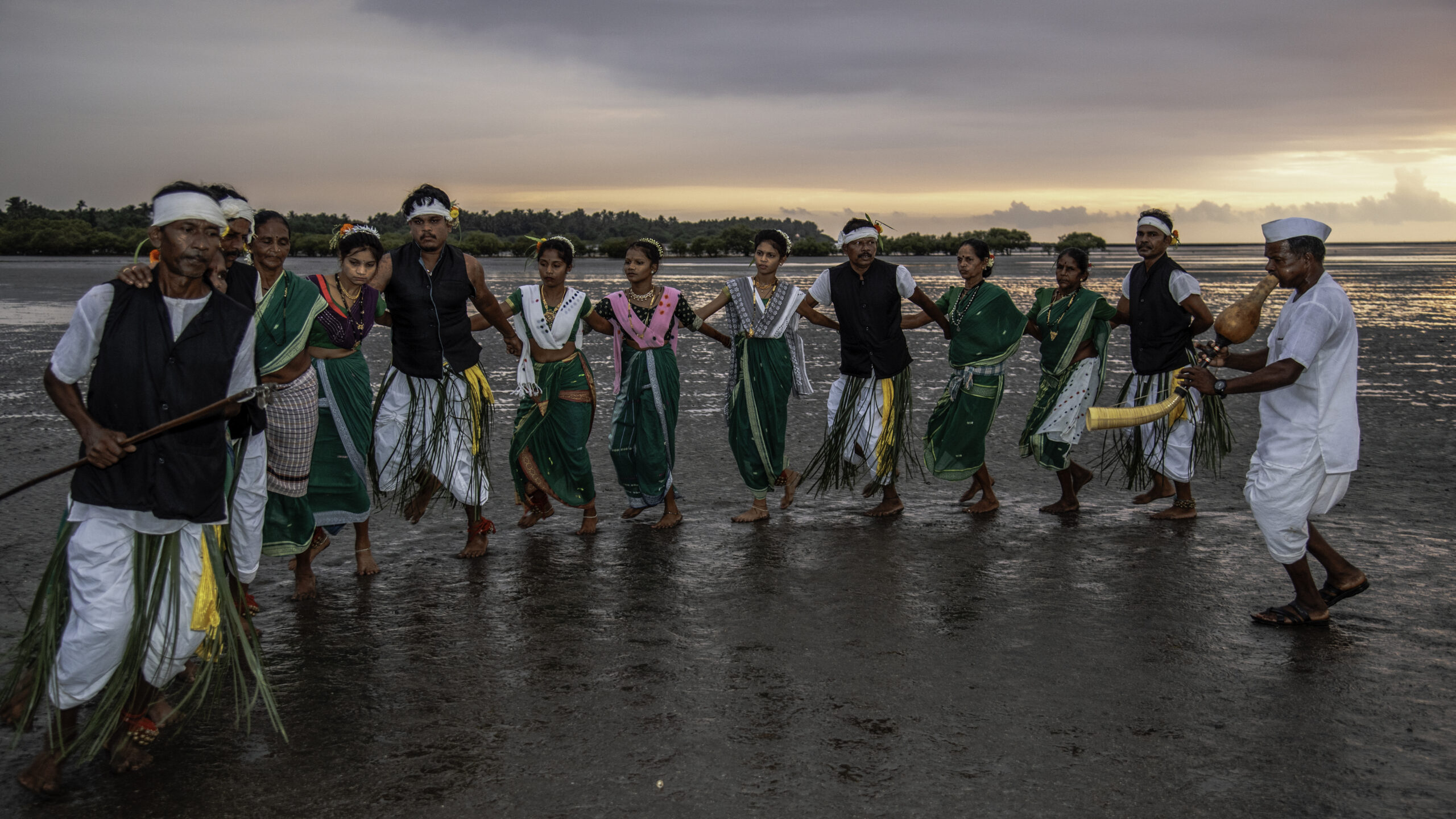
The Tarpa dance of Palghar district in Maharashtra is a vibrant expression of tribal life, deeply rooted in nature, community, and ancestral memory. Practised primarily by the Warli, Kokna, and Malhar Koli tribes, Tarpa Nritya is both a musical and kinetic ritual, performed during festivals such as Diwali and the harvest season. At its heart lies the tarpa—a trumpet-like wind instrument—whose rhythmic call draws the entire community into a shared circle of movement, unity, and celebration.
The origins of Tarpa Nritya are closely tied to the agrarian and forest-based lifestyles of Palghar’s indigenous communities. Traditionally, the dance evolved as a collective expression of gratitude to nature, marking cycles of sowing and harvest, and reinforcing social bonds within the village. As the tarpa player moves, the dancers—men and women alike—hold hands and form a circular or spiral formation around him. They follow his turns precisely, never turning their backs to the instrument, symbolising reverence, continuity, and the unbroken circle of life.
Photostory: Bonalu: A Festival of Devotion and Colour in Hyderabad
What distinguishes the Tarpa dance is the centrality of the instrument itself. The tarpa is handcrafted over a period of nearly five days, using dried pumpkin, bamboo sticks, and natural leaves. Light in weight yet commanding in presence, it produces a resonant, earthy sound that sets the tempo of the dance. Traditionally played by a senior or respected member of the village, the tarpa leads the performers, while its music is often complemented by the rhythmic tapping of ghunghroo-adorned wooden sticks. Performances can continue for hours, interrupted only by brief pauses, reflecting the stamina and communal spirit of the dancers.
Equally striking is the sustainability embedded in the dance’s aesthetics. Costumes are fashioned from locally available materials rather than elaborate fabrics. Men often wear skirts woven from mango leaves, while women adorn their hair with natural foliage, reinforcing the intimate relationship between the community and its environment. The steps themselves are simple—dominated by footwork and clapping—yet the synchronisation achieved without formal rehearsal speaks volumes about the deep-rooted bonds shared by the participants.
Photostory: Chhau of Seraikella-Kharsawan
Palghar’s cultural landscape extends beyond dance into the realm of visual art, most notably through the globally celebrated Warli painting tradition. Villages across Dahanu, Talasari, Vikramgad, and Jawhar talukas continue to nurture this iconic art form. Ganjad village holds particular significance as the home of Padma Shri Jivya Soma Mashe, whose work brought Warli art to international recognition. This artistic vitality finds a natural extension in Palghar’s rich repertoire of folk music and dance, which includes forms such as Ghor, Kambadi, Gavari, Hodi, Sambal, Toor, and traditional Dhouleri wedding songs.
For the tribal communities of Palghar, Tarpa Nritya is far more than a ritual performance. It is a living tradition that embodies collective identity, intergenerational continuity, and respect for ancestral heritage. Many performers may not know the precise historical origins of the dance, yet their commitment to preserving it remains unwavering. As one community leader expressed, the tarpa dance is a vital link to their ancestors and a legacy they hope future generations will continue to honour.
In essence, the Tarpa dance of Palghar stands as a powerful celebration of community, nature, and cultural resilience. Through its circular formations, handcrafted music, and shared rhythms, it transforms movement into meaning—reminding us that tradition, when lived collectively, remains timeless.
Amlan Biswas is a photojournalist associated with Getty Images,Pacific Press Agency, Shutterstock etc. having vast experience in the media industry, and his images have been published in the Washington Post, Associated Press, The Guardian, Condé Nast Traveller, Outlook Traveller, The Vogue, Kyodo News, Glasgow World, TASS, and many international media publications in India and abroad.