Unsung Women In Science: Victims Of Matilda Effect
Are women really genius? Do they have much intelligence to carry out scientific experiments and the potential to discover several unknown–unidentified things or events or invent something which may prove beneficial for the entire civilization? From time immemorial male-dominated society has looked down upon their intelligence and potential. In the earlier centuries women throughout the world were denied formal institutional education. If by any chance they got the opportunity to get enrolled in academic institutions, they were not given the requisite degree in many of the countries even in the early 20th century.
The theme for International Women’s Day for this year (2026) is “Give To Gain.” Women are now to be given more opportunities and due respect to make the society flourish. There should be gender parity not only in scientific research work but also in all spheres of life. Knowledge or intellect or consciousness is not sex-specific while the foundation of all superstitions or bias is based on our gender. This is the ultimate truth of Science.
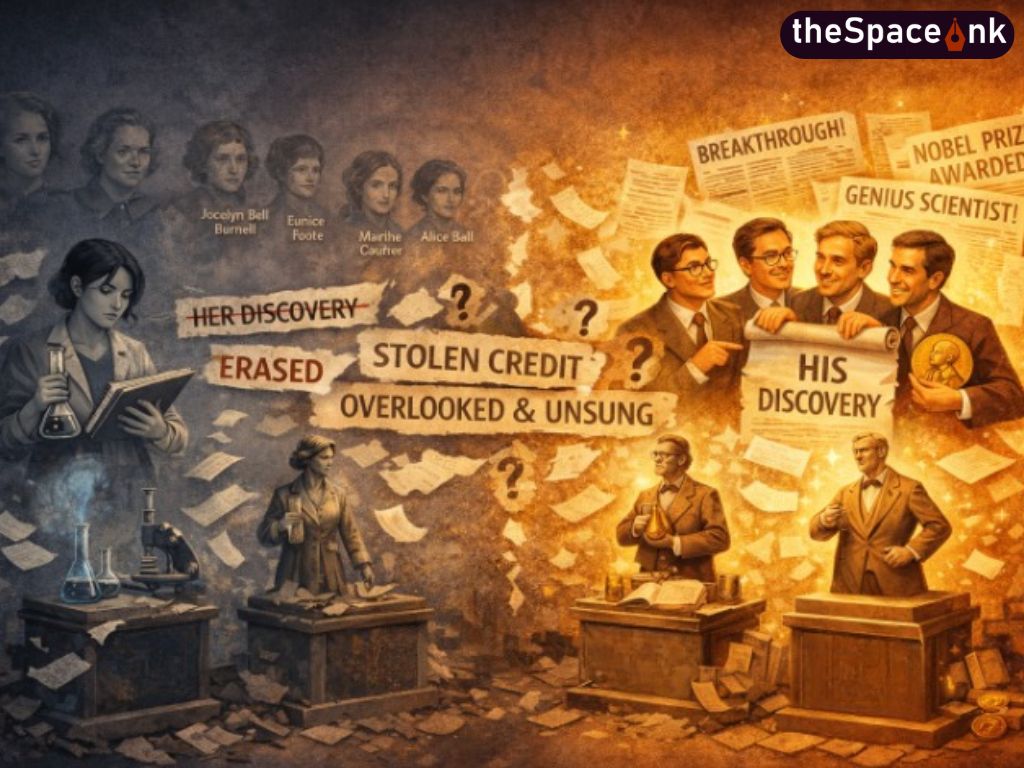
In spite of all these hurdles, women have entered into the world of Science, successfully discovered or invented many of the significant items. But credit was denied to them. In fact, for centuries, the landscape of scientific discovery has been viewed through a lens that disproportionately highlighted the achievements of men only and pushed women aside to the footnotes of history.
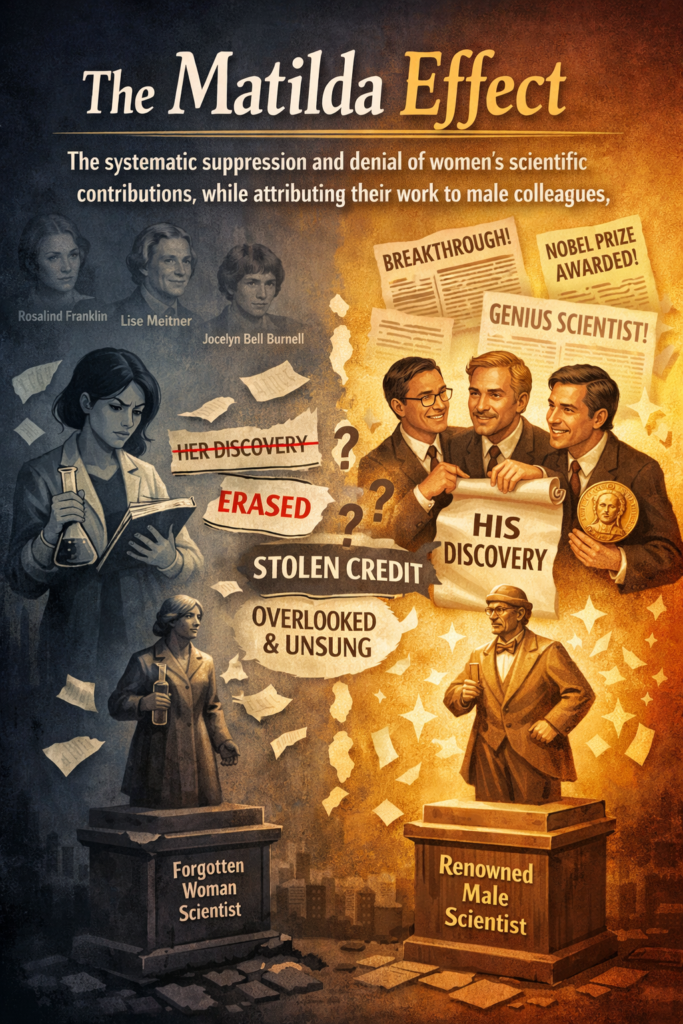
This systematic displacement of female intellectual labor is not an occasional event, where the credit of the woman scientist was denied by her husband, colleague, or mentor. It is indeed an established form of refusal to women scientists, with utter disregard for their intelligence, potential, hard labour, and dedication for research. This kind of phenomenon in the history of Science is known as the Matilda Effect.
No doubt, Matilda Effect is a legacy of erasure. So many women scientists became victims of this phenomenon. These unsung women scientists, though deprived in the contemporary world, are being honoured nowadays after systematic investigation through their biographies, letters, and correspondences. The term was first coined by science historian Margaret W. Rossiter in 1993.
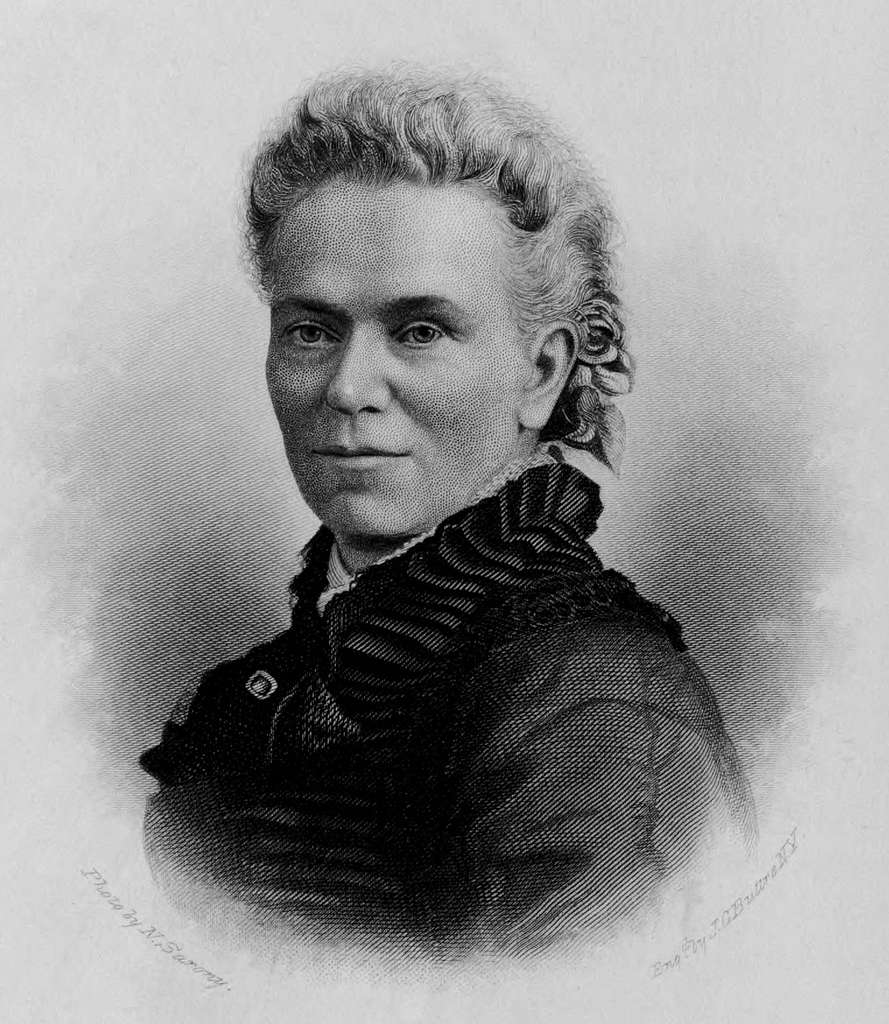
It was named after the 19th-century suffragist and abolitionist Matilda Joslyn Gage, who observed that women’s real contributions to Science were not credited to them but to their male colleagues, mentors, or husbands. The hard labour of the women scientists was often regarded as mere assistance as technicians or helpers for data collection, and that is why their names were not considered for authorship in scientific publications or nomination for Nobel Prize or other prestigious prizes.
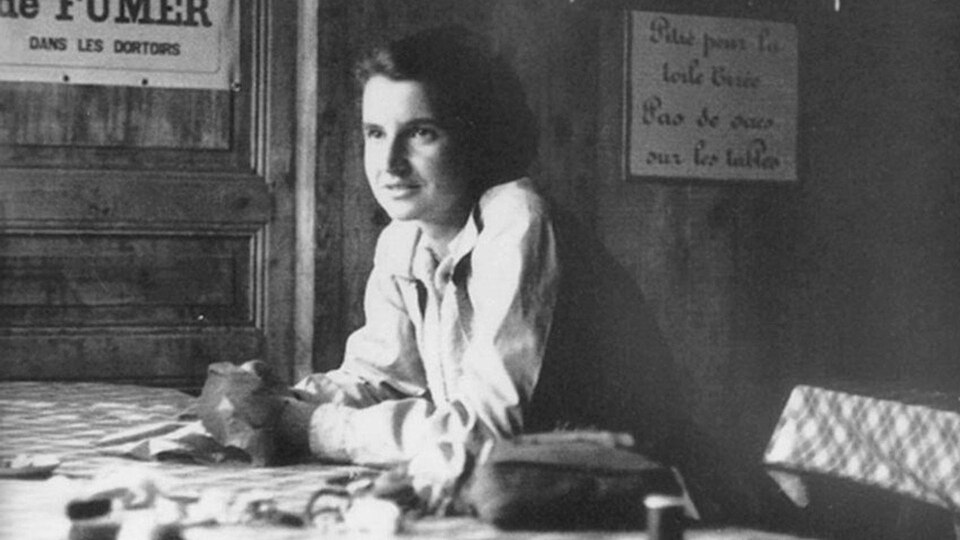
If we peep into the lives of those unsung women scientists, several names will come up. Much research has been done on the dark lady of DNA, Rosalind Franklin, who captured “Photo 51” to prove the double-helix structure of DNA. However, two of her colleagues, Watson and Crick, used her data without taking prior permission for publication in a science journal. Later these two scientists were awarded the Nobel Prize and Rosalind, due to her early demise, did not get the credit. Moreover, in the prestigious Nobel lecture, these colleagues narrated her contribution in the said research work as mere technician.
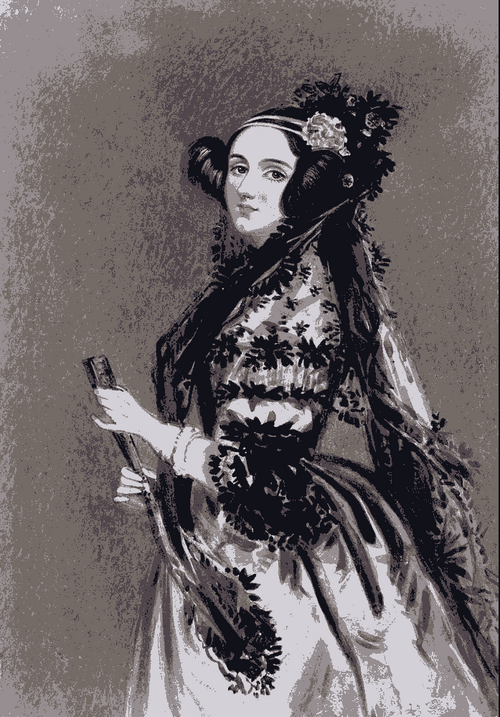
Have we credited in the past the contribution of mathematician Ada Lovelace as the mother of Computer? We confer credit to Charles Babbage as father of Computer, but we hardly talk about Ada Lovelace, the only legitimate daughter of Lord Byron, and the first successful composer of computer program in the world.
Then, how many of us have heard the name of Trotula of Salerno, a medical personality in 11th-century Italy who, for wide dissemination of knowledge in women health, wrote a memorable book on Gynaecology? For centuries people did not believe a woman can write a worthy book on Medical Science.
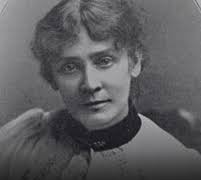
Similarly, we consider for discovery of Greenhouse effect, but have never known about Eunice Newton Foote of nineteenth century, who using kitchen chemistry and rigorous methodology discovered this phenomenon. Foote’s 1856 experiment on CO2 and heat was a masterpiece of “kitchen chemistry” that predicted our modern climate crisis much before the celebrated physicist John Tyndall.
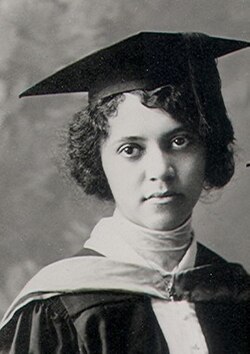
African American woman Alice Augusta Ball in her short lifespan first discovered the effective remedy of a contemporary incurable disease, leprosy, from Chaulmoogra oil in the year 1916. But her credit was stolen by Dr Arthur L. Dean of University of Hawai‘i.
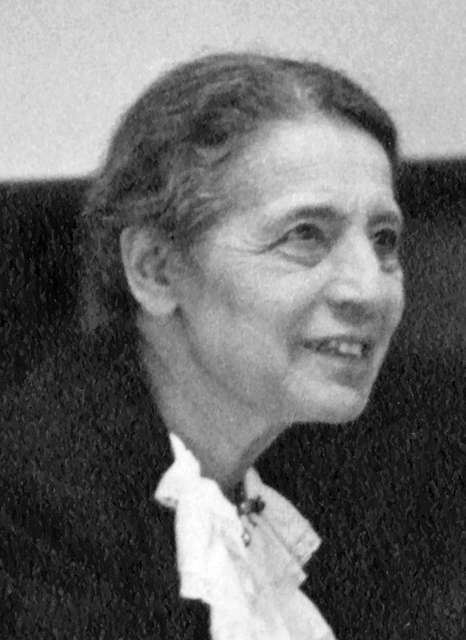
Lise Meitner was another unfortunate scientist who discovered nuclear fission along with her collaborator Otto Hahn. This discovery was fundamental to the creation of the atomic bomb. Eventually Otto Hahn alone was awarded the Nobel Prize in Chemistry in 1944 while Meitner remained unsung.
Esther Lederberg, one of the pioneer scientists of modern molecular microbiology, especially bacterial genetics, discovered the existence of the “lambda phage” and the bacterial fertility factor or sex factor in bacteria for mating, a revolutionary discovery in molecular microbiology. Esther used to work with her husband Joshua Lederberg, though she was the key person in the research. In 1958, Joshua Lederberg along with two other scientists was awarded the Nobel Prize and Esther was again considered as a technician only.
Nowadays, more and more modern women are breaking the glass barrier and creating new history of Science, be it in academic milieu or in core scientific areas, even in Space Science research. Labeling someone like Esther Lederberg or Rosalind Franklin as a “technician” was a calculated move to deny their intellect, just not to establish their intellectual labor as manual labor.
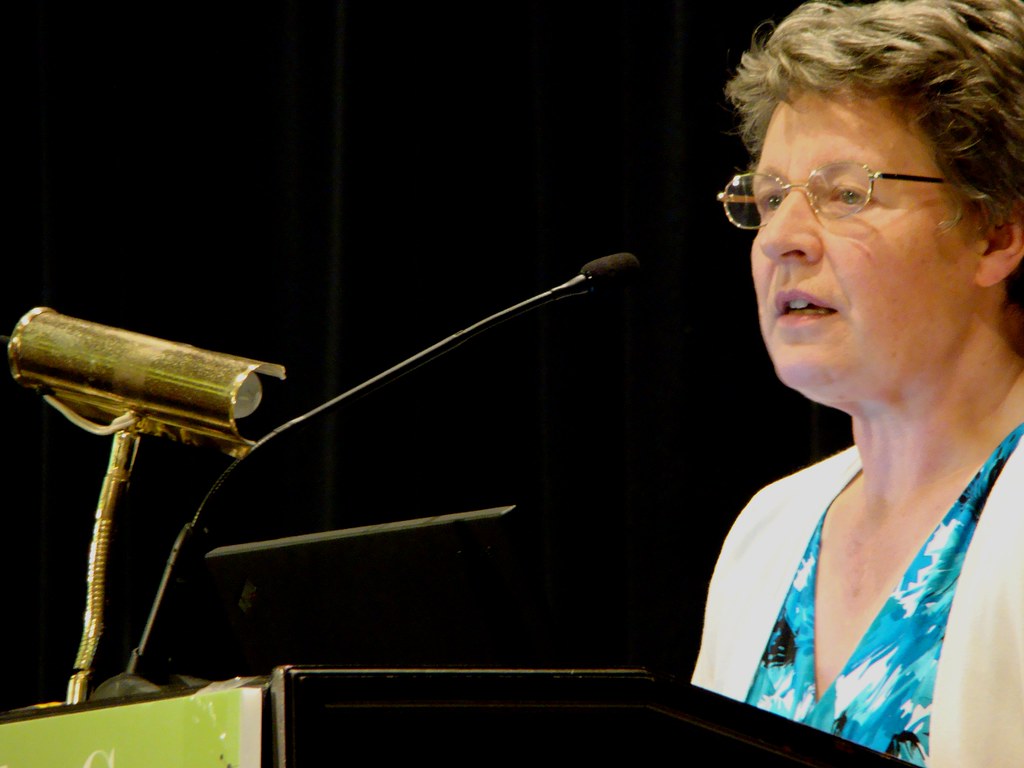
Severe injustice came to Jocelyn Bell Burnell, a bright student of Physics who discovered several pulsars or rotating neutron stars while she was a Ph.D. student. This discovery was considered very worthy for the Nobel Prize in 1974 and it went to her supervisor, Antony Hewish, and the departmental Head of Cambridge University. And there was no formal recognition for Jocelyn.
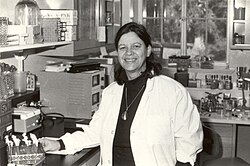
Young Jocelyn could not raise her voice at the time; however, this was not always the case, as we see in the life story of French scientist Marthe Gautier. With her knowledge of cell culture technique, she first discovered the cause of Down syndrome in humans as an aberration of chromosome number in their cells. Here also credit was claimed by her colleague Jerome Lejeune in 1959, who quite cleverly took away all her data.
Also Read: Chat GPT and the Theatre of the Absurd
She became a victim of male-dominated politics in scientific community. Fortunately she possessed a long life and fifty years after this discovery, she could gather her courage and submitted all the documents to the Scientific Ethical Community of Paris in 2014 to reclaim her credit, eight years before her death.
History of Science is flooded with so many unsung women scientists. Why is it so? Do they really lack requisite intelligence? Modern neuroscience and psychology have clearly mentioned no such innate gender difference for this particular attribute. Moreover genes linked with intelligence reside in X chromosomes and women by default have two sets of such chromosomes.
At this stage, many talented women are forced to go out from the scientific field. They lose their career opportunity, related rewards, and financial support. No doubt this particular phenomenon stimulates the male-dominated scientific world to consider negligible contribution of women in STEM fields.
Thus women have always been capable of the highest level of scientific research with their inquisitiveness, logic, dedication, and patience. The only systemic barriers for them are the “leaky pipeline.” They are denied due credit for hard labour, lack of research grants in due time, and leadership positions. Their career graph in the younger days of life goes along with their reproductive period in life and the latter demands much time and dedication for the family and children.
At this stage, many talented women are forced to go out from the scientific field. They lose their career opportunity, related rewards, and financial support. No doubt this particular phenomenon stimulates the male-dominated scientific world to consider negligible contribution of women in STEM fields.
Nowadays, more and more modern women are breaking the glass barrier and creating new history of Science, be it in academic milieu or in core scientific areas, even in Space Science research. Labeling someone like Esther Lederberg or Rosalind Franklin as a “technician” was a calculated move to deny their intellect, just not to establish their intellectual labor as manual labor.
Also Read: Mathematics: an Eternal Saga of Love, Lives and Limitations
Also the case of Marthe Gautier’s decision to speak up 50 years later portrays a reminder that the Matilda Effect is not always a “legacy of erasure.” The pathway of overturning the Matilda Effect has already been started. They are trying to make a new history of Science with much consciousness where they cannot be excluded unethically as had been done to their predecessors in the past.
The theme for International Women’s Day for this year (2026) is “Give To Gain.” Women are now to be given more opportunities and due respect to make the society flourish. There should be gender parity not only in scientific research work but also in all spheres of life. Knowledge or intellect or consciousness is not sex-specific while the foundation of all superstitions or bias is based on our gender. This is the ultimate truth of Science.
Image Courtesy: Wikimedia Commons, Wikimedia Commons, Wikimedia Commons, Wikipedia, Picryl, Wikipedia, Flickr, Wikipedia,

Krishna Roy, an academician and educational administrator by profession, has parallelly run another career in Bengali literary activities for more than two decades. Nowadays, she is mainly an essayist and biography writer, but sporadically writes short stories and bio-novels. For her contribution to the popularisation of science through writing, she was awarded the Dr. Jnyan Chandra Ghosh Memorial Award by the Science Association of Bengal in 2025. Nowadays, she is engaged in research work on unsung women scientists and nineteenth-century women. So far, she has 26 books to her credit.
Hobbies: Book reading, music, and travel.