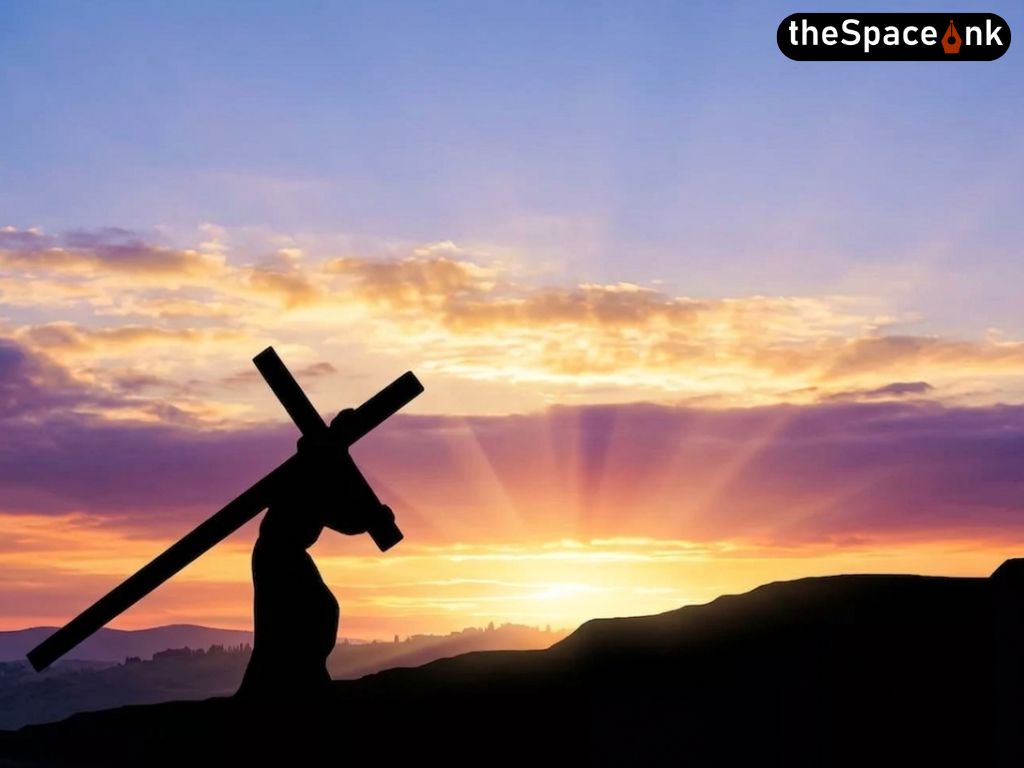
Good Friday: The Paradox at the Heart of Christian Faith
Good Friday stands as the ultimate contradiction within the Christian liturgical year — the annual cycle of seasons and feasts through which the Church commemorates the life of Christ, from Advent and Christmas to Lent and Easter. Its very name is a paradox: a day of brutal execution and mourning is termed ‘good’.
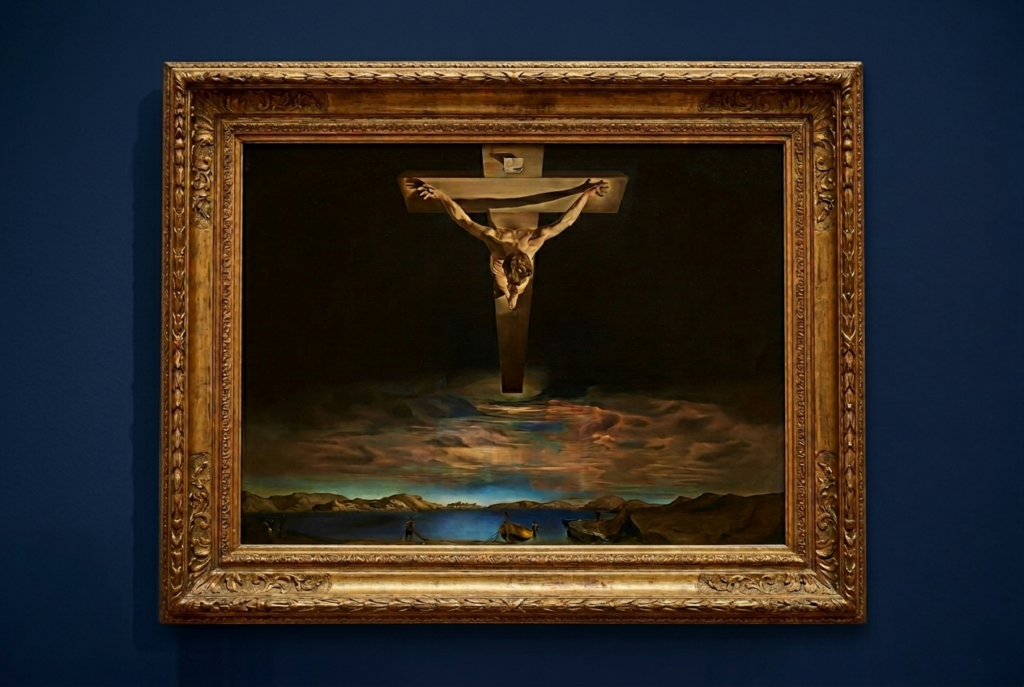
It marks this sacred cycle’s darkest point, yet remains at the spiritual centre of its unfolding seasons. This theological rhythm invites believers and observers alike to reflect on the Christian concept of the mystery of salvation, not as a linear progression, but as a journey through the heart of darkness towards light. Within this rhythm, Good Friday is not a day of celebration, but of profound stillness — a sobering contemplation in which silence itself speaks of a deeper reality.
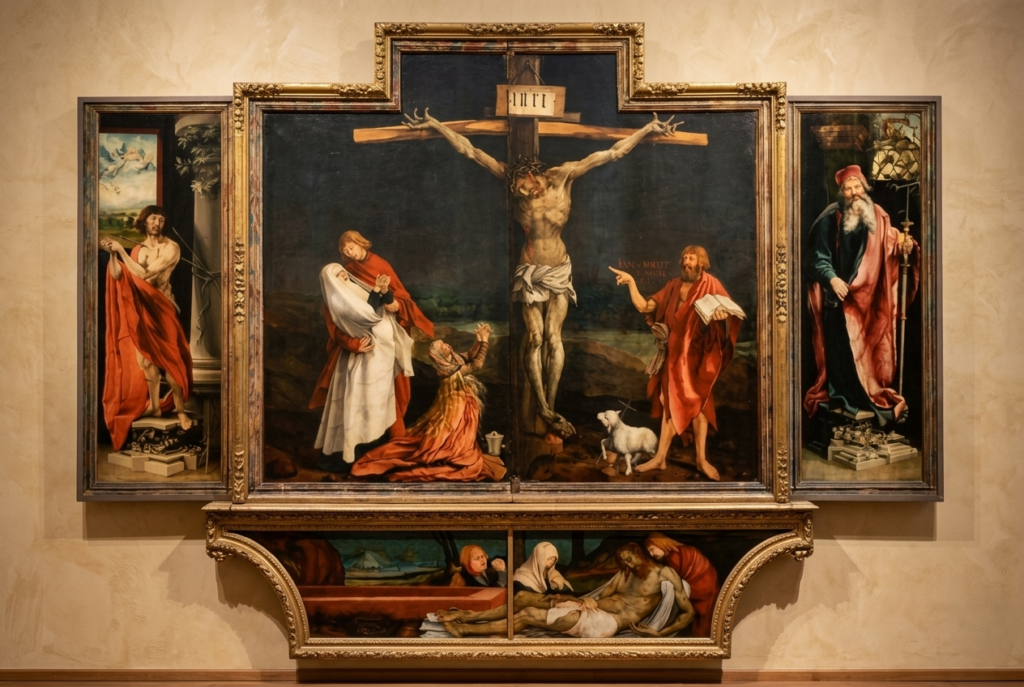
At the core of the day lies the central paradox of self-sacrificing love: a death that is not merely endured as an end, but is reinterpreted as a beginning. Within Christian belief, suffering is thus reimagined as the fullest revelation of divine love. In this tension — where loss becomes victory and humiliation leads to exaltation — Christian theology finds its deepest truth: that true power is realised not through dominance, but through sacrificial surrender.
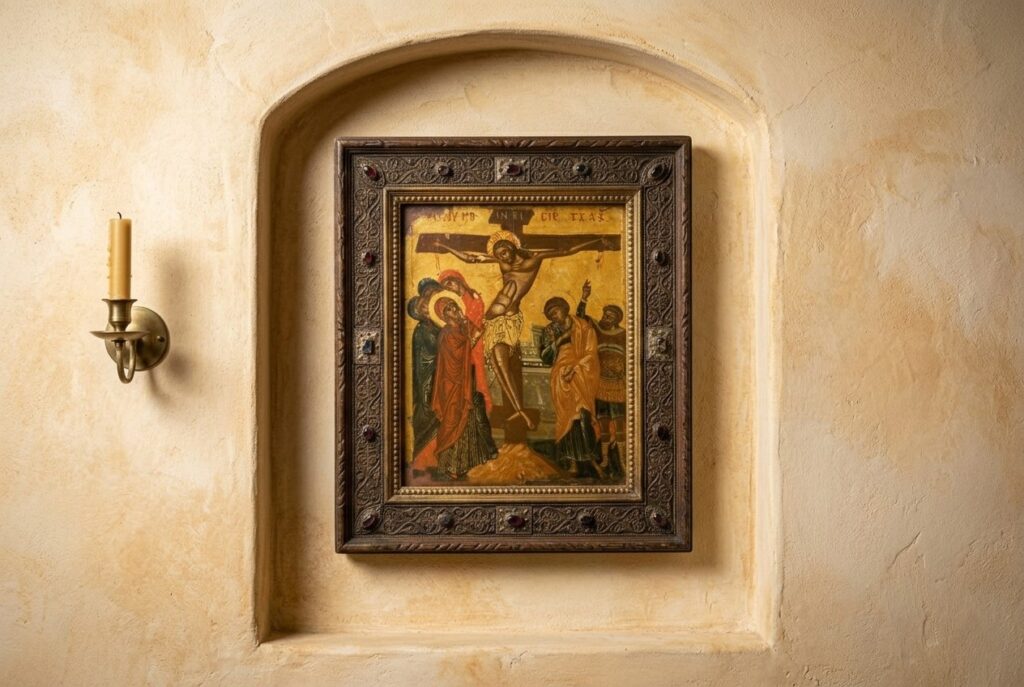
.Over time, this remembrance has developed into a rich blending of liturgical practice and cultural expression. Its origins lie in the early Christian communities, which wrestled with the dual nature of the Paschal mystery — the central Christian belief in Christ’s saving ‘passing over’ through suffering, death, and Resurrection, by which humanity is redeemed. Initially, Christ’s death and Resurrection were observed as a unified event — a single ‘passing over.’ Gradually, however, the Passion came to be commemorated with greater distinctiveness, allowing the faithful to dwell in the solemn interval of the ‘Friday’ before reaching the ‘Sunday.’
Also Read: Greening the Nativity: A Call for Sustainable Celebration
By the fourth century, following the imperial recognition of Christianity, this tension found outward expression in increasingly structured rituals, particularly in the Adoration of the Cross — the act of venerating an instrument of torture as a sign of hope. This development eventually shaped the liturgical framework of Good Friday as we know it today: a liturgy that, paradoxically, does not include the Eucharistic celebration of the Mass, but instead uses elements consecrated earlier to emphasise the day’s profound sense of Christ’s absence and the deep longing for his presence.
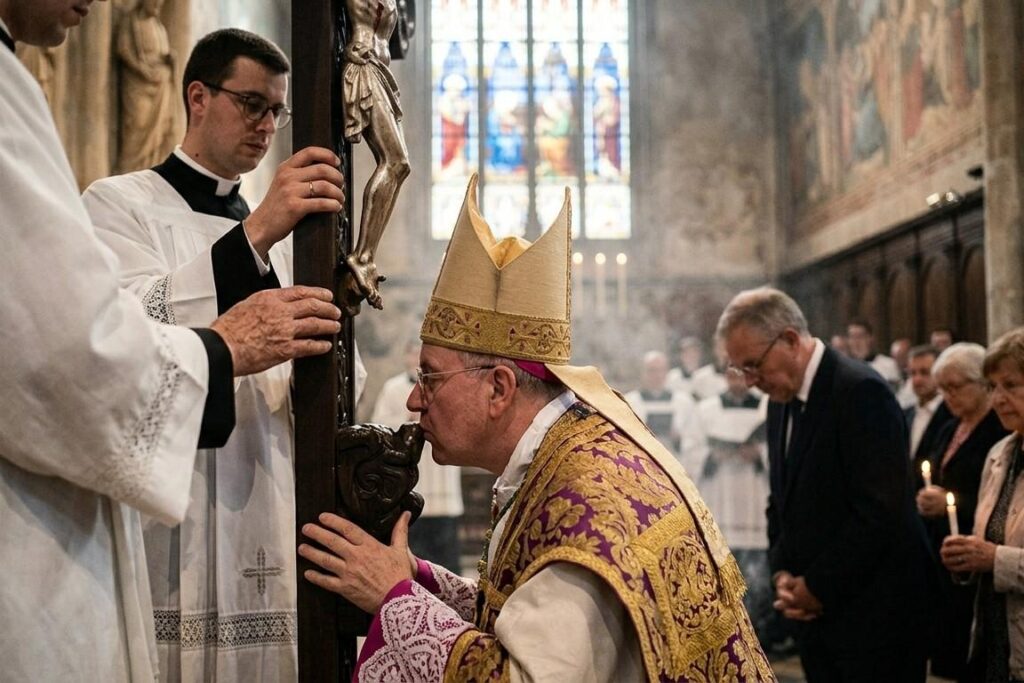
During the medieval period, this transition from abstraction to lived experience intensified. Passion plays and the veneration of the Cross invited a direct, almost tactile encounter with the paradox of a suffering God. These dramatic reenactments rendered the crucifixion vivid and immediate, fostering a shared religious imagination that embedded the Passion deeply within cultural memory as a story of both ultimate tragedy and ultimate hope.
In Goa, an Indo-Portuguese heritage finds expression through Konkani hymns and traditional music, uniting communities in shared mourning. Across cultures, these practices are bound by a single impulse: to walk with Christ—to enter, in body and spirit, the mystery where human suffering encounters divine purpose.
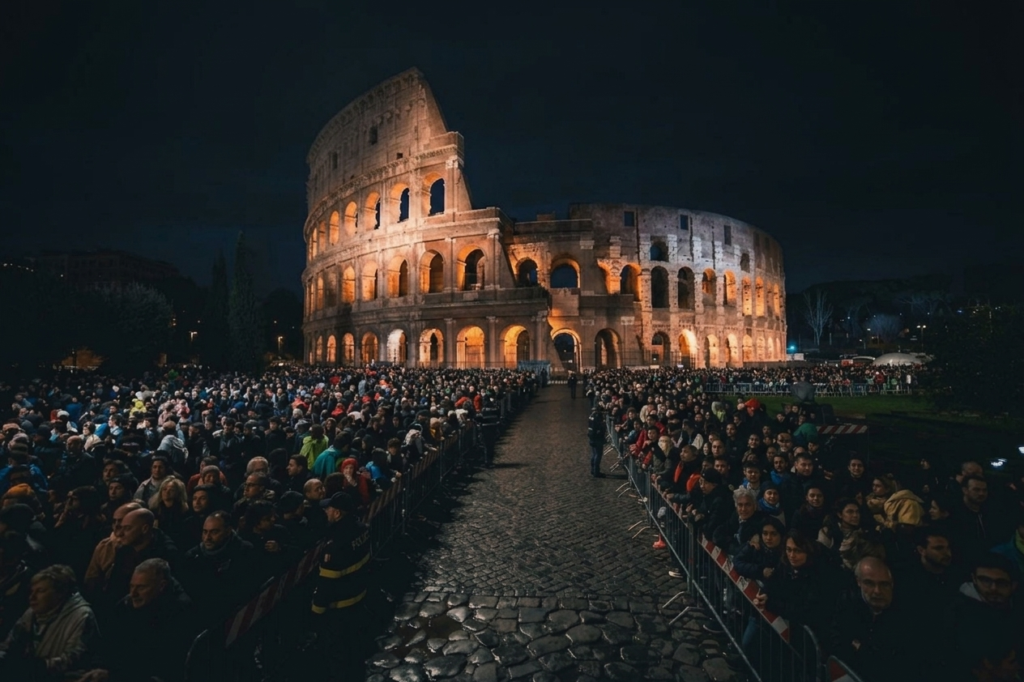
Today, this legacy lives on in Good Friday processions across the world, where ancient sorrow is made present through living tradition. In Italy, the Via Crucis (Way of the Cross) transforms ordinary streets into sacred routes of prayerful remembrance.
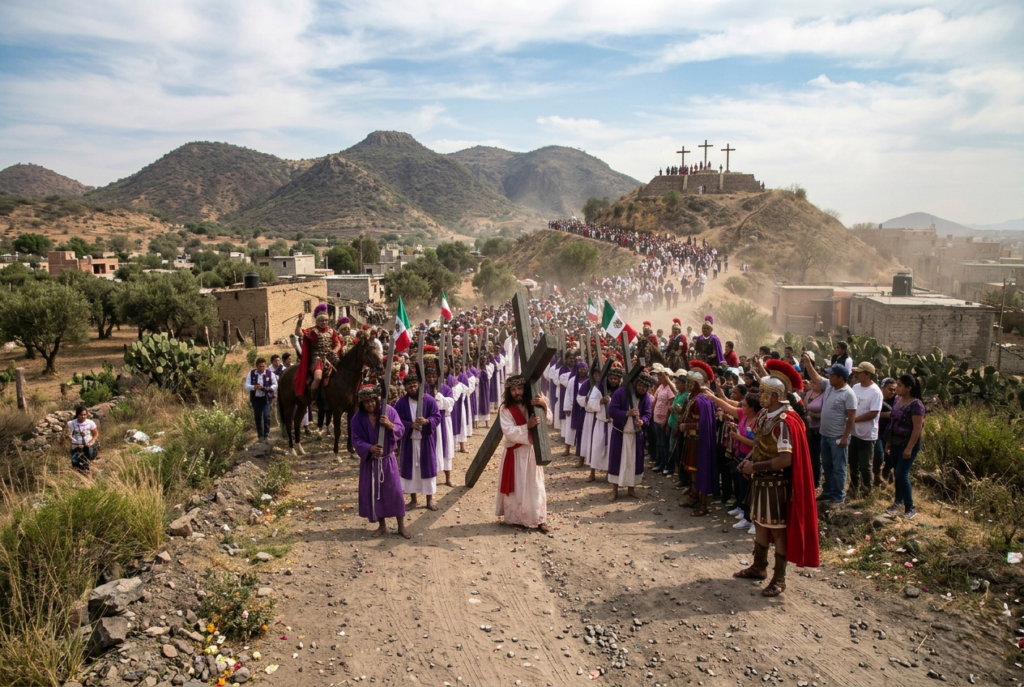
In Iztapalapa, Mexico, the Passion of Jesus Christ is reenacted on a vast scale, blending indigenous endurance with Catholic devotion.
In Goa, an Indo-Portuguese heritage finds expression through Konkani hymns and traditional music, uniting communities in shared mourning. Across cultures, these practices are bound by a single impulse: to walk with Christ—to enter, in body and spirit, the mystery where human suffering encounters divine purpose.
Good Friday, then, is more than a historical remembrance; it is a profound pause that compels an encounter with the starkest form of suffering. Across cultures, its expressions converge on a single, paradoxical insight: the Cross reflects the deepest depths of human pain while simultaneously pointing toward a horizon beyond it.
Alongside public rituals, practices of restraint reinforce the day’s internal paradox. Church bells fall silent, replaced by the stark sound of wooden clappers, evoking a ‘cosmic mourning’ that anticipates future joy. Fasting and abstinence create a physical space for humility, reminding the observer that, in the Christian narrative, one must often be emptied before being filled.
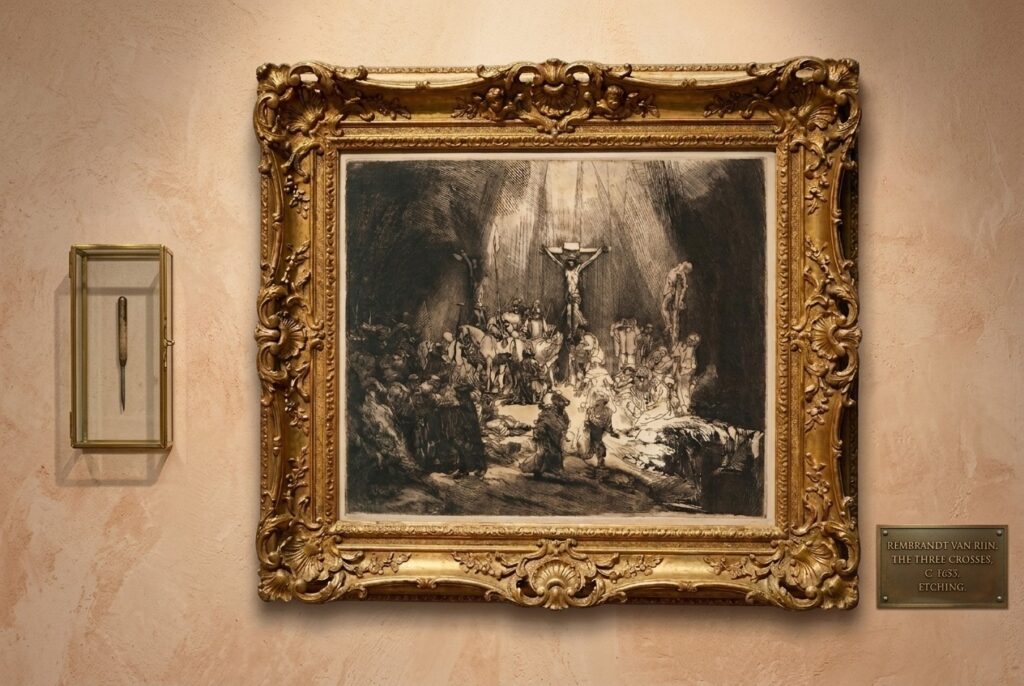
The power of Good Friday extends beyond ritual into the realms of art, literature, and philosophy, where the crucifixion serves as a profound lens for the paradoxes of the human condition. Artists have long employed chiaroscuro — the dramatic, high-contrast interplay of light and shadow — to give visual form to this theological tension.
Also Read: The Papal Conclave 2025: At the Crossroads of Catholicism
In the hands of masters like Caravaggio or Rembrandt, the deep, obsidian shadows represent the crushing weight of human mortality and injustice, while the piercing, directional light reveals the divine presence precisely within that agony. This technique of tenebrism compels the viewer into a moment of confrontation, suggesting that the light of redemption is most visible when darkness is at its most intense.
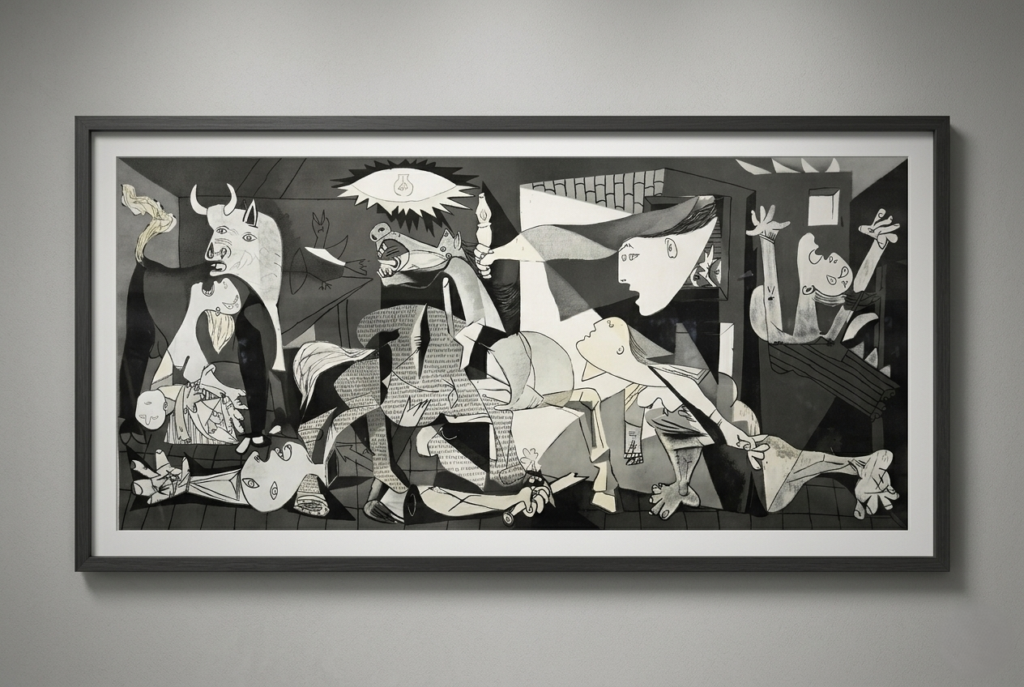
In literature, we see these same echoes in the existential wrestling found within Fyodor Dostoevsky’s The Brothers Karamazov, where grace is not found in a vacuum of purity but is discovered amid the depths of guilt and suffering. Even in Pablo Picasso’s masterpiece Guernica, the ‘man of sorrows’ iconography is repurposed; the jagged, monochromatic contrasts protest the crucifying effects of modern warfare. By mirroring the patterns of the Passion, these works speak to the universal reality of the via dolorosa — the way of grief that, paradoxically, becomes a path toward deeper human understanding.
In this sense, Good Friday confronts the ultimate existential question: is suffering meaningless or transformative? The figure of Christ embodies a profound paradox: a victim of violence who nevertheless embraces his fate with deliberate purpose. The narrative suggests that pain, when imbued with meaning, does not lead to annihilation but becomes a means of transformation.
Also Read: Adolescence: The Anatomy of a Teenage Tragedy
Good Friday, then, is more than a historical remembrance; it is a profound pause that compels an encounter with the starkest form of suffering. Across cultures, its expressions converge on a single, paradoxical insight: the Cross reflects the deepest depths of human pain while simultaneously pointing toward a horizon beyond it.
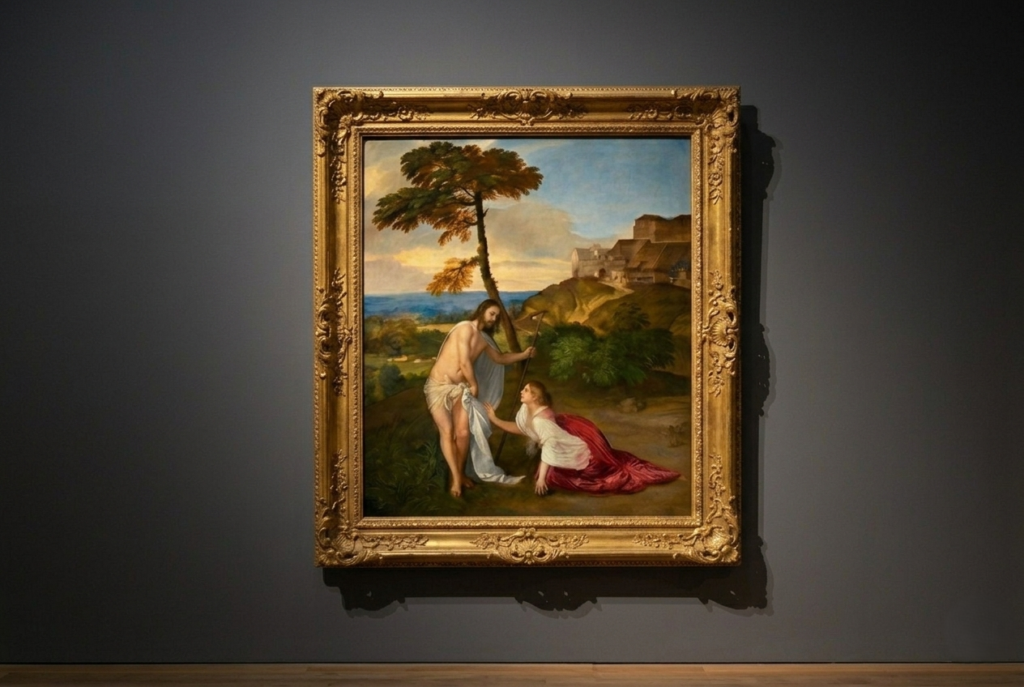
In the stillness of this day, both believer and seeker are drawn into a shared space where suffering is understood as a threshold. It is the ‘Good’ Friday that remains a day of grief, yet also becomes the passage through which hope emerges.
Photo Courtesy: AI

Sacaria Joseph is an Assistant Professor in the Department of English at St. Xavier’s College, Kolkata. Having pursued his undergraduate studies at St. Xavier’s College, he furthered his academic journey by obtaining a Master of Arts degree in English Literature from Pune University, a Master of Philosophy from Jadavpur University, Kolkata, and a PhD from Visva-Bharati University, West Bengal. In addition to his academic pursuits, he writes on a wide array of subjects encompassing literature, philosophy, religion, culture, cinema, politics, and the environment.