Consciousness, the Upanishads, and the Search for Ultimate Reality
The deepest question is not what exists in the universe, but who or what experiences it.
The hall remained silent for a while.
In between, Rishi raised his hand once again. This time his voice has a hint of hesitation.
“Can I ask you a last question, Sir!”
Dr. Nagraj smiled and responded, “You know what, Rishi; the most dangerous questions are always introduced with these words! Please go ahead.”
Also Read: The Tapestry Of Reality: Part 1
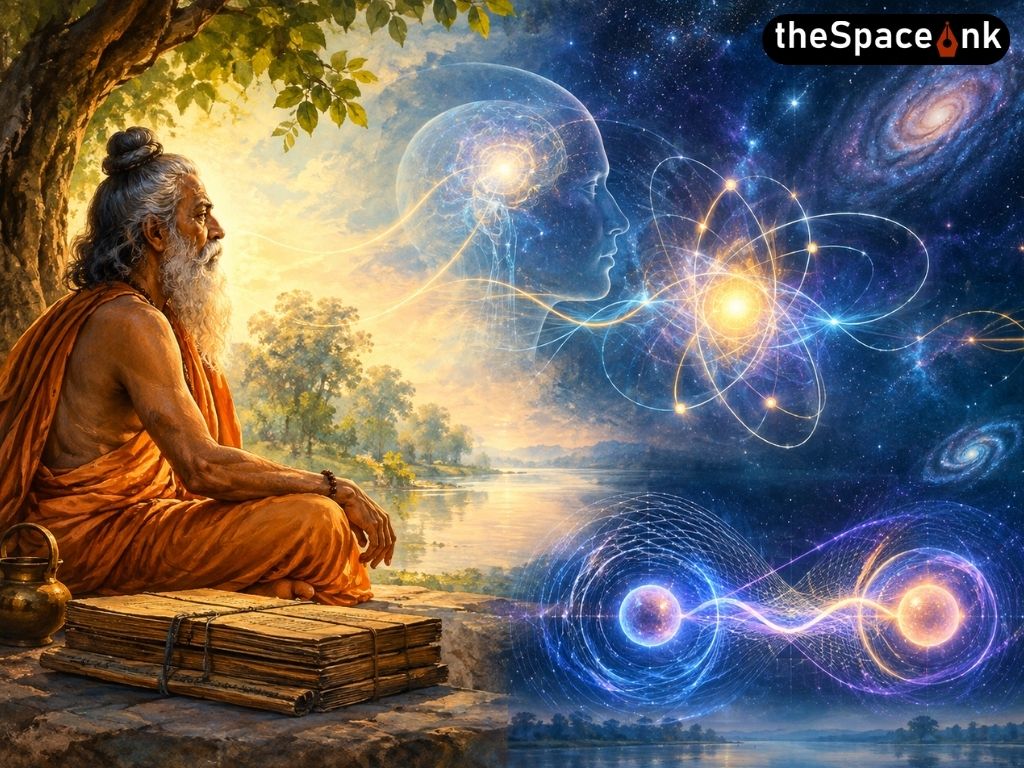
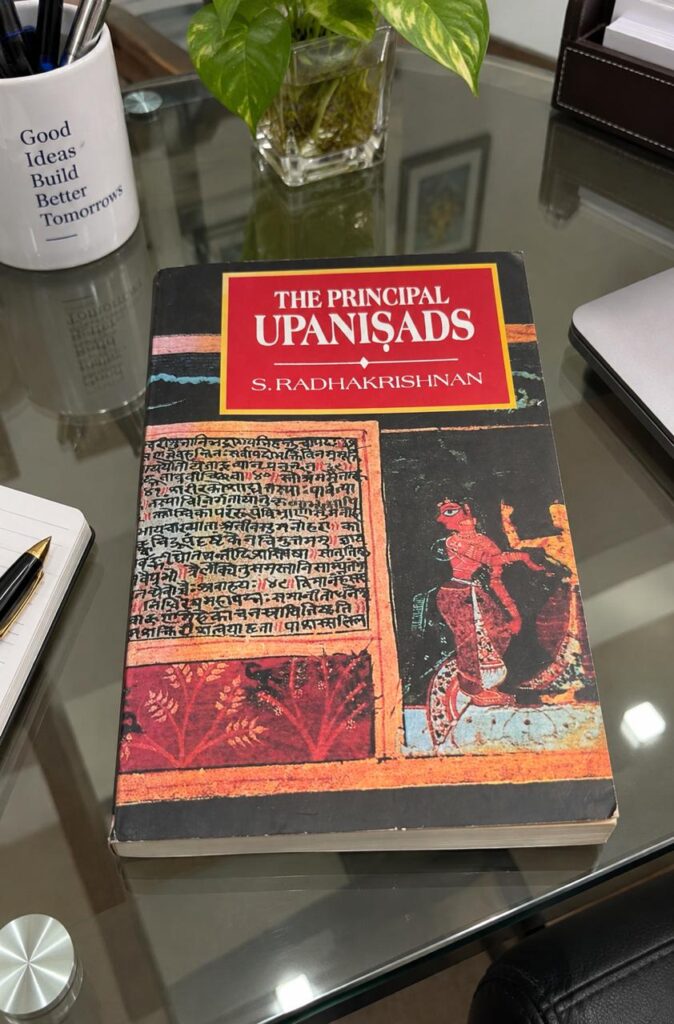
Rishi started, “Everything we have discussed today seems to suggest that what we perceive is only a partial view of reality. Einstein spoke of an objective universe. Tagore spoke of consciousness. Quantum mechanics speaks of probabilities and relationships. Is there any tradition that attempted to understand this problem long before modern contemporary science? Like Upanishads!”
Dr. Nagraj’s eyes got brightened.
“Indeed, there is. Long before telescopes, particle accelerators and quantum wave functions, the sages of the Upanishads were grappling with precisely this question.”
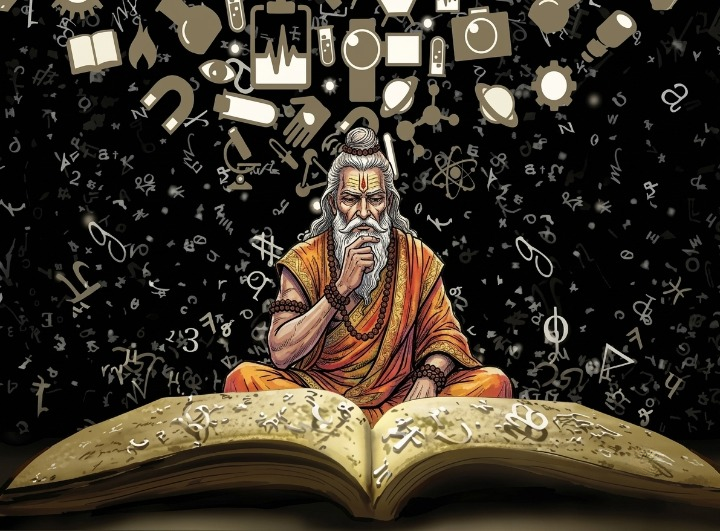
“The central concern of the Upanishads was not how the universe works but what ultimately exists. Behind the changing world of appearances, they sought an underlying reality that remains constant.”
“Like Einstein’s objective reality?”
“In some respects, yes. But the Upanishadic sages approached the problem from the opposite direction. Einstein looked outward at the cosmos. The sages looked inward at consciousness.”
Dr. Nagraj continued.
“The Chandogya Upanishad says: ‘সর্বং খল্বিদং ব্রহ্ম’। All this is Brahman. Beneath the astonishing diversity of the universe lies a single underlying reality. The many are expressions of the One.”
“So, everything is connected?”
“More than connected. The Upanishadic vision suggests that all existence emerges from the same fundamental ground of being. Just as countless waves arise from one ocean, countless forms arise from one reality.”
“The Brihadaranyaka Upanishad goes even further. It says: ‘অহং ব্রহ্মাস্মি’। I am The Brahman. This does not mean the ego is divine. It means that the deepest essence of consciousness and the deepest essence of reality are ultimately the same.”
Rishi looked intrigued, and said, “Then the observer and the observed are not entirely separate?”
“That is exactly the implication. The division between self and universe, subject and object, observer and observed may be less fundamental than we imagine,” Dr. Nagraj gently replied.
The Greeks explored similar ideas in the Odyssey. Odysseus repeatedly encounters enchantments, illusions and seductive appearances. The Lotus-Eaters offer forgetfulness. The Sirens offer irresistible songs that conceal destruction. Again and again, he must learn to distinguish appearance from truth. His voyage is not merely a journey across seas but a journey towards understanding.
“That sounds remarkably close to some modern ideas.”
“It does. Though we must be careful not to turn the Upanishads into quantum physics. The languages are different. The methods are different. Yet both challenge the notion of a completely detached observer.”
Rishi nodded.
“And what about Maya? Is the world an illusion?”
Dr. Nagraj promptly replied, “A common misunderstanding. The sages did not mean that the world is nonexistent. Rather, they meant that our ordinary understanding mistakes appearances for ultimate reality. Maya is not falsehood; it is incompleteness.”
Dr. Nagraj pointed towards a water bottle on the table.
“If you mistake a rope for a snake in dim light, the snake is not real, but the experience is. Similarly, the world revealed by the senses is real enough for practical purposes, yet it may not reveal the deepest truth.”
“So, you mean, perception is not wrong. It is merely limited.”
“Precisely.”
Rishi remained thoughtful.
“Sir, was this idea unique to the Upanishads?”
“Not at all. Human beings have wrestled with the distinction between appearance and reality across cultures and millennia.”
“Can you give some examples please?”
“Consider Plato’s famous allegory of the cave. Prisoners spend their entire lives chained inside a cave, watching shadows projected on a wall. Having never seen anything else, they mistake the shadows for reality itself. One prisoner eventually escapes and discovers the world outside—the sun, the sky and the actual objects casting those shadows. When he returns to tell the others, they refuse to believe him.”
“So, the shadows are like our perceptions?”
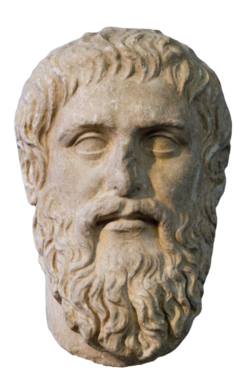
“Exactly. Plato’s point was that what we ordinarily experience may be only a reflection of a deeper reality. In a curious way, this resembles the Upanishadic distinction between appearance and Brahman.”
“And in other civilizations?”
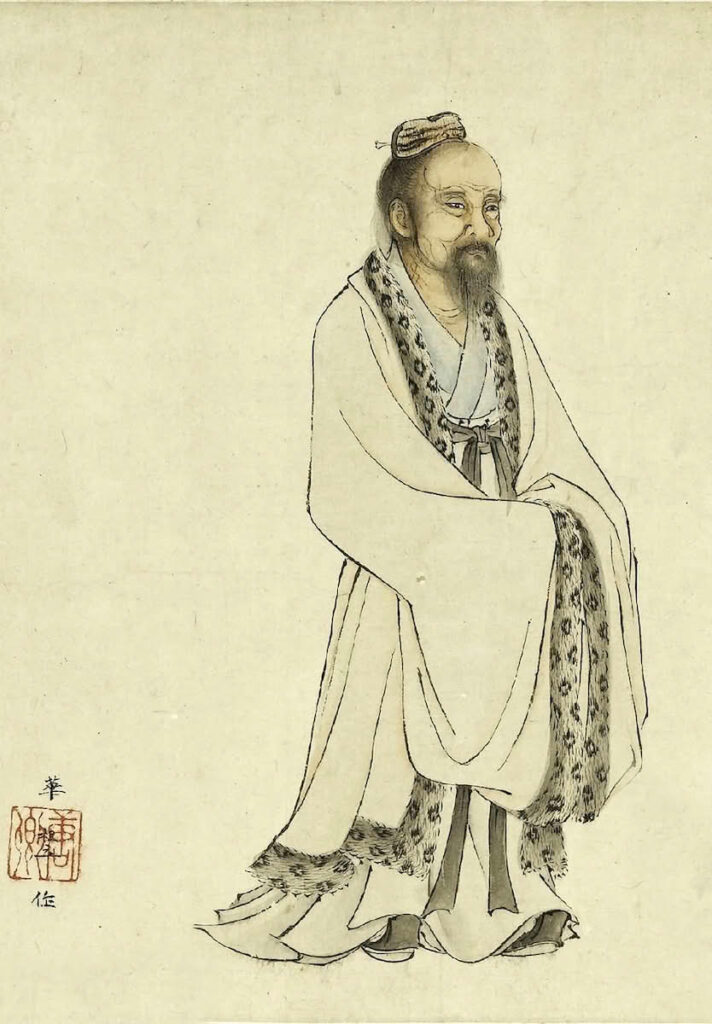
“Take the ancient Chinese philosopher Zhuangzi. One night he dreamt that he was a butterfly. When he awoke, he found himself wondering whether he was Zhuangzi who had dreamt of being a butterfly, or a butterfly now dreaming that it was Zhuangzi. The story may sound whimsical, but it challenges our confidence in distinguishing dreams from reality.”
The audience smiled.
“That sounds surprisingly modern.”
“Indeed. It anticipates questions later explored by philosophers and even by modern discussions about virtual realities and simulated worlds.”
“And what about the great epics?”
“The oldest surviving epic known to humanity, the Epic of Gilgamesh, also touches this theme. After the death of his friend Enkidu, Gilgamesh becomes obsessed with immortality. Throughout his journey he gradually discovers that power, glory, youth and even life itself are transient. The deeper reality he ultimately discovers is not immortality but wisdom.”
“So the search for reality becomes a search for wisdom.”
“Precisely.”
Dr. Nagraj continued.
“The Greeks explored similar ideas in the Odyssey. Odysseus repeatedly encounters enchantments, illusions and seductive appearances. The Lotus-Eaters offer forgetfulness. The Sirens offer irresistible songs that conceal destruction. Again and again, he must learn to distinguish appearance from truth. His voyage is not merely a journey across seas but a journey towards understanding.”
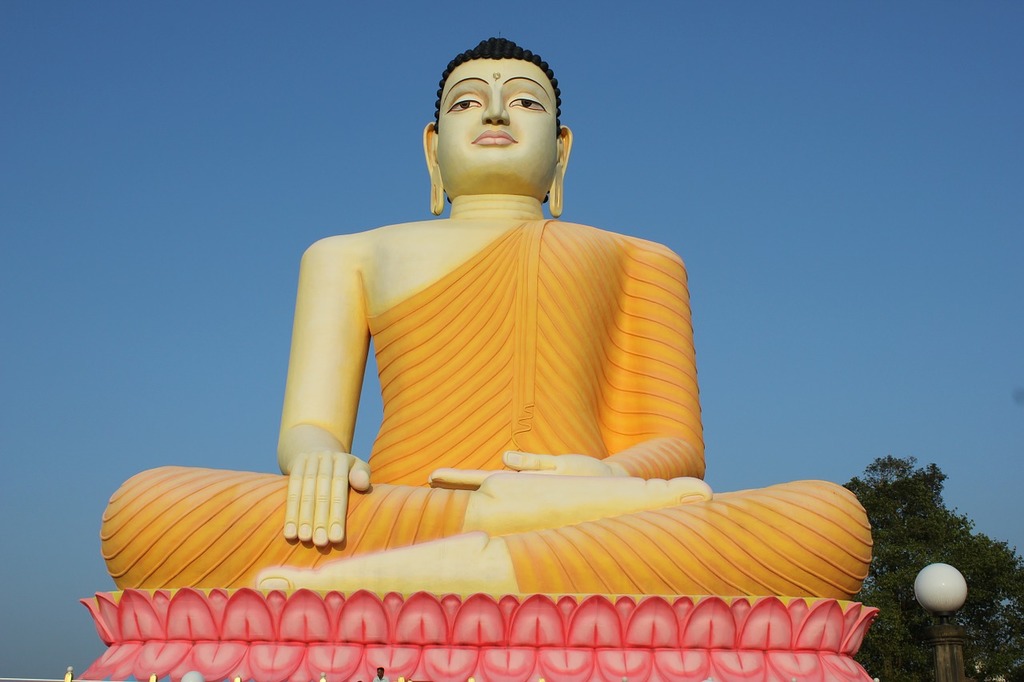
“The Buddha expressed a related insight through a different language. He compared ordinary existence to a dream, a mirage, a bubble on water or a flash of lightning. The point was not that the world is unreal, but that what appears permanent and solid is actually fleeting and dependent upon conditions.”
Rishi smiled.
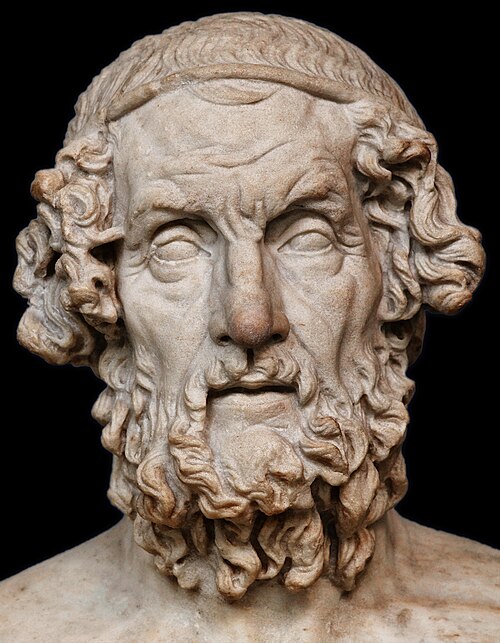
“So, whether we read the Upanishads, Plato, Zhuangzi, Gilgamesh, Homer or the Buddha, everyone seems to be wrestling with the same problem.”
Dr. Nagraj nodded.
“Indeed. Different languages, different symbols, different civilizations—but a remarkably similar intuition. Human beings repeatedly discover that there is a difference between what appears to be real and what is ultimately real.”
Dr. Nagraj continued.
“The Kena Upanishad expresses this beautifully. It speaks of ‘that which cannot be seen by the eye, but by which the eye sees; that which cannot be heard by the ear, but by which the ear hears.’ Ultimate reality is not another object in the universe. It is the very ground that makes all experience possible.”
The audience listened in complete silence.
Rishi spoke softly.
“So, they were asking a question even deeper than ‘What exists?’”
“Yes. They were asking, ‘What is it that makes existence and knowledge possible in the first place?’”
The evening shadows lengthened across the hall.
“Another great Upanishadic statement is ‘তৎ ত্বম্ অসি’—Thou Art That. A teacher tells his student that the deepest truth of the universe is not separate from the deepest truth of oneself.”
“Then the search for reality is also a search for self-knowledge.”
“Exactly.”
Dr. Nagraj gathered his notes.
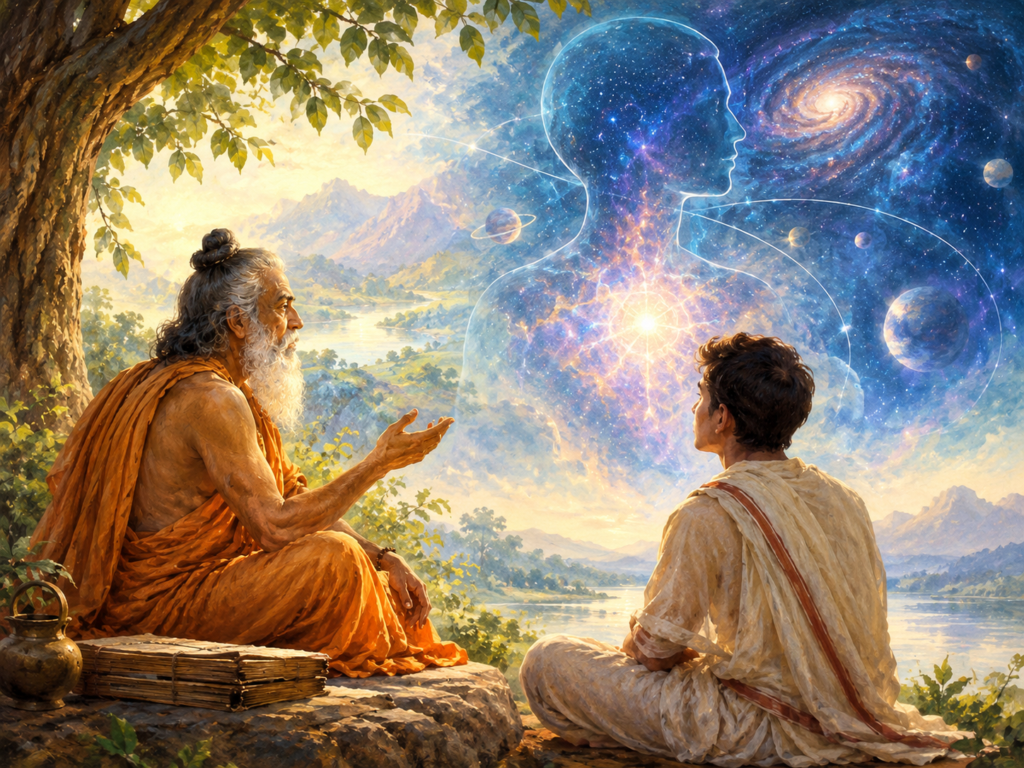
“Perhaps reality is like a great mountain. Science climbs one face through observation, experiment and mathematics, while philosophy climbs another through logic and reflection and the Upanishads climb a third through introspection and meditation. The paths differ; the languages differ; the travellers often disagree. Yet all are attempting to understand the same mystery.”
Rishi smiled.
“And no one has reached the summit.”
Dr. Nagraj smiled back.
“Perhaps the summit is not a destination. Perhaps it is an invitation.”
Dr. Nagraj looked around the hall one final time.
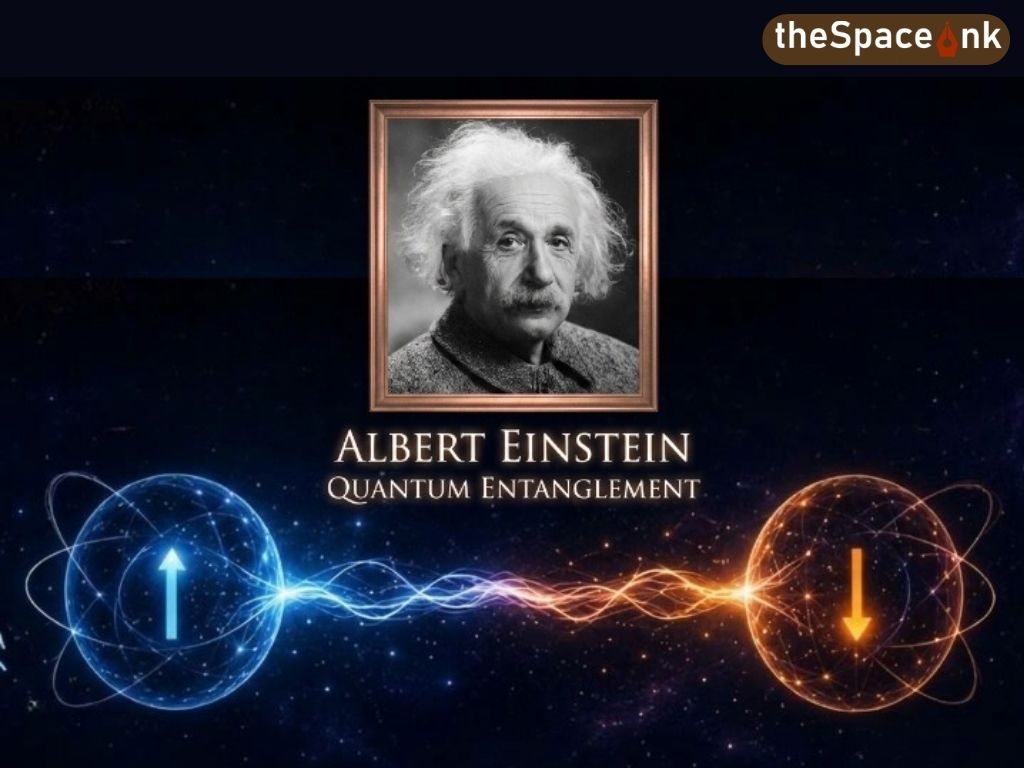
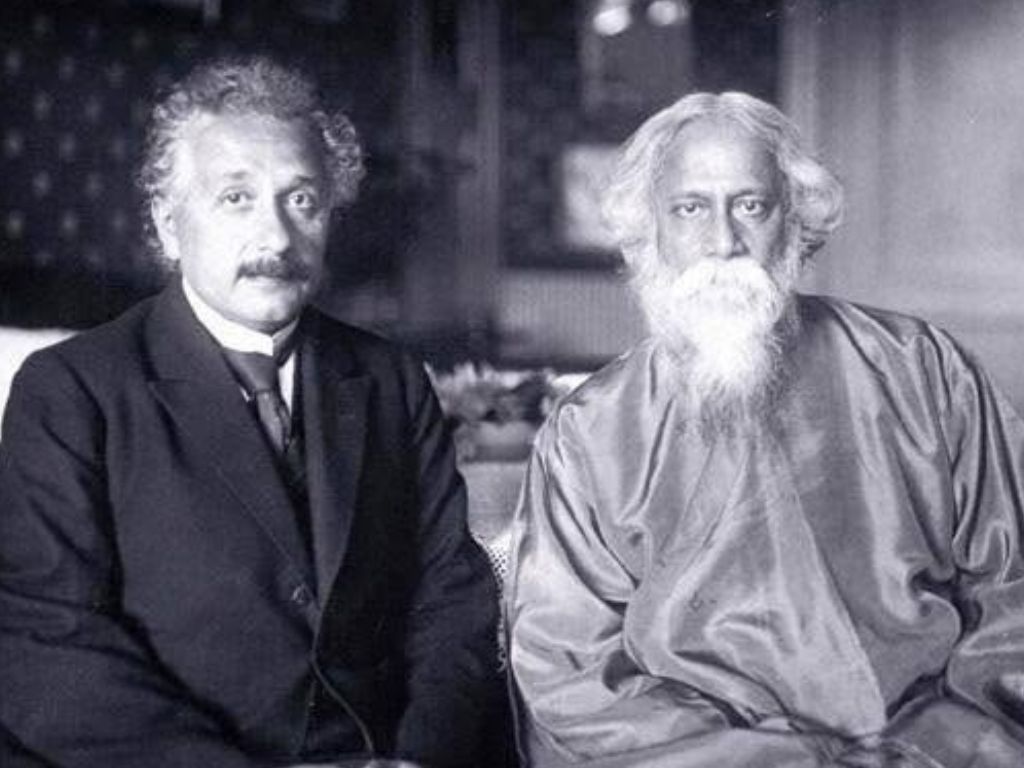
“Einstein was right to insist that there is something beyond our minds. Tagore was right to remind us that whatever we know of that reality comes through consciousness. Quantum physics reminds us that the observer cannot always be separated from the observed. And the Upanishads remind us that the deepest reality may not be found merely by looking outward, but also by looking inward.”
“The universe may be an immense tapestry. Every conscious being is allowed to glimpse only a few threads. Science helps us compare those glimpses. Philosophy helps us interpret them. Spiritual inquiry helps us experience them. But the tapestry itself remains larger than any observer, any theory and perhaps even any knowledge.”
Rishi remained thoughtful.
“Sir, there is something that still puzzles me.”
“Carry on.”
“You said that consciousness may be central to reality. But consciousness appears to be individual, doesn’t it? A child’s consciousness is different from an adult’s. A scientist understands things that a child cannot. My consciousness today is certainly richer than it was ten years ago. Doesn’t consciousness itself grow with experience and knowledge?”
A look of appreciation crossed Dr. Nagraj’s face.
“That is a remarkably important question, Rishi. In fact, much of the disagreement between modern neuroscience and the Upanishadic tradition revolves around precisely this issue.”
The audience leaned forward.
“Modern neuroscience would largely agree with you. It sees consciousness as emerging from the activity of the brain. As the brain develops, acquires language, stores memories and accumulates knowledge, consciousness becomes more sophisticated. A newborn infant possesses only a rudimentary awareness of the world. An adult scientist possesses a far richer cognitive universe. In that sense, consciousness appears to grow.”
Also Read: The Tapestry Of Reality: Part 2
“That seems obvious.”
“It does. Yet the Upanishadic sages would ask a subtle question. Does consciousness itself grow, or do the contents of consciousness grow?”
Rishi frowned.
“What is the difference?”
“Imagine a cinema screen. The images projected on it change constantly. One moment you see a mountain, the next a battlefield, the next a star-filled sky. The stories change, the colours change, the characters change. Yet the screen itself remains unchanged.”
The hall was silent.
“The sages argued that knowledge, memory, beliefs, emotions and experiences are like the images on the screen. They arise, change and disappear. What remains constant is the awareness in which these experiences occur.”
Rishi considered this carefully.
“So, my knowledge has grown, but the awareness that knows that knowledge may not have changed? Is that right, Sir!”
Science can study memory, perception, learning and decision-making. But the fact that there is subjective experience at all—the fact that there is an inner world in which experiences appear—remains one of the deepest mysteries in contemporary science.
“Exactly. Consider your own life. Your body is not the same as it was when you were five years old. Almost every cell has been replaced. Your ideas, memories and personality have evolved. Yet there remains a persistent sense of being the same person. The Upanishads refer to this as the witnessing consciousness—the silent observer present throughout all changes.”
“And that is what they identify with Brahman?”
“Ultimately, yes. The Upanishadic claim is that the deepest layer of awareness is not individual at all. Individual minds differ, just as waves differ. But the underlying consciousness is like the ocean from which all waves arise.”
The audience listened attentively.
“So, there are two levels?”
“One might say so. There is the individual mind, which learns, forgets, remembers and changes. Then there is pure awareness, which simply witnesses these changes.”
Dr. Nagraj picked up a marker and drew two columns on the board.
Individual Mind
· Grows with experience
· Acquires knowledge
· Changes over time
· Personal and unique
Pure Consciousness
· Does not accumulate knowledge
· Does not change
· Simply illuminates experience
· Universal rather than personal
“Neuroscience is primarily concerned with the first column. The Upanishads are concerned with the second.”
Rishi smiled.
“So Einstein and the neuroscientists would probably focus on the changing mind, while the sages would focus on the witnessing awareness.”
“A reasonable simplification.”
The audience laughed.
“Has science settled this issue?”
“Not even remotely. Science can study memory, perception, learning and decision-making. But the fact that there is subjective experience at all—the fact that there is an inner world in which experiences appear—remains one of the deepest mysteries in contemporary science.”
“The hard problem of consciousness?”
“Precisely.”
Dr. Nagraj nodded.
“Some philosophers believe consciousness emerges entirely from physical processes. Others suspect that consciousness may be a fundamental feature of reality, just as space, time and matter are fundamental. The debate remains very much alive.”
Rishi looked thoughtful.
“So perhaps knowledge grows, but the deeper awareness does not.”
Also Read: Wilhelm Conrad Röntgen: That ‘Unknown’ Ray
“That is the Upanishadic answer.”
“And the scientific answer?”
“The scientific answer is that we do not yet know.”
Dr. Nagraj smiled.
“But perhaps that uncertainty is a good thing. If the greatest mysteries were already solved, there would be little left for either science or philosophy to do.”
The seminar ended a few minutes later. Yet long after the applause had faded and the hall had emptied, many students carried home a new sense of wonder. They had arrived expecting a lecture on science and left contemplating consciousness, reality, existence, and the possibility that the deepest truths of the cosmos and the deepest truths of the self are not rivals but reflections of the same profound mystery.
Image Courtesy: Author’s Collection, AI, Wikimedia Commons, Picryl, Wikipedia, Store norske leksikon

He studied in the Department of Radio Physics at the University of Calcutta. He chose information technology as his profession. After spending nearly eleven years working with various multinational organisations, he founded his own IT company in 1997. He continues to be actively involved in managing and running the organisation.
Amidst the demands of his professional life, he enjoys listening to music and reading on a wide range of subjects. Whenever he gets the opportunity, he loves to travel, capturing and preserving his experiences through photography.