How many boys, it makes me wonder, exist as ghosts of themselves because we won’t just let them be.
The Kumbh Mela is more than just a religious event; it is a powerful spiritual journey that unites millions in devotion and faith.
This eternal dance of light has continued, unaffected by the changing world and its rulers.
For the planners and builders of the sensory park in Kolkata, inclusivity is more than just lip service.
The poignant poems of Rafeeq Ahmed, deftly translated, touch the veins of village life at Kerala, negotiating constantly between tradition and modernity.
The novel is an extraordinary narrative of pain and triumph, of silence and voice, and of oppression and liberation.
The good will always be good, everywhere, and a helpful gesture is remembered, even in Delhi.
The language permeated their body, circulated through their blood and ingrained in their lives.
Mustang is famously called the “Mini Tibet in Nepal” for its numerous Tibetan shrines and monasteries strewn across the land.
In this second part, we glance at Deepti’s resilience in keeping her dreams alive in a hostile familial environment.
The two films create a space where the girls reclaim their spirit, just enough to live a little.
Huzaifa’s heart-rending poem speaks of the angst, the silent, frustrating, regretful wait of entire generations.
Perhaps only a God-man could explicate who this land belonged to.
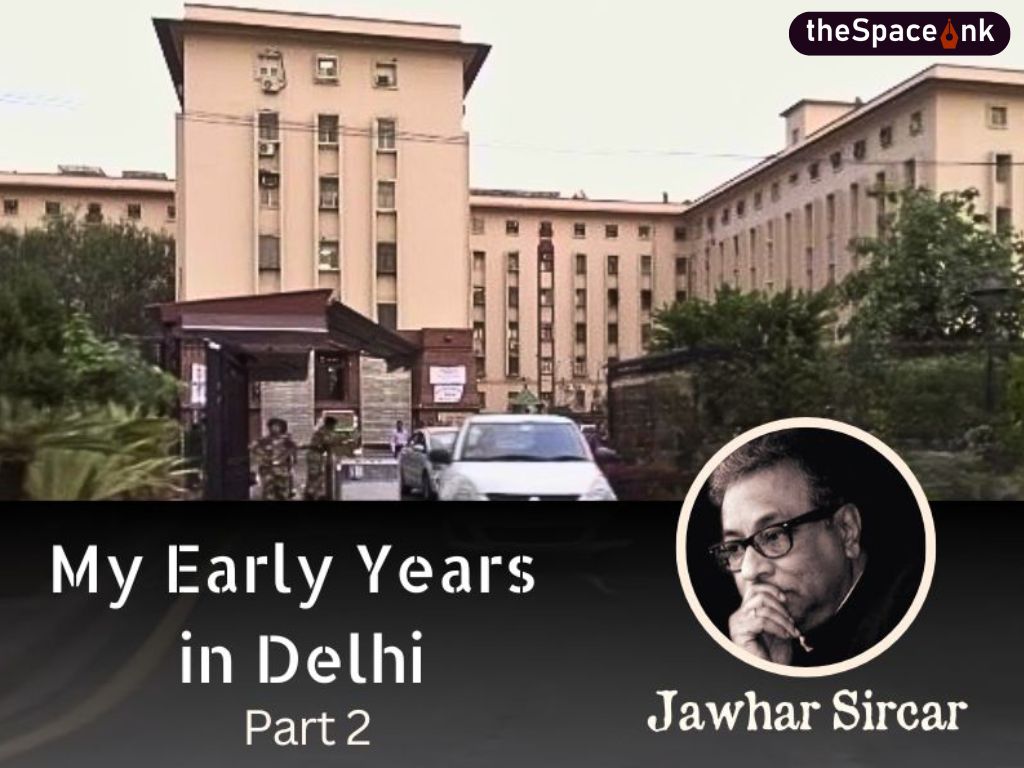
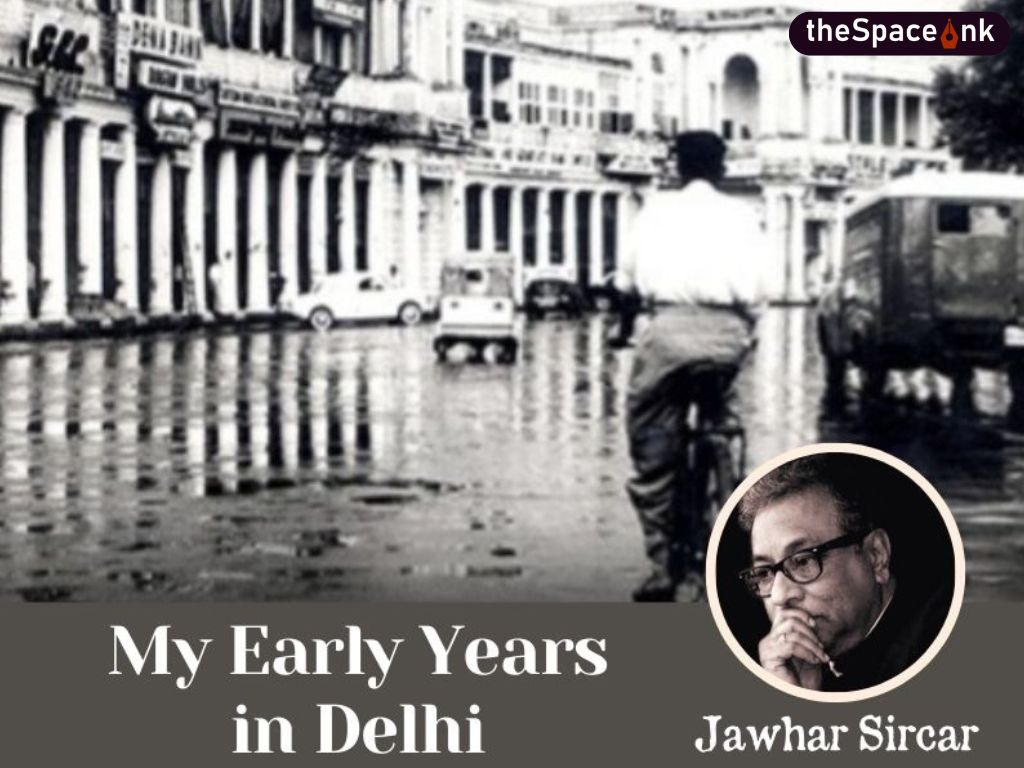
To a Calcuttan, the Delhi of 1967 appeared to have too much space and seemed bleak, lonely and not warm enough to endear.
The Bahariya Oasis is embracing modernity while still having its roots in the traditional lifestyle.
Renuka is the most brazen, uncouth, hot-headed woman portrayed of late on-screen.