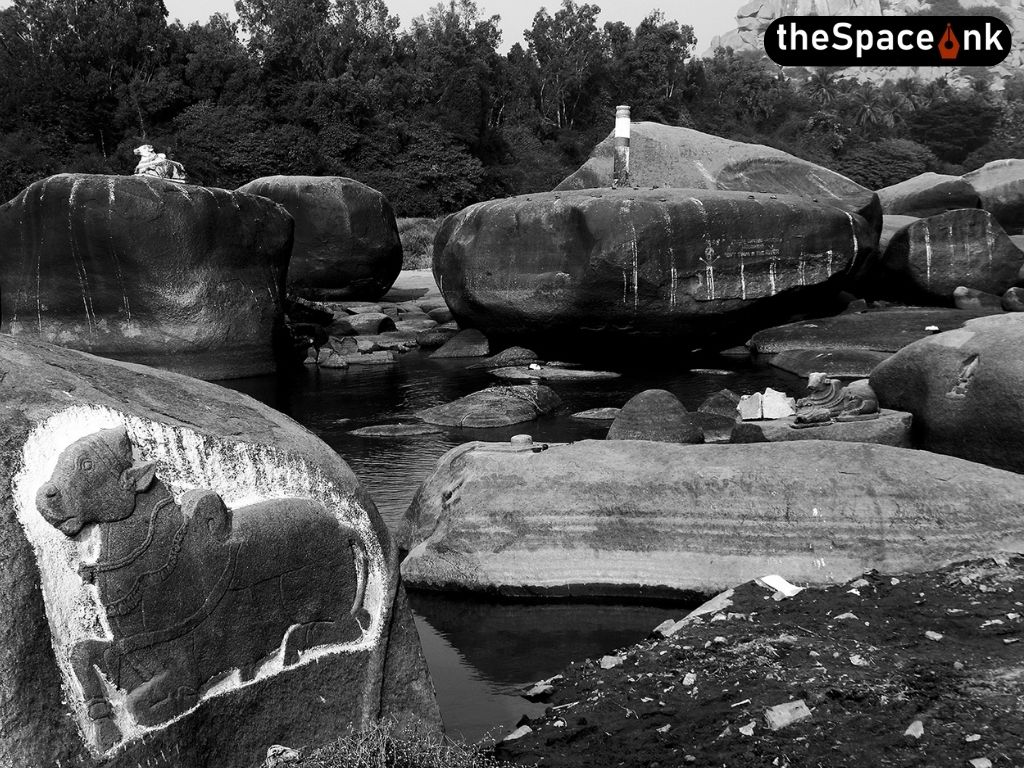
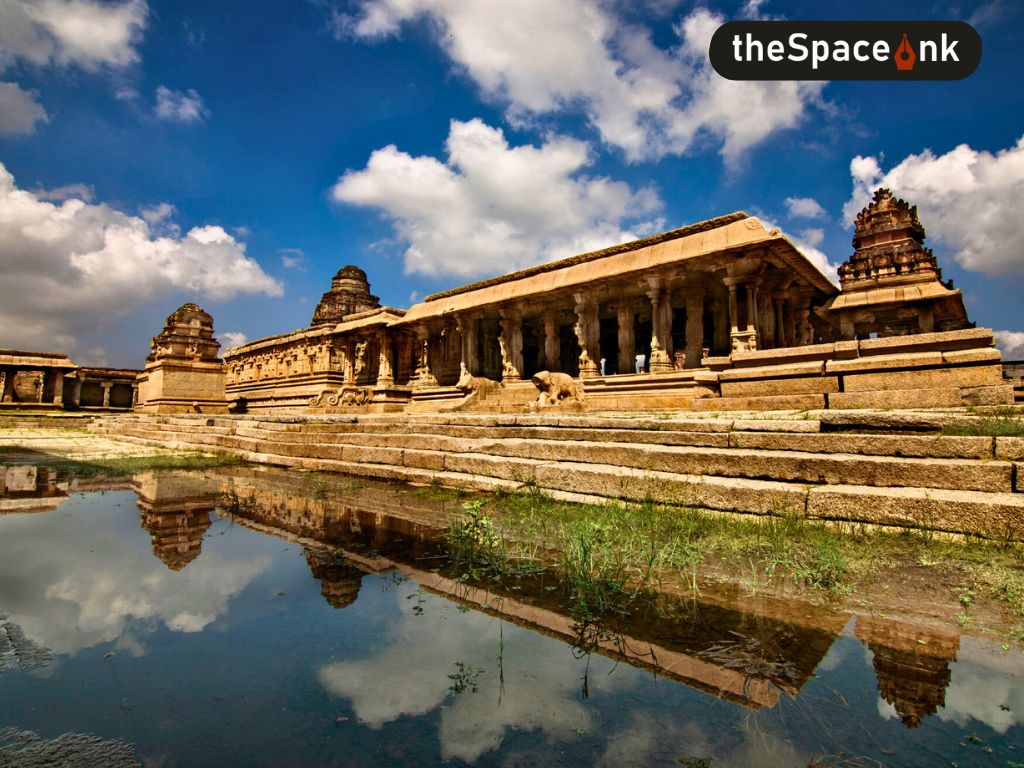
Humpi is more than a destination- it is an open-air museum where light and shadow transform ancient monuments into living works of art.
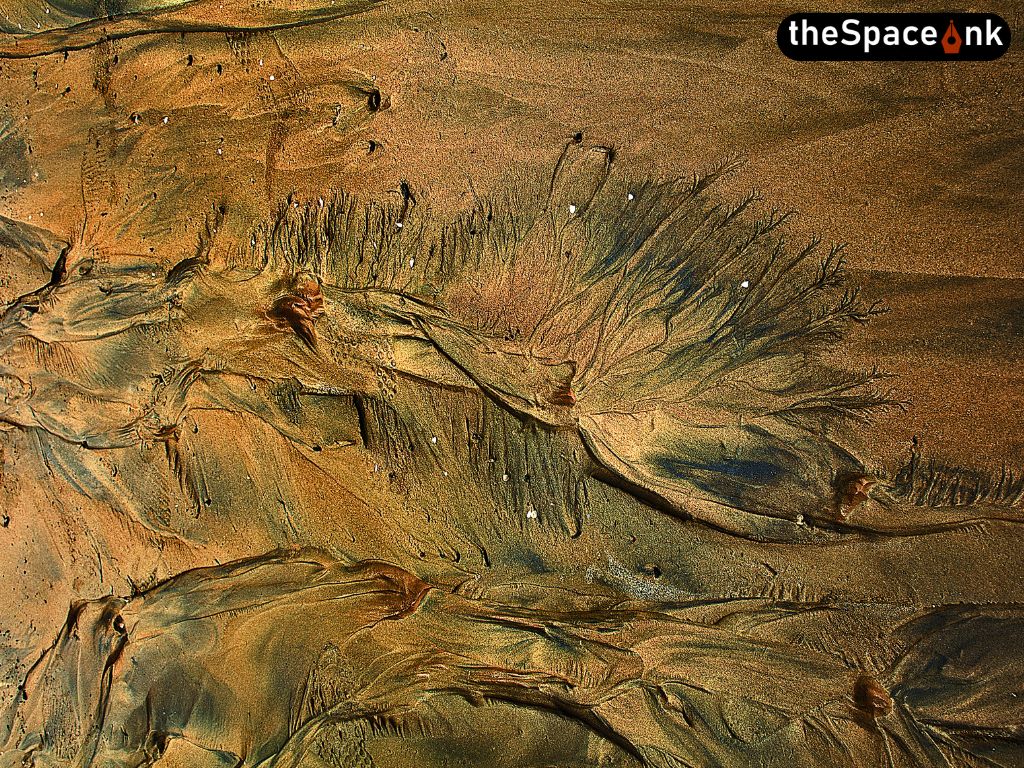
Tides paint fleeting stories on sand - gentle, fierce, human and natural - captured in golden light along Mandarmoni and Talsari shores.
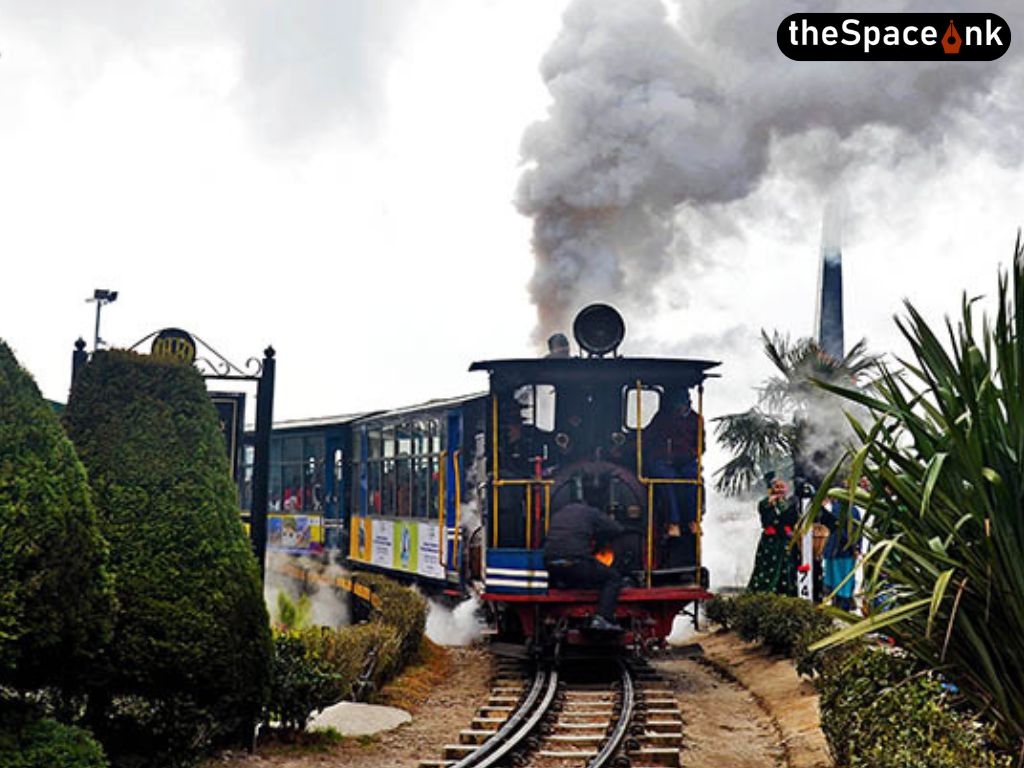
The mall road is the place of beauty at Darjeeling where you can see multiple cultures and people together.
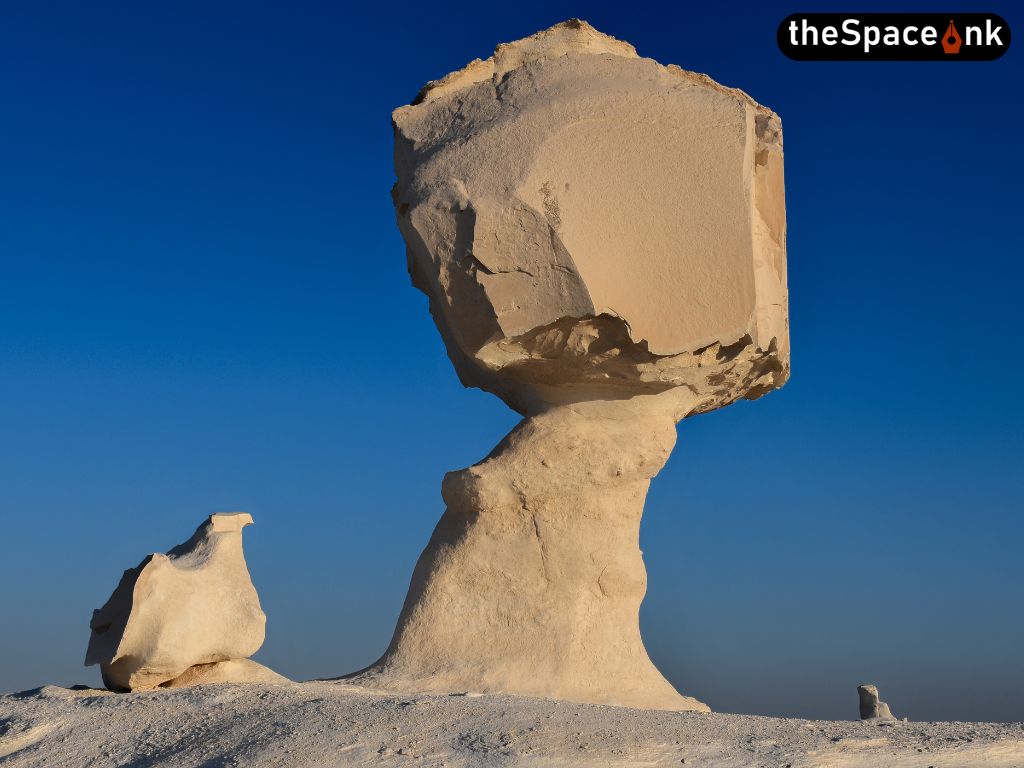
Its vast stretches of chalk-white rock formations, sculpted over centuries by wind and sand, resemble giant mushrooms, animals, and abstract shapes.
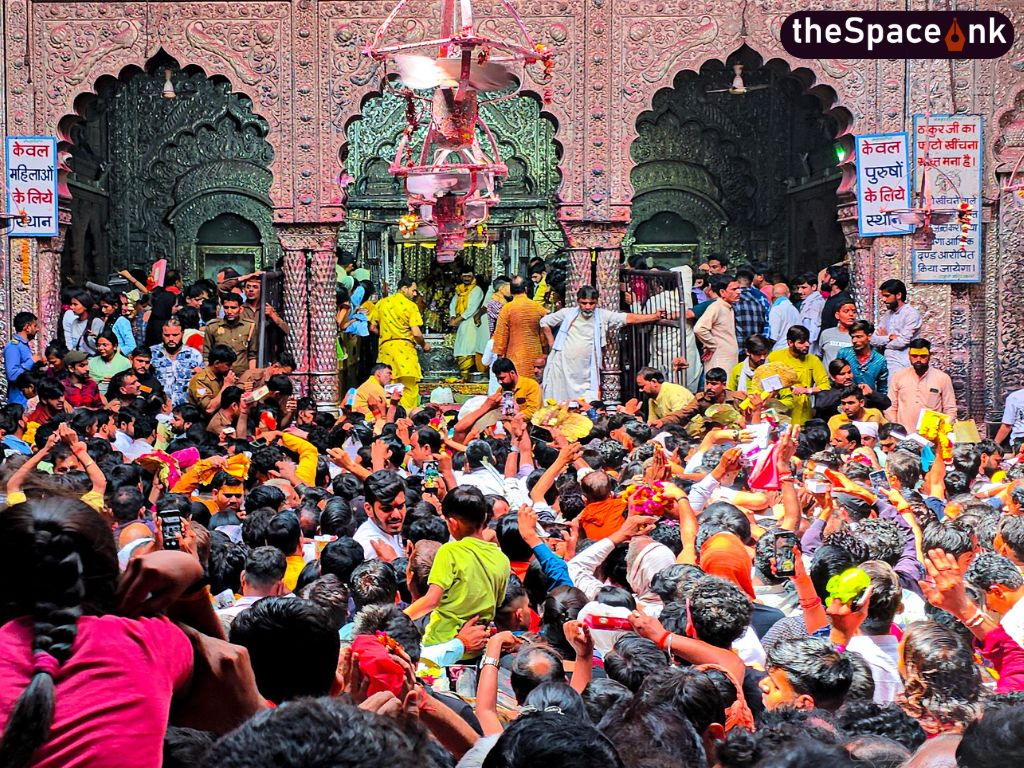
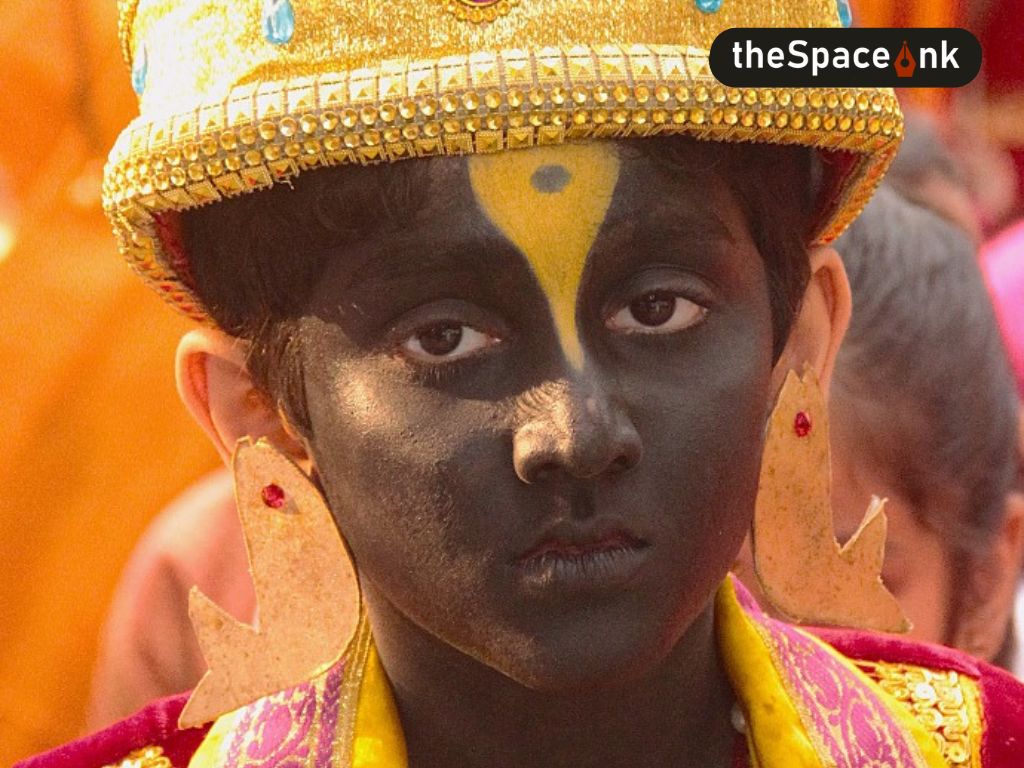
This is a celebration of belonging. In the heart of Braj, we are all just children playing in the colors of love.
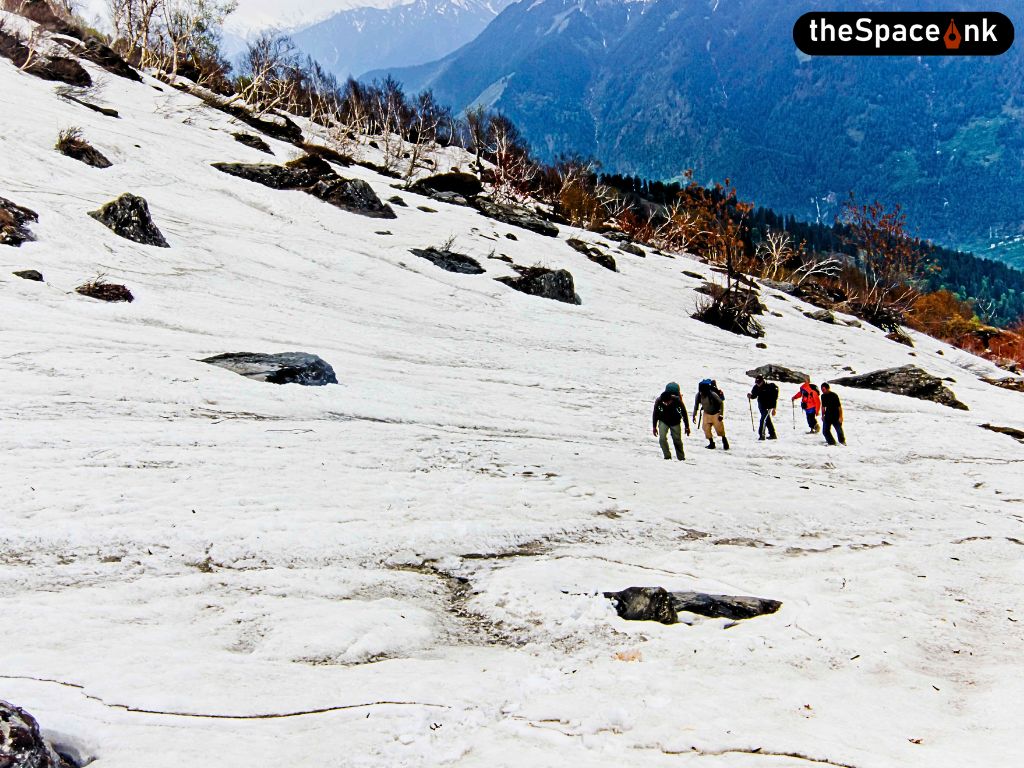
We are people of the equatorial region. We live in hot and sweaty conditions. So, whenever I hear snow, I feel happy.
Pilgrims arrive with dust on their feet and prayers in their throats—old men leaning on sticks, women clutching flowers, children blinking at the dawn.
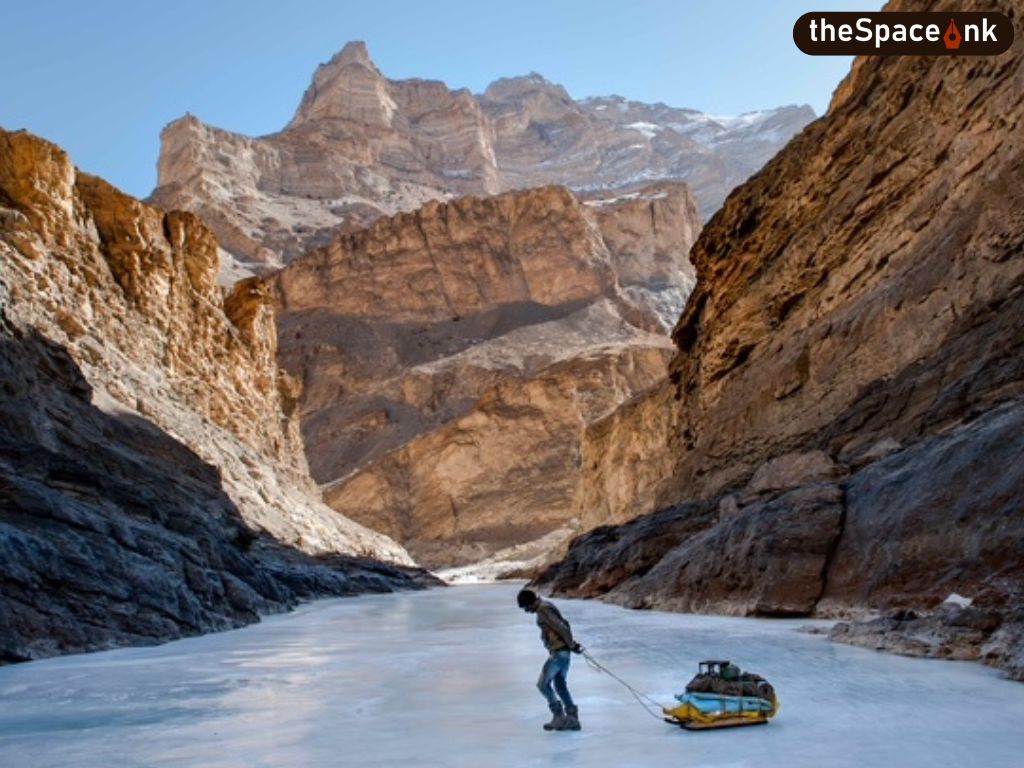
The cold is sharp, often below –20°C, testing strength and spirit. Yet every step is a lesson in patience and courage.
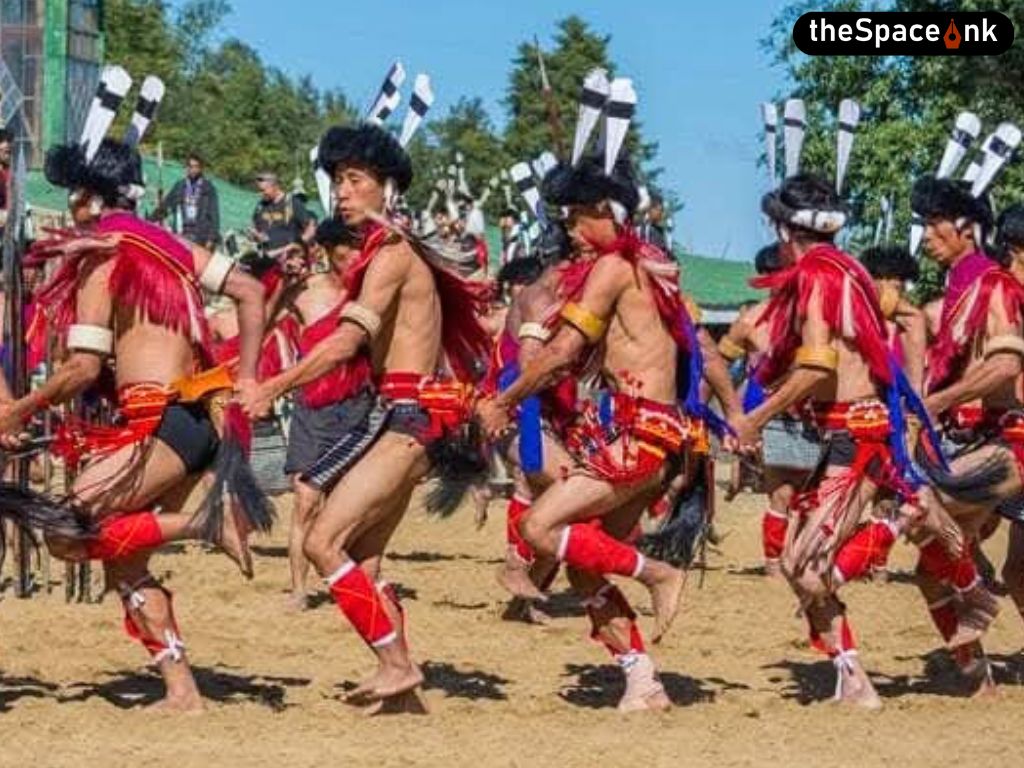
Every December, all 17 tribes of Nagaland come together to showcase their unique rituals, dances, and festivals in one grand celebration.
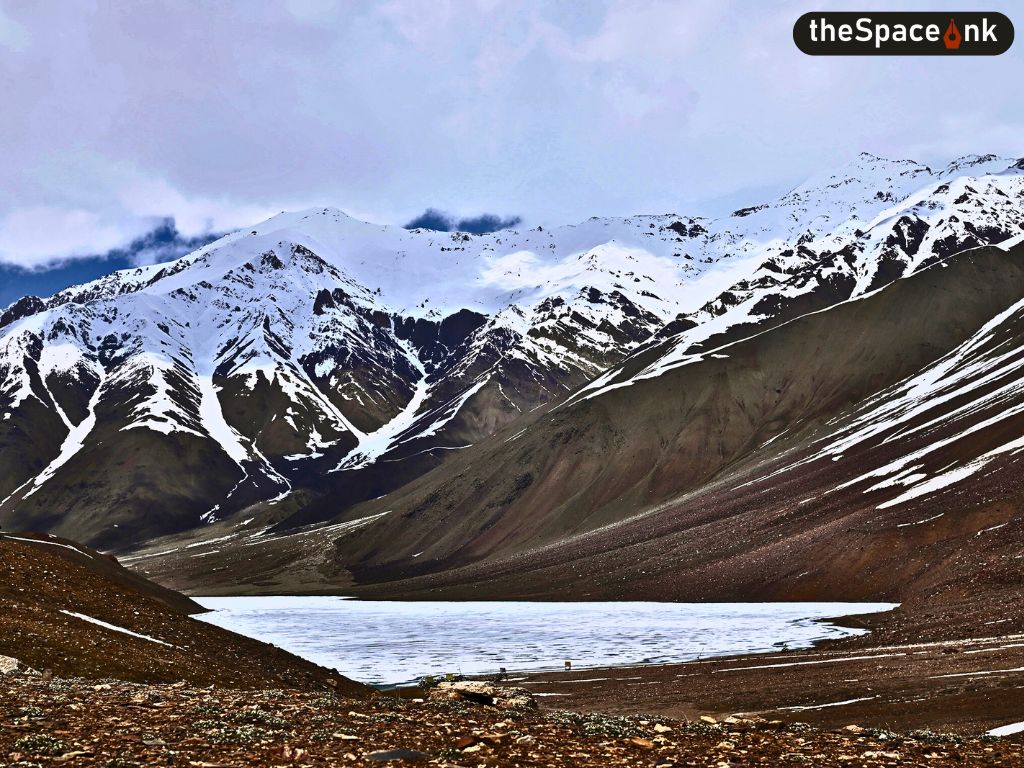
The Spiti Valley is the land between Tibet and India, located in Himachal Pradesh.
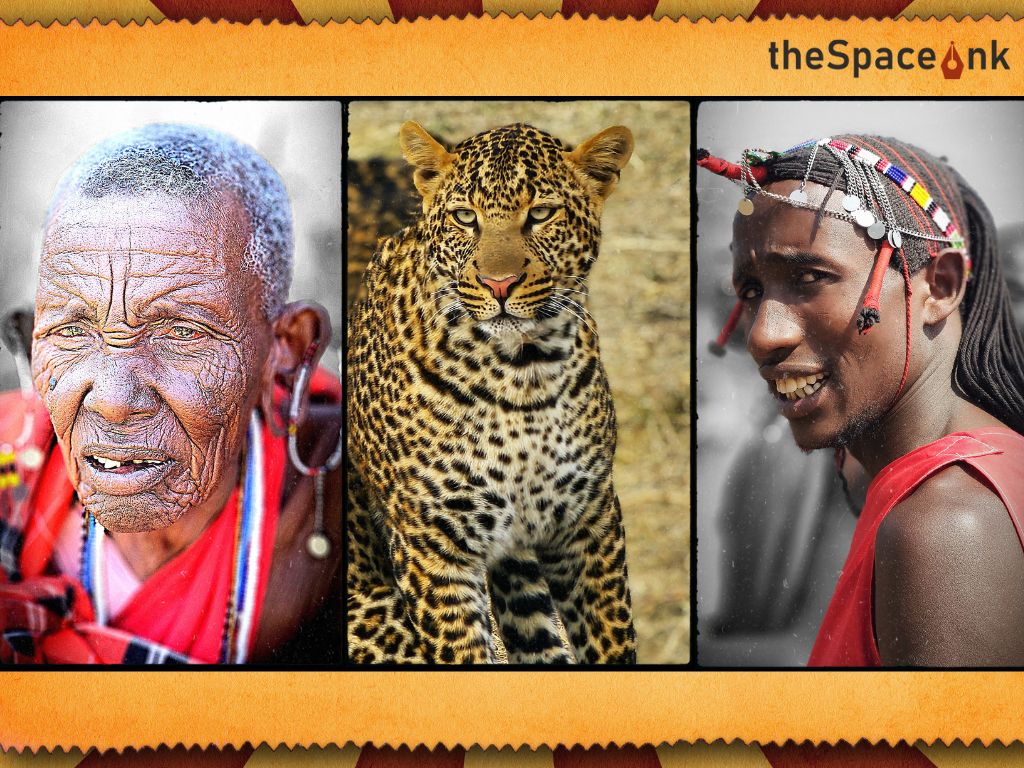
A Kenyan safari is more than a trip — it’s a deep connection with the untamed soul of Africa.
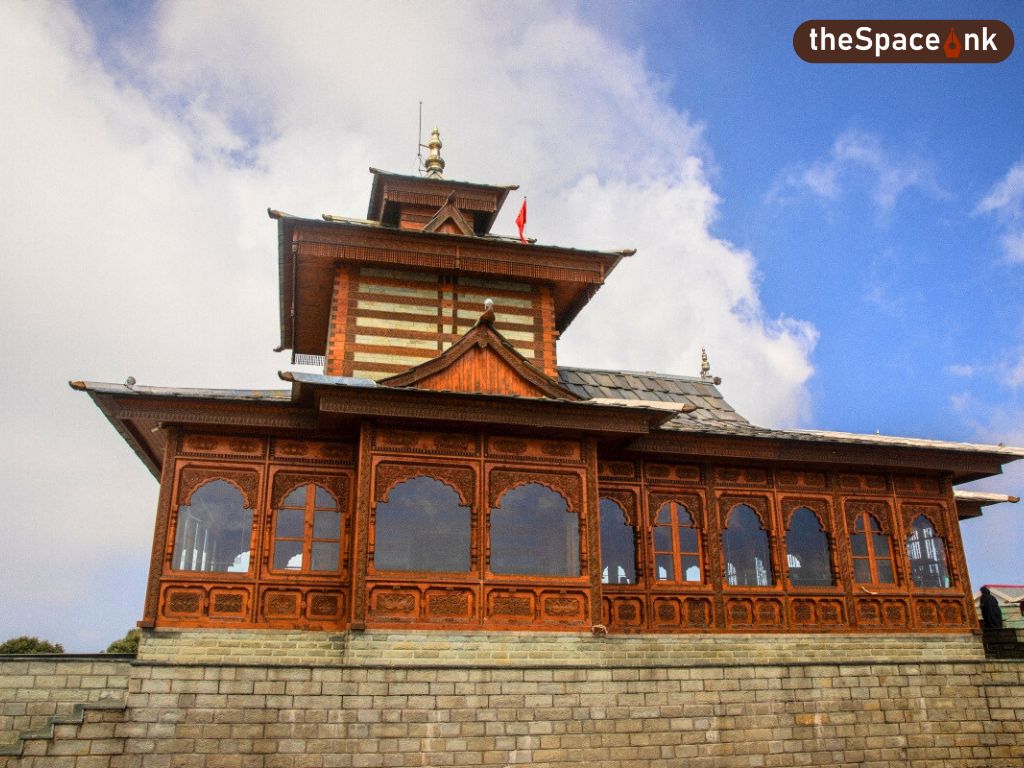
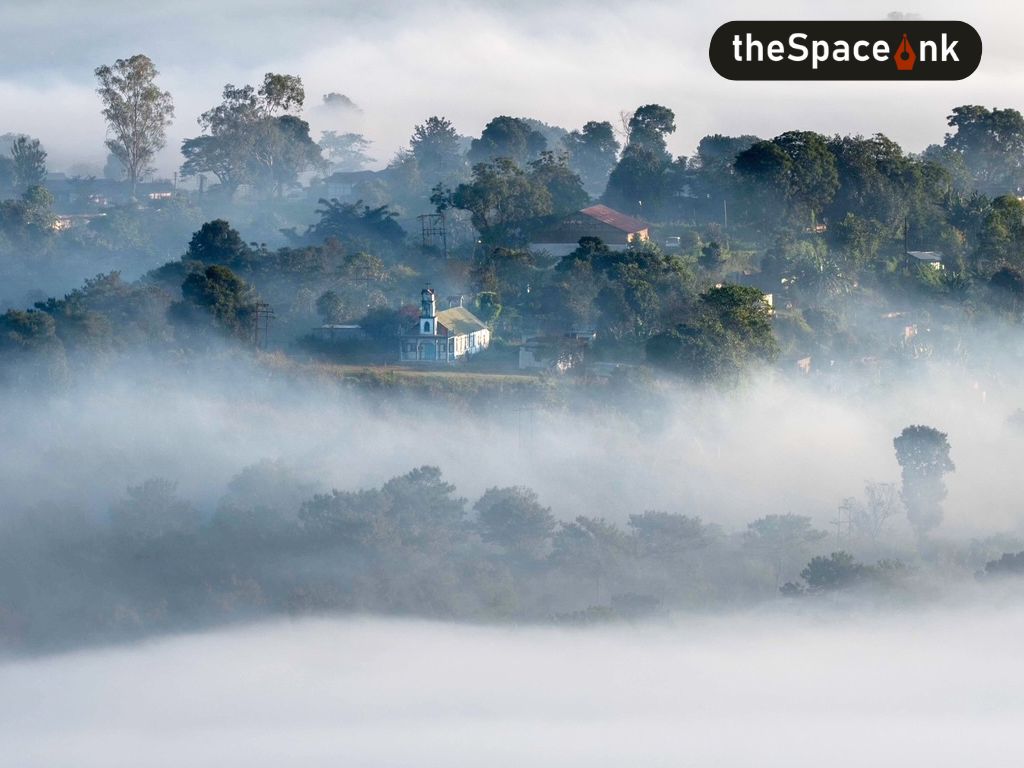
In Himachal Pradesh, the mountains echo with devotion. Their temples crown the hills, wrapped in mist and myth.
The city, now listed as a UNESCO World Heritage Site, was built by the Vijayanagar kings, and its ruins continue to narrate stories of grandeur,
Cherrapunji doesn’t merely endure the rains—it celebrates them. In each drop, each drift of cloud, there's poetry and drama.
At the beginning of the procession, the idols were taken to the temple of Amba Devi, where a ritual worship was performed.
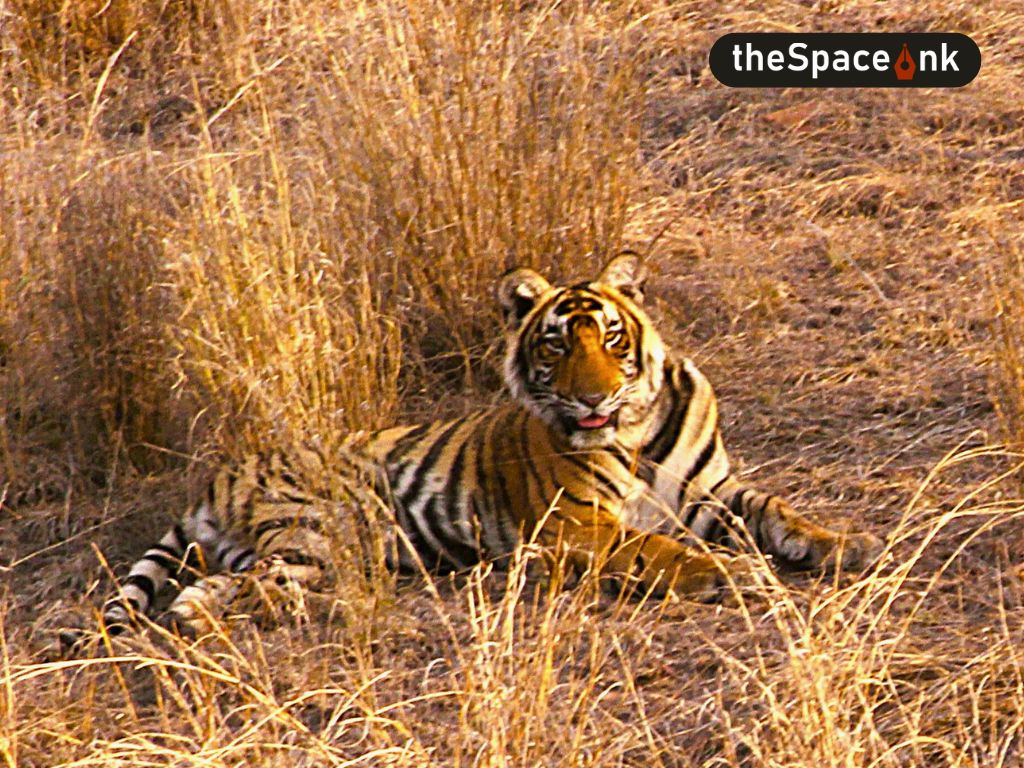
Ranthambore is home to a variety of wildlife, including tigers, leopards, wild boars, spotted deer, crocodiles, and over 250 species of birds.