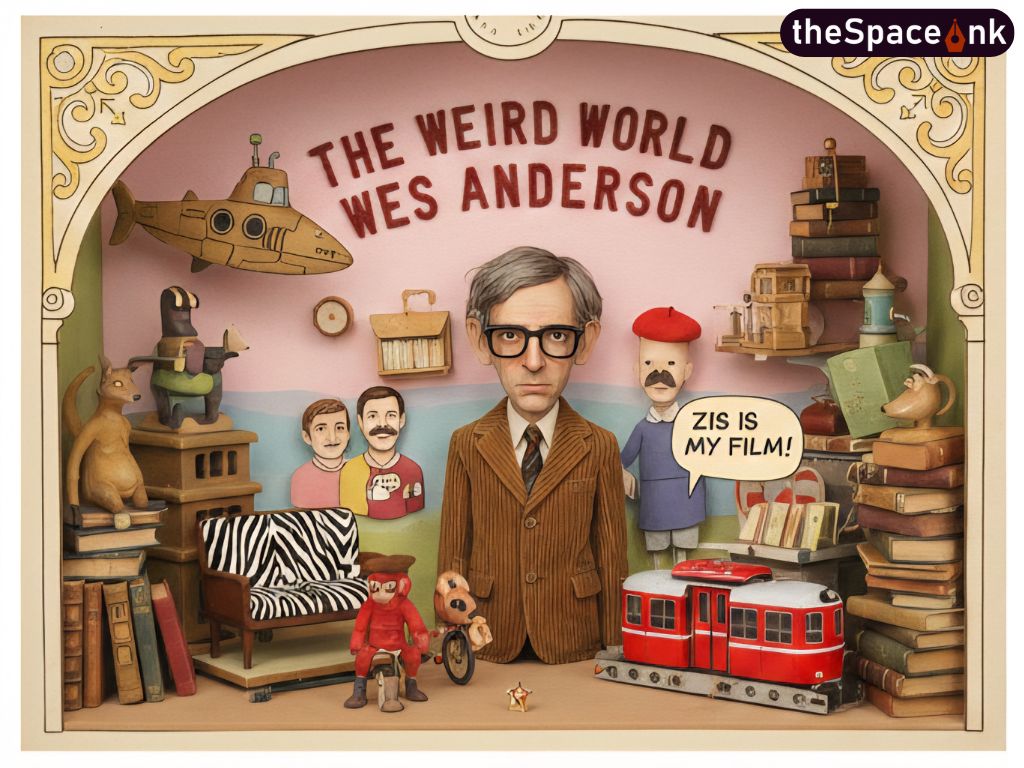
The Weird World of Wes Anderson: A contemporary director with his unique style of filmmaking
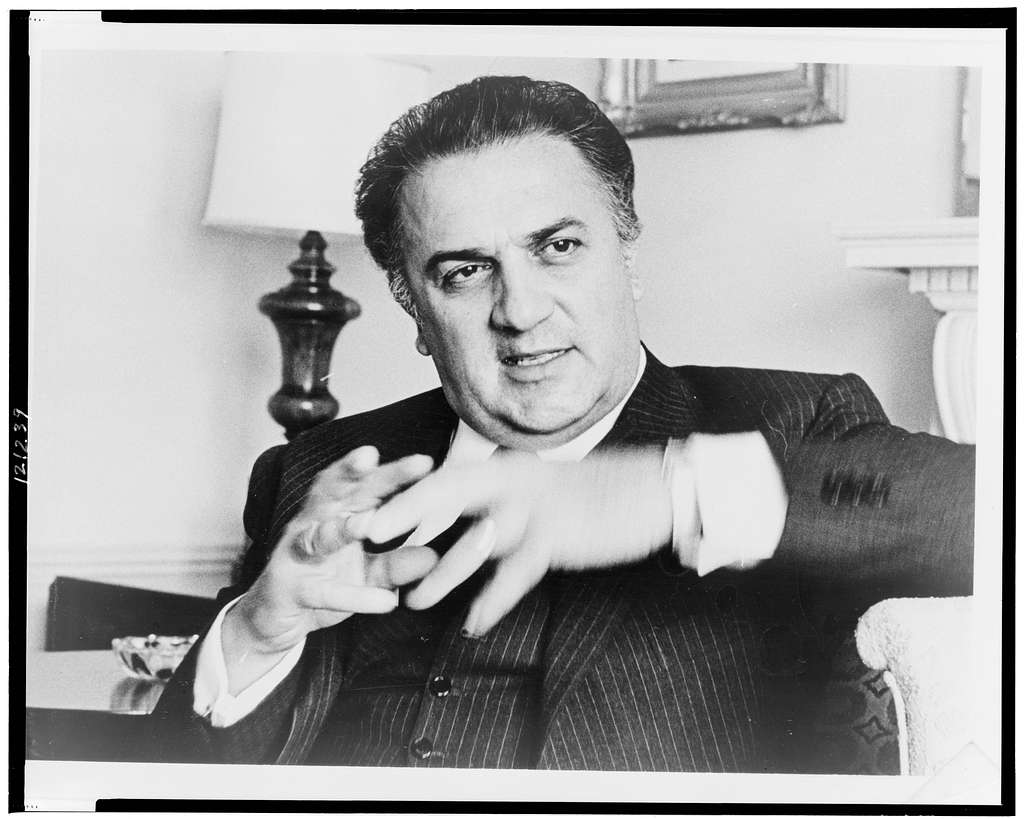
If cinema is said to mirror life, Fellini reflected our crazy part of the world. Frederico Fellini a post second world war director was very different from the directors of his times who captured the grit and grime of the cities, Fellini looked inwards into the vibrant distorted and beautiful extension of the subconscious. This was an inward journey into his own memories and anxieties. He looks into an operatic world – a Fellinisque world, which felt like a circus or a carnival.
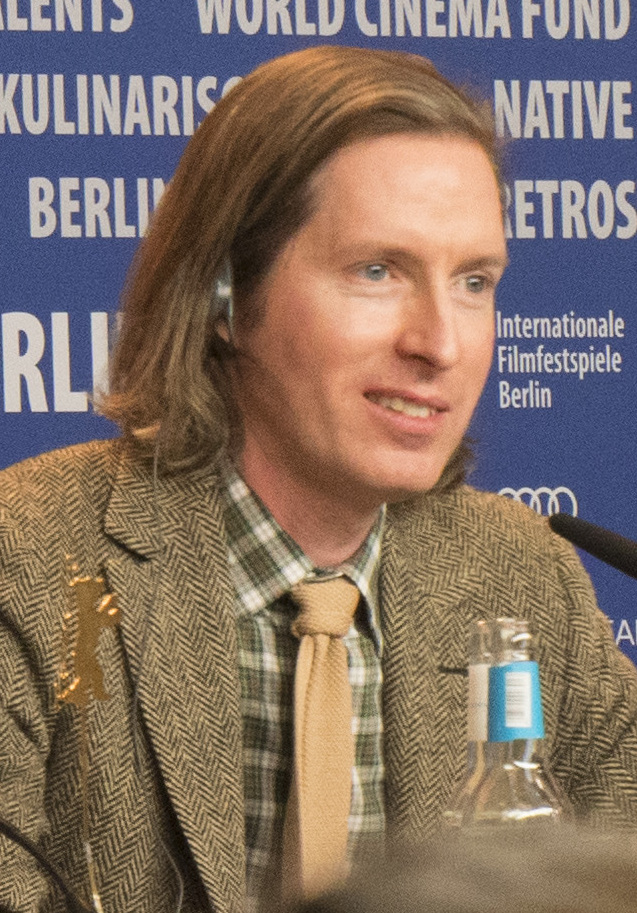
Now cut to Wes Anderson, the contemporary American filmmaker born on May 1, 1969, the subject of this article. In very much the same way, the world of Wes Anderson is a very peculiar one. It is a world which looks and feels very different but that which has a symmetrical color co-ordinated look. His unique style is that of order within a chaotic world.
Also Read: The 100 Years of Battleship Potemkin – A Tribute and An Assessment
To begin with, Anderson’s films have a pastel-y look maintained consistently over the last four to five films he made over the last two decades. The Grand Budapest Hotel made in 2014, the director received his first Academy Award nomination for Best Picture and Best Director, having pocketed the BAFTA award for the Best Original Screenplay earlier. He did receive the Oscar for for Best Production Design, Best Make-Up, and Best Original Score for Budapest though.
This film set in the 1930’s though there is talk of a war impending in the story about M. Gustave and his adventures which is said to make mockery of history, with wicked humour and humanism.
It’s a roller coaster ride of a film that unravels like a graphic novel, with beautiful colour-cordinated frames.
Anderson is best described as an auteur, I find in Anderson’s films a certain loneliness which is different from the usual definition of the term. His characters convey dry humor and are usually deadpan. More than a discussion on each of his films (some names included below) his films are best seen and enjoyed because these leave you with a sense of exhilaration over a stylized form of film making.
A few lines on the film that is still talked about today will throw light on the choice of the director’s stories. It opens in a cemetery in the former nation of Zubrowka, with a woman holding a copy of a book titled The Grand Budapest Hotel, a famous hotel fallen on hard times. As she pays her respect to the author who during his stay at the hotel, had struck up a friendship with the hotel’s proprietor, Zero Moustafa, the plot slowly unravels. It is Zero who tells him his story of his journey from a lobby boy to the proprietor over a private dinner.
Monsieur Gustave H., the concierge at the Grand Budapest Hotel is a lady-killer who romances old, wealthy residents at the hotel, including a famous dowager Madame Céline Villeneuve Desgoffe-und-Taxis (known as Madame D.), with whom he has had a nearly two-decade affair. Madame D. mysteriously dies a month after her last visit, so Gustave and Zero (employed by Gustave as a lobby boy) visit her estate to pay their respects. There, her attorney, Deputy Vilmos Kovacs, announces that she has bequeathed the famous painting Boy With Apple which annoys her good-for-nothing son, Dmitri. Gustave and Zero escape with the painting, hiding it in a safe in the Grand Budapest.
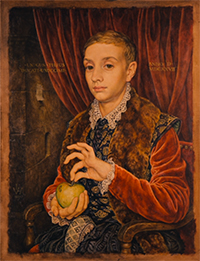
The story line indicates the crazy trajectory of the plot and thereby the narration with visuals to match. Ralph Fiennes gives one of his best performances in this film.
My first brush with Anderson was when I watched his first animation short film The Fantastic Mr Fox before discovering his unique style of filmmaking. I came to know that he has always been a great admirer of Satyajit Ray. If Ray was inspired by Hollywood, it is modern Hollywood which now acknowledges him. To shoot for The Darjeeling Limited – a story about three estranged brothers travelling in a train in India – Anderson came to India.
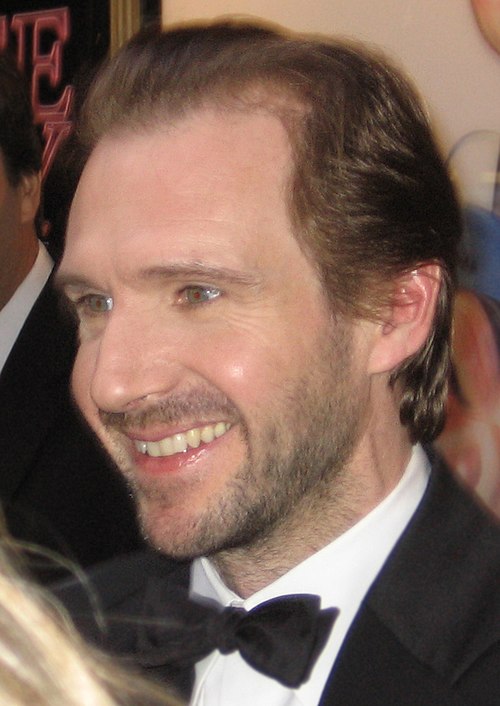
He has gone on record to say he came to pay his tribute to Ray whose “films have influenced him in different ways.”
Perhaps it won’t do to look for direct influences of Ray on Anderson because a filmmaker gets inspired in strange and unusual ways. Anderson said he had watched Teen Kanya on a video tape when he was 18 years or so and wanted to be like Ray, especially when it came to character-driven films. Musical scores for which he cites Charulata, has also had a deep impact on him as a filmmaker.
The Royal Tenenbaums, Isle of Dogs – his second stop motion animation film define Anderson in addition to his quirkiness, use of ensemble cast and distinctive visual and narrative style.
In 2023, Anderson created another ripple by directing four short films for Netflix based on stories by Roal Dahl. This was like two unique story tellers coming together, with the director trying to capture the essence of how the writer tells his story which is as important as the story.
Once Anderson cracked the code of how to go about it, that is retaining much of the textual words than scripting it as it were, he again used a rotating cast of actors (Benedict Cumberbatch, Fiennes, Dev Patel, Ben Kingsley) to create unique entertainment during the lockdown days.
To backtrack a bit, Anderson had won his first-ever Oscar for his short film Dahl’s The Wonderful Story of Henry Sugar, at the 96th Academy Awards. Based on this, he crafted three shorts alongside; The Swan, The Rat Catcher and Poison.
Anderson is best described as an auteur, I find in Anderson’s films a certain loneliness which is different from the usual definition of the term. His characters convey dry humor and are usually deadpan. More than a discussion on each of his films (some names included below) his films are best seen and enjoyed because these leave you with a sense of exhilaration over a stylized form of film making.
His latest film The Phoenician Scheme is a collaboration (like a few others) with Francis Ford Coppola’s son Roman, again boast of an ensemble cast and has a tagline.
Something gets in your way flatten it!
A Guide to Wes Anderson’s films and Trivia. Source: Wiki
Anderson directed the short film Bottle Rocket which was later adapted into his feature length directorial debut film Bottle Rocket (1996). He later directed his sophomore film Rushmore (1998), which established him as an independent film auteur. He often collaborated with the brothers Luke Wilson and Owen Wilson during that time and founded his production company American Empirical Pictures. He further established his unique style with The Royal Tenenbaums (2001), The Life Aquatic with Steve Zissou (2004), The Darjeeling Limited (2007), and his first stop-motion film, Fantastic Mr. Fox (2009), Moonrise Kingdom (2012), and The Grand Budapest Hotel (2014)
His later works include his second stop-motion film, Isle of Dogs (2018), the anthology comedy The French Dispatch (2021), the science fiction drama Asteroid City (2023) and the espionage caper comedy The Phoenician Scheme (2025). Anderson won the Academy Award for Best Live Action Short Film for The Wonderful Story of Henry Sugar (2023).
Image Courtesy: Picryl, Wikimedia Commons, Wikimedia Commons, Wikipedia

Judhajit Sarkar, an alumnus of the Film & Television Institute of India is Kolkata-based filmmaker with several corporate, documentaries and two feature films to his credit.