A Truth of Japan’s Foster Care (3): A Day Without a Date
Every life has a beginning, yet for one not to know exactly when it was must leave a deep void in the human spirit.
What first drew me to the world of children’s homes was a single phrase by Sahel Rosa: “I don’t have a birthday.”
It was a summer evening. We gathered in a small machiya in Kyoto. The sliding fusuma doors were removed to merge two tatami rooms, creating a modest space where about twenty of us huddled together to watch Sahel’s directorial debut. It was a physical test of endurance—legs grew numb, backs began to ache. We sat in stifled, awkward contortions, trying to stay low enough not to obstruct the view of those behind us. In that cramped, forced proximity, we surrendered ourselves to the screen.
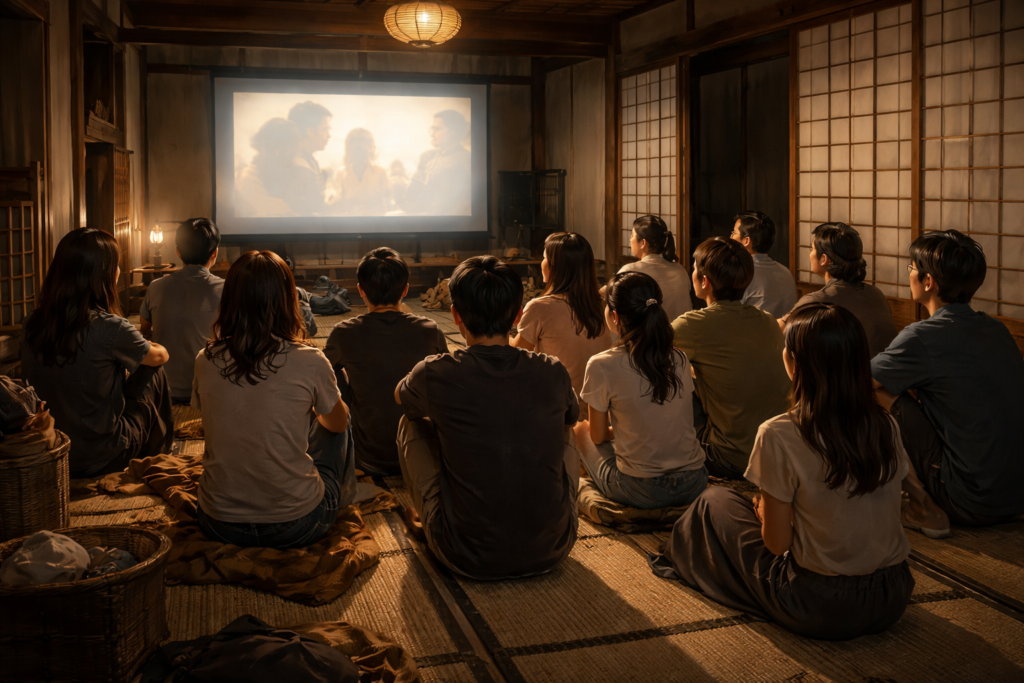
The film Sahel produced was a sort of ensemble drama featuring young people raised in Japan’s foster care system. It was a stunningly beautiful piece—not quite a documentary, nor a series of interviews, yet more than fiction. It blurred the lines between all of them. In a way, it defied categorization; it was a cinematic poem. One veteran actor who had supported Sahel for years appeared alongside the youths—the sole professional in the cast. Sahel herself, a woman of many faces—model, talent, and human rights activist—had poured her own history into this work.
Also Read: A Truth of Japan’s Foster Care (1): The Girl in the Home
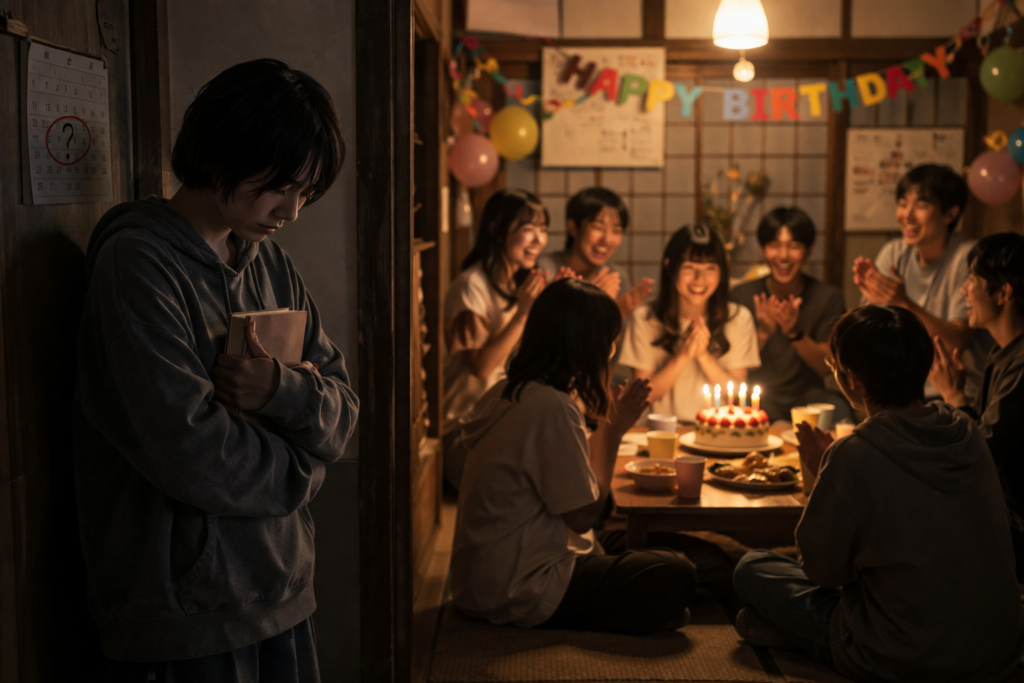
There was a poignant scene in the film where young people who had aged out of the foster care system gathered to speak of their birthdays.
“Does a birthday make you happy?” one young man is asked.
“I guess,” another replies, looking back. “The facility used to throw parties for us.” Then, a quiet intervention:
“I don’t have a birthday.”
“What? Everyone has a birthday.”
“No. I don’t. I don’t even know my true age.”
After the screening, Sahel stood before us in that quiet room. Referring to that specific exchange, she confided, “That line… that was my own reality.”
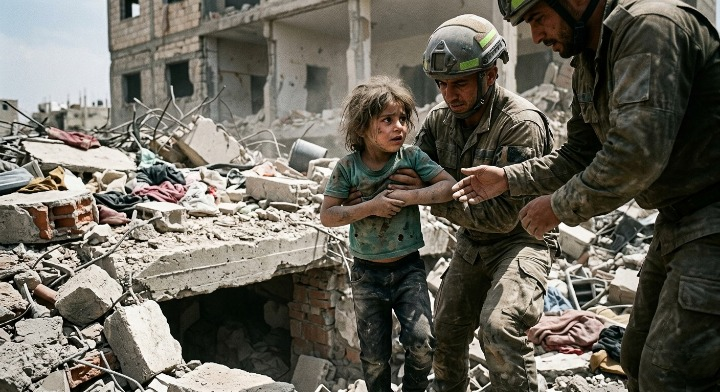
Born into the chaos of war and miraculously rescued from the rubble where she had lost her parents, she grew up in an Iranian orphanage. A series of coincidences eventually brought her to Japan with her adoptive mother. Her name, “Sahel,” was a gift from this woman. Guided by her mother’s intellectual depth and refined character, and fueled by her own relentless grit—perhaps aided, too, by the beauty the world so easily recognizes—she carved out a place for herself in Japanese society.
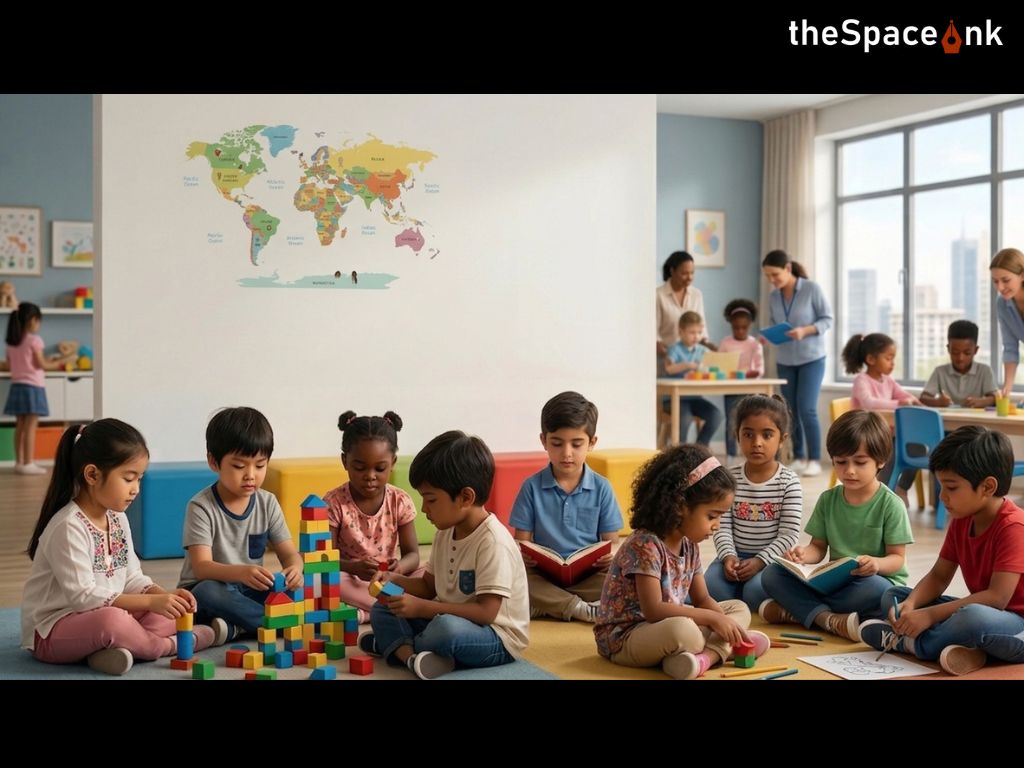
Inspired by her film, I volunteer at the Home. As I interact with the children there, I have yet to find the words to describe what I perceive in the children there. All I know is that beneath their quiet exterior—and even behind their most boisterous laughter—lies a relentless tension, born from the invisible weight they carry every day.
Yet, beneath the surface of her public success, she has never escaped the haunting questions of her own beginning. That is why she felt an inescapable need to make this film.
The phrase “I don’t have a birthday” carried a sharper sting than the words “I have no parents.” It haunted me long after, until I finally realized: it was this very sensibility that defined Sahel as an artist.
Both—parents and birthdays alike—are things that every living being is supposed to be born with, yet neither can be “discovered” by oneself. However, there is a fundamental difference between the two.
Your birthday is a gift that must be given to you by someone else. To have someone who remembers your beginning and tells the story behind your birth is the ultimate proof that you were truly welcomed into this world. More often than not, it is a parent who bestows this gift—and here, “parent” might suggest a biological connection.
Also Read: A Truth of Japan’s Foster Care (2): As If It Simply Didn’t Exist
However, we also recognize the existence of parents who share no biological bond. Such a parent is an adult who treasures you as a unique, irreplaceable being—someone who values you above all else and protects you with everything they have. It is through this devotion that they earn the right to be called “parent.”
In the Home, there are caregivers, but no parents—no one to treat you as the “center of the world”. Where everyone is equal, no one can be special. There is no shoulder to lean on, no one with whom you can safely be vulnerable.

Psychologically, when you are thrust into a shared life with unfamiliar peers, you find yourself in a constant struggle for survival. You are deprived of the fundamental security found only under the absolute protection of a guardian. This is because you lack that one “special” adult who would set the rest of the world aside solely to protect you.
The film features eight young people raised in care, three of whom—as their names suggest—have a heritage other than Japanese. I was struck by this reality; the proportion is far greater than the percentage of foreign-rooted births in Japan, highlighting a hidden truth within Japanese society.
Though Sahel’s adoptive mother could not provide her with a birth date, she took her in and became her “true parent”. Yet, the lingering questions about her own beginning drove Sahel to the act of film making. In that drive, I find something invaluable that only humans, among all living creatures, can reach. It is painful and burdensome, yet it holds a distinctly human depth.
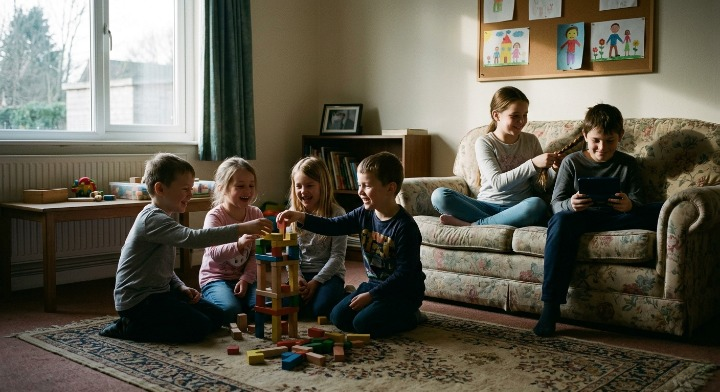
Inspired by her film, I volunteer at the Home. As I interact with the children there, I have yet to find the words to describe what I perceive in the children there. All I know is that beneath their quiet exterior—and even behind their most boisterous laughter—lies a relentless tension, born from the invisible weight they carry every day.
The film features eight young people raised in care, three of whom—as their names suggest—have a heritage other than Japanese. I was struck by this reality; the proportion is far greater than the percentage of foreign-rooted births in Japan, highlighting a hidden truth within Japanese society.
All Rights Reserved
Image Courtesy: AI

Mayumi Yamamoto is a writer and academic based in Kyoto, Japan. Her poems have appeared in Literary Yard, and some opinions in Indian Periodical. She authored several published books in the Japanese language.