Personal Recollections of Chinese New Year
The Chinese New Year began this year on February 17 and is a 15-day celebration according to the Chinese Lunar Calendar. It is a spring festival as the cuckoo is already singing sweetly from the tree-tops. Kolkata in a bid to encash on its heritage tourism has organized a number of dragon dances, food festivals and walk-through in Tangra China Town.
With barely 2,000 members of the community left, this is nostalgia time for me for having grown up with Chinese neighbours I experienced this festival up-close and personal, and saw a community that was hardworking and never sat still. In this Year of the Fire Horse it makes absolute sense for this animal signifies energy, movement and growth.
Also Read: The Fine Arts of Criminology
“There goes O’Henry,” my mother would say as she watched from the window as the very fat proprietor of the famous Chinese restaurant Chung Wah leave the next door building on Central Avenue to head towards the restaurant that lay a little ahead. “Ma, his name is Henry Au,” we children chorused.
“Oh it’s the same,” she would say. Till then she knew only of Chinese brocades. We loved our Chinese friends who were very close to us and became life-long friends even if they are now scattered all over the globe in what can be termed re-migration. I kick myself for not learning the Chinese language though I learnt to count in it, words of songs and a smattering of the dialect which was mainly Hakka.
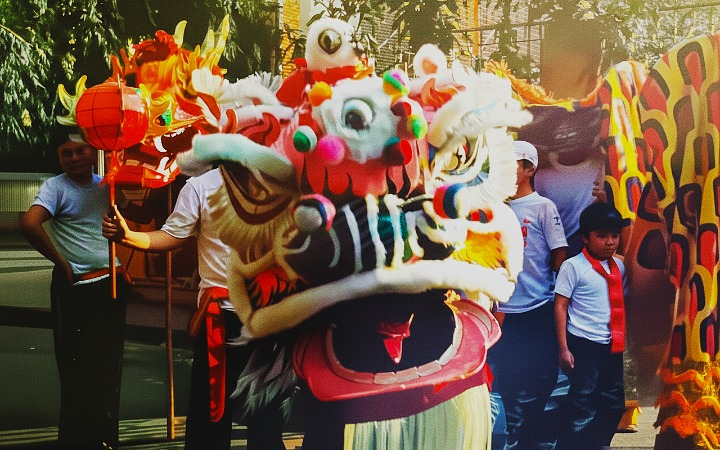
Whenever the Chinese New Year comes around my mind flies back to that early morning of the first day of the festival. At the crack of dawn, the tiny bundle of red fire crackers was burst which meant the dragon was at the entrance of the building. Sleepy and groggy-eyed, I awoke thinking a war had broken out because the sixties and seventies, Calcutta was at the cross roads of various skirmishes with neighbours on either side of the border.
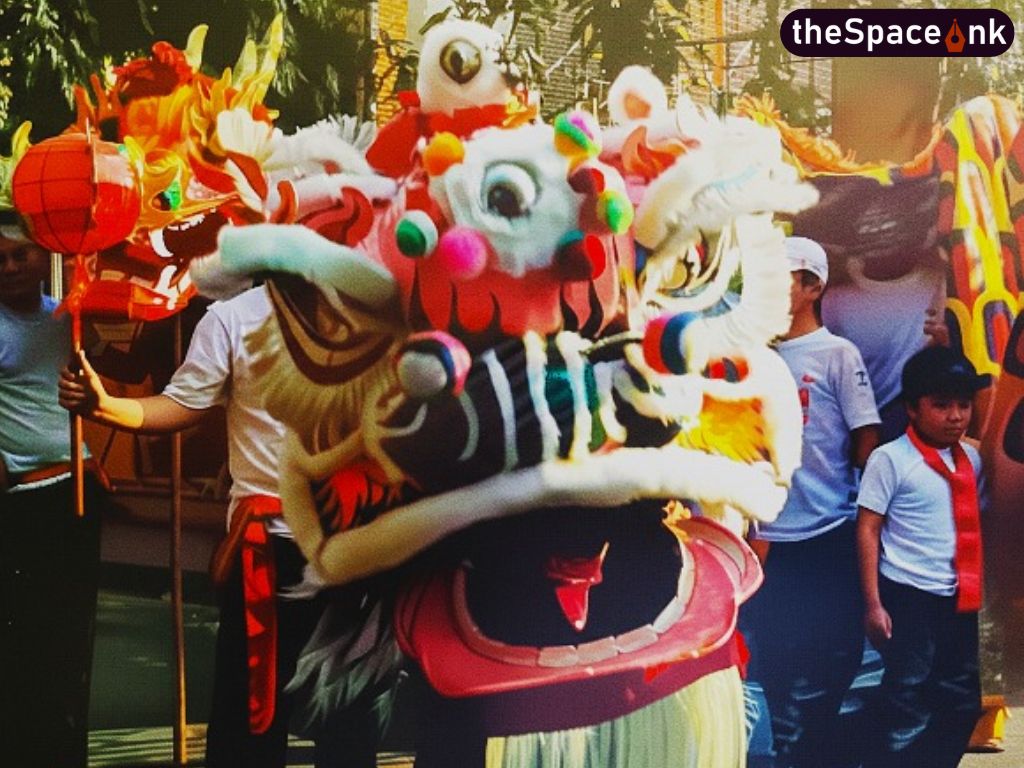
But the beating of drums and cymbals to the rhythm of tun tun chan indicated the lion had entered the building and it had to be tamed. It was a beast that preyed on the Chinese villagers of yore. It was believed to be a dragon or a lion or a blend of both that came down from the mountains or rose from the River to torment the villagers.
Also Read: Kafkaesque to Kalia
They frightened it away by beating pots and pans. The was symbolized with gongs and cymbals.
The lion did its little dance beneath a robe that was elaborately stitched, along with the lion mask (mausee) that was crafted by members of the various youth clubs. Of course the beast gave a fight very much like our mahishasura refusing to be killed. Ultimately overpowered by the lit crackers, it collapsed into a heap. The young men in their blue jeans and white tees parted with the red packets or fung pao full of cash.
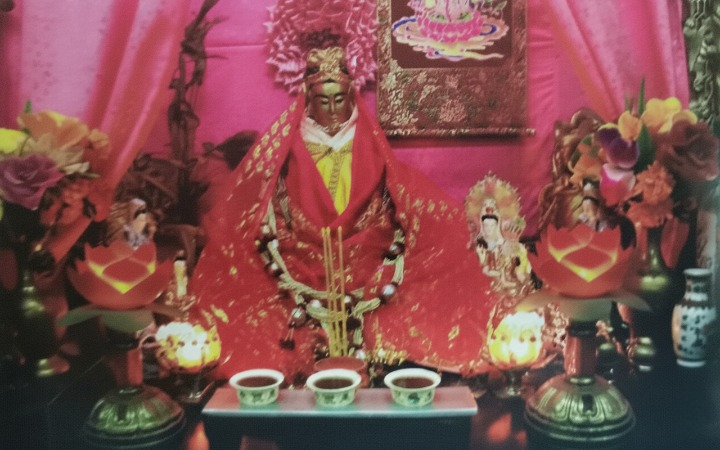
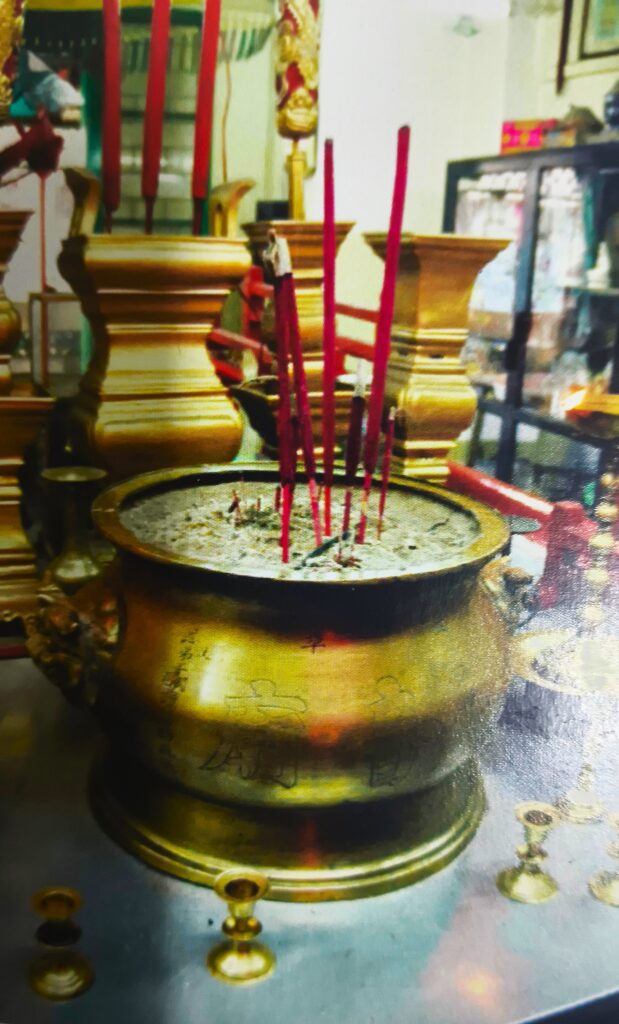
The young made a killing on the first day of the festival that subsequently included visits by the community to their many temples in Chinatown behind Poddar Court, Tiretti Bazaar area, and in Tangra. A trip to Achipur on Budge Budge line where the first Chinese to the city Yang Atchew (spelt variously) had docked was a must for many to pay their homage. He is said to have opened the first sugar mill in 1780 and here is a samadhi in his name.
A community is known through its cuisine and after distributing the ‘prasad’ in beautiful blue and white China, the families ate in beautiful China bowls with dragon motifs, their use of chopsticks so dexterous. This was a skill I picked up much later. I observed that what is served in restaurants as Chinese food was not really authentic.
The history of the city’s Chinese is all over the place but I would like to write about the people I knew in the community; friendly, warm and far from being political. The Chinese, who lived in my para in Central Calcutta, were a delightful community, and ma learnt so much by observing the Chinese women in their kitchens. The way they grew their pinky nail long to pick the stones out of the rice grains they cooked without throwing away the starch; how chicken pieces were shredded and the way Chinese sausages were salted. These were then hung and dried on a pole that also dried laundry. Their ingenuity in optimizing space was one to marvel at.
The Chinese culinary influences found their way on our dining table as we had no food restrictions whatsoever. The table always had a small glass bowl holding chillies in vinegar as the centre piece. It acted as a pickle to add taste to any bland dish as the flavour of the chillies remained intact, without the heat, as the sour vinegar neutralized that.
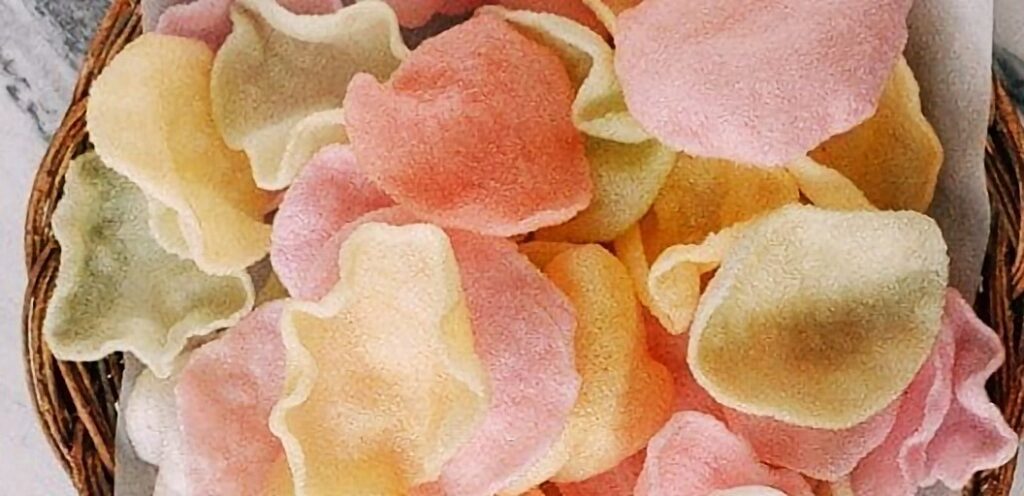
The usually round dining table in most Chinese homes was extended on both sides, otherwise kept folded, to make space. On New Year it groaned with home-made delicacies arranged around plump red candles. There was ma faa – Chinese confectionary made with flour, sugar and eggs dipped in colour, red being the most auspicious colour to repel and to attract; prawn and fish wafers; various sticky sweets.
Since winter was not officially over, oranges were offered in temples and were their preferred fruit. The women prepared food through the nights and it was first offered to the Chinese gods, then guests and finally the members. As a child I waited for the plate filled with all the goodies and delivered to all the flats occupied by mostly Punjabi and Goan neighbours.
We knew that Chinese New Year was coming when the shops had the red and gold festoons over their entrance. Then the same adornments hung on the doors to their residences for luck and prosperity.
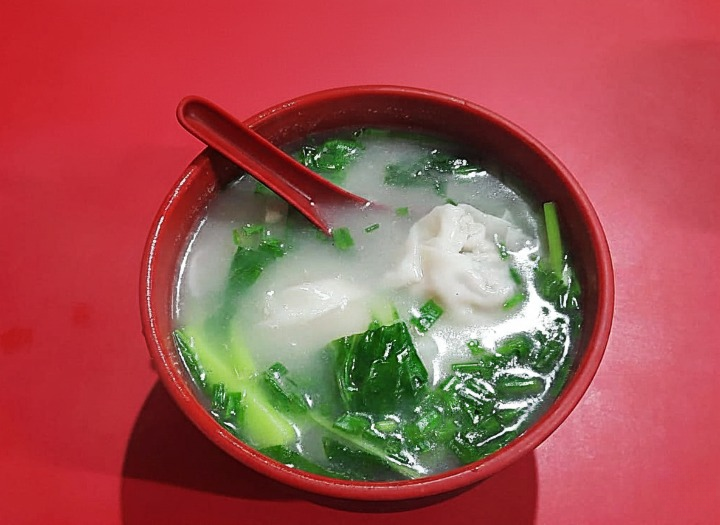
A community is known through its cuisine and after distributing the ‘prasad’ in beautiful blue and white China, the families ate in beautiful China bowls with dragon motifs, their use of chopsticks so dexterous. This was a skill I picked up much later. I observed that what is served in restaurants as Chinese food was not really authentic. Vegetables like carrots and capsicum were replaced with more of black oyster mushrooms, tofu and soy bean curd, eaten with a very basic rice broth with boiled vegetables like bak choy, mustard leaves and diced meats at home.
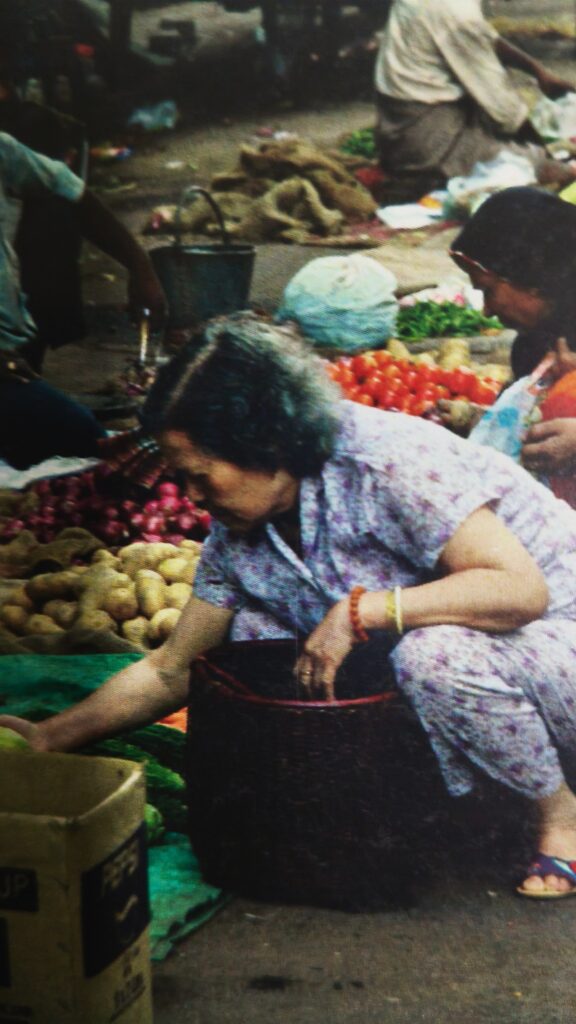
I heard stories recounted by the elderly member of the community that each day of the festival was earmarked for a certain vegetable in a bid to make the young eat their vegetables which seems to be a problem everywhere. So if spring onion made you intelligent, garlic leaf made you good in mathematics, celery made you work hard and so on.
Also Read: Chinese New Year Celebration in Kolkata
Our neighbor, the Wongs owned a shoe shop called Athat ( I wonder what the name meant) nearby. It sold hand-crafted shoes to the Calcutta elite during the Raj. Hand crafted shoes were much in demand and the rows of shoe shops on either side of Bentinck Street gave it the nickname of Shoe Street. We lived near it first before moving to Central Avenue.
We knew that Chinese New Year was coming when the shops had the red and gold festoons over their entrance. Then the same adornments hung on the doors to their residences for luck and prosperity.
Wherever the Chinese go they prosper with their hard work and innate Asian culture of showing respect to the elderly. Our Chinese neighbours never sat still for a moment. They were forever repairing something, engaging in woodwork, cooking, cleaning, washing and a host of other chores. Maybe because of their light diet they had tremendous energy.
Also Read: The Great Indian Proposal Letter
Whenever people outside the neighbourhood threw words like ching chang chung at them, I bristled with anger.
We as children learnt Chinese songs and how to make paper lanterns, played rock paper scissors to settle any dispute among us, caught little beetles in matchboxes (lord knows why) and then one day, we suddenly grew up and scattered away.
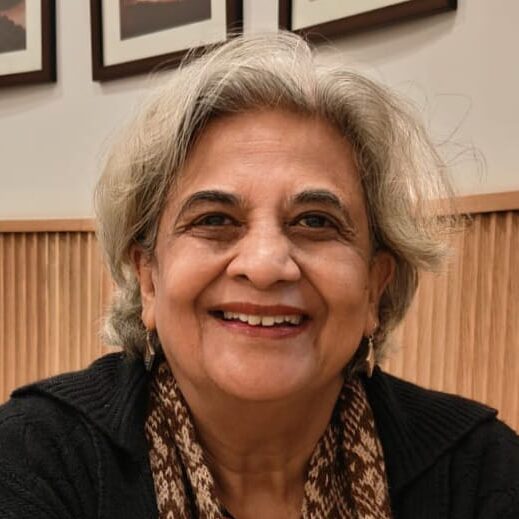
Photo Courtesy: Author

For a living, Manjira Majumdar has traversed the world of reporting, feature writing and editing. Today an independent journalist, she likes writing essays, fiction and translating from Bengali to English.