
Salil Chowdhury – The Composer Who Made Music Speak
What happens when the sounds of Western classical music meet the soul of Bengal? Something extraordinary happens. And that extraordinary musical mind belonged to one man — Salil Chowdhury. Growing up between the tea gardens of Assam and the landscapes of Bengal, Salil-da absorbed folk melodies, Western symphonies and the rhythms of everyday life.
But for him, music was never just entertainment. It was a language of humanity. In the 1940s, he joined the Indian People’s Theatre Association, or IPTA. His songs became the voice of farmers, workers and ordinary people fighting injustice.
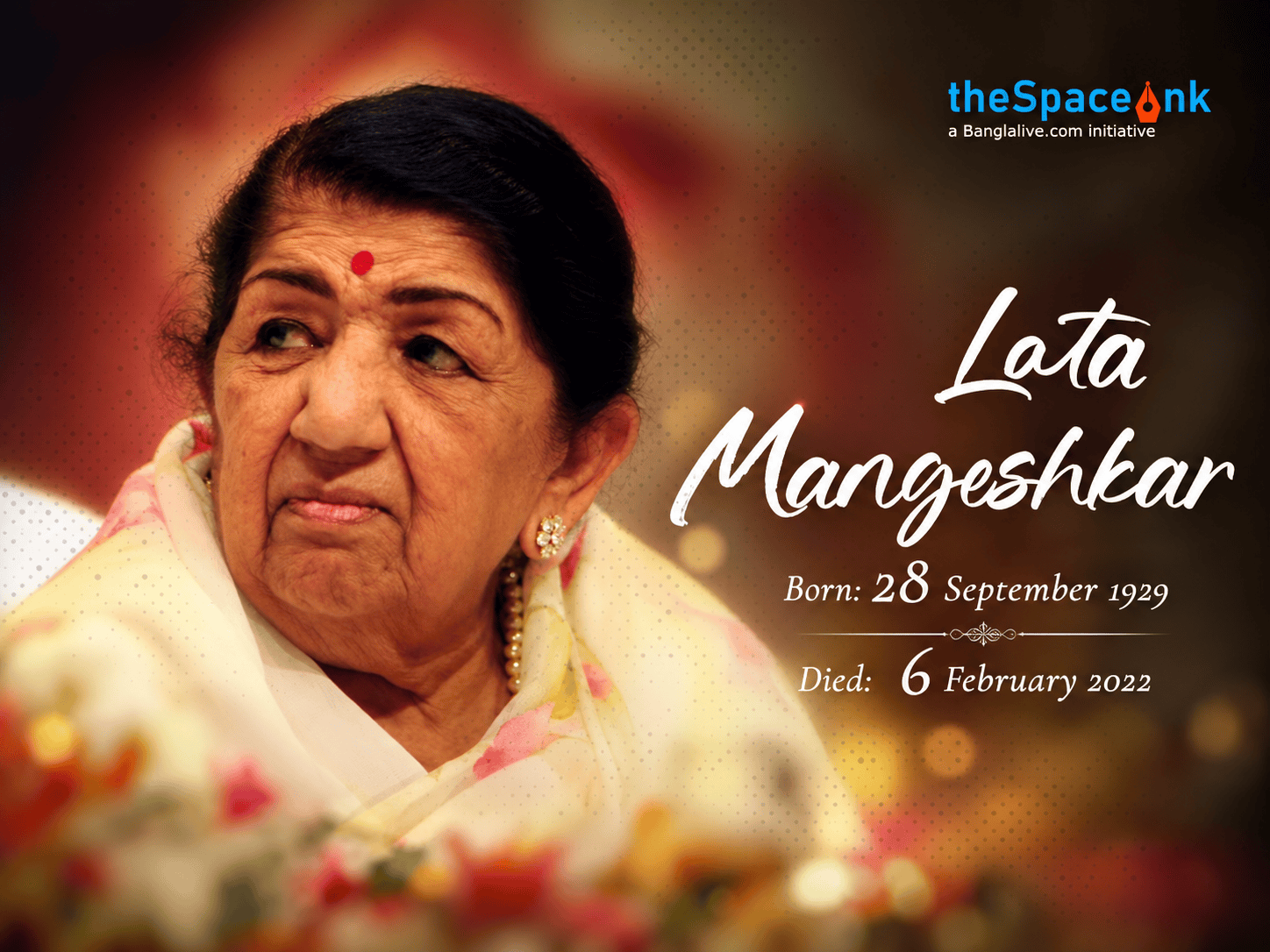
Lata Mangeshkar: Birthday Tribute
He believed that a song could do more than touch your heart. It could awaken a generation. Then came Bimal Roy’s ‘Do Bigha Zamin’ in 1953. And Salil Chowdhury brought a completely new musical vocabulary to Indian cinema. From ‘Madhumati’ to ‘Anand’, from Bengali melodies to Malayalam classics like ‘Chemmeen’, his compositions crossed linguistic and cultural boundaries.
His genius lay in blending Indian folk traditions with Western harmonies and orchestration. A composer, lyricist, poet, storyteller and multi-instrumentalist. He could make an orchestra sound revolutionary, a melody feel intimate, and a simple song become timeless. Salil Chowdhury left us on 5 September 1995. But his music never really said goodbye. Because some artists don’t just create music. They become a part of our collective memory. Salil Chowdhury. A melody beyond time.