Roberto Rossellini – Neorealist Pioneer
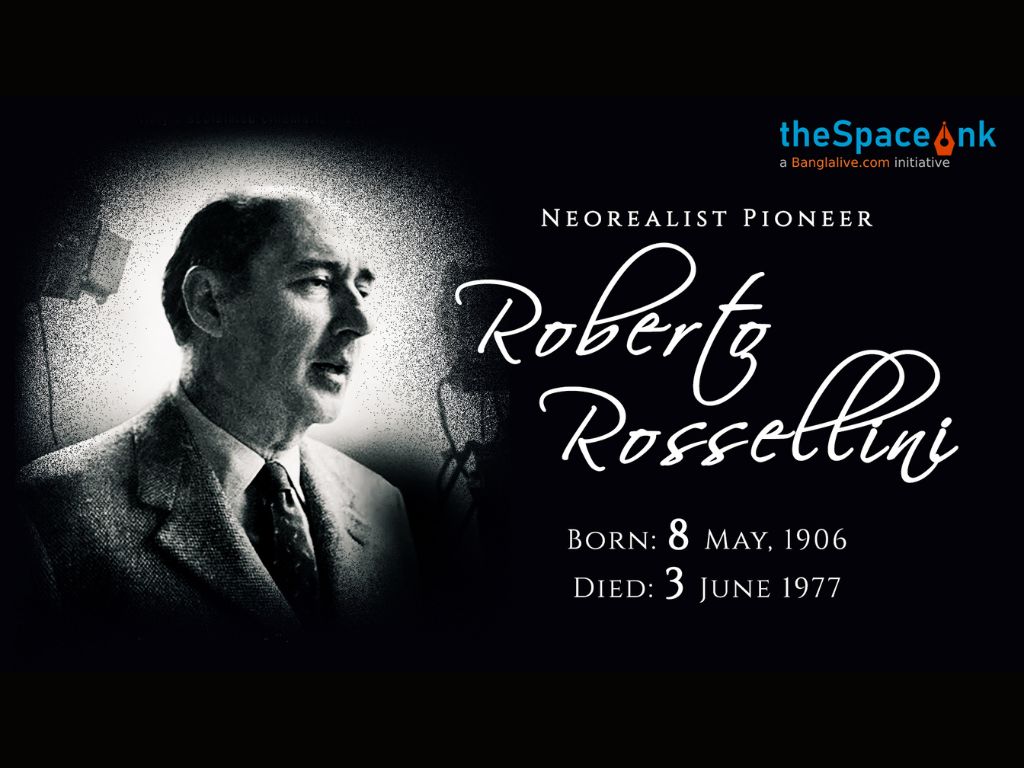
He lived a life as dramatic as his films. Roberto Rossellini didn’t just reinvent cinema—he also made headlines for scandalous romances, bold artistic risks, and a career that constantly defied expectations. From helping define Italian Neorealism to shocking audiences with his personal life, he was a man who blurred the line between art and reality.
He was born into privilege. Rossellini entered the world on 8 May 1906 in Rome. He was the son of a wealthy cinema hall owner, which meant he grew up surrounded by films at a time when cinema itself was still young and evolving. This early exposure shaped his lifelong obsession with storytelling through images.
His career began under unusual circumstances. During the Fascist era in Italy, Roberto Rossellini directed films that were, to varying degrees, supported by the regime, including works like Rome, Open City, which would later become a landmark of resistance cinema. Ironically, he would soon turn against the very structures that enabled his early career.
He changed cinema forever. With films such as Paisan and Germany Year Zero, Roberto Rossellini became one of the founding figures of Italian Neorealism. These films used non-professional actors, real locations, and raw storytelling to depict the harsh realities of post-war life.
Video: Emily Brontë: A Soul of the Moors
He believed truth mattered more than polish. Roberto Rossellini rejected elaborate sets and artificial storytelling, instead capturing everyday struggles with a documentary-like realism. His work deeply influenced later filmmakers, including Martin Scorsese and François Truffaut.
His personal life soon rivalled his films. In 1950, Ingrid Bergman wrote to Rossellini expressing her admiration for his work. This led to a passionate affair, despite both being married at the time, and resulted in a major international scandal.
Their relationship shocked the world. Rossellini and Bergman collaborated on films like Stromboli, but their romance drew harsh criticism, especially in the United States, where Bergman was publicly condemned. Despite this, they married and had children, including Isabella Rossellini.
But that marriage did not last. Over time, Rossellini and Bergman’s relationship deteriorated, and they eventually separated. What followed would become one of the most controversial chapters of his life.
Video: The Child Behind the Genius: Understanding Steven Spielberg’s Cinematic Vision
He fell in love again in India. While working on a documentary project in India, Roberto Rossellini became involved with Sonali Dasgupta, who was then married. Their relationship created a major scandal in India and abroad, especially given its timing after his separation from Ingrid Bergman.
Their affair led to marriage. Rossellini and Sonali Dasgupta eventually married, and she became an important creative collaborator in his later years. This episode further cemented his reputation as a man whose personal life was as bold and controversial as his films.
He later reinvented himself again. Moving away from mainstream cinema, Rossellini began creating historical and educational films for television, exploring figures like Socrates and Blaise Pascal, reflecting his growing interest in knowledge and philosophy.
He remains a towering figure today. Rossellini passed away on 3 June 1977, but his influence on cinema endures, not just through his films, but through his fearless approach to life, art, and truth itself.