(Jane Austen)
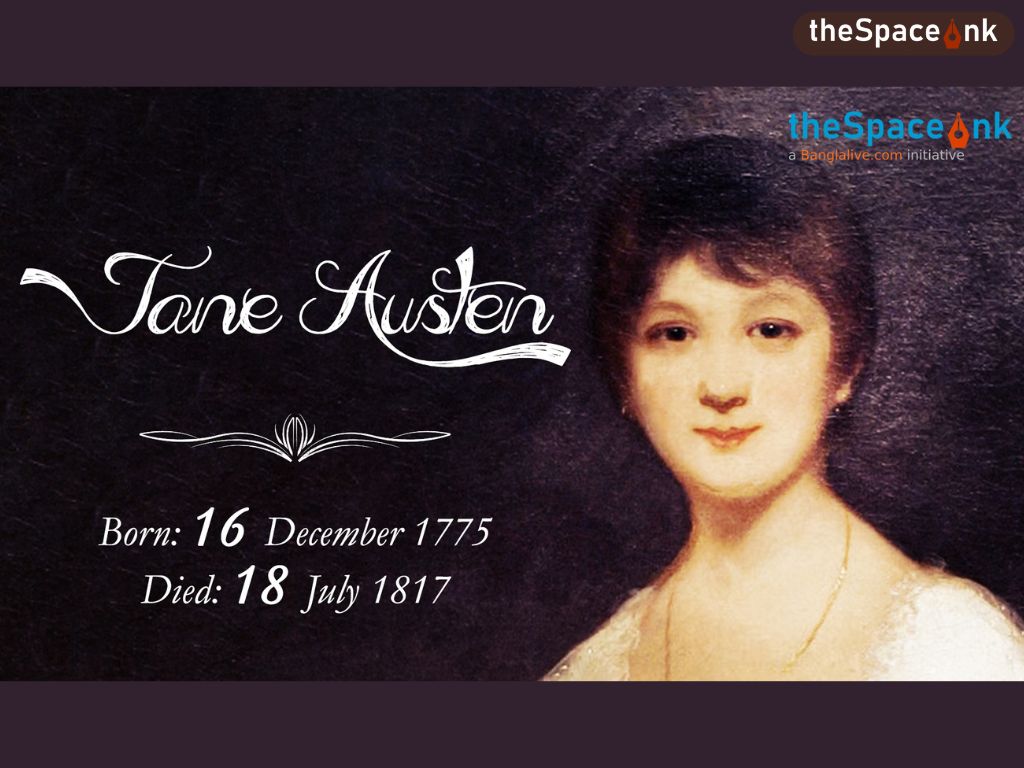
Jane Austen was born on 16 December 1775. She grew up in a lively and affectionate family in the small Hampshire village of Steventon. Her father was a clergyman who supplemented his income by farming and taking in boy pupils, while her mother was a woman of ready wit. The Austen household was a stimulating environment, full of reading, acting, and creative games.
Jane’s formal education was limited. After some time at a girls’ boarding school, she was largely educated at home. However, she had unrestricted access to her father’s extensive library. There, she became a voracious reader, consuming everything from moral essays to French romances and Gothic novels. This literary foundation was crucial for her development as a writer.
Jane Austen began writing as a teenager. Between the ages of 11 and 17, she filled notebooks with stories to entertain her family. These early works were full of exuberant high spirits, parodying the sentimental and Gothic novels of her day. This was where she first found her voice, experimenting with the art of novel writing through spoofs and wild comedies.
Video: Emily Brontë: A Soul of the Moors
Her life saw a major upheaval in 1801. Her father retired and moved the family to the busy spa town of Bath. After his sudden death in 1805, Jane Austen, her sister, and their mother faced financial insecurity. The following eight years were an unsettled period, spent moving between Bath, Southampton, and the homes of various relatives. Her productivity as a writer declined dramatically during this time.
A stable home finally came in 1809. Her wealthy brother Edward offered them a comfortable cottage on his estate in the village of Chawton. This secure and happy environment reinvigorated Jane’s creative spirit. In the cozy Chawton cottage, she took out her early manuscripts and began seriously revising them for publication.
Her first published novel was Sense and Sensibility. It appeared in 1811, anonymously signed “By a Lady”. She published the book on commission, meaning she bore the financial risk herself. Thankfully, the first edition sold out, earning her about £140 and establishing her as a profitable author.
Pride and Prejudice followed in 1813. This is now her most famous novel, which she called her “own darling child”. Ironically, it was the book from which she earned the least. She had sold the copyright outright to her publisher for £110, missing out on the substantial profits from its subsequent editions.
Video: Remembering Virginia Woolf’s A Room of One’s Own
Jane Austen was a sharp businesswoman in her own right. With her brother Henry acting as her literary agent, she negotiated with publishers. For her novel Mansfield Park, she switched to a profit-sharing model and later moved to the prestigious publisher John Murray. This made Mansfield Park her most financially successful novel during her lifetime.
Jane Austen’s health began a steep decline in 1816. The exact nature of her illness is still debated, with modern theories suggesting Addison’s disease or Hodgkin’s lymphoma. Despite her failing health, she continued to write, starting a new, satirical novel called Sanditon. She was forced to stop as her condition worsened.
Jane Austen died on July 18, 1817. She was only 41 years old. She was buried in Winchester Cathedral. At the time of her death, her authorship was not publicly known, and her obituaries were brief and vague. Her brother Henry revealed her identity to the world later that year in a biographical notice prefacing her final two novels.
Her legacy is nothing short of monumental. Austen pioneered a new, realistic style of novel focused on ordinary people in everyday life. Her sharp wit, social commentary, and masterful use of irony have earned her acclaim for over two centuries. Her six completed novels remain timeless classics, beloved by readers and endlessly adapted for the screen.