Twin Peaks: Return to the Dream That Never Wakes
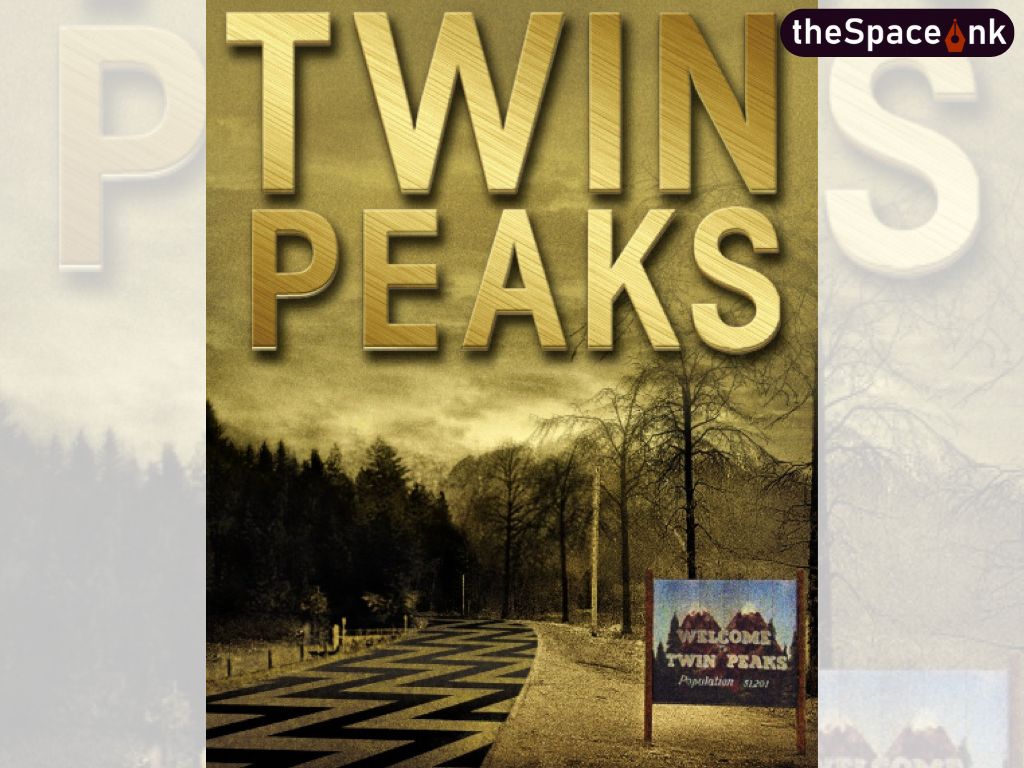
TV shows are a dime a dozen. Most flicker and die on the small screen, very few manage to carve out a permanent niche in public imagination. Twin Peaks is one of those rare exceptions. By expanding the medium’s creative horizons and altering the audience’s expectations regarding what constitutes prime-time drama, it has seeped into the very core of America’s popular culture, and shines as a touchstone of television’s evolution into art.
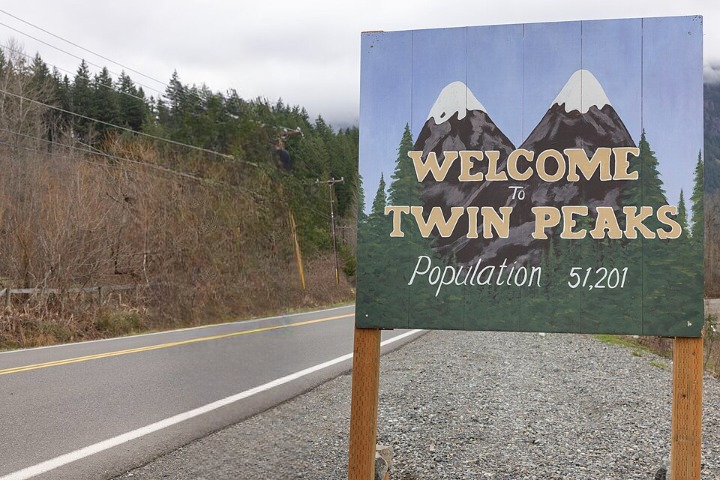
Twin Peaks—a picturesque town nestled in a remote corner of the Pacific Northwest, surrounded by densely packed Douglas firs and misty lakes. Two snow-capped mountains, from which the town derives its name, tower over the landscape. Small-town Americana permeates the place; cozy diners serve delicious cherry pies, quaint lumber mills lazily belch smoke into the sky, and everything, from the gentle weather to the easy smiles of the locals, feels warm and inviting.
Yet, one gradually realizes that there is more to Twin Peaks than meets the eye. The wind rustling through the woods sings an ominous tune; bizarre occurrences hint at supernatural forces at work; and more than a few residents harbor dark and dangerous secrets.
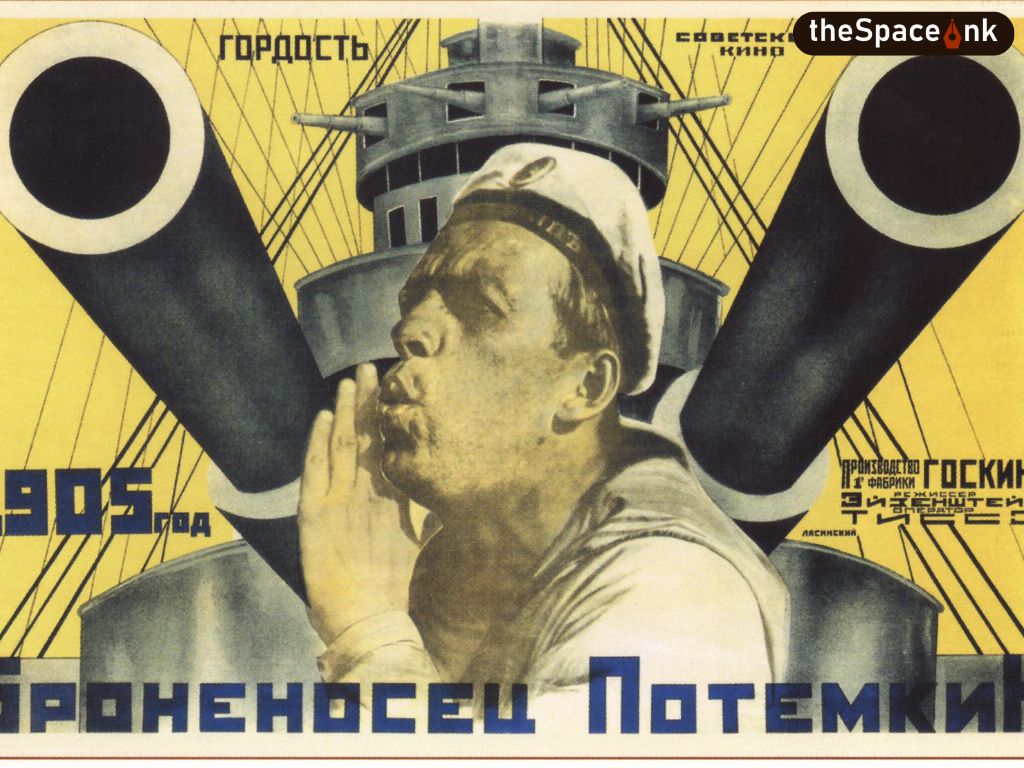
Also Read: The 100 Years of Battleship Potemkin – A Tribute and An Assessment
Created by Mark Frost and David Lynch, Twin Peaks first aired on the ABC network in April 1990. The pilot episode began with the discovery of the plastic-wrapped corpse of Laura Palmer, the town’s homecoming queen. A model student, volunteer at Meals on Wheels, and the apple of everyone’s eye, Laura’s brutal murder sent shockwaves through the settlement. FBI Special Agent Dale Cooper arrived to investigate the crime and partnered with local Sheriff Harry S. Truman. As the investigation progressed, they unearthed evidence suggesting that Laura had been leading a dishonest double life.

The artistic manner in which Twin Peaks peeled back the layers of Laura’s past, and in doing so, exposed the lies, deceptions, and insecurities of a seemingly serene and close-knit community, cemented the show’s reputation as a rare television phenomenon—a slow-burning crime drama quite different from the conventional murder mysteries. The truth, as it steadily emerged, proved no less horrifying than the killing itself: behind Twin Peaks’ white picket fences, endless coffee refills, and the general air of bonhomie lay a tangled web of torment, infidelity, and corruption.
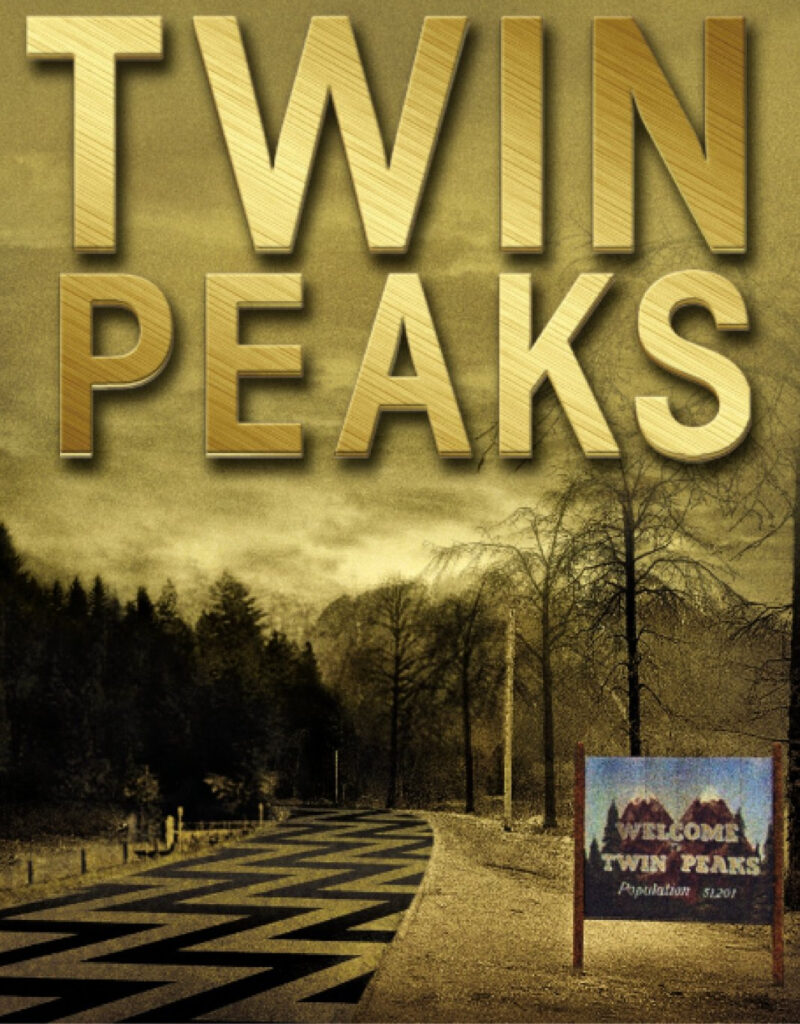
At its core, Twin Peaks was a study in contrariness. Nearly every concept introduced by the show was paired with its opposite: good and evil, innocence and sin, the rational real world and the surreal dream world. Laura Palmer stood as the embodiment of this duality. Publicly, she was the archetypal maiden—young, vivacious, and pure; privately, a victim of sustained sexual abuse, trapped in a vicious cycle of agony and self-destruction. This stark divide positioned Laura as a tragic ‘Madonna-Whore’ figure, a symbol of the show’s fascination with fractured identities.
From a psychological perspective, Laura’s drug addiction and hypersexuality were less moral failings than coping mechanisms—desperate attempts to numb the pain and regain control of her downward spiraling life. They also represented the traumatized teenager’s muted cry for help. Tragically, that plea went unanswered. Not her boyfriend, not her best friend, and not even her mother truly understood the extent of her anguish, and Laura Palmer ultimately went to her grave sad, broken, and utterly alone.
2025 marked the 35th anniversary of Twin Peaks, and on January 16, 2026, millions of fans paid tribute to David Lynch’s legacy on the anniversary of his demise. So what better time than now to revisit the show and appreciate its ability to make the audience recognize the true nature of pity and horror? Twin Peaks reminds us that vice can coexist with kindness, that beauty can conceal deep emotional scars, and that communities, like individuals, can be self-absorbed, unempathetic, and indifferent.
Central to the show’s mythology was the Red Room—an extra-dimensional space accessible primarily through dreams; an eerie, limbo-like realm where one encountered spirits, otherworldly beings, and sinister doppelgangers. The chevron-floored, velvet-curtain-draped room played a pivotal role in guiding Cooper’s subconscious mind towards the truth; by providing cryptic clues, it helped the FBI agent unravel the puzzle of Killer BOB—a malevolent demonic entity that possessed humans and forced them to commit terrible crimes, just to feed off the fear and suffering of the hapless victims.
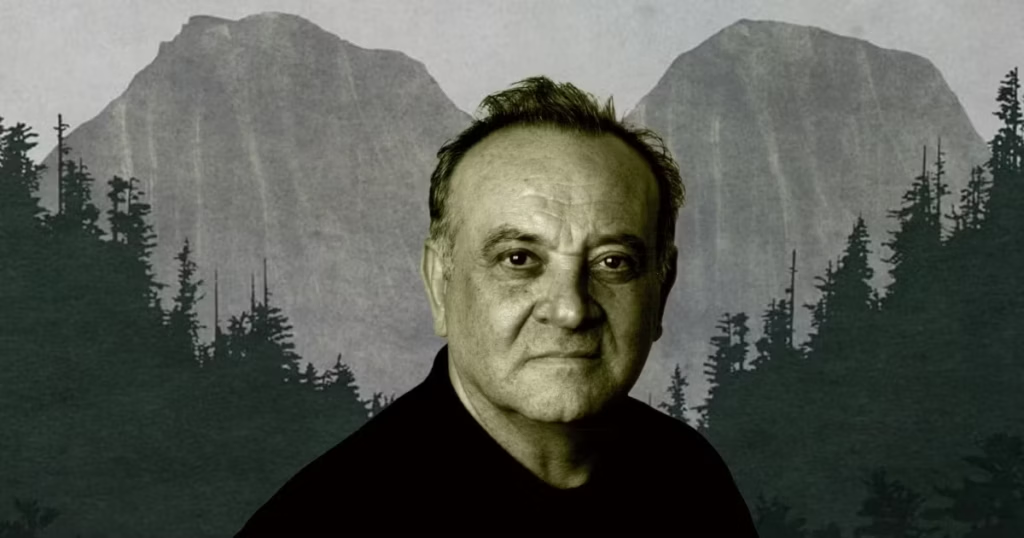
Stylistically, Twin Peaks propagated its ideas through a disconcerting blend of tones, with moments of comedy featuring eccentric townsfolk, exaggerated melodrama, and sharp parody sitting alongside scenes of profound suspense and dread. Such tonal instability kept the viewers on the edge and reflected the characters’ struggle to reconcile the town’s superficial charm with its underlying menace. Angelo Badalamenti’s lush, melancholic score, particularly Laura’s theme, further blurred these lines—its haunting sweep suffusing horror with sorrow before segueing into a lament for lost innocence.
From the beginning of the second season, Lynch was under immense pressure from the producers to reveal the identity of Laura Palmer’s murderer. After resisting for a while, he capitulated, and the perpetrator was exposed midway through the season.
The revelation, however, boomeranged on the network; once the central puzzle—‘Who killed Laura Palmer?’—was resolved, the audience started losing interest in the show. Lynch’s oblique narrative style, heavy reliance on symbolism, and reluctance to provide the satisfying denouement expected of a ‘whodunit’ also contributed to the decline in ratings. Disillusioned, Lynch distanced himself from the show’s creative decisions, and subsequent to the cliffhanger ending of the finale, the series was not renewed for another season.
Also Read: Revisiting Twin Peaks, a Surreal Town on Surreal Earth
Despite its shortcomings, Twin Peaks endured as a landmark in TV history. Cherished for its genre-bending fusion of crime, soap opera, and the paranormal, and for boldly subverting the prevalent norms of visual storytelling, it has since gained a cult following. Though Lynch did expand the storyline through the 1992 film Fire Walk with Me and, decades later, a third season, for many it is the original run that remains canonical, not to mention the most beloved.
2025 marked the 35th anniversary of Twin Peaks, and on January 16, 2026, millions of fans paid tribute to David Lynch’s legacy on the anniversary of his demise. So what better time than now to revisit the show and appreciate its ability to make the audience recognize the true nature of pity and horror?
Twin Peaks reminds us that vice can coexist with kindness, that beauty can conceal deep emotional scars, and that communities, like individuals, can be self-absorbed, unempathetic, and indifferent. From beyond the fir trees and shrouded peaks, it continues to pose the unsettling question—how much darkness can dwell unseen around us, and how long before it becomes part of the world we think we know?e Arts)
Photo Courtesy: Face Book, Wikimedia Commons, Movieweb

Souvik Chakraborty, by profession a mid-level manager at Steel Authority of India Ltd., has, since his early days, been a voracious reader of both literary and popular fiction. Till date he has edited eight acclaimed anthologies in English, and a handful in Bengali as well. When not busy collating stories, Souvik likes to try his hand at penning poems and speculative yarns, and over the past few years, has contributed a number of short pieces to various renowned periodicals. He loves playing the guitar, and his hobbies include listening to rock music and watching thriller movies.